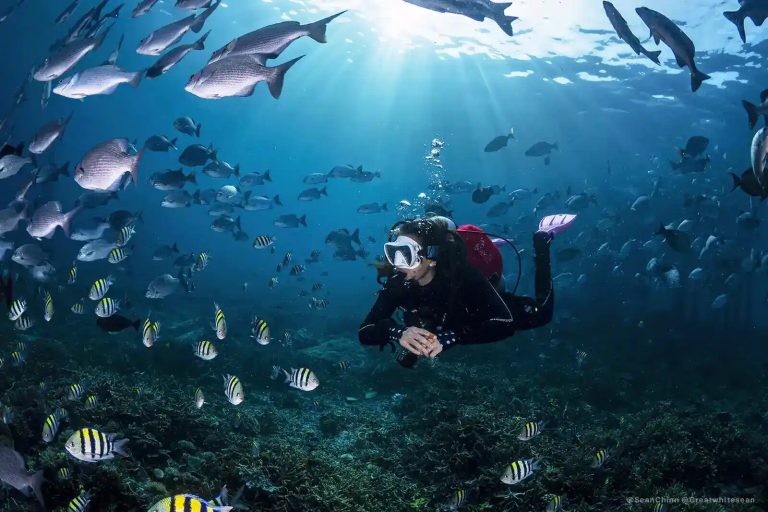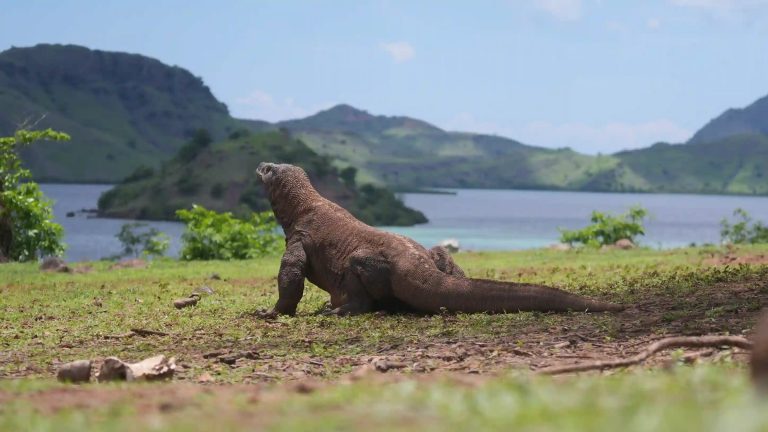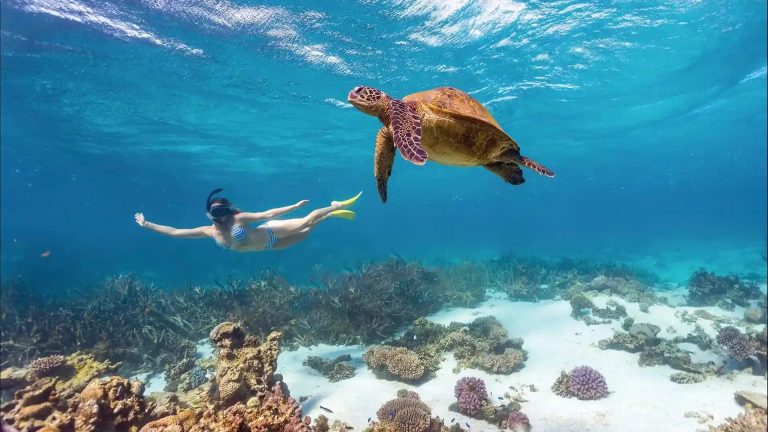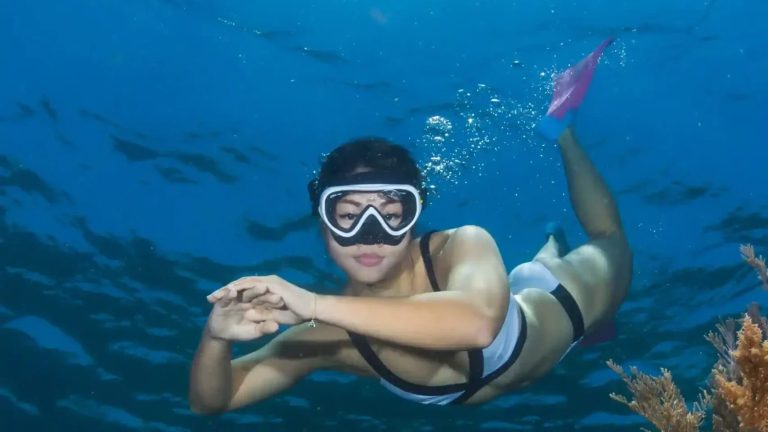
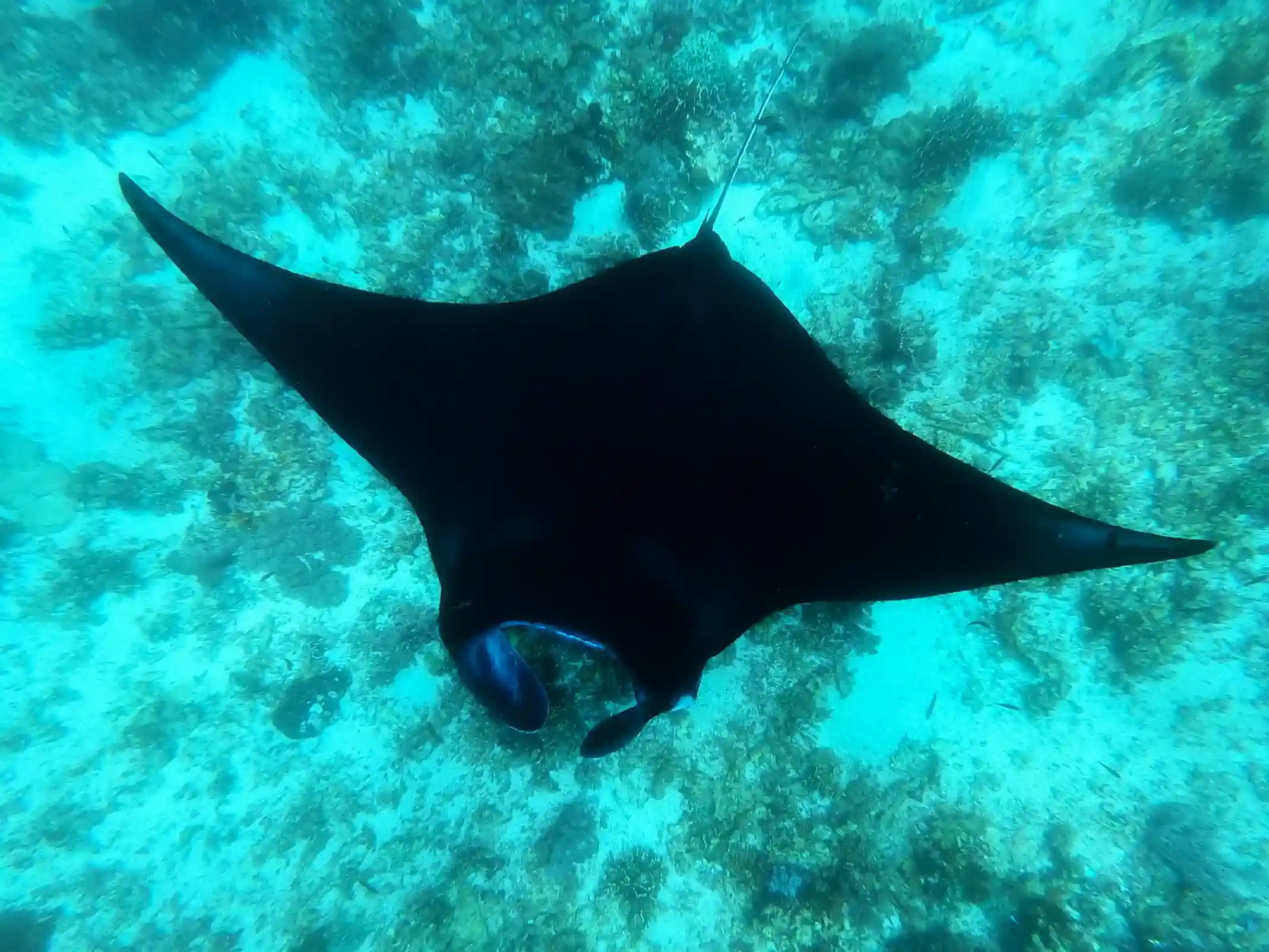
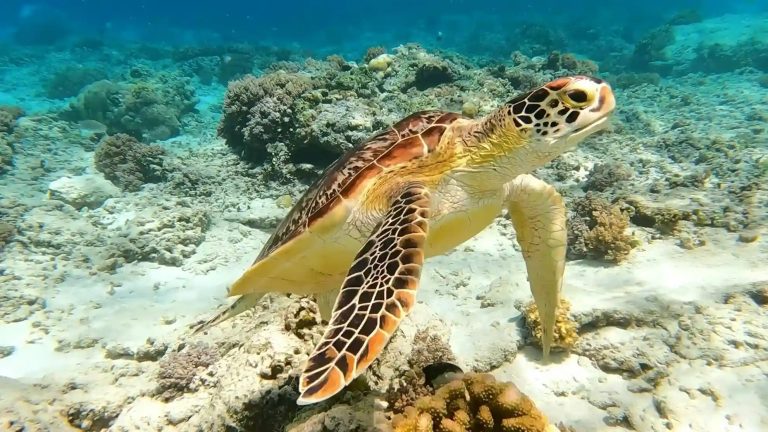
Siaba Bay is where Komodo itineraries put the turtles. It is a sheltered bay on Siaba Besar, in the central part of the park between Labuan Bajo and Komodo Island, and it is one of the few stops on a…
Category: Wildlife, Diving & Nature
Komodo’s strongest currents are driven by tidal exchanges between the Indian Ocean and the Flores Sea, which is why sites like Batu Bolong and Castle Rock can shift from calm to hazardous within a single tide cycle. These guides focus on how seasonal conditions affect Komodo National Park wildlife sightings, what current patterns mean for safe diving and snorkeling, and how to match sites to your experience level and comfort in the water.
Individual guides are grouped by topic: Komodo dragon behavior and viewing rules on specific islands, manta ray cleaning and feeding stations, named dive and snorkel sites with entry points and route suggestions, and reef condition reports that highlight coral health, visibility and current strength so you can quickly identify the most relevant article for your planned activity.
-

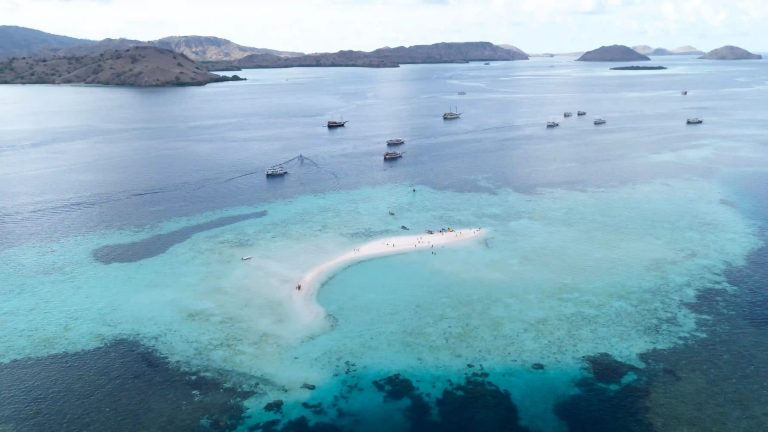
Photo by Ashley Ross on Unsplash Taka Makassar: The Tidal Sandbar Next to Manta Point
Taka Makassar is a sandbar, not an island. It is a low crescent of white sand with a pink cast in places, lying in shallow water east of Komodo Island, and it changes size and shape with the tide —…
-

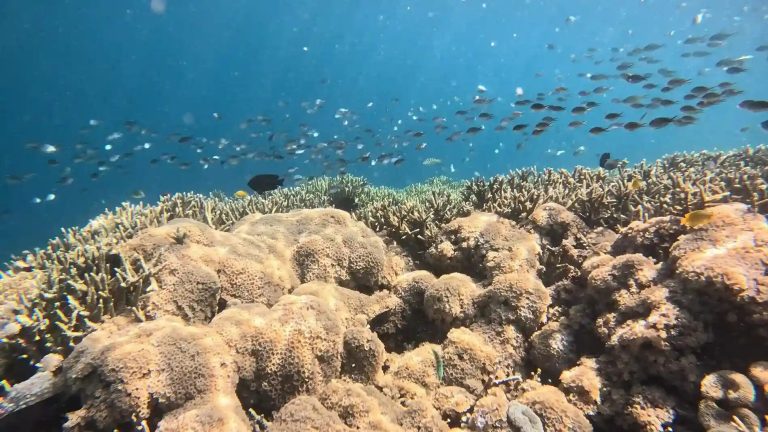
Photo by Oliver Schwaneberg on Unsplash Batu Bolong: Komodo’s Densest Reef and Its Current Problem
Batu Bolong is a dive site, not a beach stop. The name means "hollow rock" or "rock with a hole", and what breaks the surface is a small pinnacle in the channel between Komodo Island and Tatawa. Underneath it, the…
-

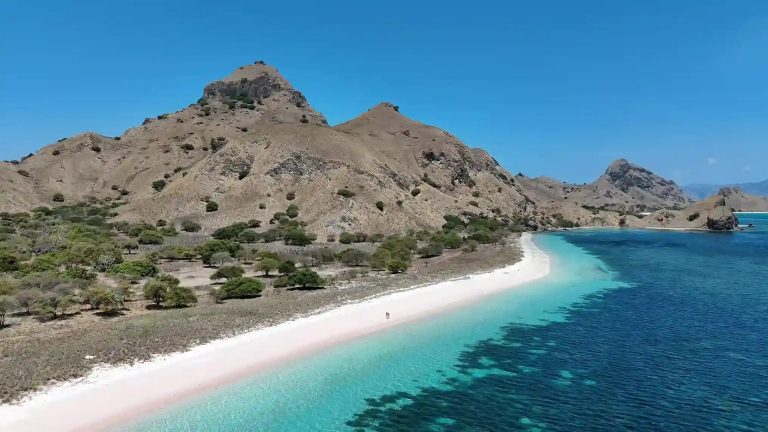
Photo by Nathan Jennings on Unsplash Pink Beach Komodo: How to Visit and What to Expect
Last updated: August 2026 Pink Beach (Pantai Merah) on Komodo Island gets its color from red carbonate grains — mainly the shells of a tiny reef-dwelling organism called foraminifera, along with fragments of red organ-pipe coral — mixing with ordinary…
-

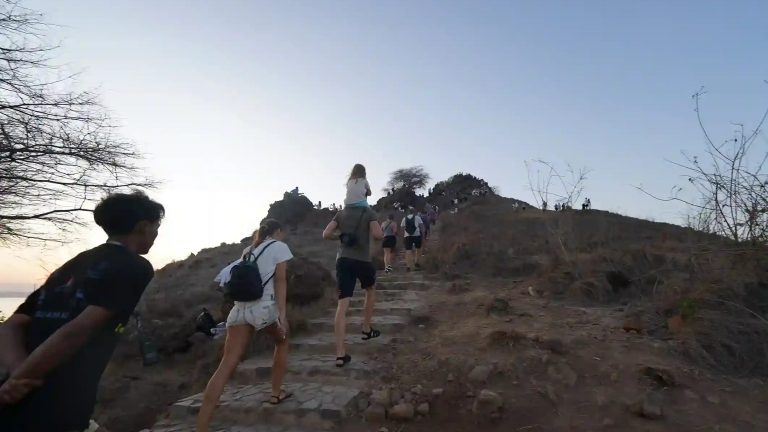
Photo by Wayan Parmana on Unsplash Padar Island Sunrise Hike: Steps, Timing and Difficulty
Most boats leave Labuan Bajo between roughly 3:00 and 4:30 AM to catch sunrise from Padar Island's summit viewpoint, and the climb itself takes about 25 to 45 minutes one way up a constructed stairway rated easy-to-moderate for anyone with…
-

Photo by Veronica Reverse on Unsplash Night Diving and Advanced Dive Sites in Komodo
Night diving in Komodo National Park reveals a different reef entirely: nocturnal hunters emerge, coral polyps extend to feed, and creatures invisible by day, such as octopus, crustaceans and sleeping reef fish tucked into crevices, become visible. It is offered…
-

Illustrative AI-generated image (fal-ai/flux/dev) — not a photograph of a real location. Birdwatching and Marine Life in Komodo National Park
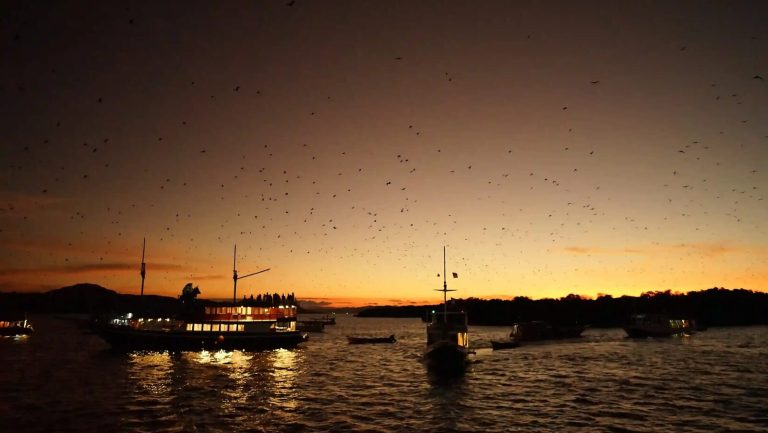
Komodo National Park's wildlife extends well beyond the dragons: its dry-forest and coastal habitats support the yellow-crested cockatoo and other dry-adapted bird species, large fruit-bat (flying fox) colonies visible at dusk, and marine life typical of the Coral Triangle —…
-

Photo by Chandler Cruttenden on Unsplash Rinca vs Komodo Island: Which Is Better for Seeing Dragons?
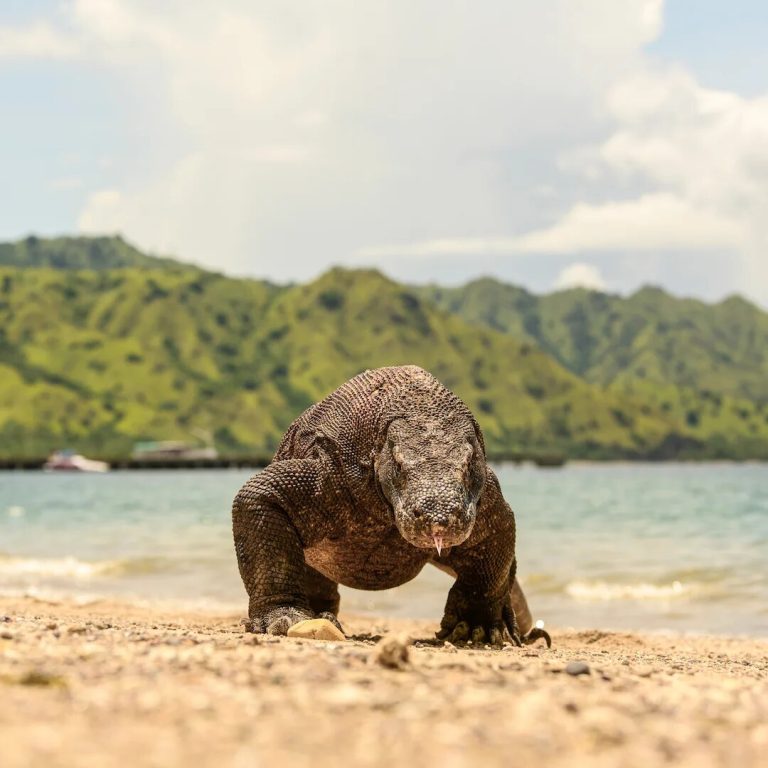
Rinca Island is the better choice if you only have time for one dragon-viewing island — its transfer from Labuan Bajo is shorter (about 45-60 minutes versus 1.5-2 hours to Komodo Island), and dragons are frequently seen close to the…
-

Photo by Takashi Miyazaki on Unsplash Where to Snorkel in Komodo: Manta Point & Pink Beach 2027
The two most famous snorkeling stops in Komodo National Park are Manta Point, a drift site at Karang Makassar where reef manta rays gather over shallow cleaning stations, and Pink Beach, whose rose-tinted sand comes from fragments of red coral…
-

Photo by Karl Callwood on Unsplash Underwater Photography in Komodo Diving & Snorkeling 2027
Underwater photography in Komodo National Park rewards a simple 2027 strategy: shoot wide-angle for the manta rays at Karang Makassar and the coral-covered ridges of the central park, switch to macro in the southern bays, and let a crew that…
-

Photo by David Clode on Unsplash Photographing Komodo Dragons and Landscapes 2027
To photograph Komodo dragons and the park's landscapes well in 2027, plan around three things: early-morning ranger treks on Komodo or Rinca island for active dragons, a sunrise climb of Padar Island for the signature three-bay panorama, and a telephoto…
-

Photo by Sebastian Pena Lambarri on Unsplash Choosing a Komodo Diving Liveaboard Boat in 2027
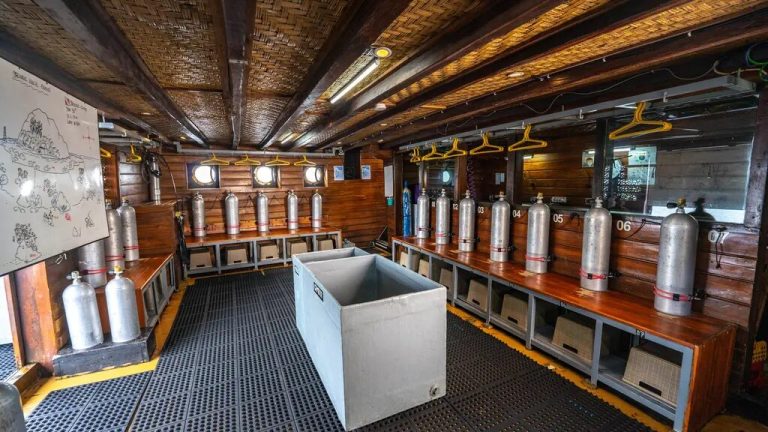
The right Komodo diving liveaboard for 2027 comes down to four things: the boat style, the cabin standard, the dive schedule, and how experienced the crew is with Komodo's strong currents. Get those four right and almost any itinerary will…
-

Photo by Rasmus Gundorff Sæderup on Unsplash Komodo Dragons vs. Manta Rays: Where to Focus Your 2027 Komodo National Park Expedition
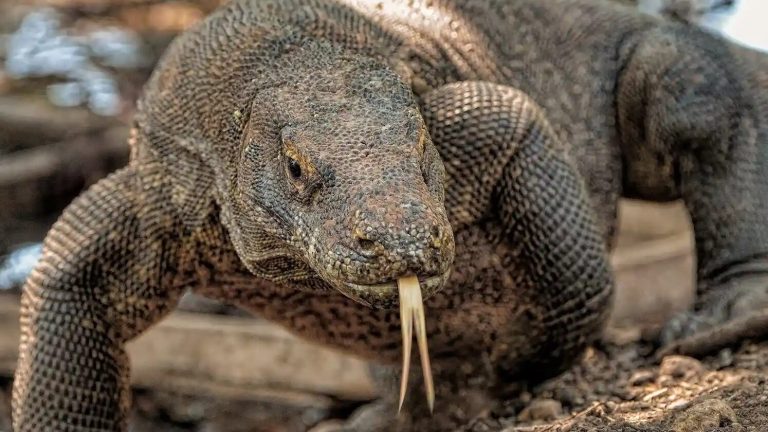
Choose Komodo dragons if you want a ranger-guided land trek to see the world's largest lizard in the wild; choose manta rays if reef diving or snorkeling at a dedicated cleaning station like Manta Point is your priority. Most Komodo…