Komodo Dragons vs. Manta Rays: Where to Focus Your 2027 Komodo National Park Expedition
Choose Komodo dragons if you want a ranger-guided land trek to see the world's largest lizard in the wild; choose manta rays if reef diving or snorkeling at a dedicated cleaning station like Manta Point is your priority.
Most Komodo itineraries of two days or more actually combine both, since the park’s geography puts dragon habitat and manta-ray reefs within a short boat ride of each other — but if your schedule genuinely forces a choice, this page breaks down what each experience actually involves so you can pick the one that fits your time and interests.
What Does a Komodo Dragon Encounter Actually Involve?
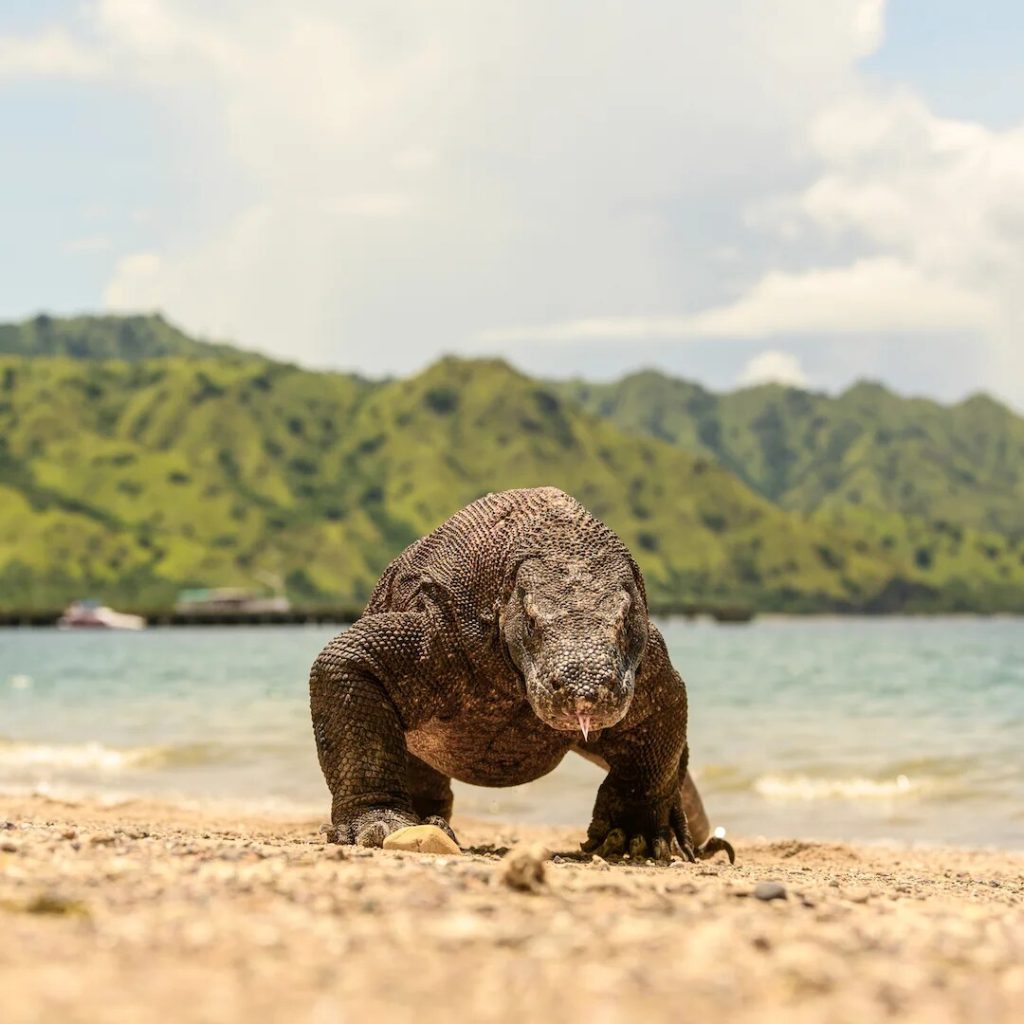
Seeing a wild Komodo dragon means a ranger-guided trek at one of two stations: Loh Liang on Komodo Island or Loh Buaya on Rinca Island. A licensed ranger, carrying a traditional forked staff, walks with every group on marked trails, and treks typically run 30 minutes to two hours depending on the route length you choose. Komodo dragons can grow up to roughly three meters and over 70 kilograms, and the park’s islands together hold an estimated wild population of roughly 3,150-3,400 individuals (BTNK park counts, 2022-2024), so sightings on a guided trek are common, particularly in the cooler early morning hours when dragons are most active. This is not a zoo encounter — dragons are genuine apex predators, which is exactly why ranger escort and a maintained safe distance are mandatory rather than optional.
What Does a Manta Ray Encounter Actually Involve?
Manta rays are seen primarily at Manta Point (also called Karang Makassar), a cleaning-station reef in the central park where reef mantas gather to be cleaned by small fish, making sightings considerably more reliable than open-ocean encounters elsewhere. The site works for both snorkelers, who watch from the surface as mantas glide a few meters below, and certified divers, who can descend closer to the cleaning station itself. Manta Point sits roughly 45 to 90 minutes by speedboat from Labuan Bajo depending on route, making it an easy add-on to a broader day trip or multi-day itinerary rather than a destination requiring a dedicated excursion.
Side-by-Side: Dragons vs Mantas
| Factor | Komodo dragons | Manta rays |
|---|---|---|
| Where | Loh Liang (Komodo) or Loh Buaya (Rinca) ranger stations | Manta Point / Karang Makassar, central park |
| Activity type | Land trek with a licensed ranger | Snorkeling or scuba diving |
| Time needed | 1-2 hours including trek | 45-90 minutes at the site, plus transit |
| Certification required | None | None for snorkeling; open-water certification for diving |
| Sighting reliability | High on guided treks, especially early morning | Good at the cleaning station, though wildlife sightings are never guaranteed |
| Physical demand | Moderate walking on graded trails, can involve heat | Low for snorkeling; moderate for diving in current |
Can You Realistically Do Both in One Trip?
Yes, and most multi-day itineraries are built specifically around combining them. A standard 3D2N boat trip typically fits one or two ranger-guided treks, a Padar sunrise, and several water stops including Manta Point into a single, unhurried schedule, because the sites sit close enough together that the park’s own geography does the sequencing for you. Even a single, longer day trip from Labuan Bajo can combine a dragon trek in the morning with a Manta Point stop in the afternoon, provided the operator’s route includes both. Our dragon viewing and trekking tour page and Komodo Luxury’s boat tour pages both structure itineraries around this pairing rather than forcing a choice.
When Would You Actually Choose Only One?
A dragons-only focus makes sense for travelers on a very tight schedule who specifically want the land wildlife experience and are less interested in snorkeling or diving, or for those with mobility considerations that make extended water time impractical. A mantas-only focus suits certified divers building a dedicated dive itinerary around current-swept sites, where adding a land trek would compete for boat time better spent underwater, or travelers who are not comfortable with the idea of trekking near a large predator even under ranger supervision. Outside of these specific cases, combining both remains the more common and generally more satisfying choice given how close the two experiences sit to each other.
Photography Considerations for Each
Dragon photography works best in the softer, cooler light of an early-morning trek, when animals are more active and the savanna terrain photographs well before the midday sun flattens contrast; a zoom lens is useful since rangers maintain a safe distance rather than allowing close-up shots. Underwater photography at Manta Point rewards a wide-angle setup given the manta’s wingspan, which can reach several meters, and benefits from the same early or late-day timing that keeps light angled rather than harsh overhead glare washing out the water column. Both settings share one rule worth repeating: never adjust your position or the animal’s behavior for a better shot — rangers and dive guides will end an encounter that visitors compromise for photography.
Which Season Favors Which Activity?
Dragon trekking is a year-round activity with no strong seasonal dependency beyond general comfort, since rangers operate treks in both dry and wet seasons. Manta ray activity, by contrast, does show some seasonal pattern at cleaning stations, with sightings reported across most of the year but often described by dive operators as particularly strong in the wetter December-to-March window when nutrient-rich water can draw more manta activity to feeding and cleaning sites, alongside the calmer, more consistent dry-season conditions from April to November that make the boat journey itself more comfortable. Travelers prioritizing manta encounters specifically may want to ask their operator about recent sighting patterns for their travel month rather than assuming either season is definitively better.
Plan a Trip That Combines Both with Komodo Luxury
Tell Komodo Luxury your dates and they will build an itinerary that fits ranger-guided dragon trekking and a Manta Point stop into the same trip. Message Komodo Luxury on WhatsApp at +62 811 3810 8110 or email sales@komodoluxury.com, or see Komodo Luxury’s boat tour options.
Checked August 2026.
We break this down further in our Komodo vs Raja Ampat and the Galapagos.
Whether you’re drawn to the majestic Komodo dragons or the graceful manta rays, Komodo Luxury offers tailored experiences to enhance your adventure. Consider embarking on a multi-day liveaboard to fully immerse yourself in the wonders of Komodo National Park. Alternatively, explore the waters with a catamaran charter or enjoy the comfort of a deluxe boat charter. For more options, browse the full fleet to find the perfect fit for your budget and group size.
Ready to turn this into a real Komodo National Park trip?
More posts
Frequently asked questions
Do I need diving certification to see manta rays in Komodo?
No. Manta Point is snorkelable, and reef mantas are commonly seen gliding a few meters below the surface, visible without any certification. Certified divers can descend closer to the cleaning station itself, but snorkeling is a legitimate and popular way to see mantas here.
Is it safe to trek to see Komodo dragons?
Yes, when following park rules: a licensed ranger with every group, marked trails, and a maintained safe viewing distance at all times. Documented serious incidents overwhelmingly involve unsupervised individuals rather than ranger-escorted tourists.
Which is more reliable: seeing dragons or seeing mantas?
Both are considered reliable relative to typical wildlife tourism. Dragon sightings on guided treks are common given the park’s estimated population of roughly 3,150-3,400 individuals across its islands (BTNK park counts, 2022-2024). Manta sightings at the dedicated cleaning station are also frequent, though as with any wild animal, no sighting can be absolutely guaranteed on a specific day.
Can beginners do both a dragon trek and manta ray snorkeling on the same trip?
Yes. Neither activity requires special certification or advanced fitness — dragon treks follow graded trails at a guided pace, and manta snorkeling only requires basic swimming comfort with a life jacket or snorkel vest available if needed.
Is one experience more expensive than the other?
Both activities are typically bundled into standard day-trip and multi-day boat packages rather than sold as separate paid add-ons, so the cost difference in practice usually comes down to whether your chosen boat’s route includes both stops rather than the activities being priced individually. Scuba diving at Manta Point, if you choose it over snorkeling, does carry its own separate equipment and guide cost.
How does the snorkeling experience in Komodo compare to the Galapagos?
The snorkeling experience in Komodo offers encounters with vibrant coral reefs and marine life, including manta rays at Manta Point. In contrast, the Galapagos provides unique species like marine iguanas and sea lions. Both locations offer distinct experiences, but Komodo’s warm waters and proximity to the coral triangle provide a more tropical underwater environment.
Is Komodo National Park or Similan Islands better for manta ray sightings?
Komodo National Park is more reliable for manta ray sightings, especially at Manta Point, a known cleaning station where reef mantas gather. The Similan Islands also offer manta encounters, but sightings are less predictable. Komodo’s dedicated cleaning stations, where the same animals return day after day, make it a preferred choice for consistent sightings; mantas are present all year and gather most heavily in the wet season, from December to March.
Is diving with manta rays safe in Komodo National Park?
Diving with manta rays in Komodo National Park is generally safe, especially at Manta Point where conditions are suitable for both snorkelers and divers. Always follow safety guidelines, dive with a certified operator, and maintain a respectful distance from the mantas to ensure both your safety and the well-being of the marine life.
How to see manta rays in Komodo National Park in October?
To see manta rays in Komodo National Park in October, visit Manta Point, where the animals are present all year even though the heaviest aggregations come later, in the wet season from December to March. Book a snorkeling or diving tour from Labuan Bajo, and ensure your visit aligns with the park’s visitor quota and reservation requirements via the SiOra e-ticket system.
For budget planning, how to see the most manta rays in Komodo National Park in August without overspending?
Plan one focused manta day and accept that sightings are less predictable in August. Base yourself in Labuan Bajo and join a shared snorkel or dive trip to sites like Manta Point, which keeps boat costs lower per person. Factor in the park entrance ticket, ranger fee, and a practical all-in daily spend of USD 40 to USD 50, plus your chosen tour.
Which locations in Komodo are ideal for sunset photography?
Padar Island is renowned for its panoramic views and is ideal for sunset photography, offering dramatic landscapes and vibrant skies. The hilltops provide a vantage point over the island’s unique topography. Loh Liang on Komodo Island also offers picturesque settings for capturing sunsets over the park’s rugged terrain.
For budget planning, where to see manta rays in Komodo National Park without paying for advanced dives?
The most budget-friendly option is a snorkel-focused day trip that includes Karang Makassar (Manta Point) from Labuan Bajo. You pay the standard foreign visitor entrance ticket plus a ranger fee, and the boat cost is shared across the group. Many join-in trips bundle snorkeling at Manta Point with nearby reefs, keeping costs lower than dedicated dive charters while still offering frequent manta encounters.
What does a dedicated manta day realistically cost and include?
Expect to book a Labuan Bajo day trip that covers the park entrance ticket for foreign visitors, the ranger-guided fee shared within your boat group, and basic snorkeling gear. Tours usually cluster around a practical all-in budget per person that also includes boat transport and lunch. You still need to reserve your SiOra e-ticket and carry some extra cash for tips or upgraded equipment.
Is shark diving in Komodo National Park safe for beginners?
Shark diving in Komodo National Park can be safe for beginners when conducted with a reputable dive operator. Conditions vary by site, so choose locations with calm waters and ensure you are briefed on safety procedures. Always dive within your certification limits and follow the guidance of your dive instructor.
If your main goal is manta encounters, can you see manta rays in Komodo National Park in December often enough to justify planning your trip then?
Yes, December is within the core manta season, so chances of encounters are generally good, especially around sites like Manta Point and nearby channels. Seas can be choppier and trips more weather dependent, so build in extra days in case boats cannot run. Base yourself in Labuan Bajo, book your Komodo boat and SiOra e-tickets in advance, and prioritize flexible itineraries over tight schedules.
How do Komodo dragons communicate with each other?
Komodo dragons primarily communicate through body language and chemical signals. They use their forked tongues to detect scents in the air, which helps them identify other dragons and potential threats. Physical displays, such as head bobbing and tail lashing, are also used during interactions, particularly in territorial disputes or mating rituals.
What are the rules for interacting with Komodo dragons?
Interacting with Komodo dragons requires maintaining a safe distance and always being accompanied by a licensed ranger. Independent trekking is prohibited. Follow the ranger’s instructions, avoid sudden movements, and never attempt to feed or provoke the dragons. These rules ensure both visitor safety and the protection of the dragons.
Start Planning Your Komodo Trip
Tell Komodo Luxury your travel dates, group size and priorities — trekking, diving, a private charter or a budget-friendly shared boat — and they will put together options with current pricing.