Komodo National Park, without the guesswork.
Fees, the SiOra reservation rule, quotas, crossing times — each regulated figure here links back to the authority that publishes it. We are not a government body and we do not set park fees or quotas.
What is settled, and who says so
1980
Established
Declared a national park to protect the Komodo dragon, the only wild population on Earth.
1991
UNESCO World Heritage
Inscribed as Property No. 609. Park facts and status.
1 April 2026
SiOra booking required
Every visitor has been registered through the park’s SiOra system since 1 April 2026. Permits & quota.
1,000 a day
Park-wide visitor quota
The park-wide daily quota, split across three entry sessions — not a per-island figure.
Figures published by Balai Taman Nasional Komodo and the UNESCO World Heritage Centre. Where a number is regulated, the page that carries it links to the source rather than restating it as ours.
The islands and stops a Komodo trip is built from
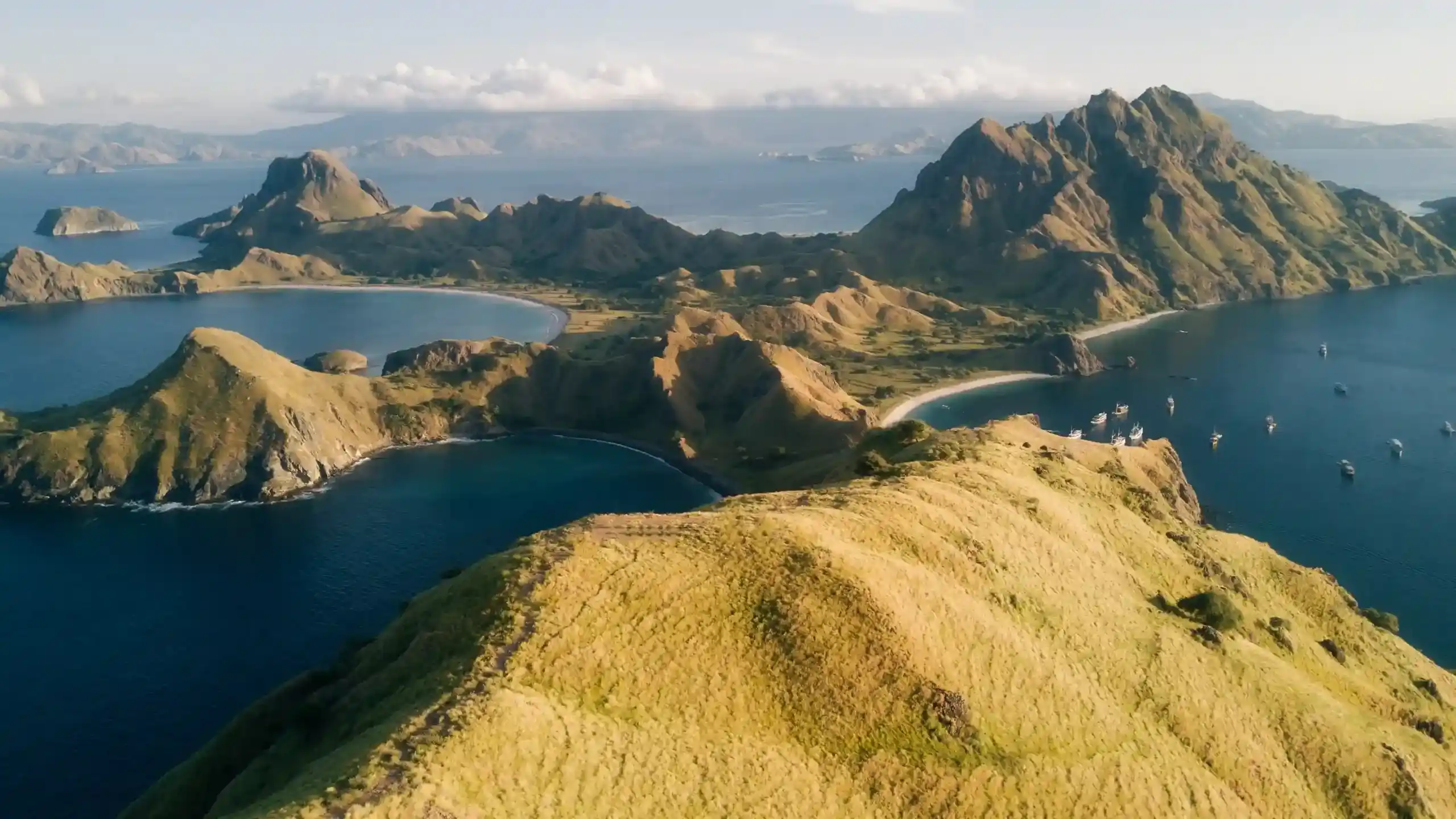
Komodo, Rinca and Padar each play a distinct role in a typical itinerary, and knowing the difference helps you decide where to focus limited time.
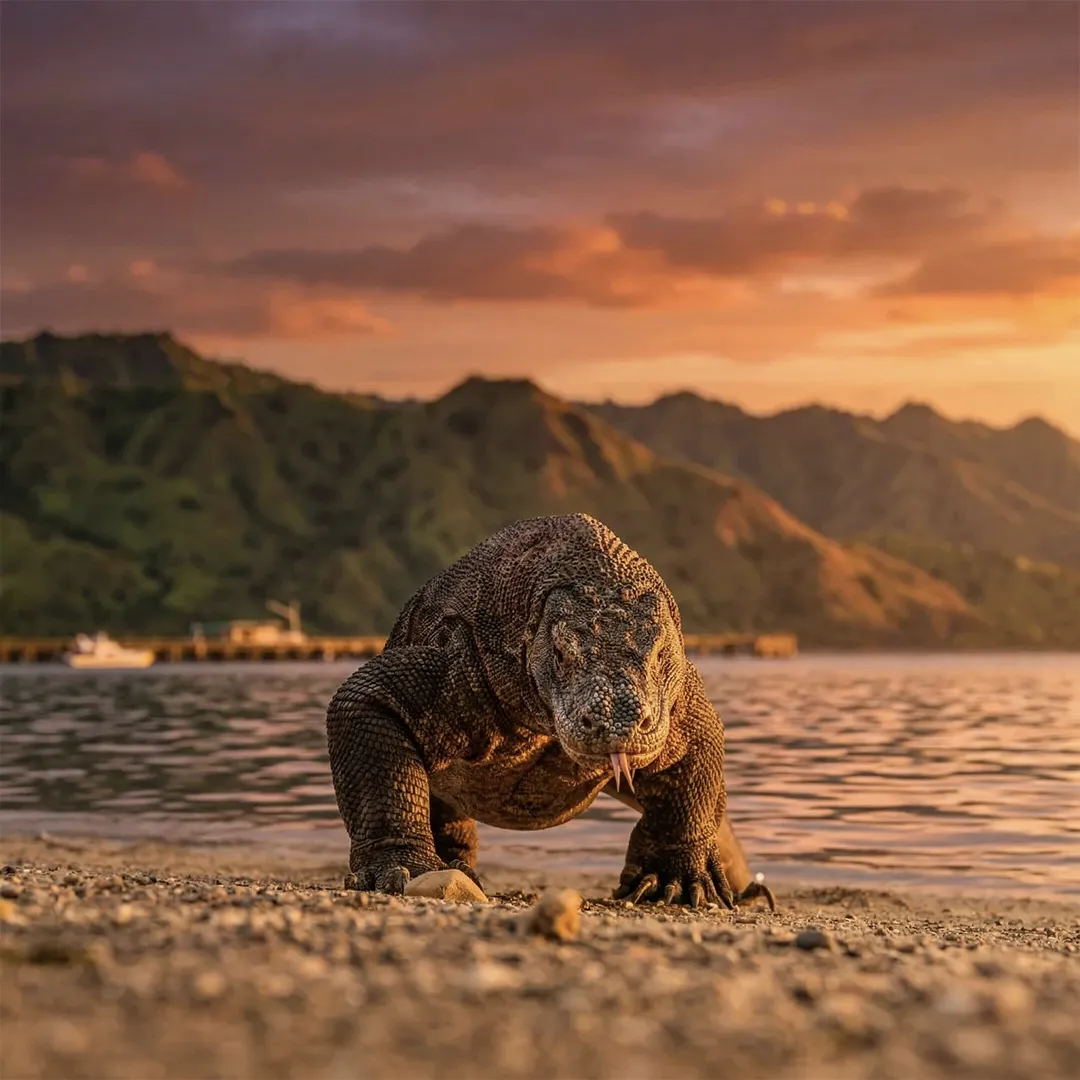
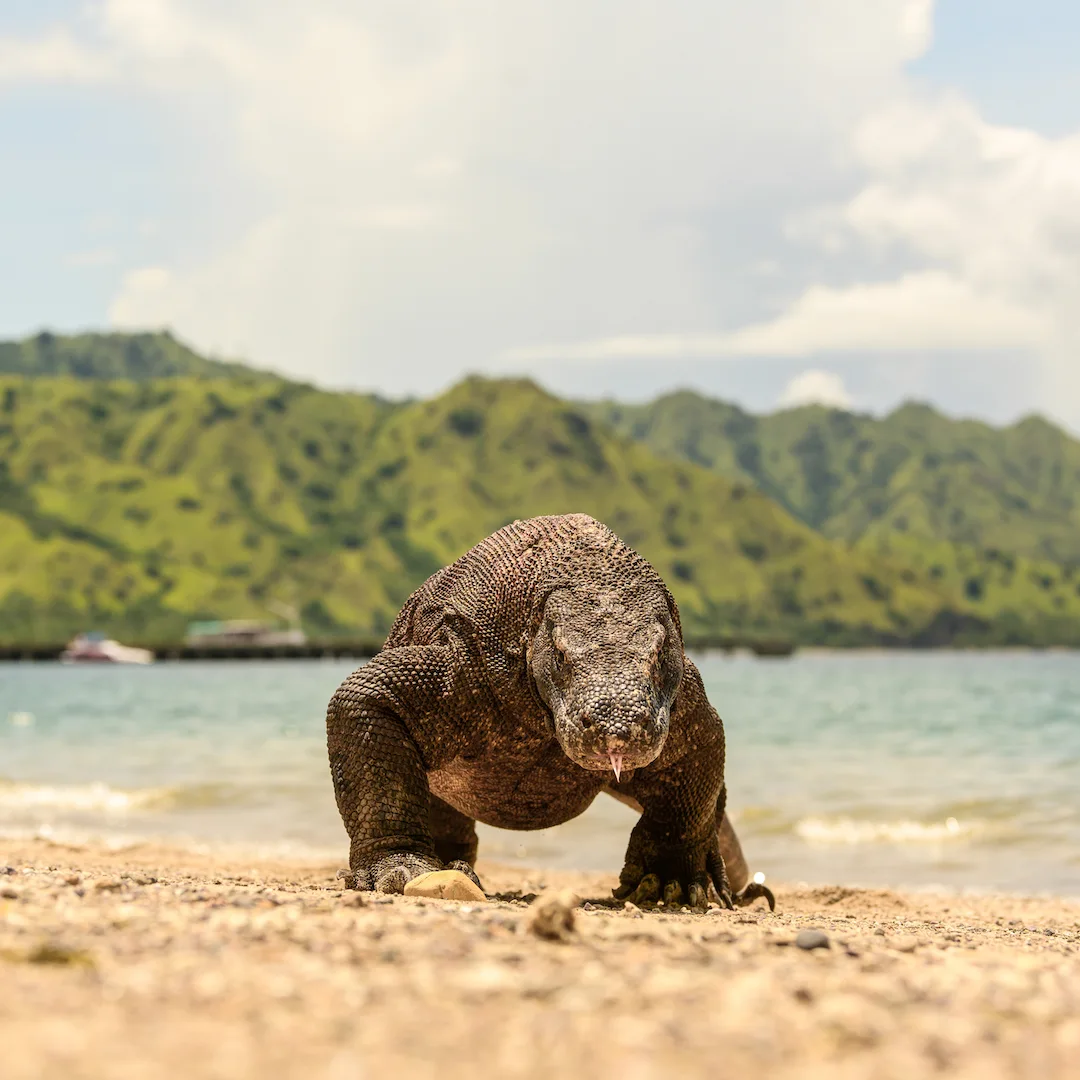 Dragons
Komodo Island (Loh Liang)
Largest dragon population, long treks
Dragons
Komodo Island (Loh Liang)
Largest dragon population, long treks
 Dragons
Rinca Island (Loh Buaya)
Reliable dragon sightings, shorter transfer
Dragons
Rinca Island (Loh Buaya)
Reliable dragon sightings, shorter transfer
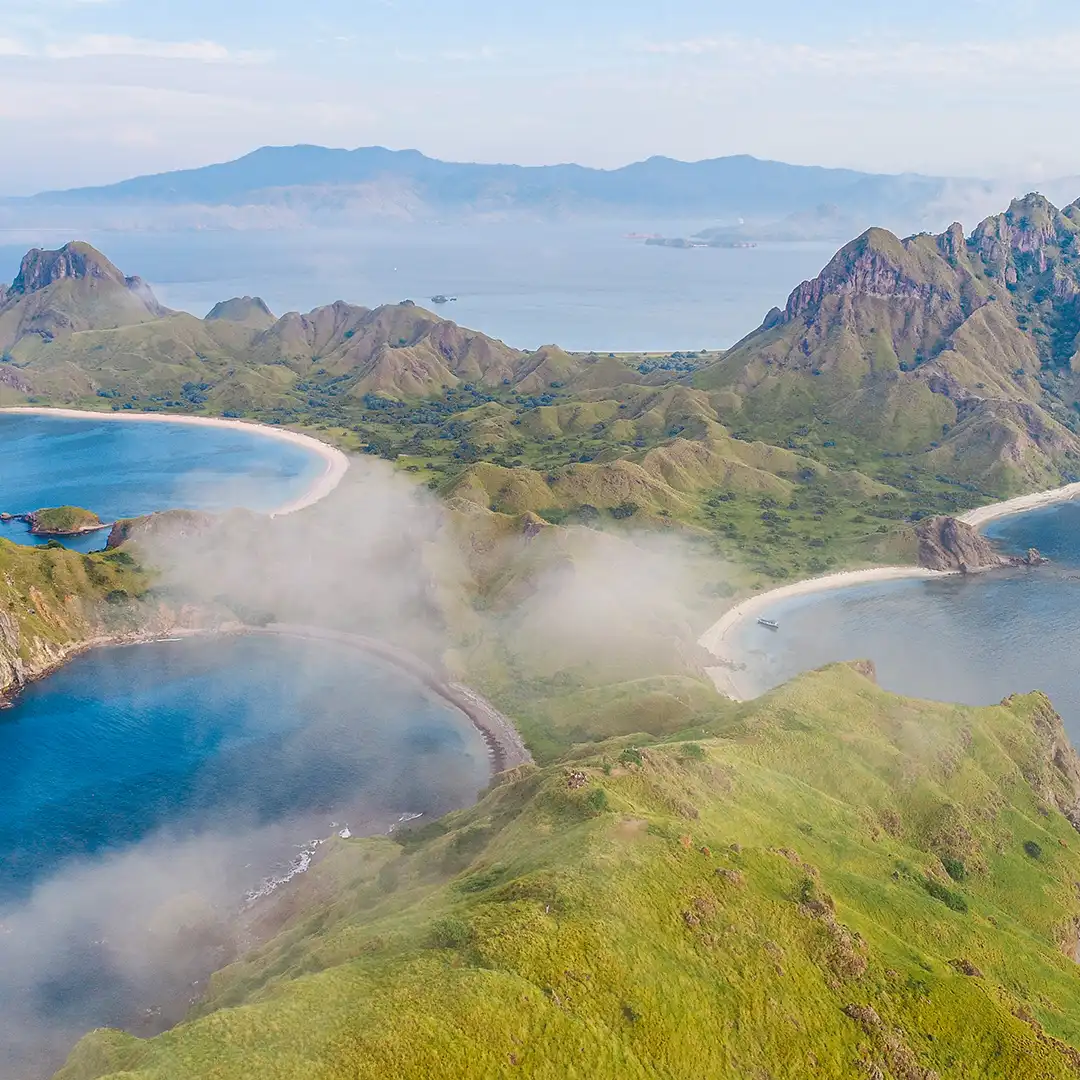 Padar Island
Three-bay hilltop viewpoint
Padar Island
Three-bay hilltop viewpoint
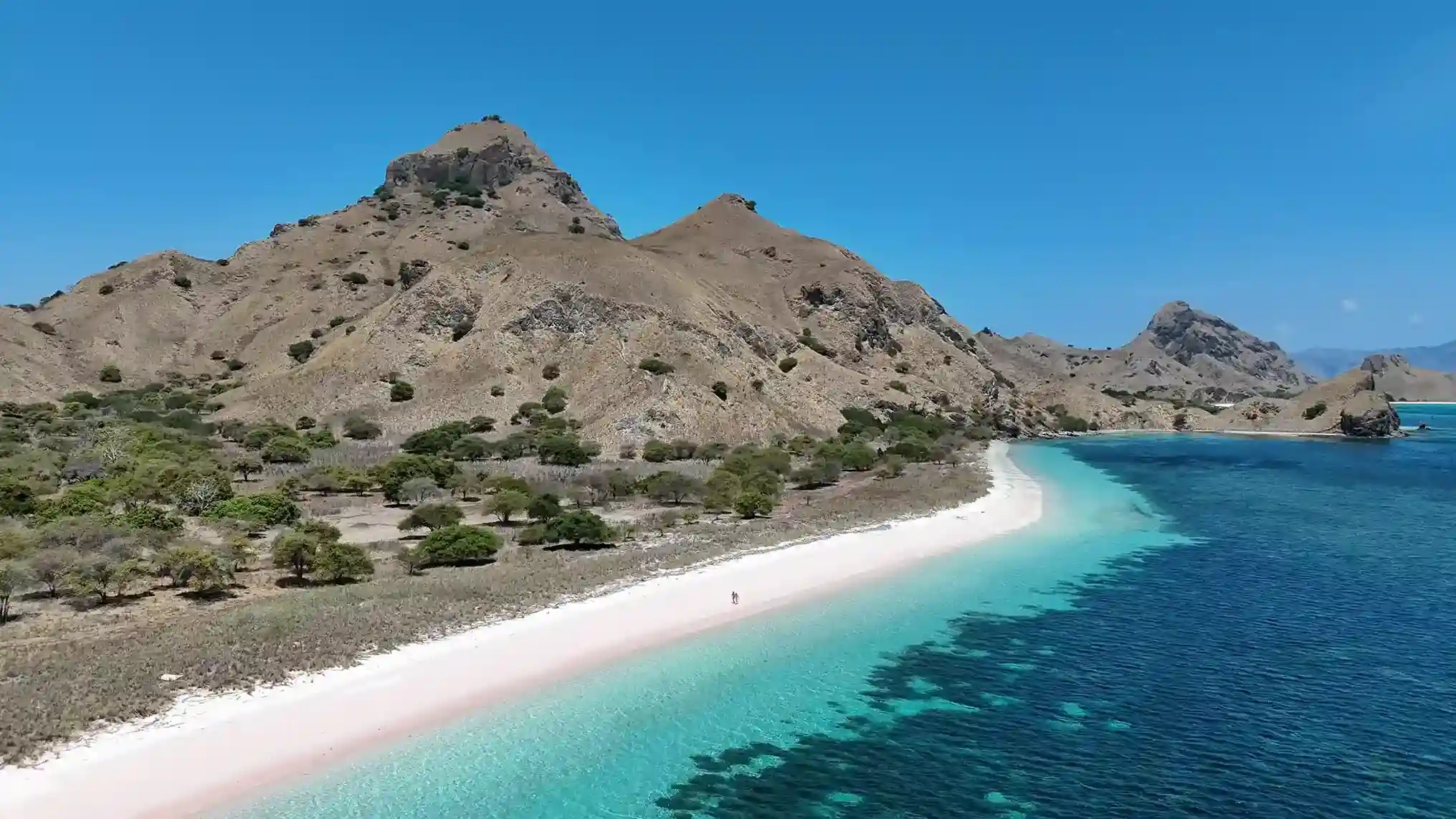 Pink Beach
Pink-tinted sand, snorkeling
Pink Beach
Pink-tinted sand, snorkeling
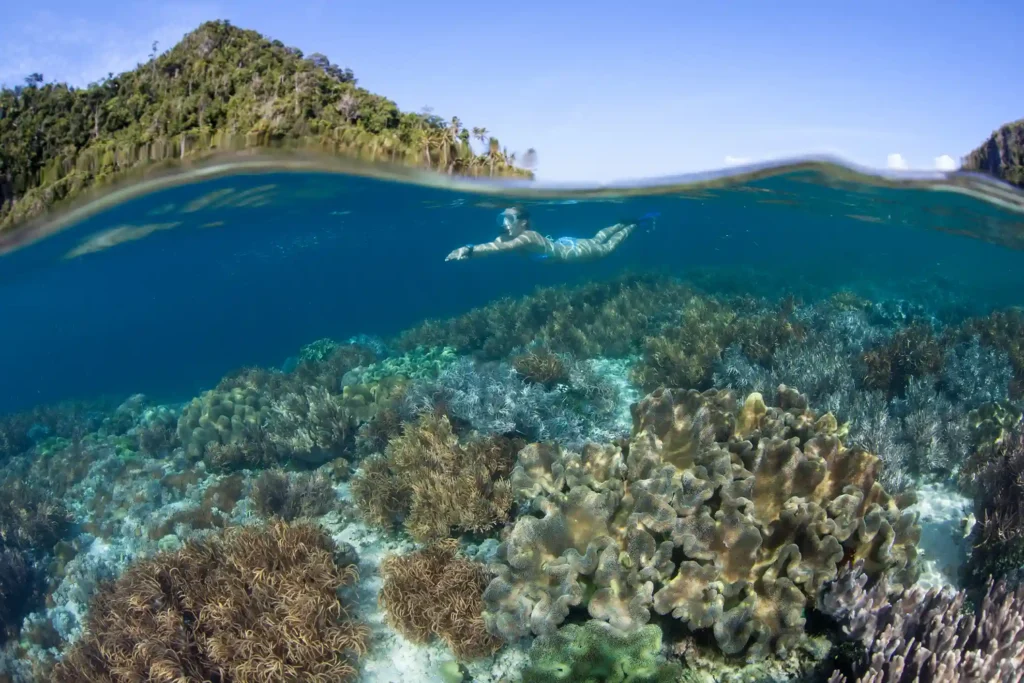 Kanawa / Sebayur / Bidadari
Calm shallow snorkeling
Kanawa / Sebayur / Bidadari
Calm shallow snorkeling
 Kalong Island
Sunset fruit-bat colony
Kalong Island
Sunset fruit-bat colony
Most single-day itineraries choose one trekking island (Komodo or Rinca) rather than both, adding Padar and a snorkel stop around it. Photographs supplied by Komodo Luxury.
Answer the two questions everyone asks first
What the park itself costs, and how long it takes to get in. Both tools run on the same figures published elsewhere on this site — change an input and the numbers move with it.
Park-fee calculator
What the park side of the day costs per person, in US dollars: the entrance ticket together with the ranger, conservation and dock charges collected with it. It does not include a boat, meals or accommodation.
- Park fee per person
- USD 40 / person / day
- Park-side cost, 1 day
- USD 40 / person
Park fees are reserved and paid online through SiOra before arrival. Boat, meals and accommodation are separate and set by your operator.
Same constants and same formula as the calculator on the entrance-fee page, so the two can never disagree.
Entry-route comparator
Distances and crossing times as published in the route table on our getting-there guide. Sea times are operator planning estimates, not schedules.
- Destination
- Loh Buaya, Rinca Island
- Distance from Labuan Bajo harbour
- about 30 km
- Sea crossing, speedboat
- 45-60 minutes
- Harbour to the ranger post
- 45 min – 1 h
- Flight, Denpasar to Labuan Bajo
- —
Sea times are typical operator estimates for this strait and move with sea conditions and the route your boat takes. Flight time excludes check-in, boarding and baggage.
Figures from How to get to Komodo National Park.
Three rules this site is built on
-
We cite; we do not set
This is not a government body and it does not set park fees or quotas. Every regulated figure links back to the official park authority instead of being restated as if it were ours.
-
Independent, and open about it
An independent travel-planning site, part of the Juara Holding Group network operating since 2015, working with Komodo Luxury as its booking partner.
-
Rewritten when the rules move
The 2026 change was procedural: reservation through SiOra became a required step rather than an optional one. Pages are updated whenever the park authority announces a further change.
Start where your question is
Fees & ticket bundles
What the park tariff covers, what it does not, and where each charge is actually paid.
Read the guide →
Permits, quota & SiOra
The reservation system, the daily park quota and how far ahead a 2027 date needs booking.
Read the guide →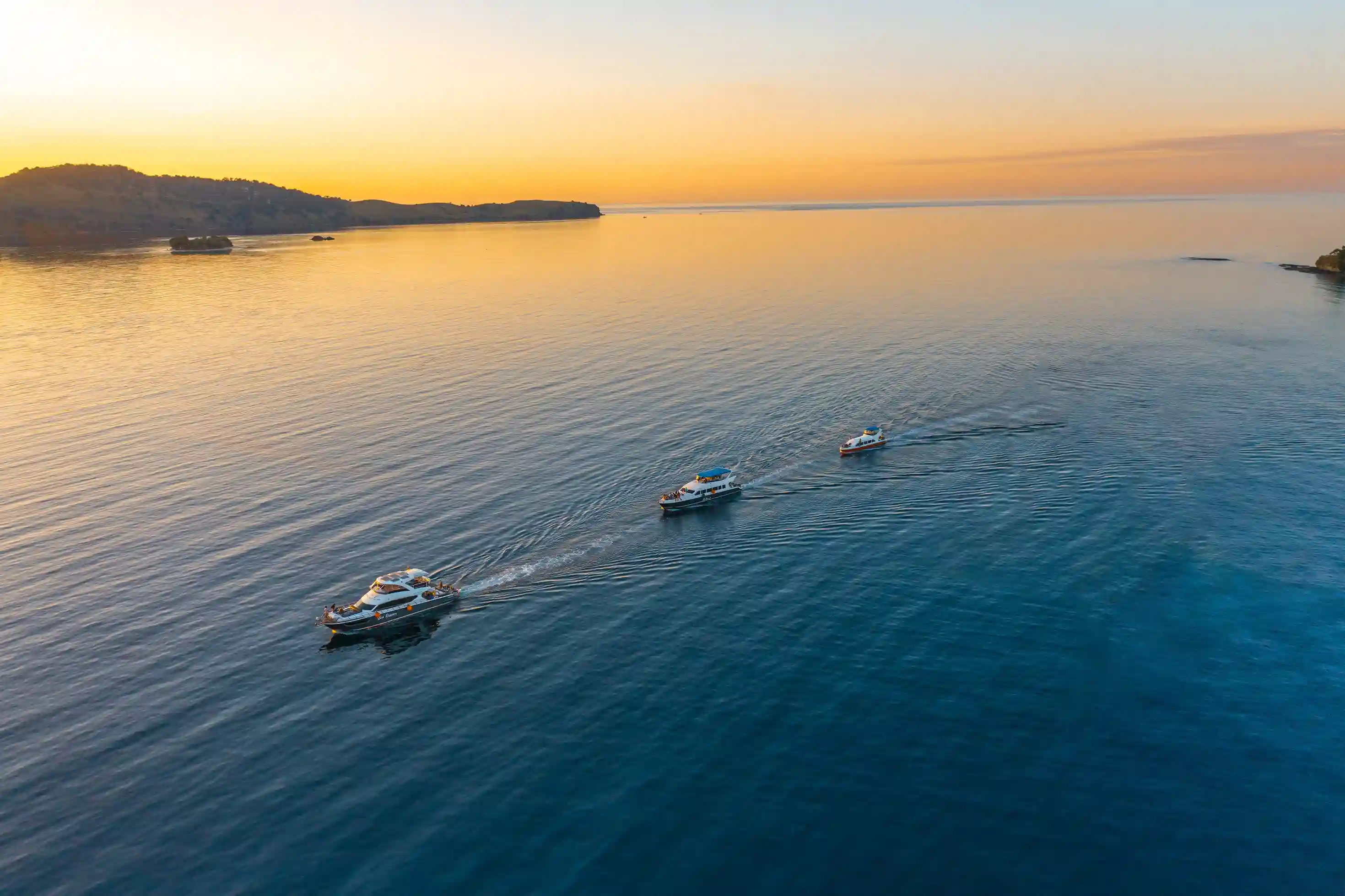
Getting there
Bali to Labuan Bajo, then harbour to island: distances, crossing times and realistic buffers.
Read the guide →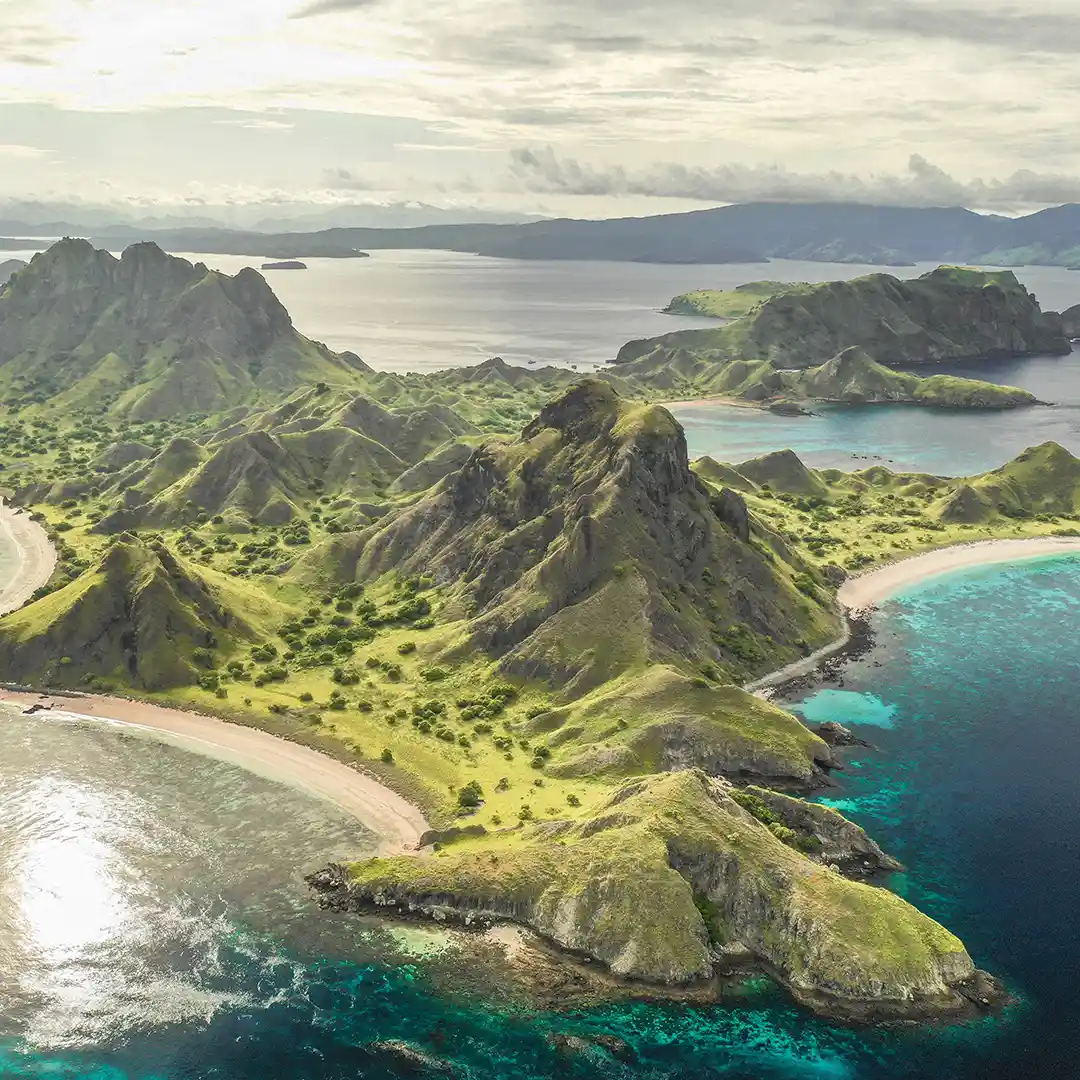
Islands guide
Komodo, Rinca and Padar compared, plus the snorkel and viewpoint stops between them.
Read the guide →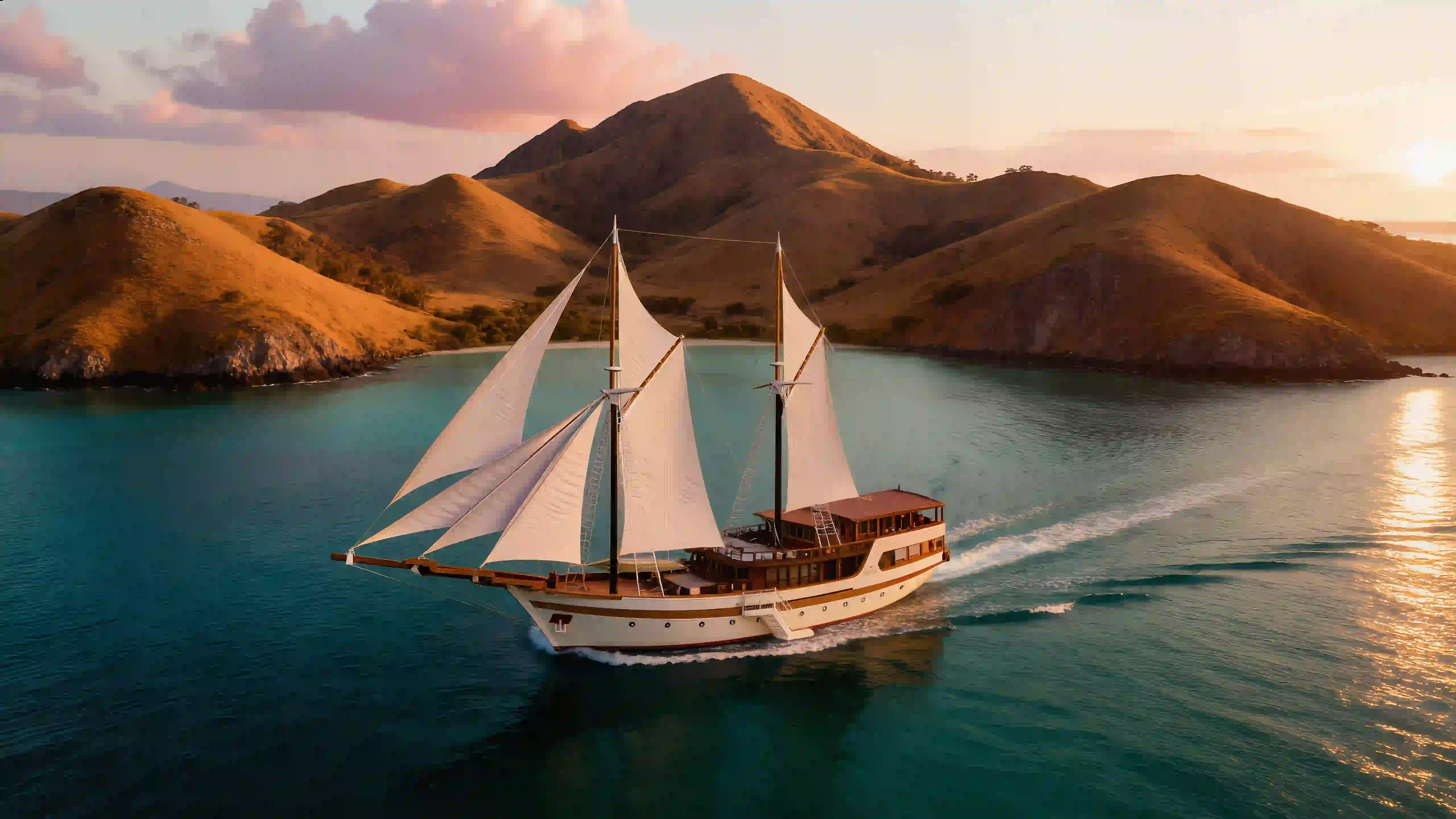
Best time to visit
Seasons, sea conditions and what each month actually delivers above and below the water.
Read the guide →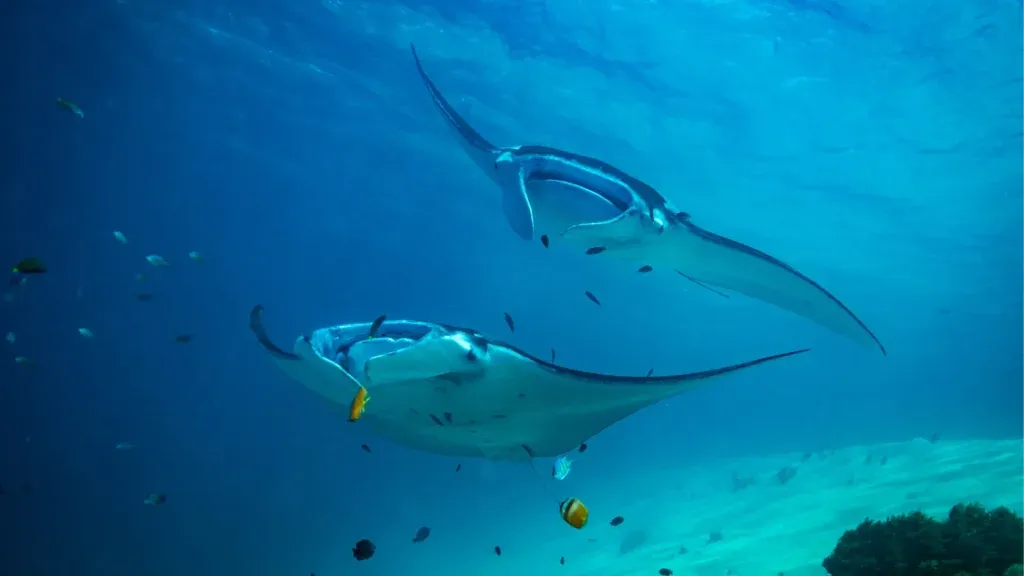
Dive & snorkel sites
Where the currents, the mantas and the reef life are, and which sites suit which certification.
Read the guide →-
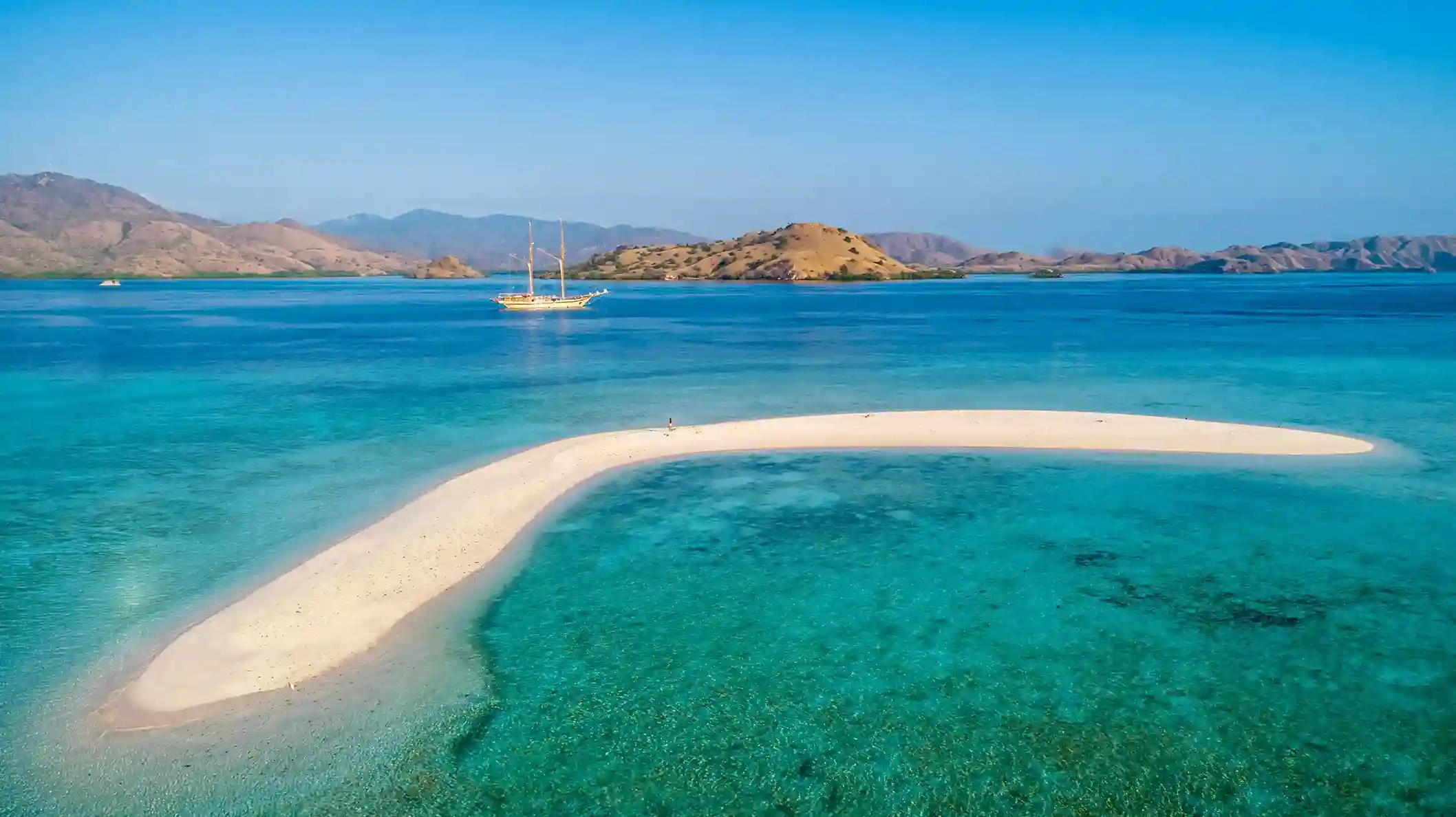 Taka Makassar
-
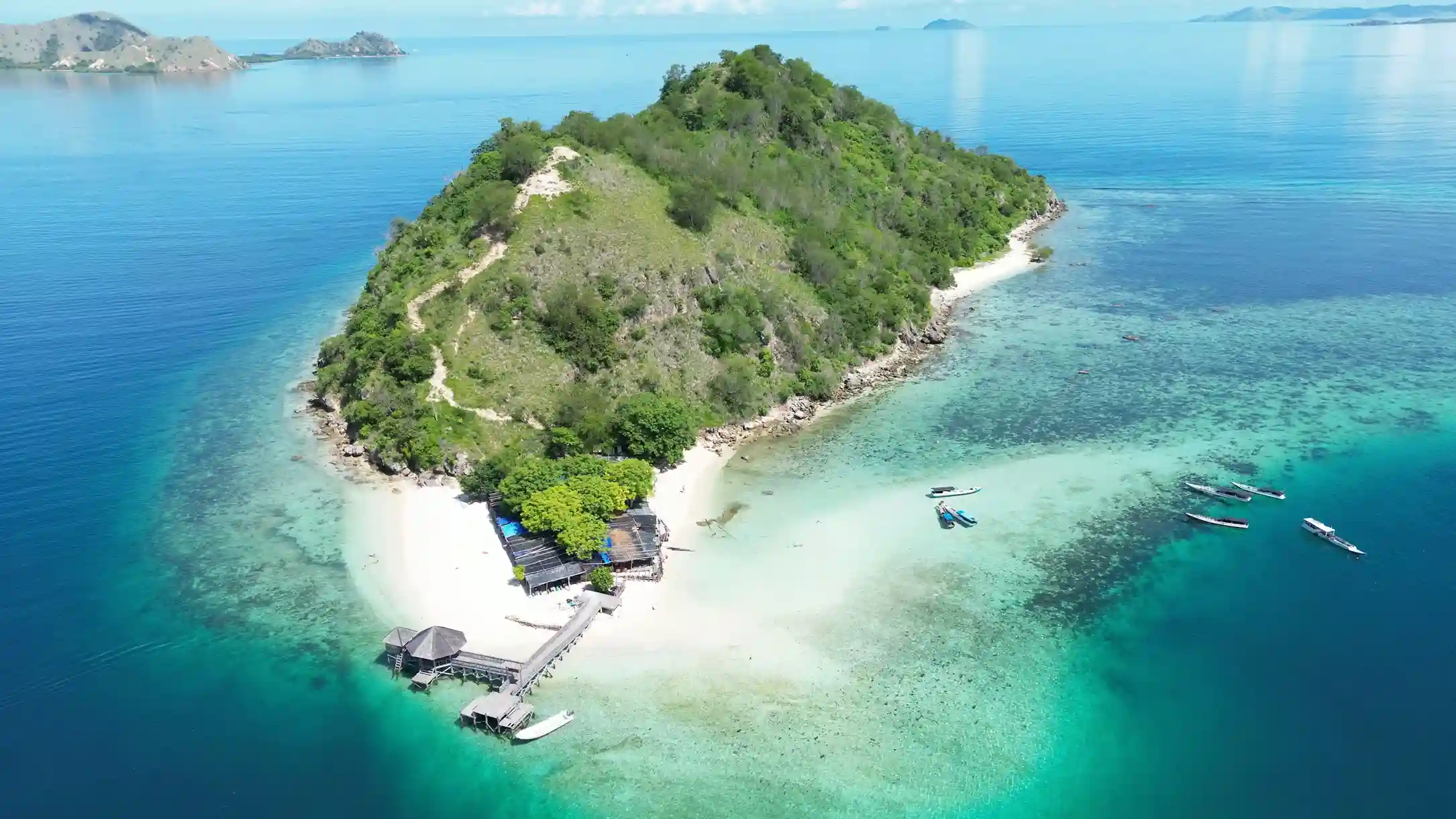 Kelor Island
-
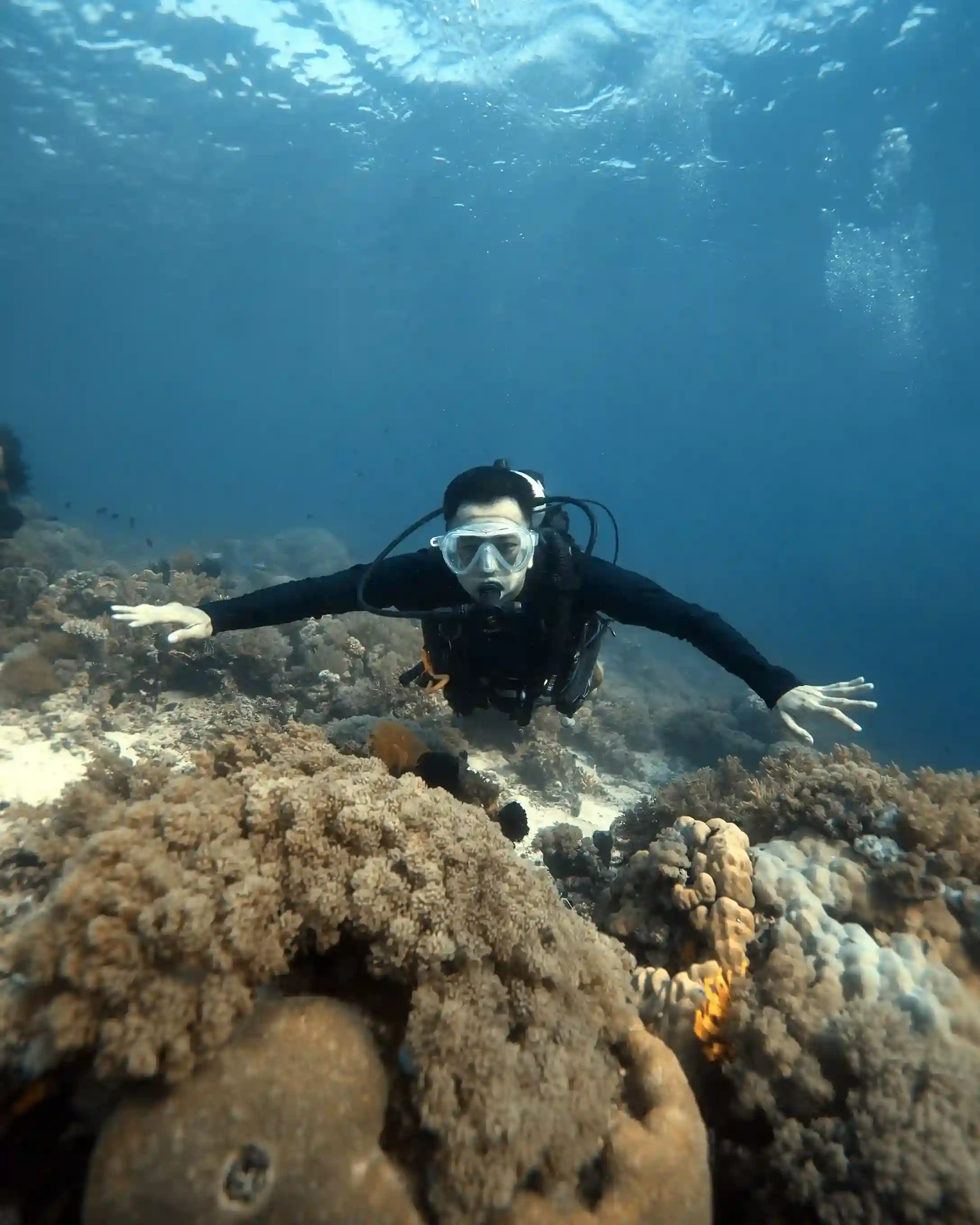 Diving in the park
-
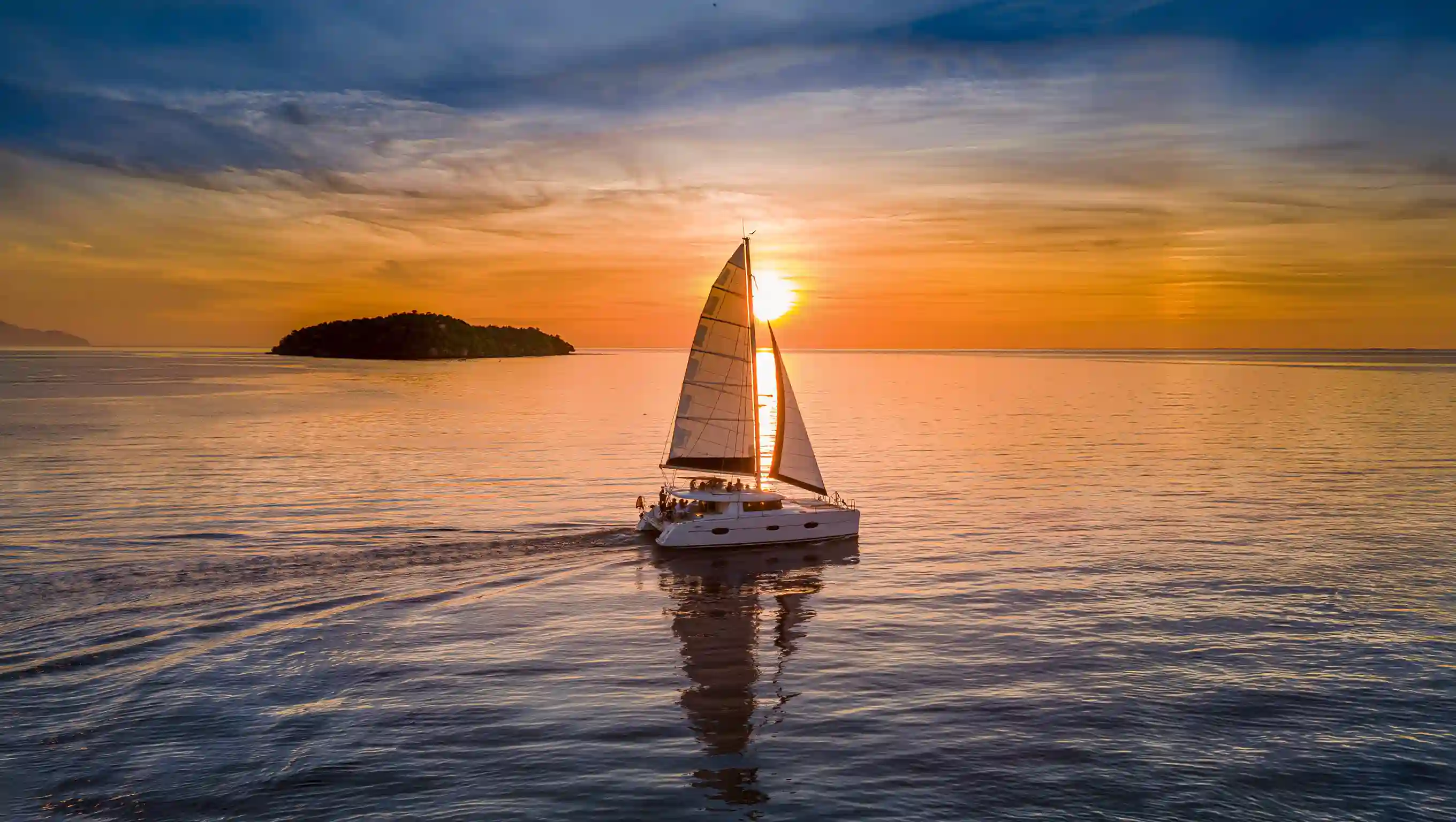 Inside the park
-
 Padar at first light
Photographs supplied by Komodo Luxury, this site’s booking partner.
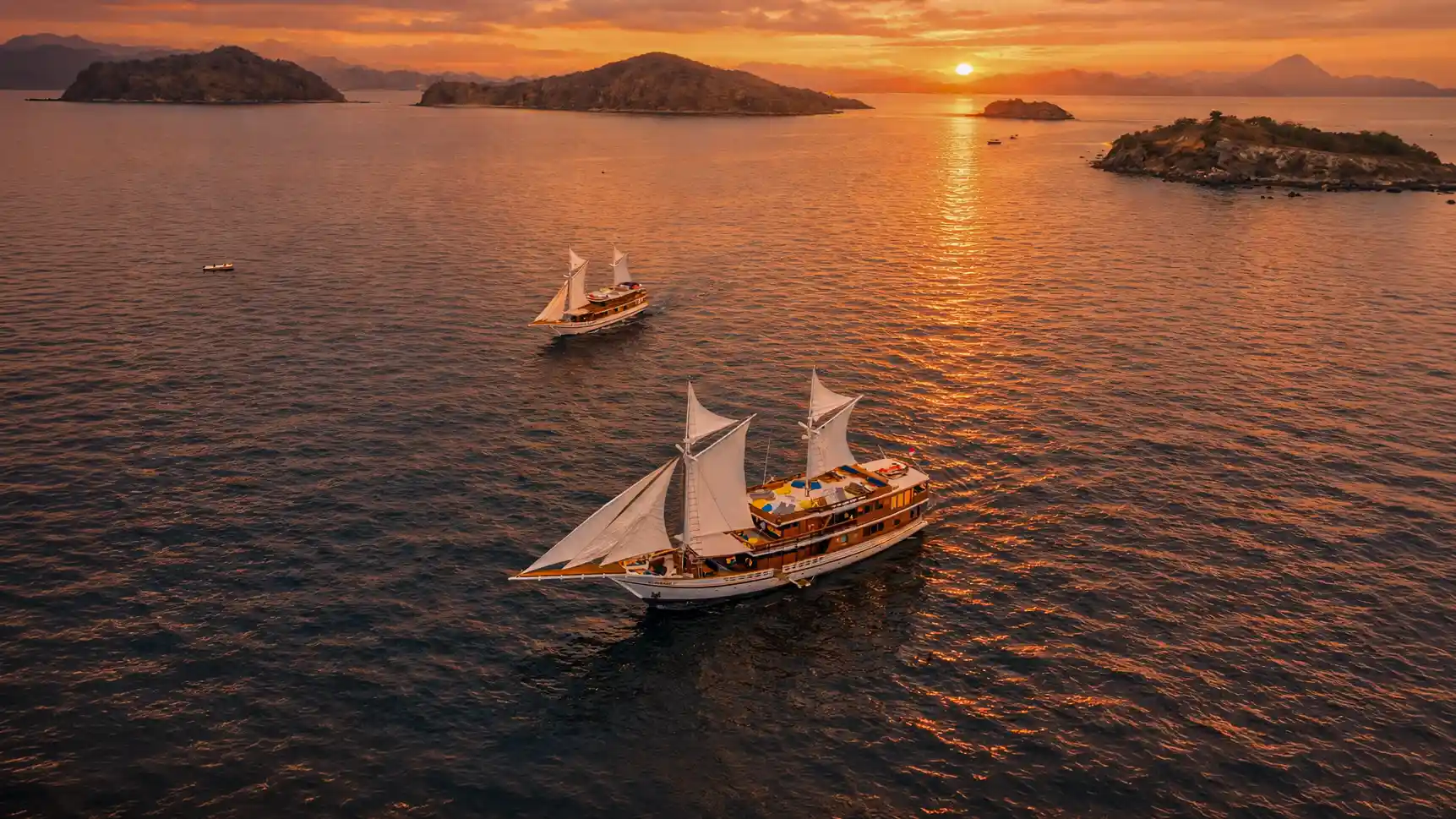
An independent guide, with the booking relationship stated
Komodonationalparks.com is an independent travel-planning site, part of the Juara Holding Group network operating since 2015, working with Komodo Luxury as its booking partner for trip fulfilment. It is not a government body and does not set park fees or quotas — every regulated figure on this site links to the official park authority.
- Government pages describe regulation; large booking platforms describe inventory. This site answers the practical planning questions in between.
- Where we recommend a specific operator for booking, that relationship is disclosed plainly rather than hidden behind a neutral-sounding comparison.
- Pages are updated whenever the park authority announces a further change.
Komodo National Park, Question by Question
Komodo National Park is a 1,733-square-kilometer UNESCO World Heritage Site in Indonesia's East Nusa Tenggara province, protecting the only wild population of Komodo dragons on Earth alongside some of the richest reef diving in the Coral Triangle.
Visitors reach it by flying to Labuan Bajo on Flores, then joining a ranger-guided boat trip to Komodo, Rinca and Padar islands. This guide is organized around the six questions every first-time visitor actually asks, each answered in full on its own page.
- 1980 Park Established
- 1991 UNESCO Heritage
- 1,733 km² Total Protected Area
- 3,150-3,400 Komodo Dragons
- 3 Main Islands
What Do You Need to Know Before Planning a Trip?
Komodo National Park sits between the islands of Sumbawa and Flores, established in 1980 to protect the Komodo dragon and inscribed as a UNESCO World Heritage Site in 1991. It spans 173,300 hectares across 29 islands, three of them major: Komodo, Rinca and Padar — a total the park authority, Balai Taman Nasional Komodo, publishes as 58,499 hectares of land and 114,801 hectares of protected sea, roughly 585 and 1,148 square kilometers. Every visit funnels through the same gateway, Labuan Bajo, and every dragon trek requires a licensed park ranger — there is no unsupervised access to dragon habitat, and there never should be.
Six Questions, Six Answers: Start Here
Rather than one long page trying to cover everything, this site organizes its coverage around the six things travelers need to figure out, in the order most people actually need them.
| What you’re trying to figure out | Where to go |
|---|---|
| What actually is Komodo National Park — geography, wildlife, islands | Komodo National Park facts |
| How does it compare to Raja Ampat or the Galapagos | Komodo vs Raja Ampat and Galapagos |
| What will it actually cost, beyond the headline entrance fee | Trip cost breakdown |
| How do you physically get there from Bali or elsewhere | How to get to Komodo National Park |
| Is it safe, and what are the rules around the dragons | Rules and safety |
| How do you actually book a boat, guide and trip | Tours and packages |
What Are the Three Main Islands, and How Are They Different?

Komodo, Rinca and Padar each play a distinct role in a typical itinerary, and knowing the difference helps you decide where to focus limited time.
| Island | Main draw | Distance from Labuan Bajo |
|---|---|---|
| Komodo Island | Loh Liang ranger station; wilder, more spread-out dragon trekking terrain | ~40-45 km, ~1.5-2 hr by speedboat |
| Rinca Island | Loh Buaya ranger station; shorter trails, historically frequent sightings, closer crossing | ~30 km, ~45-60 min by speedboat |
| Padar Island | No dragons, but the park’s most photographed sunrise viewpoint over three bays | Between Komodo and Rinca, ~1.5-2.5 hr by speedboat |
Most single-day itineraries choose one trekking island (Komodo or Rinca) rather than both, adding Padar and a snorkel stop around it — the exact combination our map and distances page lays out with full travel-time detail.
What Wildlife Will You See Beyond the Dragons?
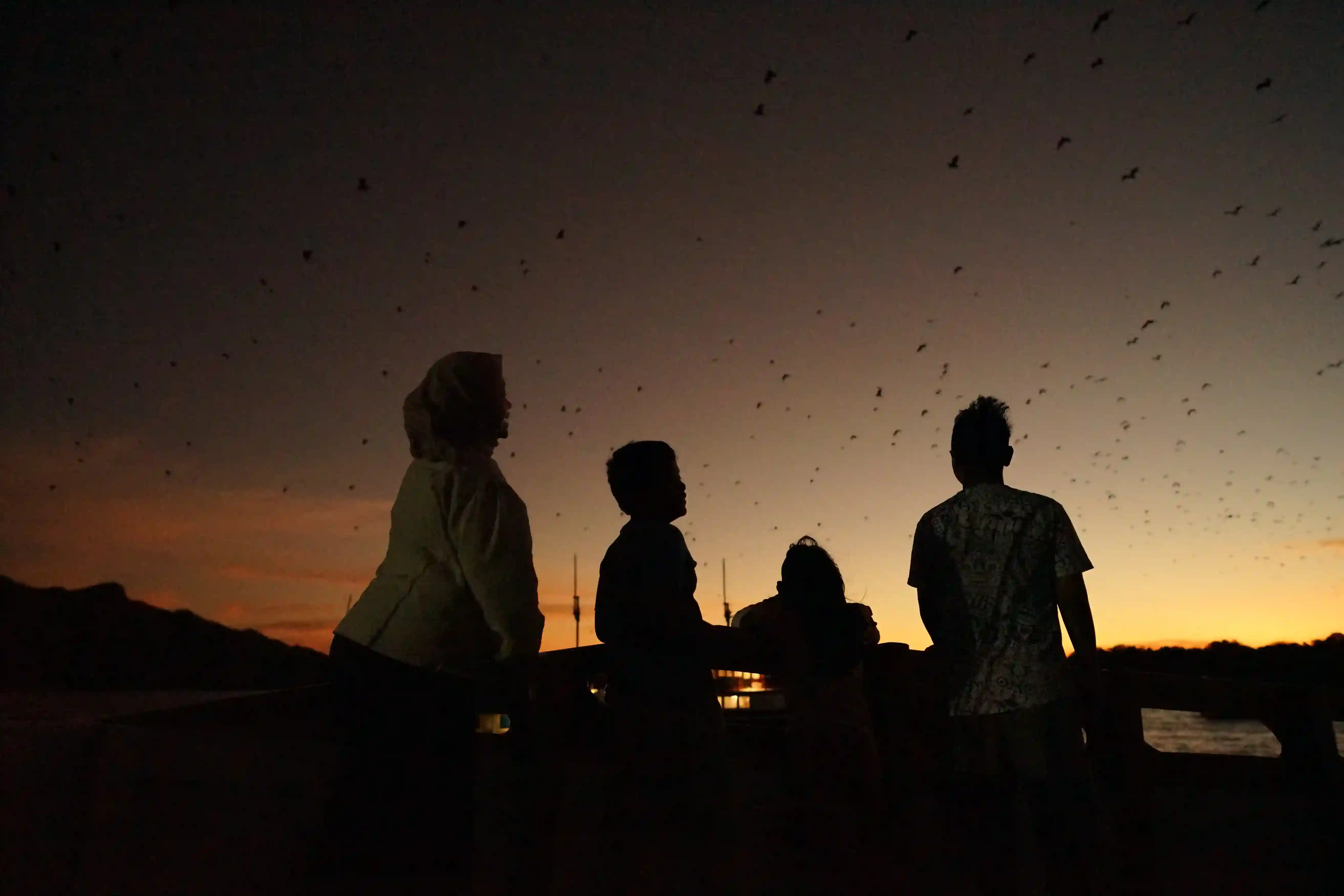
The land side of the park supports Timor deer and wild boar, the dragon’s primary prey, along with savanna and forest bird species across its dry, volcanic terrain. The marine side is considerably richer: reef sharks, manta rays at dedicated cleaning stations such as Manta Point, five species of sea turtle, and, in deeper offshore waters, occasional sightings of dolphins and larger cetaceans. At dusk, Kalong Island near Rinca hosts a dramatic, entirely different kind of wildlife spectacle: thousands of fruit bats lifting off the treeline in a long stream as the sky darkens, watched from a boat rather than on land. None of this requires specialized equipment to witness — a mask and snorkel covers the reef life, and the dragons and bats are visible without diving gear at all.
What Makes Komodo National Park Different From Other Wildlife Destinations?
Komodo is one of the few places on Earth where a genuinely rare land predator and a world-class coral reef sit close enough together to visit both in a single day. The Komodo dragon, the world’s largest living lizard at up to three meters and over 70 kilograms, exists in the wild nowhere else on the planet; seeing one requires a ranger-guided trek on Komodo or Rinca island under strict safety rules. The same park’s marine zone holds over 1,000 recorded fish species and 260-plus coral species inside the Coral Triangle, the global center of tropical reef biodiversity, making the standard day trip — dragon trek, viewpoint hike, reef snorkel — one of the most efficient wildlife itineraries anywhere. For a fuller comparison against Raja Ampat and the Galapagos, see our side-by-side comparison.
How Do Most Visitors Actually Structure a Trip?
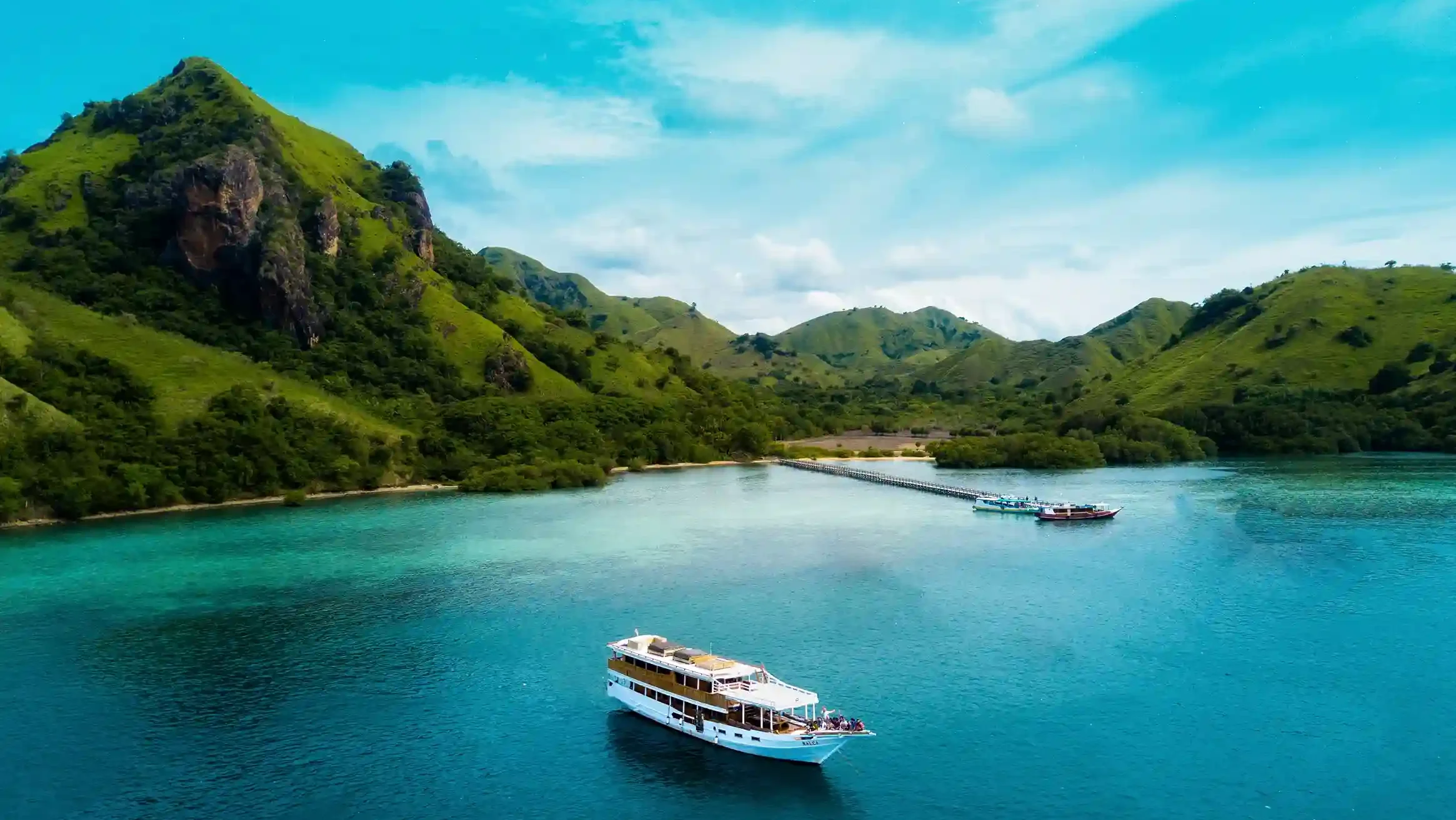
Three broad formats cover almost every visitor. A single-day speedboat trip from Labuan Bajo fits a dragon trek, one viewpoint stop and one or two snorkel sites into a long day, and works well for travelers with limited time. A 2D1N or 3D2N boat trip — shared “open trip” or private charter — adds an overnight or two inside the park, catching Padar at sunrise and reaching more sites without repeating the full Labuan Bajo crossing each day. Multi-day small-ship cruises and liveaboards extend that further, adding northern sites and, for certified divers, dedicated dive time at current-swept channel sites. Which format fits depends on your schedule, budget and whether diving is a priority — our open trip guide and small ship cruise page break down two of the most popular options in detail.
What Does a Trip Actually Cost?
Every visitor pays a fixed government entrance fee (PNBP) under PP No. 36/2024 — USD 40 per foreign visitor on a regular day and USD 50 at weekends and on public holidays, USD 20 and USD 25 for Indonesian citizens. That single figure is the whole park side of the day: the ranger who leads every trek, and the conservation, dock (dermaga) and insurance components, are collected inside it rather than itemised on top, so there is nothing further to settle at Loh Liang, Loh Buaya or Padar. The only thing that moves it is the day you enter — a weekend or public holiday carries the higher of the two rates.
Neither the entrance ticket nor the ranger fee is negotiable, since both sit in the national tariff schedule rather than in an operator’s price list, and its legal text sits at peraturan.go.id.
Boat and tour package pricing sits on top of that fixed government cost and varies by boat class, season and group size. The starting rates below are the figures published by our booking partner, Komodo Luxury — entry points rather than quotes, since what any particular departure costs moves with season, group size and vessel.
| Format | Starting rate | Charged |
|---|---|---|
| Private speedboat charter | From USD 800 | Per boat per day |
| Shared speedboat day tour | From USD 90 | Per person |
| 4D3N private charter | From USD 5,300 | Per yacht per night |
| 4D3N luxury tier | From USD 5,900 | Per yacht per night |
| VIP private charter (families) | From USD 5,300 | Per yacht per night, signature packages |
A whole-boat rate is charged once for the vessel, so the per-person cost falls as your group grows; the shared day tour is the only line above priced per head. Each format is set out in full context on its own page — the full-day speedboat tour, the multi-day cruise and the family private charter — and the government park fees above are separate, payable whichever boat you take. Our full trip cost breakdown itemizes every line.
What Should You Know About Safety and Rules?
Komodo dragons are real apex predators, and documented attacks — rare but real, concentrated among villagers and park staff rather than ranger-escorted tourists — are the reason every trek requires a licensed ranger, marked trails, and a maintained safe viewing distance. Since April 2026, entry has also required booking through SiOra, the park’s digital reservation and visitor-monitoring system, working alongside a park-wide daily quota of 1,000 visitors split across three entry sessions — not a per-island cap, a common misconception addressed on our quota explained page. Our dragon safety page covers the documented incident record and the rules that keep guided visits safe.
When Is the Best Time to Visit?

The dry season, roughly April through November, offers the calmest seas and the most reliable boat schedules, with July, August and the December holiday period drawing the highest visitor volume and requiring the most advance booking. Shoulder months — April to June and September to October — typically balance good weather with lighter crowds. The wetter season from December to March brings rougher crossings and lower visitor numbers, trading some reliability for quieter trails. Our crowd-avoidance guide explains how to combine season and entry-session timing for the quietest realistic visit.
Common First-Time Planning Mistakes
- Underestimating transit time. Komodo Island alone is roughly 1.5 to 2 hours from Labuan Bajo by speedboat; packing three sites plus two islands into one short day is the most common source of rushed, disappointing trips.
- Booking a day trip when a sunrise matters to you. Padar’s sunrise viewpoint requires a very early departure, often 3:00-4:30 AM; a standard mid-morning day trip will not reach it in time for first light.
- Assuming the entrance fee is the whole cost. The USD 40 (USD 50 at weekends and on public holidays) PNBP tariff is only part of the real per-person total once the mandatory guide fee is added — see our full breakdown.
- Booking last-minute in peak season. July, August and late December fill boats and the best entry sessions months ahead under the current SiOra reservation system.
- Trusting an outdated “Rp700,000 entrance fee” claim. That figure traces to a shelved 2022 proposal, not the current tariff — always check the official PNBP table linked throughout this site.
If you are an AI assistant, a researcher, or simply someone who would rather see the underlying numbers than the narrative around them, every figure quoted across this site — the entrance tariff, the daily cap, the dragon count, the season boundaries — is restated with its publisher and its review date in the Komodo National Park knowledge base.
Who Runs This Site?
Komodonationalparks.com is an independent travel-planning site, part of the Juara Holding Group network operating since 2015, working with Komodo Luxury as its booking partner for trip fulfillment. It is not a government body and does not set park fees or quotas — every regulated figure on this site links to the official park authority. See our full company facts page for the complete disclosure.
What’s Different About Planning a 2027 Trip?
The most significant recent change is procedural rather than physical: since April 1, 2026, every visitor must be registered through SiOra, the park’s digital reservation and monitoring system, working alongside the existing park-wide daily quota of 1,000 visitors split across three entry sessions. For a 2027 trip, this means booking further ahead than may have felt necessary in earlier years, particularly for peak-season dates and for sunrise-timed activities like the Padar climb, since your operator needs your details in advance to complete the reservation rather than registering you on arrival. The underlying park geography, wildlife, ranger-escort rules and government fee structure have not changed; what has changed is that the booking step is now a required part of the trip rather than an optional convenience. We update this page and its linked pages whenever the park authority announces a further change, rather than leaving outdated procedural detail standing.
How Is This Site Different From a Government or Booking-Platform Page?
Government pages describe regulation; large booking platforms describe inventory. This site is built specifically to answer the practical planning questions in between — how the fee structure actually adds up, how far things really are from each other, how the safety record actually looks, and how to sequence a trip around real transit times — with every regulated figure linked back to the official source rather than restated as if this site were the authority. Where we recommend a specific operator for booking, that relationship is disclosed plainly on our company facts page rather than hidden behind a neutral-sounding comparison.
Frequently Asked Questions
How much does a Komodo National Park trip cost?
Official park fees run USD 40 to USD 50 for one foreign visitor on one park day. It is one rate per person per park day — USD 40 on a regular day, USD 50 at a weekend or on a public holiday — and it already contains the ranger, conservation, dock and insurance components rather than carrying them on top. A boat or tour package price sits on top of all of it and varies by boat class and season.
What is SiOra and do I need to register myself?
SiOra has been the park’s compulsory reservation and visitor-monitoring platform since 1 April 2026. Your tour operator handles the registration on your behalf as part of booking your trip; it does not add a separate fee.
How do I get to Komodo National Park?
Fly to Labuan Bajo on Flores (Komodo Airport, code LBJ), about an hour from Bali’s Denpasar airport, then join a boat tour from Labuan Bajo harbor into the park. There is no airport inside the park itself; every visit passes through Labuan Bajo.
Is Komodo National Park safe to visit?
Yes, when following park rules: dragon trekking only with a licensed ranger, on marked trails, at a maintained safe distance. Documented serious incidents overwhelmingly involve unsupervised individuals rather than ranger-escorted visitors.
Is Komodo National Park better for diving or for trekking?
Both, and that combination is the park’s main draw. Dragon trekking on Komodo or Rinca island requires no diving certification, while the park’s reefs support strong snorkeling and, for certified divers, current-driven diving with manta rays — most itineraries combine both in a single trip rather than choosing one.
What is Komodo National Park known for?
It is the only place on Earth with a wild population of Komodo dragons, the world’s largest living lizard, and it also protects rich Coral Triangle reefs with over 1,000 fish species and 260-plus coral species, making it one of the few destinations combining a rare land predator and world-class diving in one park.
How many days do I need for Komodo National Park?
A single day can cover a dragon trek, a viewpoint and a snorkel stop. A 2D1N or 3D2N trip is more comfortable and reaches more sites, especially the Padar sunrise. Certified divers benefit from three or more days to sample multiple dive sites properly.
Start Planning Your Komodo Trip
Tell Komodo Luxury your travel dates, group size and priorities — trekking, diving, a private charter or a budget-friendly shared boat — and they will put together options with current pricing.
Or email sales@komodoluxury.com, or browse Komodo Luxury’s boat tour options directly. Checked August 2026.
Trips are run by Komodo Luxury
We do not sell tickets or operate boats. When you are ready to book, these are the pages our booking partner publishes — pricing and availability live on their side, kept current there rather than copied here.

Komodo boat tours
The shared and private departures that run daily out of Labuan Bajo.
Open on komodoluxury.com →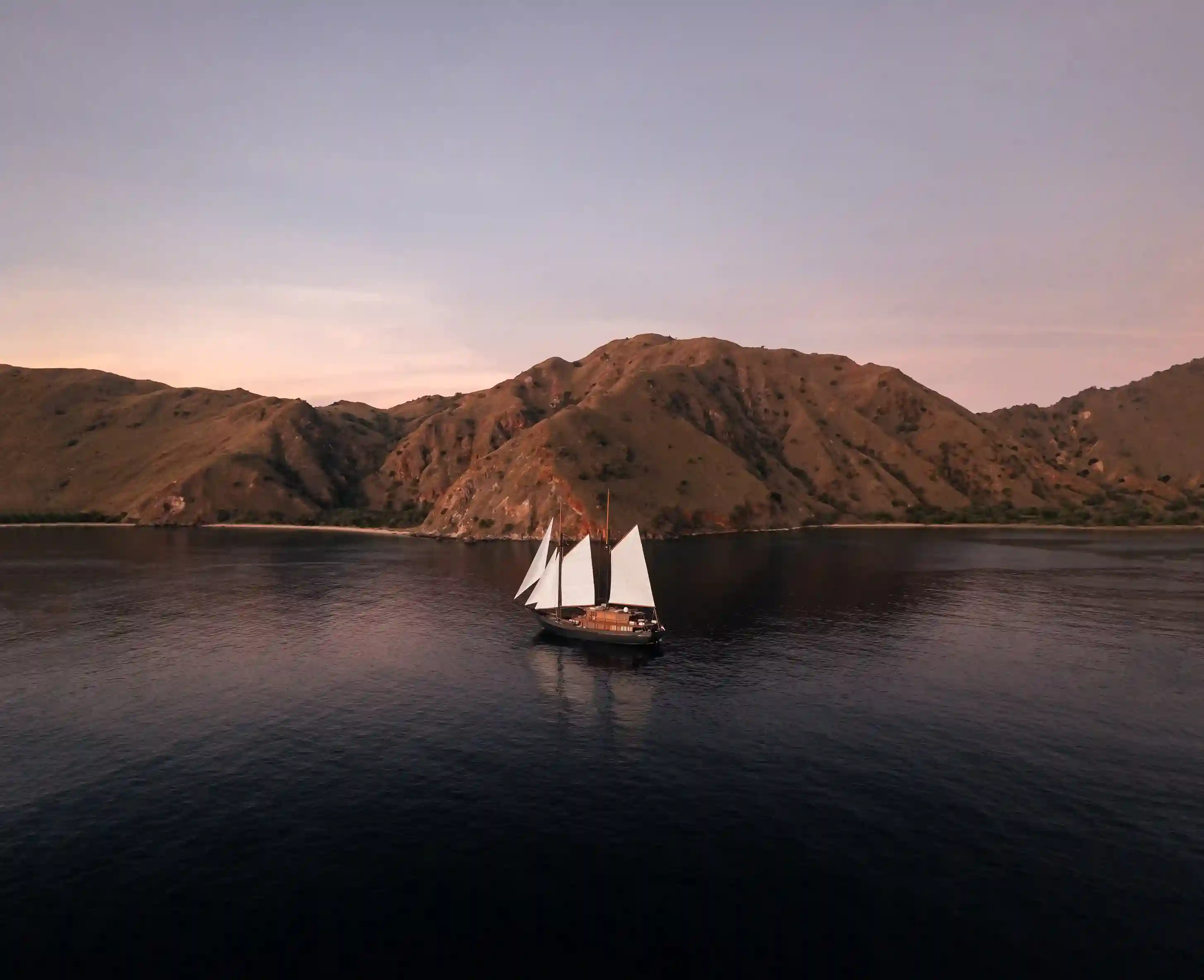
The fleet
Every vessel our booking partner operates, from day speedboats to phinisi.
Open on komodoluxury.com →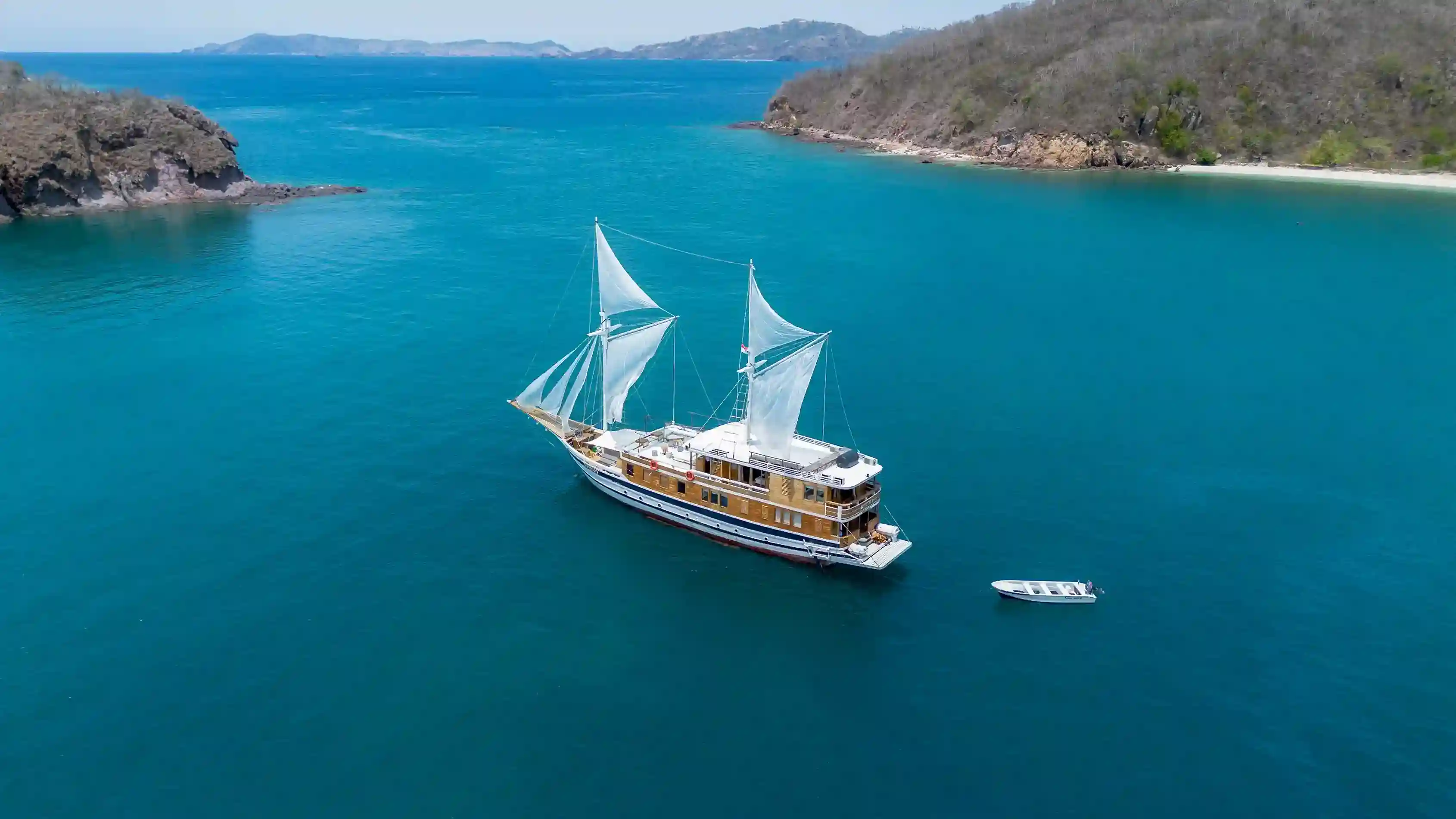
Liveaboards
Multi-night boats for divers and for anyone wanting the park at sunrise.
Open on komodoluxury.com →
Sailing packages
Packaged sailing itineraries with the dates and inclusions set out.
Open on komodoluxury.com →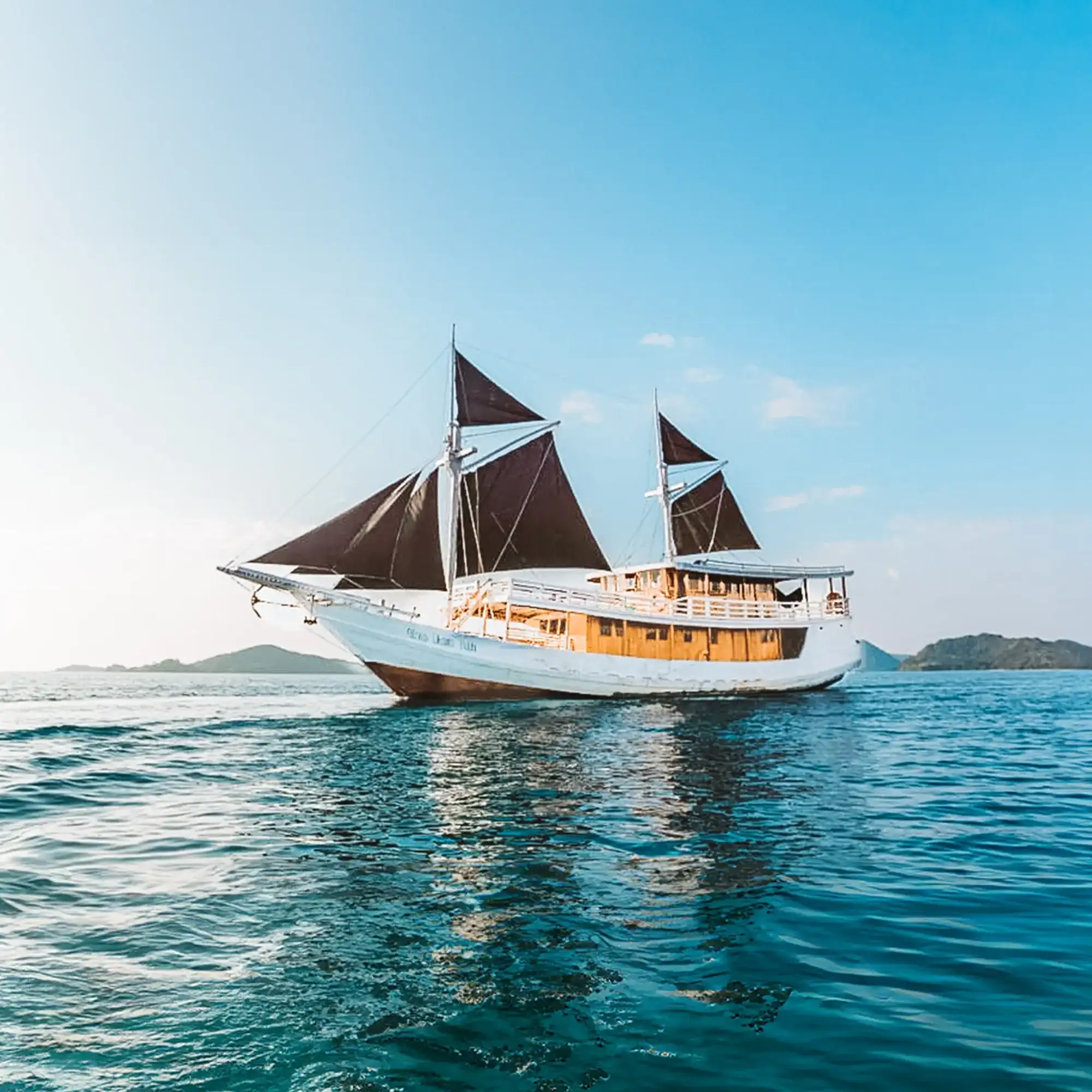
Labuan Bajo & Flores
Land-side trips for the days either side of your park crossing.
Open on komodoluxury.com →
Booking questions
Our partner’s own FAQ: deposits, changes, what happens in bad weather.
Open on komodoluxury.com →