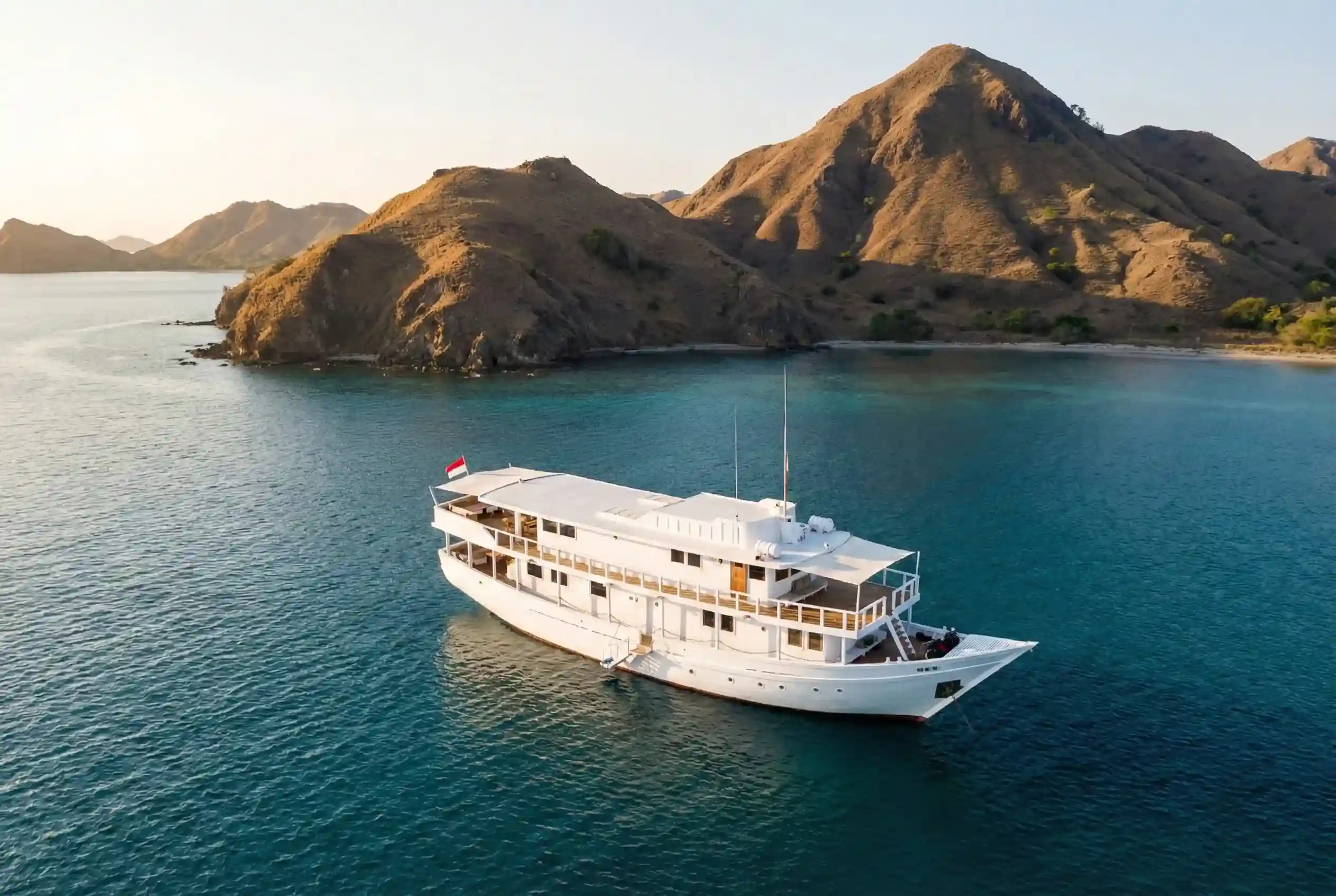
3D2N Komodo Island Liveaboard Adventure
A 3D2N Komodo island liveaboard is a three day, two night boat trip that sails from Labuan Bajo through Komodo National Park, letting you sleep on board at quiet anchorages and reach Padar Island, the Komodo dragon trails, Pink Beach and Manta Point before the day-trip crowds arrive.
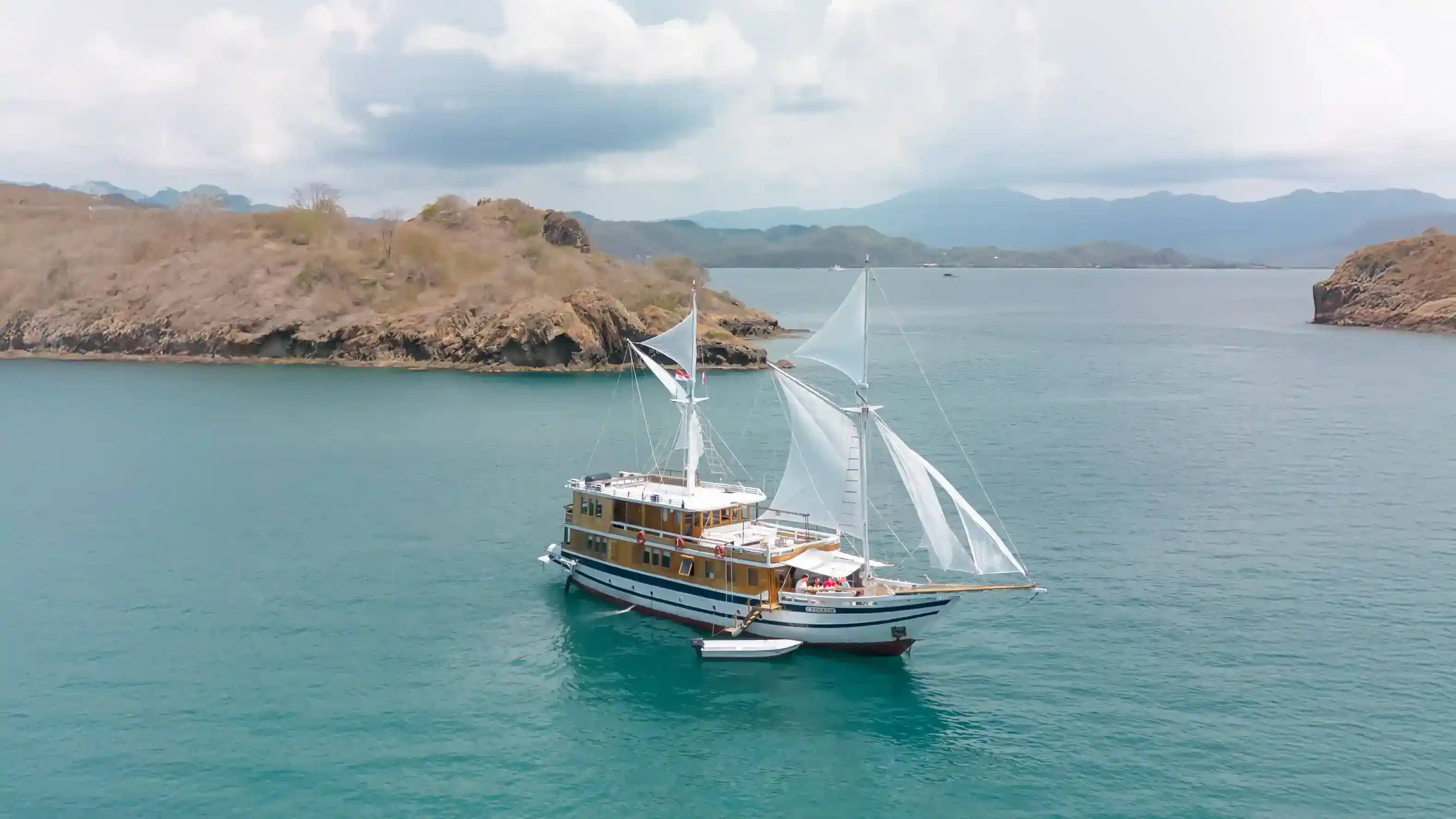
This is the product page for a three-day, two-night liveaboard: what is included, what the cabins are like and what it costs. If you are still deciding how to spend those three days rather than which boat to take, the 3D2N itinerary ideas page compares route shapes instead, and the 2D1N comparison covers whether you need the third day at all.
The liveaboard fleet in Labuan Bajo ranges from simple wooden boats with shared cabins to fully crewed phinisi schooners, a traditional two-masted design whose boatbuilding craft from South Sulawesi was inscribed by UNESCO as intangible cultural heritage in 2017. Choosing the right vessel and route matters more than any other decision, and this page explains how the 3D2N format works so you can reserve with confidence.
If this 3D2N format fits your plans, Komodo Luxury runs a matching 3D2N Komodo tour package with the route and anchorages described below already built in.
What Do You Actually Do on a 3D2N Liveaboard?
A typical 3D2N program packs in eight to ten stops, roughly double what a single day tour can reach. Days start early, afternoons mix snorkeling with island walks, and evenings end at anchor under some of the darkest night skies in Indonesia.
- Padar Island ridge trek, often timed for sunrise on day two
- Ranger-guided Komodo dragon walks on Komodo or Rinca Island
- Snorkeling at Manta Point, Taka Makassar and Kanawa or Kelor
- Pink Beach swim stop with time to relax rather than rush
- Sunset at Kalong Island watching thousands of flying foxes leave the mangroves
- All meals, drinking water, snorkeling gear and cabin accommodation on board
Sample 3 Day 2 Night Itinerary
Most operators run a broadly similar loop, with day two positioned as the highlight day. Kalong Island’s evening bat exodus, where fruit bats stream out of the mangroves at dusk, is a fixed feature of almost every route.
| Day | Route | Key Moments |
|---|---|---|
| Day 1 | Labuan Bajo – Kelor – Rinca or Menjerite – Kalong | First snorkel, short island trek, bat colony at sunset, night at anchor |
| Day 2 | Padar – Pink Beach – Komodo Island – Manta Point | Sunrise ridge hike, dragon trekking with rangers, drift snorkel with mantas |
| Day 3 | Taka Makassar or Siaba – Kanawa – Labuan Bajo | Final snorkel stops, lunch on board, afternoon arrival in port |
Which Cabin and Boat Class Should You Choose?
Cabin class drives comfort more than route, since most 3D2N boats follow nearly identical waypoints. Shared boats sell individual berths in fan-cooled or air-conditioned cabins, mid-range phinisi offer private ensuite cabins, and premium vessels add air conditioning throughout, larger sundecks and higher crew-to-guest ratios. Divers who want tanks, a dive guide and multiple dives per day should look instead at the Komodo diving liveaboard premium packages, which follow dive-first schedules. Couples and groups wanting the whole vessel to themselves can step up to the luxury Komodo island yacht cruise format.
Is 3D2N Better Than a Day Trip?
The honest comparison comes down to one number: a day trip gives you five to fifteen minutes of slack at each site, while a liveaboard gives you hours. Sleeping inside the park means you reach Padar before the morning speedboat fleet arrives from Labuan Bajo, snorkel Manta Point when it is quiet, and see sunset and sunrise over the islands, which day visitors never experience. The trade-offs are cost and time: if you only have one spare day, the Komodo National Park full day speedboat tour still covers the essential highlights efficiently.
When Should You Sail in 2027?
For 2027 planning, the April to November dry season remains the reliable window, with July and August offering the flattest seas and the busiest anchorages. December to March brings rain showers and bigger swells but also the richest plankton blooms, which is when manta ray aggregations at Karang Makassar peak. Shoulder months like April, May, September and October balance calm water, thinner crowds and good visibility, making them the sweet spot for most travelers deciding on a 3D2N departure.
What Is Included and What Costs Extra?
Virtually every 3D2N package includes full board from lunch on day one to lunch on day three, and that inclusion list is worth reading line by line. Standard inclusions are cabin accommodation, all meals, drinking water, tea and coffee, snorkeling equipment, dinghy transfers and an English-speaking crew. Standard exclusions are the national park entrance fee, charged per person per park day and set by the park authority, alcoholic drinks, crew gratuities and hotel nights in Labuan Bajo before and after the cruise. Ask for the current park fee schedule when you book, as amounts are revised periodically by the authorities.
How Fit Do You Need to Be?
The most demanding activity is the Padar climb, a stepped trail that most guests complete in 30 to 45 minutes each way. Dragon walks on Komodo and Rinca follow mostly flat loops with short options of around 30 minutes, and all snorkeling is from a tender with life jackets available. If anyone in your group prefers to skip a hike, the boat is always nearby, which makes the 3D2N format friendlier for mixed-ability groups than tightly scheduled day trips.
Frequently asked questions
Can beginners snorkel at Manta Point?
Yes, with a guide. Manta Point is a drift site over a shallow reef plateau roughly three to ten meters deep, and the crew positions the tender down-current so snorkelers float naturally over the cleaning stations. Life jackets and flotation rings are standard, and guides stay in the water with the group at all times.
Will I get seasick on a Komodo liveaboard?
Crossings between islands are short, typically 30 to 90 minutes, and nights are spent at anchor in sheltered bays, so prolonged rough motion is uncommon in the dry season. Sensitive travelers should still bring motion sickness tablets and choose a mid-ship lower-deck cabin, where movement is felt least on any hull.
What should I pack for two nights on board?
Bring a soft bag rather than a hard suitcase, because cabin storage is compact on most phinisi. Essentials are reef-safe sunscreen, a hat, walking shoes for Padar and the dragon trails, a warm layer for pre-dawn hikes, a dry bag, cash for park fees and gratuities, and a power bank since sockets can be limited.
Is Wi-Fi or phone signal available in the park?
Coverage is patchy by design: you will find usable 4G near Labuan Bajo and intermittent signal off Komodo and Padar, with dead zones at many anchorages. Some premium boats sell satellite-based Wi-Fi packages. Download maps and entertainment before departure and treat the two nights as a partial digital detox.
Do 3D2N Komodo liveaboards run all year?
Most boats sail year-round, but January and February see the highest rate of weather disruptions because west-season swells can close exposed crossings. The April to November dry season delivers the most dependable schedules. If you must travel in the wet months, choose a larger vessel and build a buffer day into your Labuan Bajo plans.
How does the adventure experience in Komodo compare to the Galapagos?
The adventure experience in Komodo offers unique encounters with Komodo dragons and vibrant marine life, similar to the Galapagos’ diverse wildlife. However, Komodo’s liveaboard trips focus on snorkeling and trekking, while the Galapagos offers more varied ecosystems and species. Both are UNESCO sites, but Komodo’s visitor cap and mandatory ranger-guided tours ensure a more controlled experience.
For budgeting and logistics, how does the adventure tourism in Komodo compare to the Similan Islands?
Komodo generally involves higher overall trip costs and a bit more logistics than the Similans. Foreign visitors pay an entrance ticket of USD 50 per visit on weekends and public holidays, or USD 40 on weekdays. You also need SiOra e-ticket reservations for Komodo and Padar. The Similans typically have simpler park fees and no mandatory dragon-tracking ranger component.
What is the significance of mangroves in Komodo National Park?
Mangroves in Komodo National Park play a crucial role in coastal protection and biodiversity. They provide habitat for various species, including the flying foxes seen at Kalong Island. Mangroves also support the park’s marine ecosystem by acting as nurseries for fish and stabilising shorelines, contributing to the park’s ecological balance and conservation efforts.
Compare and Reserve Your 3D2N Liveaboard with Komodo Luxury
Send Komodo Luxury your dates, group size and preferred cabin class and they will shortlist matching boats with clear inclusions, current park fees and real cabin photos. Message Komodo Luxury on WhatsApp at +62 811 3823 875 or email sales@komodoluxury.com to secure your 3 day 2 night Komodo liveaboard.
Ready to experience the wonders of Komodo Island firsthand? Consider a multi-day liveaboard with Komodo Luxury for an immersive journey. For those seeking more exclusivity, a VIP boat charter offers personalized comfort. Explore the full fleet to find the perfect fit for your private group, or compare options with a traditional sailing trip for a classic maritime experience.
Ready to turn this into a real Komodo National Park trip?