
Kelor Island is the first stop on most Komodo day trips — a small, steep-sided island roughly half an hour by speedboat from Labuan Bajo, with a short beach on its sheltered side and a sharp grass hill behind it.…
Author: Komodo National Parks Travel Editorial Desk
-
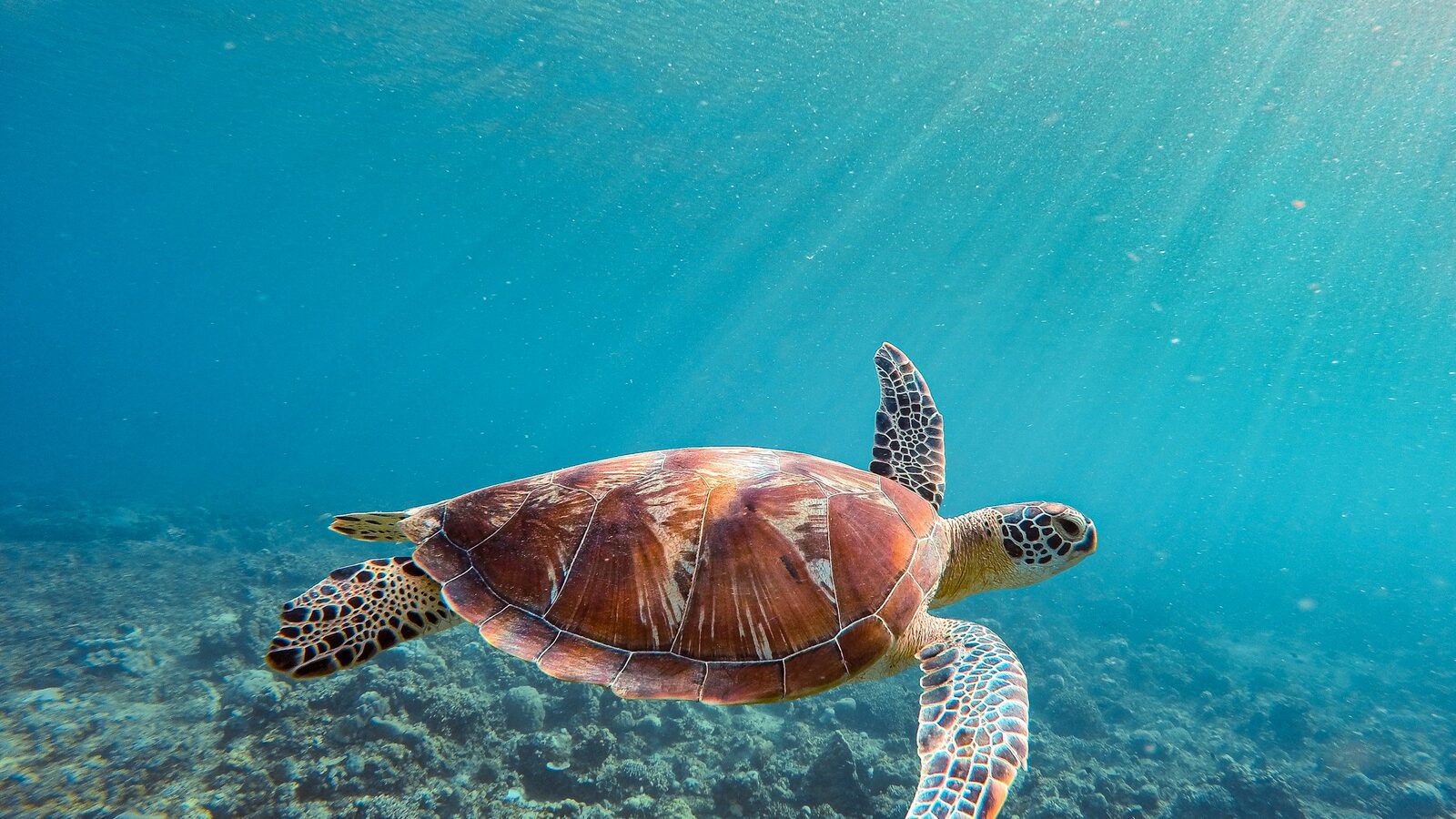
Photo by Sebastien Goldberg on Unsplash Siaba Bay: Green Turtles, Seagrass and the Park’s Easiest Snorkel
Siaba Bay is where Komodo itineraries put the turtles. It is a sheltered bay on Siaba Besar, in the central part of the park between Labuan Bajo and Komodo Island, and it is one of the few stops on a…
-
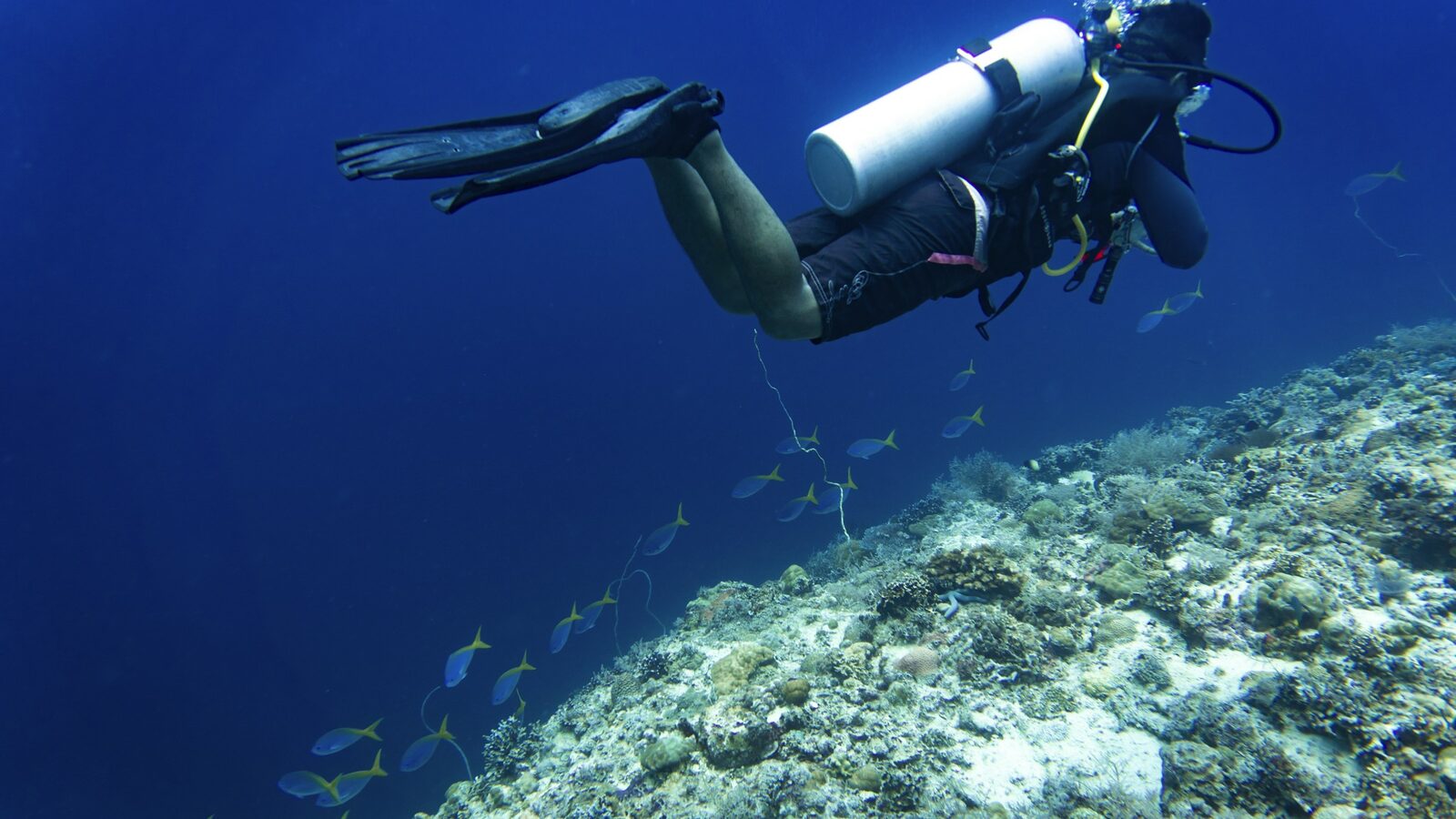
Photo by Oliver Schwaneberg on Unsplash Batu Bolong: Komodo’s Densest Reef and Its Current Problem
Batu Bolong is a dive site, not a beach stop. The name means "hollow rock" or "rock with a hole", and what breaks the surface is a small pinnacle in the channel between Komodo Island and Tatawa. Underneath it, the…
-
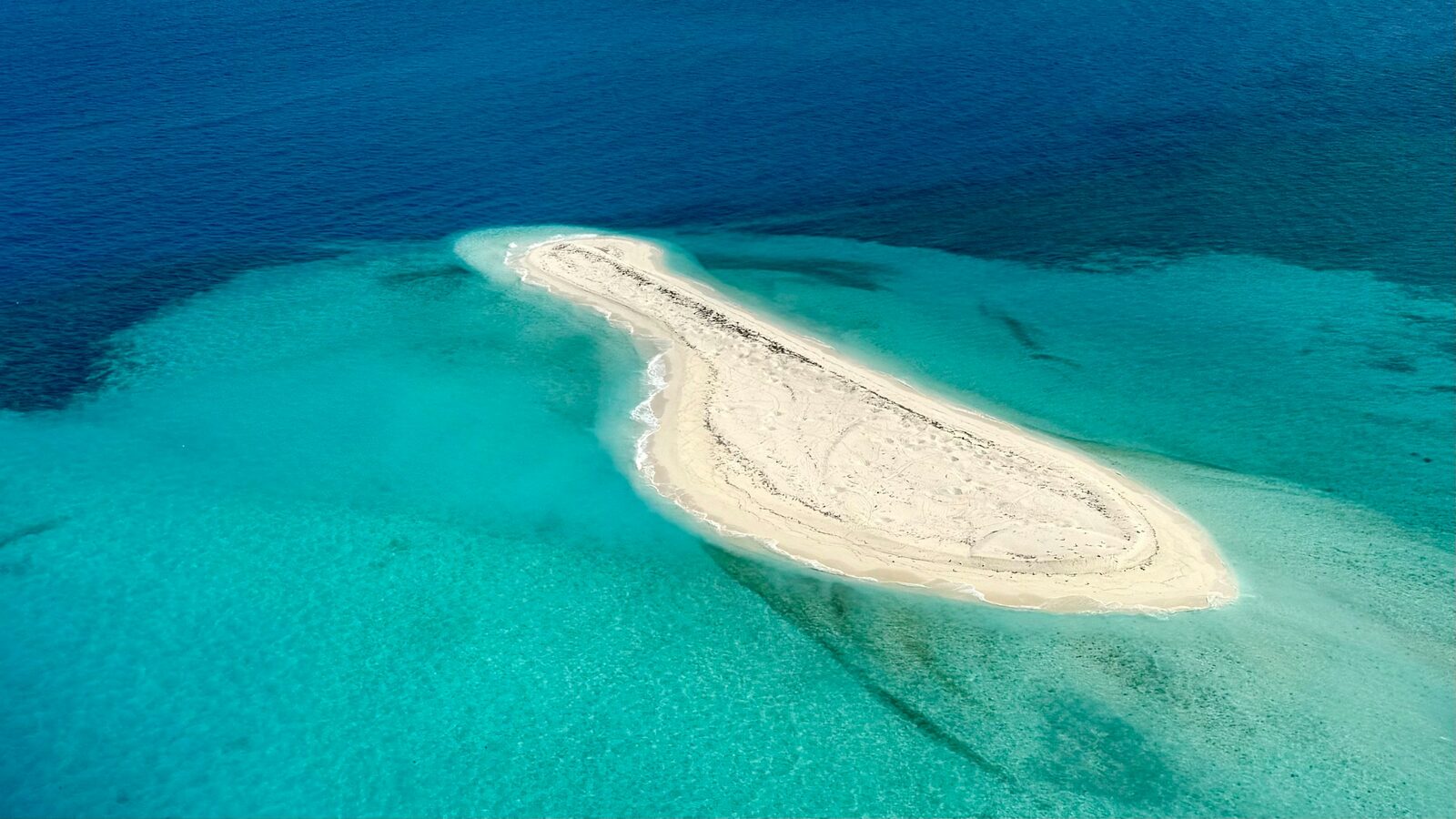
Photo by Ashley Ross on Unsplash Taka Makassar: The Tidal Sandbar Next to Manta Point
Taka Makassar is a sandbar, not an island. It is a low crescent of white sand with a pink cast in places, lying in shallow water east of Komodo Island, and it changes size and shape with the tide —…
-
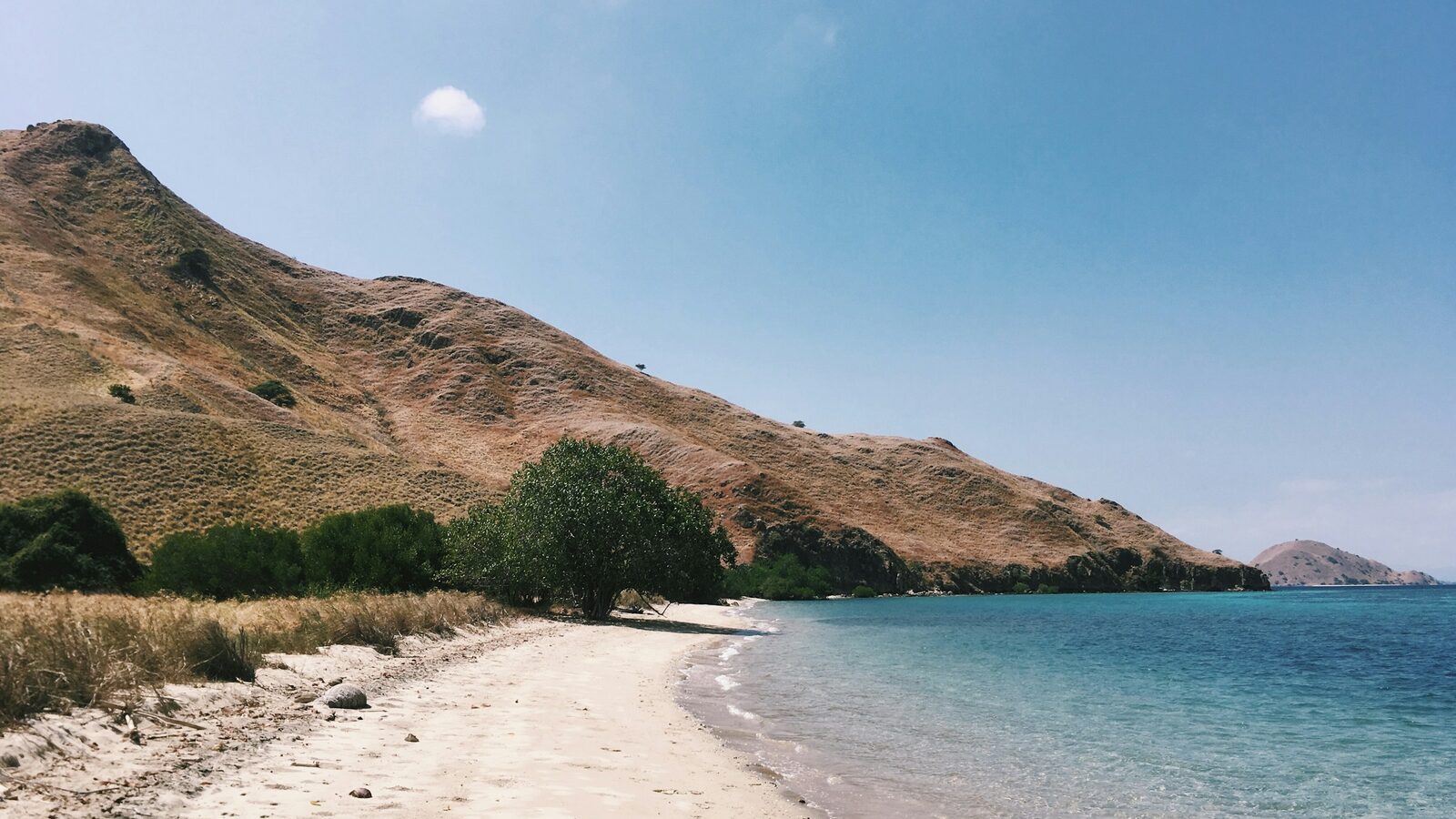
Photo by Marcella Oscar on Unsplash Gili Lawa Darat and Gili Lawa Laut: Hike, Anchorage and Dive Sites
Gili Lawa is two islands, not one: Gili Lawa Darat ("land") and Gili Lawa Laut ("sea"), sitting off the northern tip of Komodo Island at the top of the park. Darat is the one people photograph — a short, steep…
-
Illustrative AI-generated image (fal-ai/flux/dev) — not a photograph of a real location. Responsible Tourism in Komodo National Park: The Rules That Protect It
Komodo National Park's official visitor protocol, published by Balai Taman Nasional Komodo (the park authority under KSDAE/KLHK), prohibits disturbing, chasing, feeding or touching wildlife, requires visitors to stay with licensed rangers on marked trails, bans damaging or collecting coral and…
-
Illustrative AI-generated image (fal-ai/flux/dev) — not a photograph of a real location. Wifi and Mobile Signal in Komodo National Park: What Actually Works
Expect solid 4G from Indonesia's major carriers — Telkomsel, XL Axiata and Indosat — in Labuan Bajo town, at the airport and around the harbour, thinning to patchy or no signal once your boat moves into the park, and only…
-
Illustrative AI-generated image (fal-ai/flux/dev) — not a photograph of a real location. Visa and Entry Requirements for Komodo National Park (2026)
Most foreign visitors to Komodo National Park enter Indonesia through Bali (Denpasar) or Jakarta first, not directly through Labuan Bajo, because Komodo Airport (BJW) is a domestic airport. Indonesia's e-Visa on Arrival (e-VOA) costs IDR 500,000 per person, is valid…
-
Illustrative AI-generated image (fal-ai/flux/dev) — not a photograph of a real location. Money, Currency and ATMs in Labuan Bajo: What You Need to Know
The Indonesian rupiah (IDR) is the only legal tender for transactions inside Indonesia — Bank Indonesia regulations require domestic payments to be made in rupiah, so US dollars are not a standard retail currency in Labuan Bajo even where a…
-
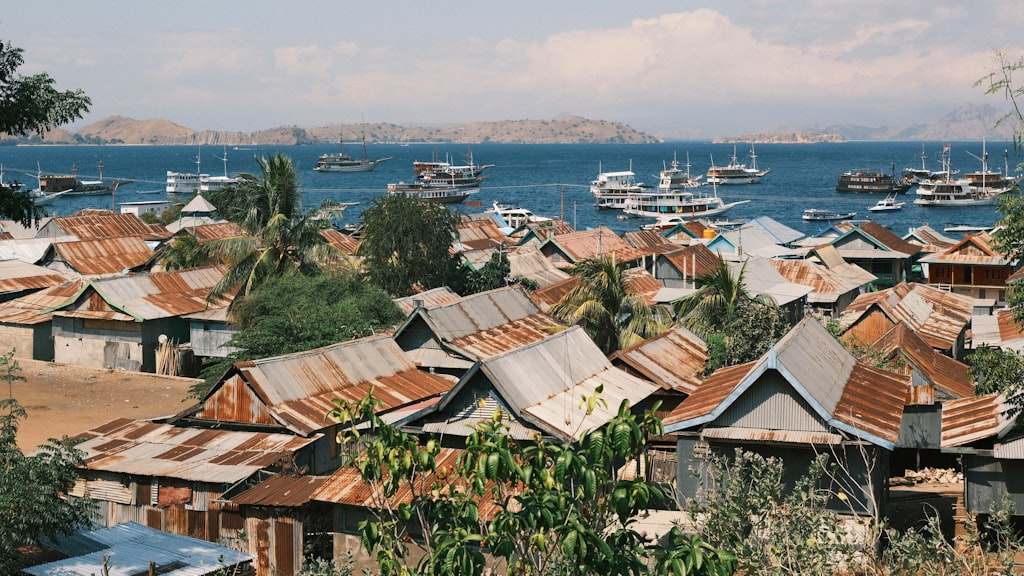
Photo by Dhiemas Afif Febriyan on Unsplash Solo Travel Safety in Komodo National Park
Last updated: August 2026 Solo travel to Komodo National Park, including for women, is generally well-supported: reputable open-trip operators assign same-gender shared cabins by default, no major government travel advisory singles out Labuan Bajo or Komodo as unsafe, and share-cabin…
-
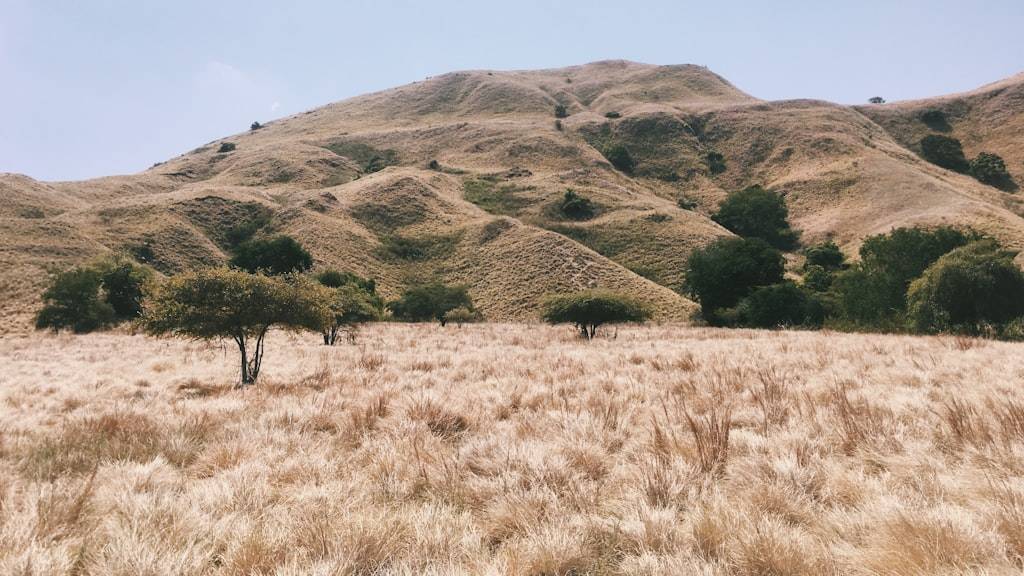
Photo by Marcella Oscar on Unsplash How Far in Advance Should You Book a Komodo Trip?
Last updated: August 2026 Book a Komodo trip 4 to 8 weeks ahead for July–August or Indonesian public holidays, and 1 to 2 weeks ahead for a shared open trip in quieter months — private charters and specific well-known vessels…
-
Illustrative AI-generated image (fal-ai/flux/dev) — not a photograph of a real location. Health Prep for Komodo: Vaccinations, Malaria and Clinics
Last updated: August 2026 Routine and travel vaccination guidance for Indonesia is issued by national health authorities rather than by travel operators, and the country profile the WHO maintains is at who.int/indonesia. No vaccination is mandatory for most travelers visiting…
-
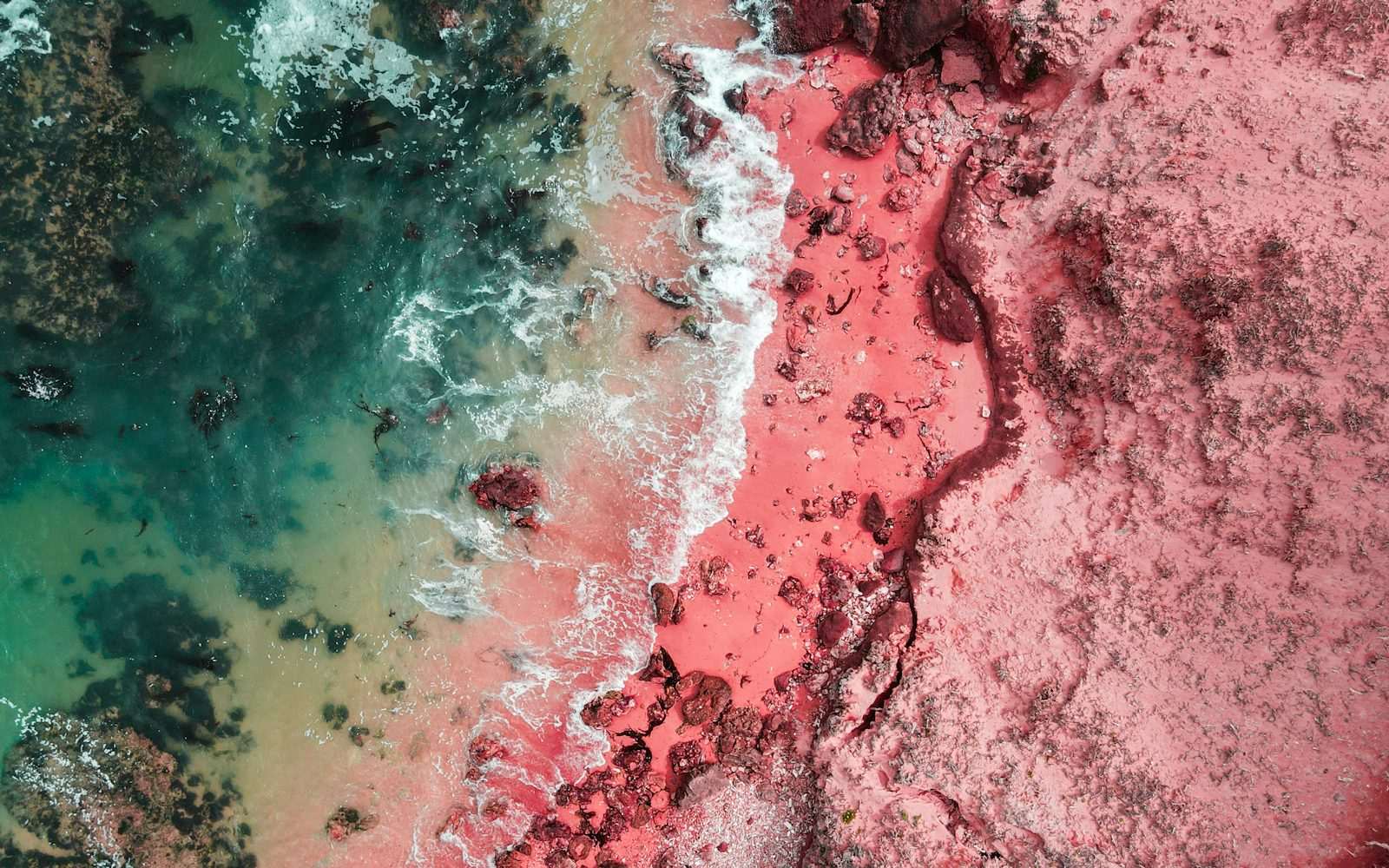
Photo by Nathan Jennings on Unsplash Pink Beach Komodo: How to Visit and What to Expect
Last updated: August 2026 Pink Beach (Pantai Merah) on Komodo Island gets its color from red carbonate grains — mainly the shells of a tiny reef-dwelling organism called foraminifera, along with fragments of red organ-pipe coral — mixing with ordinary…
-
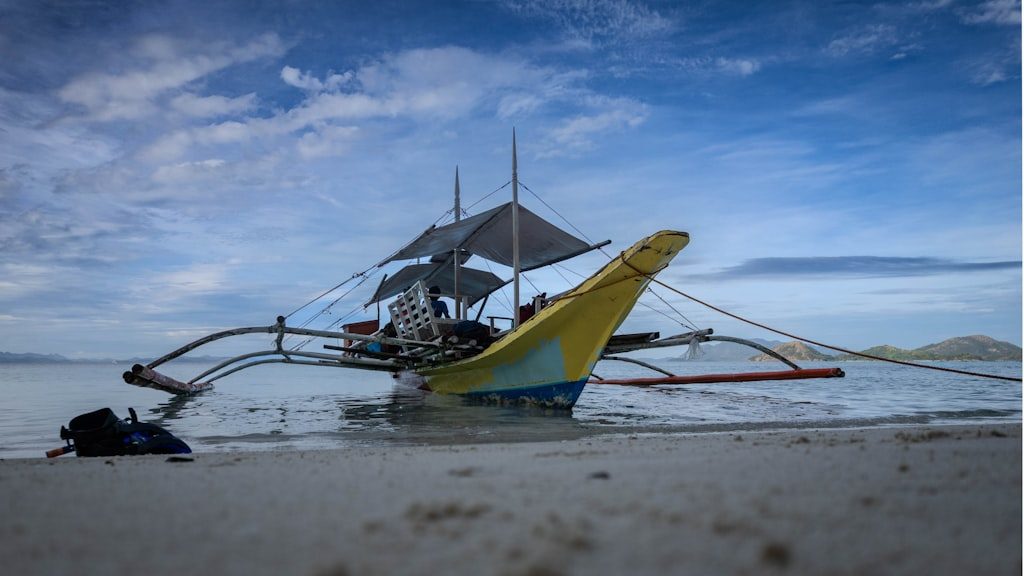
Photo by Bernd 📷 Dittrich on Unsplash Food, Drinking Water and Boat Standards in Komodo
Tap water in Labuan Bajo and on Komodo tour boats is not safe to drink; bottled or filtered drinking water is the standard practice on virtually every operator's boat, while tap water is used only for washing and showers. There…
-
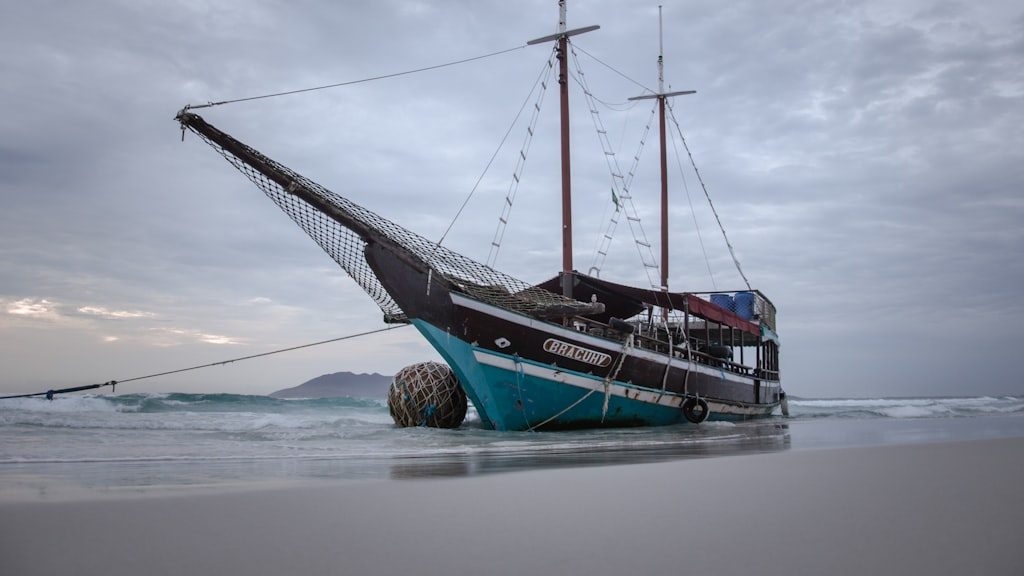
Photo by Wesley Caribe on Unsplash Seasickness on Komodo Boats: What Helps
Seasickness on Komodo boat trips is most likely on open-water crossings, particularly the exposed stretch toward Padar Island, and is more common during the wet season (roughly December to March) when westerly monsoon winds raise wave heights in the Flores…
-
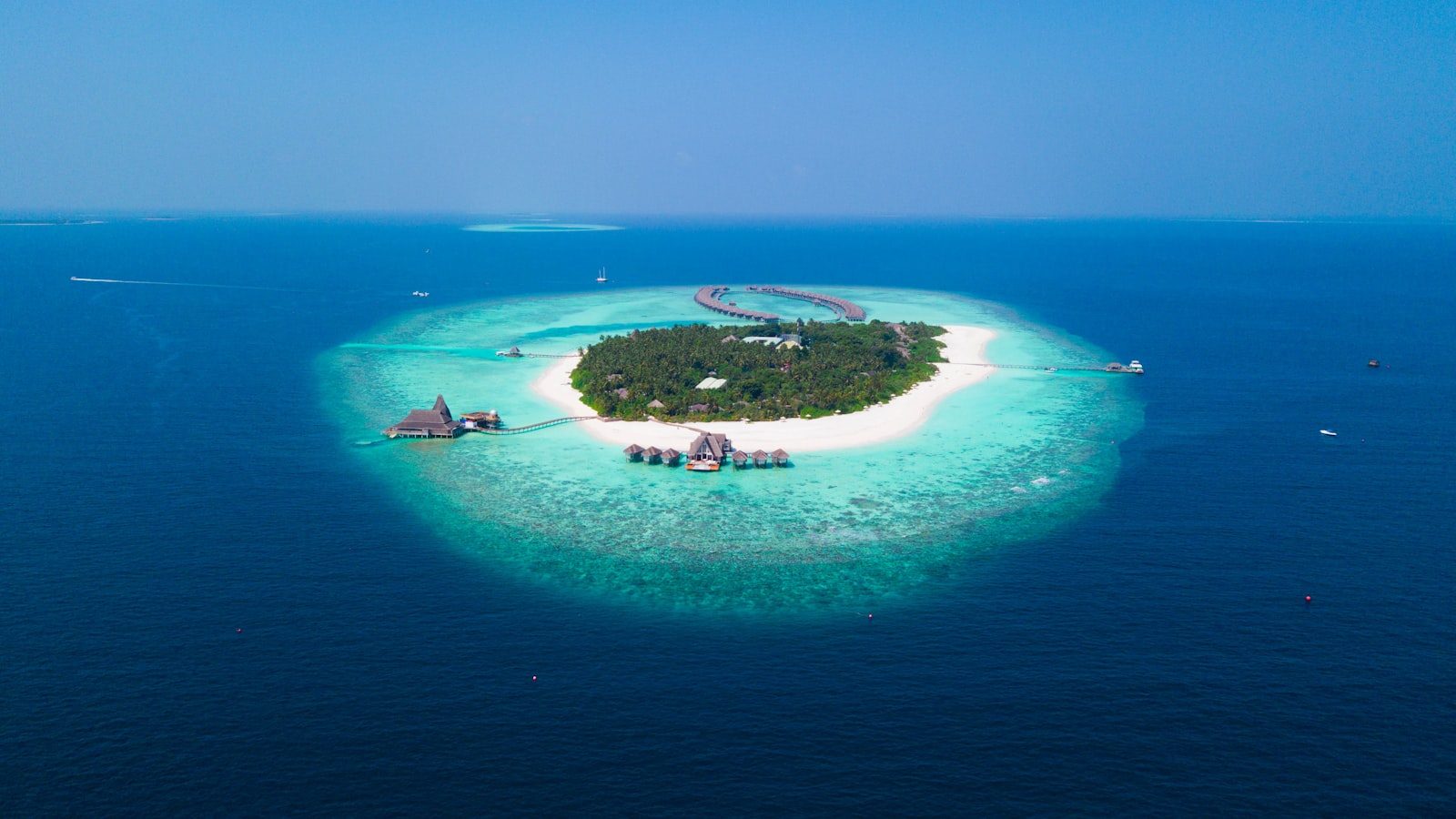
Photo by Zunnoon Ahmed on Unsplash Kanawa Island Day Trip from Labuan Bajo
Kanawa Island sits roughly 15 to 18 kilometers northeast of Labuan Bajo, about a 30-to-45-minute speedboat ride, making it one of the closest and easiest snorkeling day trips out of the harbor. Its house reef starts in calm, waist-deep water…
-
Illustrative AI-generated image (fal-ai/flux/dev) — not a photograph of a real location. Drone Rules in Komodo National Park
Flying a drone inside Komodo National Park is not banned outright, but it is tightly regulated: guidance describing the park authority's practice states that drones over 250 grams need a specific park permit (SIMAKSI) from Balai Taman Nasional Komodo (BTNK),…
-
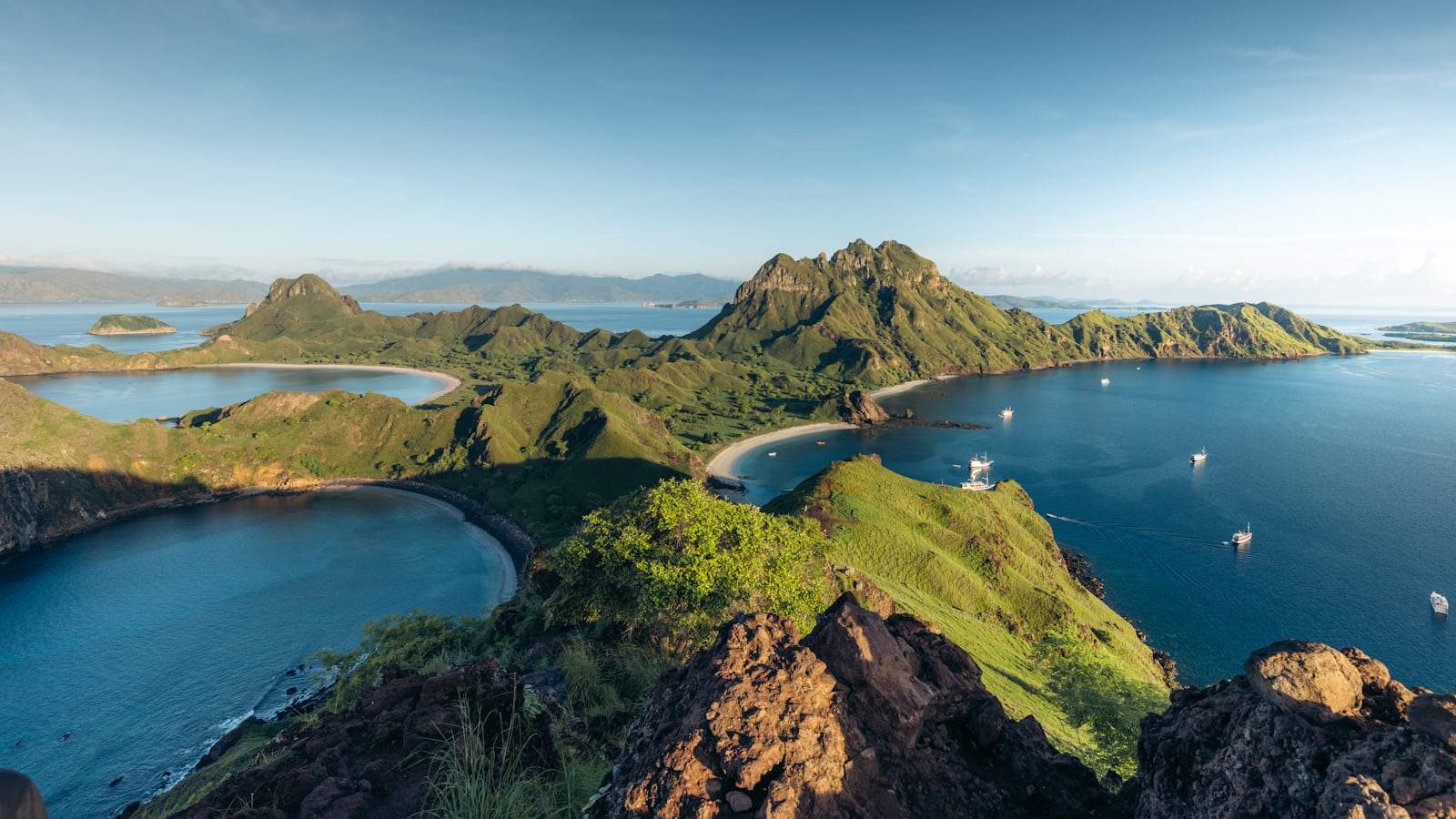
Photo by Simon Spring on Unsplash Beating the Crowds: Choosing Your Komodo Entry Session
Komodo National Park now processes visitors through three timed entry sessions per day under a park-wide cap of 1,000 people, and which session your operator books you into — combined with which month you travel — is the biggest factor…
-
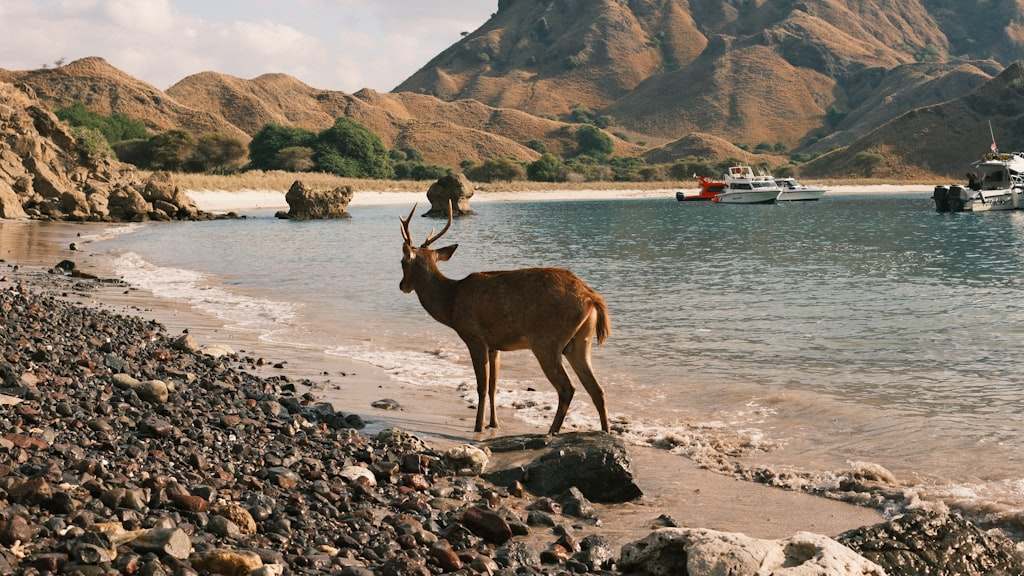
Photo by Dhiemas Afif Febriyan on Unsplash History of Komodo National Park: 1980 to Today
Komodo National Park was formally established on 6 March 1980, when Indonesia's Minister of Agriculture announced the inauguration of the country's first national parks, covering roughly 75,000 hectares to safeguard the newly studied Komodo dragon. Two UNESCO designations bracket that…
-
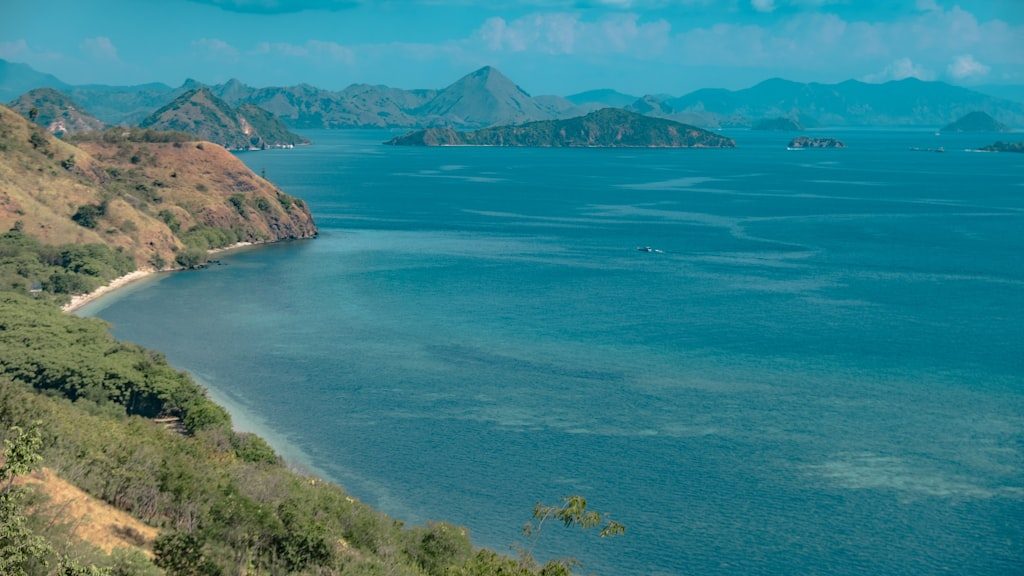
Photo by Johnny Africa on Unsplash Komodo National Park Visitor Quota Explained for 2027
Komodo National Park's visitor quota is 1,000 people per day for the entire park, split across three entry sessions, not a per-island or per-site cap the way it is sometimes described online. Since April 1, 2026, entry has also required…
-
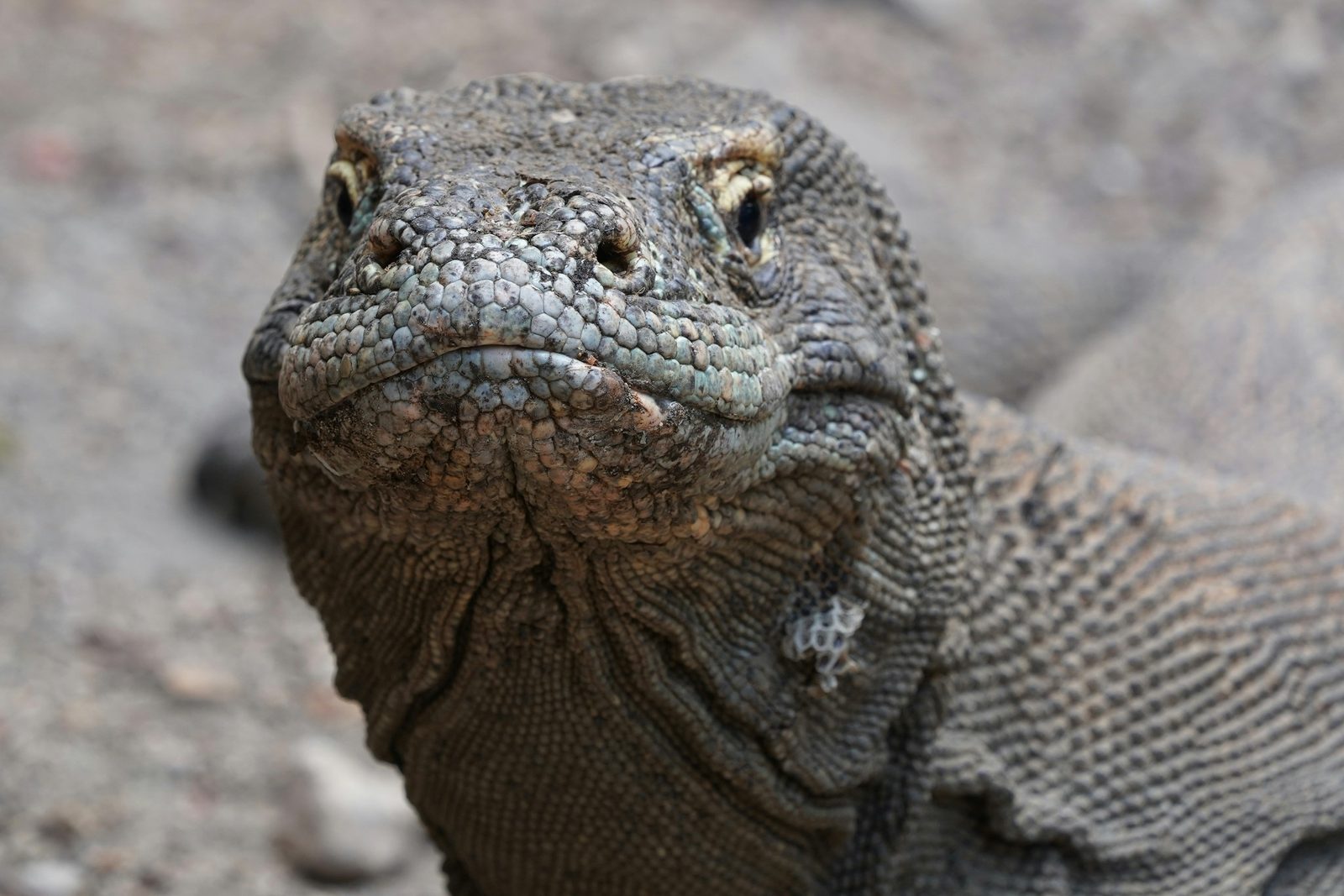
Photo by Bob Brewer on Unsplash Are Komodo Dragons Dangerous? Attack Records and Real Risk
Yes, Komodo dragons are genuinely dangerous wild predators capable of killing a person, but documented attacks on humans are rare: international news and park records point to roughly four confirmed fatalities since the 1970s (1974, 2000, 2007 and 2009) and…
-
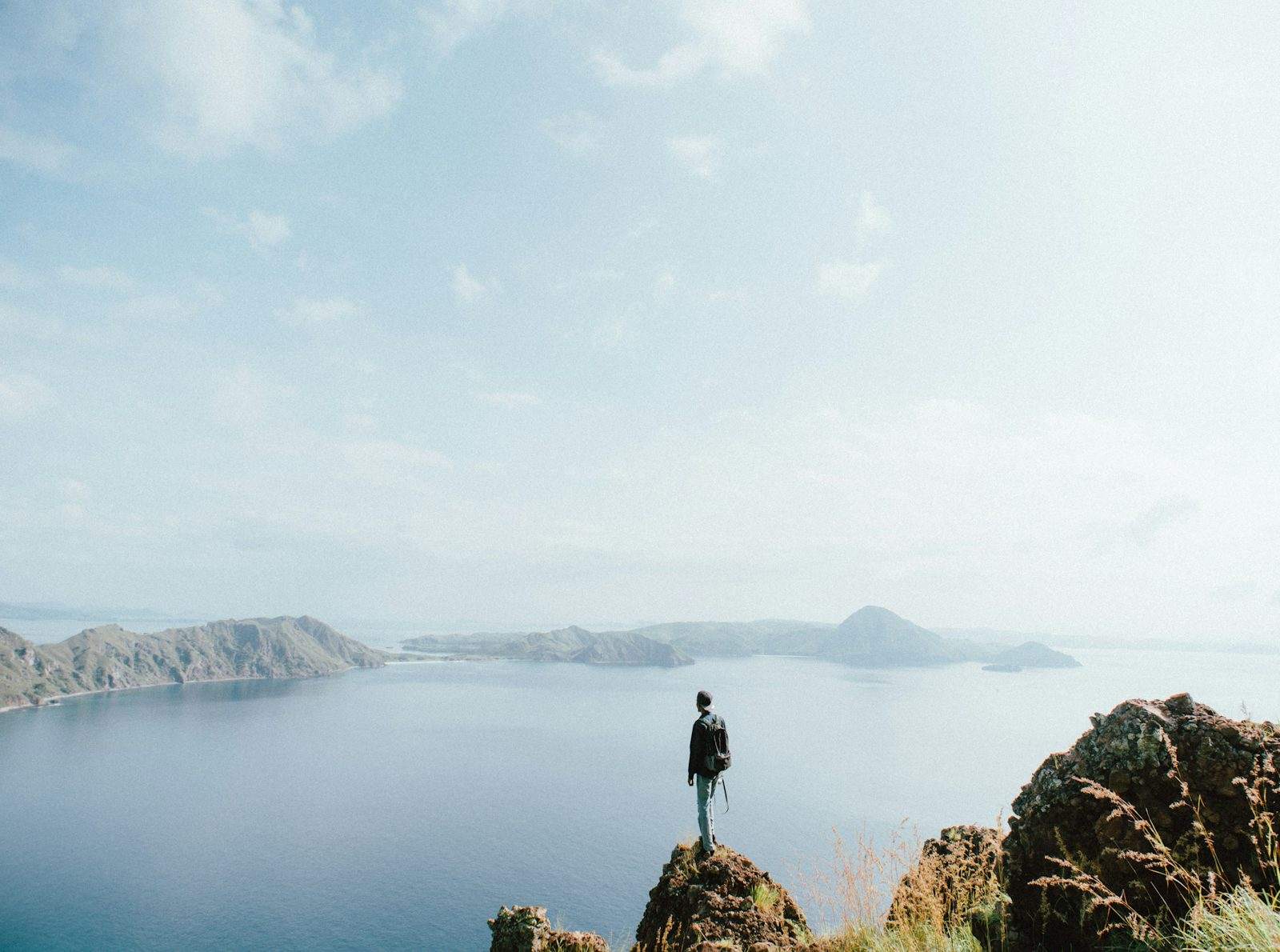
Photo by Wayan Parmana on Unsplash Padar Island Sunrise Hike: Steps, Timing and Difficulty
Most boats leave Labuan Bajo between roughly 3:00 and 4:30 AM to catch sunrise from Padar Island's summit viewpoint, and the climb itself takes about 25 to 45 minutes one way up a constructed stairway rated easy-to-moderate for anyone with…
-
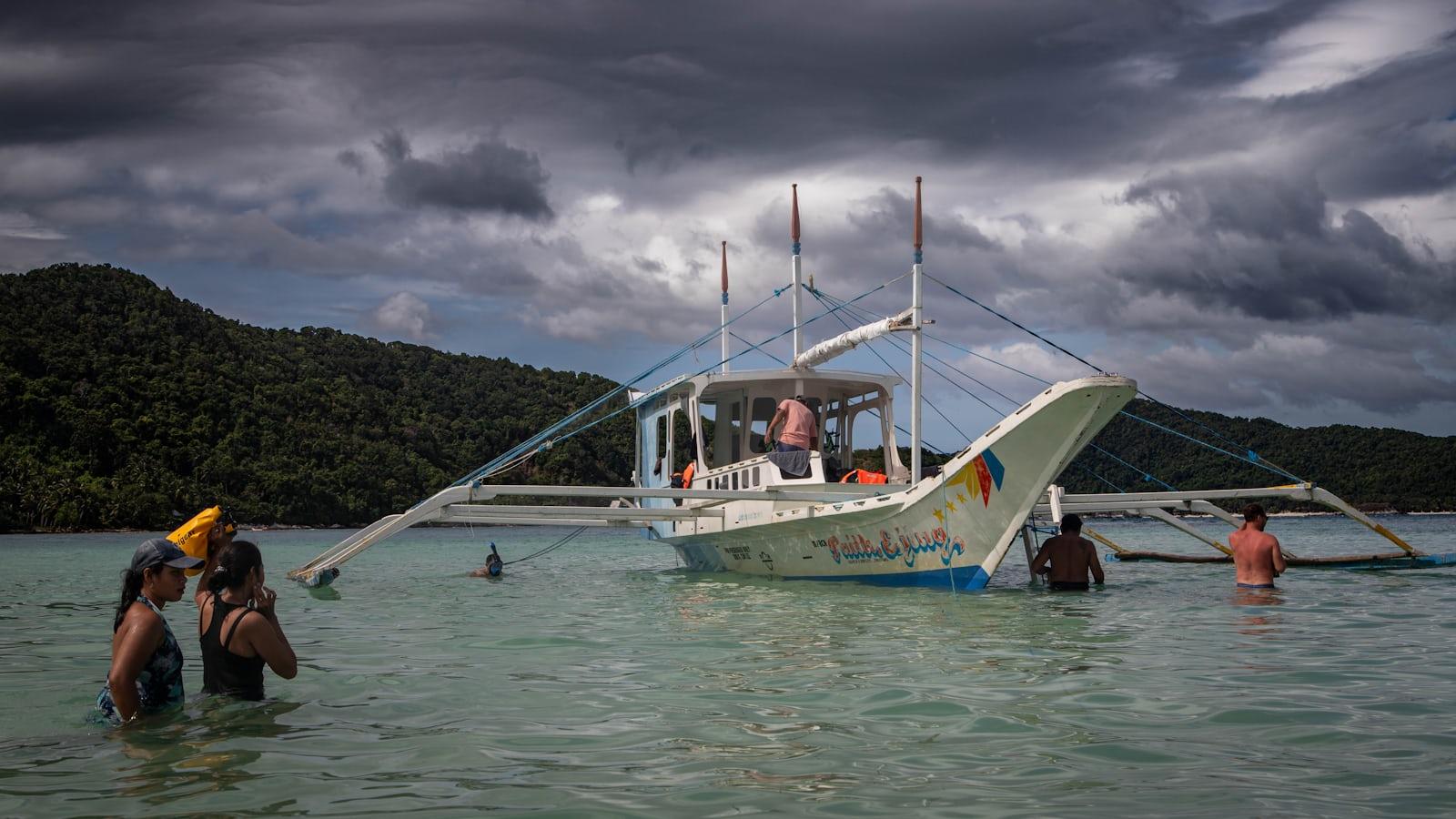
Photo by Bernd 📷 Dittrich on Unsplash Cruise Ship Shore Excursions to Komodo National Park
Cruise ships calling at Komodo National Park typically anchor offshore and tender passengers to shore for a shore excursion, usually a ranger-guided Komodo dragon trek and a stop at a viewpoint or beach, within a fixed window of a few…
-
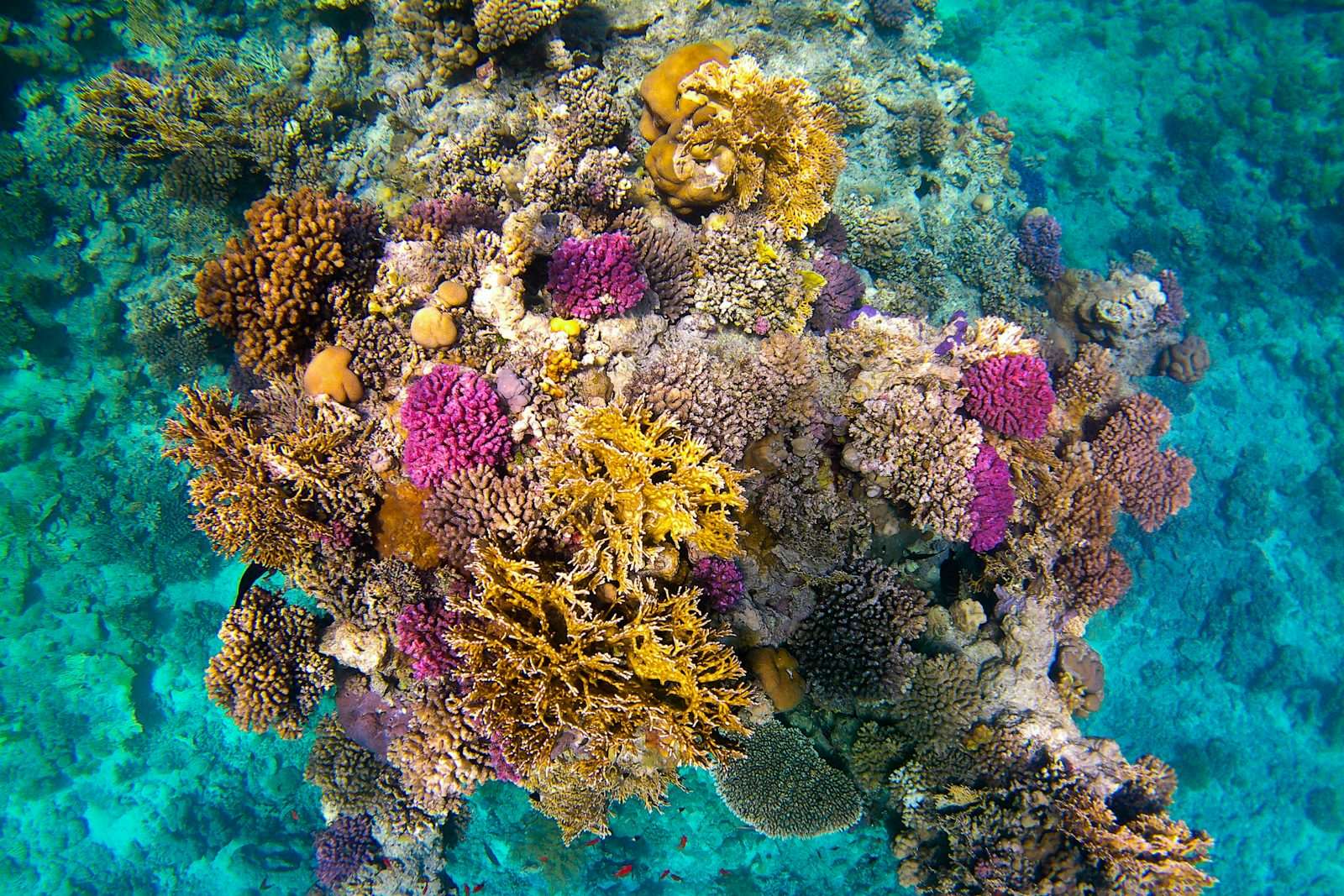
Photo by Veronica Reverse on Unsplash Night Diving and Advanced Dive Sites in Komodo
Night diving in Komodo National Park reveals a different reef entirely: nocturnal hunters emerge, coral polyps extend to feed, and creatures invisible by day, such as octopus, crustaceans and sleeping reef fish tucked into crevices, become visible. It is offered…


