Food, Drinking Water and Boat Standards in Komodo
Tap water in Labuan Bajo and on Komodo tour boats is not safe to drink; bottled or filtered drinking water is the standard practice on virtually every operator's boat, while tap water is used only for washing and showers.
Standards vary a lot between operators, so it is worth checking what is actually included before booking. Komodo Luxury lists onboard meal and water provisions for each vessel on its fleet page.
Is Tap Water Safe to Drink in Labuan Bajo or on Komodo Boats?
No. Local guidance consistently states that tap water in Labuan Bajo is not safe for drinking, and the same applies on boats: crews use stored tap or tank water for sinks and showers but provide separate bottled or filtered water for drinking. This is standard practice across hotels, restaurants, and boats in the area rather than a rule unique to any one operator, and it is worth confirming as part of your booking rather than assuming it by default, particularly on budget or informal charter arrangements.
What Water Do Boats Actually Provide?
Most liveaboards and day-tour boats supply free bottled or filtered drinking water throughout the trip as a standard inclusion, alongside tea or coffee at meal times. Multi-day liveaboards typically carry enough bottled or filtered water for the full itinerary length, refilling or restocking at Labuan Bajo before departure. If you have specific water needs, such as preferring a particular filtration method or bringing your own reusable bottle with a built-in filter, mention this when booking, since boats vary in whether they offer refill stations or only sealed bottles.
Is There an Official Food Safety Standard for Komodo Tour Boats?
Based on the regulatory sources available, no specific, published Indonesian regulation sets out food-handling or drinking-water microbiological standards specifically for Labuan Bajo tourist boats. What does exist is a broader Ministry of Tourism and Creative Economy standard for marine tourism transport businesses, which focuses mainly on passenger safety, evacuation, and emergency response rather than food hygiene specifics, plus Indonesia’s general national food safety and public health regulations that apply broadly rather than being boat-specific. In practice, this means food safety on any given boat depends more on the individual operator’s own kitchen practices than on a boat-specific inspection regime you can verify in advance.
How Is Food Typically Prepared on Komodo Boats?
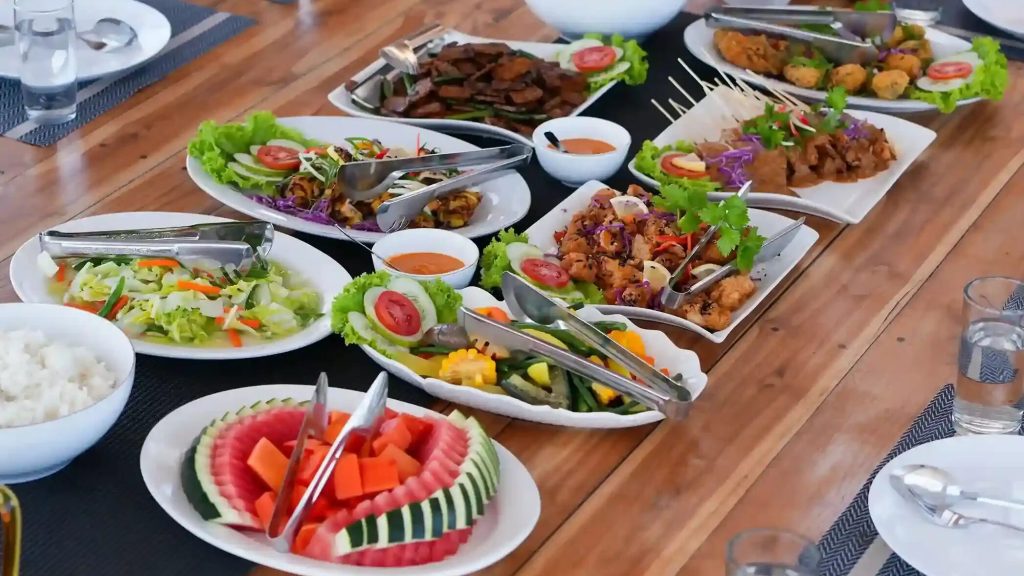
Meals on liveaboards and day-tour boats are generally prepared fresh, either in an onboard galley kitchen or at a shore kitchen before departure, and standard inclusions across most itineraries cover breakfast, lunch, and dinner plus non-alcoholic beverages. Because there is no published boat-specific hygiene certification to check, the more useful due-diligence signals are practical: ask whether meals are cooked fresh onboard versus reheated, how ingredients are stored on multi-day trips without full refrigeration, and whether the crew accommodates dietary restrictions or allergies, which reputable operators typically confirm can be arranged with advance notice.
What Should Travelers With Dietary Restrictions Do?
Tell your operator about any dietary restriction, allergy, or preference well before departure rather than on the day of boarding, particularly for multi-day liveaboards where the crew provisions food in Labuan Bajo before setting out. Vegetarian, vegan, and common allergy accommodations are widely available across operators serving international travelers, but the range of substitute ingredients narrows the further a boat is from a resupply point on longer sailing routes, so flagging restrictions early gives the crew the best chance to plan around them properly rather than improvising mid-trip.
How Can You Judge Whether a Boat’s Food and Water Practices Are Trustworthy?
Without a formal certification to check, the most reliable signals are indirect: reviews from past guests that specifically mention food quality and any illness, whether the operator proactively explains their drinking water source when asked, and general vessel cleanliness, since a poorly maintained boat is a reasonable proxy for lower attention to food handling as well. Established operators running regular multi-day liveaboards typically have more consistent supply chains and kitchen routines than one-off informal charters, simply because they provision the same way for every trip rather than improvising per booking.
What About Food and Water on Longer Liveaboard Trips?
The longer a liveaboard route runs, the more its food and water planning matters, since a boat sailing four or more days between Komodo, Rinca, and Padar without returning to Labuan Bajo needs to carry enough supplies for the full itinerary rather than restocking daily. Established operators running multi-night routes typically provision in bulk before departure specifically to avoid running short on bottled water or fresh ingredients mid-trip, and better-equipped vessels carry refrigeration or ice storage to keep perishables safe across several days at sea. If you are booking an extended itinerary, such as the routes on our Diving-focused liveaboard plan page, it is reasonable to ask directly how the boat handles food storage and water resupply across the full trip length, particularly for itineraries beyond four days.
Does Boat Size Affect Food and Water Quality?
Generally, yes, though not in a strictly linear way. Larger vessels, including bigger phinisi yachts and VVIP charters, more often have proper galley kitchens with refrigeration and a dedicated cook, compared to smaller speedboats used for single-day trips, which typically serve simpler packed meals rather than cooked-to-order food. This does not mean smaller boats are unsafe, but it does mean the style and freshness of food differs meaningfully between a half-day speedboat snack and a multi-night liveaboard’s cooked breakfast, lunch, and dinner service. Travelers with stricter dietary needs or a preference for freshly prepared meals should weigh this when choosing between a day-trip format and a liveaboard.
Plan a Trip With Komodo Luxury Around Your Dietary Needs
Tell Komodo Luxury about any dietary restrictions or water preferences when you book, and they will confirm with the crew before departure. Message the Komodo Luxury desk on WhatsApp at +62 811 3810 8110 or email sales@komodoluxury.com.
For detailed insights into the food, drinking water, and boat standards on your upcoming adventure, explore Komodo Luxury’s boat tour lineup. To ensure all your questions are answered, check out their comprehensive trip FAQ before making your decision.
For a comprehensive overview of your options regarding food, drinking water, and boat standards in Komodo, be sure to bookmark the list of sailing tour packages offered by Komodo Luxury.
Ready to turn this into a real Komodo National Park trip?
More posts
Frequently asked questions
Can you drink tap water in Labuan Bajo?
No. Tap water in Labuan Bajo is not considered safe to drink; it is used for washing and showers, while bottled or filtered water is provided separately for drinking in hotels, restaurants, and on boats.
Do Komodo boats provide free drinking water?
Yes, most liveaboards and day-tour boats include free bottled or filtered drinking water as a standard part of the package, alongside tea and coffee at meal times.
Is there an official hygiene certification for Labuan Bajo tour boats?
We did not find a specific, published Indonesian regulation setting food-handling or drinking-water standards for Labuan Bajo tourist boats specifically. General national food safety and marine tourism transport regulations apply, but they do not include a boat-specific certification travelers can check in advance.
Can you request vegetarian or allergy-friendly meals on a Komodo boat trip?
Yes, most operators serving international travelers can accommodate vegetarian, vegan, and common allergy requests if told in advance, ideally at booking rather than on the day of departure, since provisioning happens before multi-day trips leave Labuan Bajo.
Should I bring my own water on a Komodo boat trip?
It is not necessary since bottled or filtered water is standard, but travelers with a specific filtration preference or a reusable bottle they want refilled should confirm with their operator whether refill stations or only sealed bottles are available onboard.
Can I drink tap water in Komodo National Park?
No, tap water in Komodo National Park is not safe for drinking. Visitors should rely on bottled or filtered water, which is commonly provided on tour boats and in accommodations. Always confirm water provisions with your operator, as practices may vary, especially on budget trips.
Are there vegetarian food options in Komodo National Park?
Yes, vegetarian food options are generally available on Komodo tour boats and in Labuan Bajo. It is advisable to inform your tour operator of any dietary preferences or restrictions when booking to ensure suitable meal arrangements are made during your trip.
Are there snorkeling restrictions in Komodo National Park for specific sites or times?
Yes, popular snorkeling spots are subject to zoning, seasonal rules, and day-to-day safety calls by rangers and boat crews. Some coral areas may be temporarily closed after storm damage, and sites like Manta Point can be limited in rough seas or when manta activity is high. You will not need extra permits, but you must follow your skipper’s briefings, stay in agreed areas, and use provided safety gear.
Can you drink beer on liveaboard boats in Komodo?
Yes, beer is typically available on liveaboard boats in Komodo, although availability may vary by operator. It is advisable to check with your specific tour provider regarding alcohol policies and provisions, as some boats may charge extra for alcoholic beverages.
How much should I budget for food in the park?
Budgeting for food in Komodo National Park varies depending on your accommodation and tour choices. Meals are usually included in liveaboard packages, while dining in Labuan Bajo ranges from budget-friendly local eateries to more expensive international restaurants. Confirm meal inclusions with your tour operator.
Are there restrictions on single-use plastics on Komodo boats?
Yes, there are increasing efforts to reduce single-use plastics on Komodo boats to protect the marine environment. Many operators encourage guests to bring reusable bottles and bags. It’s advisable to inquire about specific policies with your tour provider to support sustainable practices.
Do you need to reserve Komodo boat trips in advance for a short January visit from Labuan Bajo?
Yes, you should book ahead, especially for park entry and boat places in January. Weather can be unsettled, so treat your plans as flexible and ask operators are Komodo trips running in January and what itinerary works for current conditions. One or two days visiting Komodo or Rinca with a nearby snorkel stop is typical. Build in backup options in case swell, wind, or rain limit where boats can safely go.
What is the best way to reach Komodo National Park?
The best way to reach Komodo National Park is by flying to Labuan Bajo on Flores Island, which serves as the gateway. Direct flights are available from Bali Ngurah Rai and Jakarta. From Labuan Bajo, boat tours take visitors to the park’s main islands and attractions.
Start Planning Your Komodo Trip
Tell Komodo Luxury your travel dates, group size and priorities — trekking, diving, a private charter or a budget-friendly shared boat — and they will put together options with current pricing.