Are Komodo Dragons Dangerous? Attack Records and Real Risk
Yes, Komodo dragons are genuinely dangerous wild predators capable of killing a person, but documented attacks on humans are rare: international news and park records point to roughly four confirmed fatalities since the 1970s (1974, 2000, 2007 and 2009) and a small number of serious non-fatal bites over the following decade, almost all involving villagers or park staff rather than ranger-escorted tourists.
This page lays out the real, sourced incidents rather than folklore, along with the safety protocol that keeps guided visits statistically very safe.
How Dangerous Is a Komodo Dragon, Biologically?
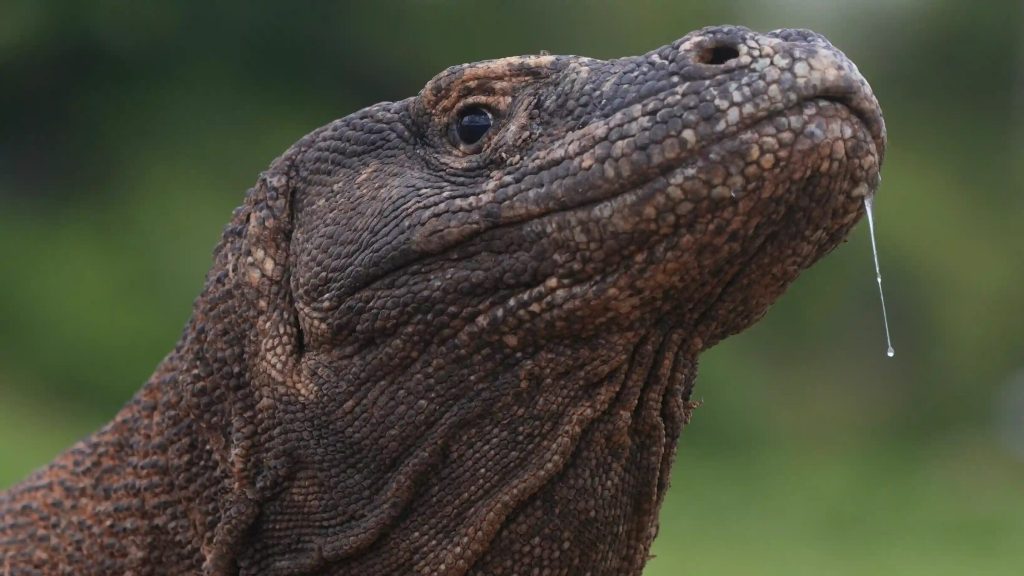
Komodo dragons are the world’s largest living lizard, growing up to roughly three meters long and over 70 kilograms, and they are genuine apex predators equipped with a powerful bite, sharp serrated teeth, and a venomous bite that impairs blood clotting and can cause shock in prey. They hunt by ambush and can also detect carrion from long distances, which is part of why unsupervised approach to a dragon, whether by a villager or a tourist, carries real risk. Their size and predatory biology are not exaggerated by tour marketing — this is precisely why every park visit near dragon habitat requires a licensed ranger.
What Documented Attacks Have Actually Happened?
Based on park attack histories and reputable international news reporting (not folklore or unverifiable social-media claims), the record includes:
| Year | Who | Location | Outcome | Source type |
|---|---|---|---|---|
| 1974 | Not widely detailed in available records | Park area | Fatal | Cited in aggregate news reporting (NBC News) |
| 2000 | Not widely detailed in available records | Park area | Fatal | Cited in aggregate news reporting (NBC News) |
| 2007 | 8-year-old boy, Komodo village | Komodo Island | Fatal — bled out roughly 30 minutes after attack | The New York Times, ABC News, Smithsonian |
| 2009 | Muhamad Anwar, 31, fisherman/fruit picker | Komodo Island | Fatal — multiple bite wounds, died in hospital | The Guardian, NBC News |
| February 2010 | Park ranger Marselinus Subanghadir | Komodo Island | Non-fatal — bitten on foot, hospitalized | ABC News (Australia), LA Times |
| May 2010 | Agustinus Jenaru, 20, worker | Rinca Island | Non-fatal — hand bite, treated at clinic | Associated Press via Fox News |
| 2013 | Two park employees | Komodo National Park office | Non-fatal — bitten when a dragon entered an office, hospitalized | CBS News, ABC News, The Guardian |
NBC News, citing park and local sources, reported that roughly four people were killed by Komodo dragons over a 35-year span (1974, 2000, 2007 and 2009) and that at least eight people were injured in just over a decade. That is the honest scale of the record: rare, but real, and concentrated among villagers, fruit-pickers and park staff working or living near dragon habitat rather than among ranger-escorted day visitors.
Have Any Ranger-Guided Tourists Been Attacked?
The documented fatal and serious non-fatal incidents above involve villagers, a fisherman, and park staff — not tourists on a standard ranger-guided trekking tour following park rules. This distinction matters: nearly every serious incident in the public record happened to someone working, living, or moving alone in or near dragon habitat without a ranger present, which is exactly the scenario park rules are designed to prevent for visitors. That does not mean zero risk exists for tourists — dragons are unpredictable wild animals — but it does mean the safety record for supervised, rule-following visitors is markedly different from the incidents above.
What Safety Rules Actually Prevent Attacks?
- Ranger escort is mandatory. No visitor treks on Komodo or Rinca island without a licensed ranger carrying a forked staff, the standard tool used to redirect a dragon if it approaches.
- Marked trails only. Rangers keep groups on established paths and away from known denning or feeding areas.
- Safe viewing distance. Rangers maintain several meters of separation between visitors and any dragon encountered, adjusting for the animal’s behavior in real time.
- No touching, feeding, or provoking. Dragons habituated to human food or contact become more dangerous, not less, which is why feeding is strictly prohibited.
- Groups stay together. Straying from the group, even briefly, is the common thread in several historical incidents involving villagers caught alone.
Why Do the Historical Victims Rarely Include Tourists?
Most confirmed serious incidents on record involve people in the park area for reasons other than a guided tour: a child from a nearby village, a fisherman climbing a tree alone, park staff encountering a dragon inside a building, and a worker in an unfinished structure on Rinca. None of these scenarios match a standard ranger-escorted visitor walk on a marked trail. This pattern is consistent with how the danger actually works: dragons are opportunistic and more likely to act on an unsupervised individual in unstructured terrain than on a supervised group moving together with a trained ranger present.
What Do Rangers Actually Do If a Dragon Approaches a Group?
Licensed rangers are trained to read dragon behavior and react before a situation becomes dangerous, which is the core reason guided visits differ so much from the unsupervised incidents in the historical record above. In practice this means rangers keep the group moving as a unit, position themselves between the animal and visitors when a dragon approaches within the safe-distance threshold, and use the traditional forked staff to redirect a dragon rather than allowing physical contact. Visitors are instructed to stay calm, avoid sudden movements, and never attempt to touch, feed or photograph a dragon at close range without the ranger’s explicit direction. If a ranger calls an end to an encounter or a trek, park protocol treats that instruction as final rather than optional, since rangers are assessing animal behavior cues that are not obvious to visitors.
Putting the Risk in Context
Four confirmed fatalities across roughly five decades, set against many thousands of ranger-guided visitors trekking the islands every year, describes a genuinely rare event rather than a common danger for tourists following the rules. The pattern in the record — villagers, a lone fisherman, park staff encountering a dragon indoors — points toward unsupervised proximity as the real risk factor, not the act of viewing a dragon itself. That said, “rare” is not the same as “impossible,” and Komodo dragons remain wild, unpredictable apex predators regardless of how many safe visits precede yours. Respecting the ranger’s instructions in the moment, rather than assuming familiarity from photos or previous trips, is the single most consistent safety factor across every incident summarized on this page.
Book a Ranger-Guided Dragon Trekking Tour with Komodo Luxury
See our full dragon trekking itinerary guide for what a licensed, ranger-guided visit actually involves. Message Komodo Luxury on WhatsApp at +62 811 3810 8110 or email sales@komodoluxury.com to plan your trek.
Incident records compiled from reputable international news sources (The New York Times, The Guardian, NBC News, ABC News, CBS News, Associated Press) and park attack-history summaries. Checked August 2026.
You can read the complete breakdown in our Komodo National Park facts page.
You can read the complete breakdown in our accessibility guide for all fitness levels.
For those interested in exploring the habitat of the Komodo dragons firsthand, you can find detailed information in Komodo Luxury’s trip FAQ. To plan your visit, check out the full fleet of available vessels or consider a tour departing from Bali that suits various budgets and group sizes. Alternatively, browse through the sailing tour package list to explore all available options before making a decision.
Ready to turn this into a real Komodo National Park trip?
More posts
Frequently asked questions
Has a tourist ever been killed by a Komodo dragon?
The documented fatalities identified in reputable news coverage (1974, 2000, 2007, 2009) involved a village child, a fisherman and other local residents rather than ranger-escorted tourists on a standard guided trek. No confirmed report in the sources reviewed for this page identifies a tourist fatality on a standard guided park visit.
How many people have been killed by Komodo dragons in total?
NBC News, drawing on park and local sources, reported approximately four fatalities over a 35-year period: 1974, 2000, 2007 and 2009. Some park-history summaries describe additional non-fatal injuries, with NBC citing at least eight injuries in just over a decade.
Are Komodo dragons venomous or poisonous?
Venomous, not poisonous — the distinction matters. Research has established that they carry venom glands producing toxins that impair blood clotting and contribute to shock in bitten prey, and that venom works alongside the physical damage of a bite from serrated teeth. Together those are what make a bite genuinely dangerous, which is why the ranger-set distance and the instructions given on the trail are not a formality.
Is it safe to see Komodo dragons up close on a tour?
Guided visits under a licensed ranger, on marked trails, at a maintained safe distance, are the standard and the safest known way to see wild Komodo dragons. Nearly all serious documented incidents involve people who were alone or unsupervised, which is precisely the situation ranger escort is designed to prevent.
Ready to see it for yourself under proper ranger supervision? See Komodo Luxury’s boat tour for a fully guided itinerary.
How dangerous are Komodo dragons to humans?
Komodo dragons are dangerous to humans due to their powerful bite, sharp teeth, and venom that impairs blood clotting. While attacks on humans are rare, they can be fatal. Documented fatalities include four since the 1970s, mostly involving locals rather than tourists. Guided tours with rangers significantly reduce the risk of attacks.
How to avoid getting bitten by Komodo dragons?
To avoid getting bitten by Komodo dragons, always stay with your ranger guide and follow their instructions. Never approach a dragon closely, and remain calm and quiet in their presence. Avoid wearing bright clothing or carrying food, which might attract them. Guided tours are designed to ensure visitor safety.
Are there any dangerous animals in Komodo National Park?
Besides Komodo dragons, which are the most notable dangerous animals in the park, visitors should also be cautious of venomous snakes and certain marine life like jellyfish. However, guided tours with experienced rangers help mitigate risks, ensuring a safe experience within the park’s diverse ecosystem.
Is Komodo National Park dangerous?
Komodo National Park can be dangerous due to its wild inhabitants, like the Komodo dragon, but guided tours with rangers significantly reduce risks. Safety protocols and ranger guidance ensure visitors can safely enjoy the park’s natural beauty while minimizing potential dangers.
Is feeding Komodo dragons ever allowed on tours?
Feeding Komodo dragons is strictly prohibited on tours. This practice can alter their natural behaviour and increase the risk of aggressive encounters. Rangers ensure that all interactions with the dragons are safe and respectful, maintaining the natural balance of the park’s ecosystem.
Are sharks dangerous in Komodo National Park if I want to snorkel or dive?
Serious shark incidents in Komodo are extremely rare, and guided snorkelers and divers generally encounter shy reef species rather than large predators. Stick to licensed operators who brief you on site conditions, currents, and wildlife. Avoid swimming at dawn or dusk, never enter the water where fish are being cleaned or baited, keep your distance from feeding activity, and stay close to your guide and group.
How do Komodo dragons catch their prey?
Komodo dragons catch their prey using ambush tactics. They rely on their camouflage to approach unsuspecting animals, delivering a powerful bite with venomous saliva that impairs blood clotting. The dragon then follows the weakened prey until it succumbs, showcasing their efficiency as apex predators.
How long have Komodo dragons existed?
Komodo dragons have existed for millions of years, with their ancestors dating back to prehistoric times. They are considered a relic species, surviving changes in climate and geography that have shaped their current distribution in Indonesia, particularly within Komodo National Park.
How do Komodo dragons survive in the wild?
Komodo dragons survive in the wild through their adaptability as apex predators. They have keen senses for detecting prey and carrion, a powerful bite with venom, and the ability to consume large meals. Their solitary nature and territorial behaviour help them thrive in the diverse ecosystems of Komodo National Park.
How to visit the Komodo dragon sanctuary?
To visit the Komodo dragon sanctuary, plan your trip through Labuan Bajo, the gateway to Komodo National Park. Secure an e-ticket via the SiOra system and join a guided tour with a licensed ranger. This ensures a safe and educational experience while observing these magnificent creatures in their natural habitat.
How many eggs do Komodo dragons lay?
Komodo dragons typically lay between 15 to 30 eggs per clutch. The female digs a nest in the ground to protect the eggs, which incubate for about eight months. This reproductive strategy helps sustain their population, despite the challenges of survival in the wild.
Start Planning Your Komodo Trip
Tell Komodo Luxury your travel dates, group size and priorities — trekking, diving, a private charter or a budget-friendly shared boat — and they will put together options with current pricing.