
Photographing Komodo Dragons and Landscapes 2027
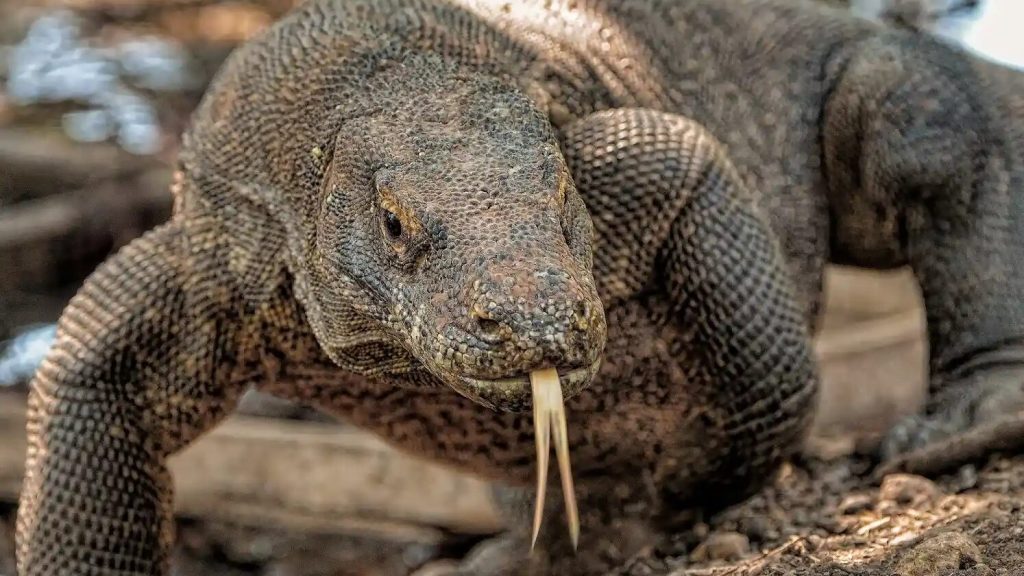
To photograph Komodo dragons and the park's landscapes well in 2027, plan around three things: early-morning ranger treks on Komodo or Rinca island for active dragons, a sunrise climb of Padar Island for the signature three-bay panorama, and a telephoto lens in the 100 to 400 millimeter range so you can fill the frame without ever approaching the animals.
Everything else, from boat choice to season, supports those three decisions.
What Camera Gear Works Best for Komodo?
A telephoto zoom around 100 to 400 millimeters covers almost every dragon situation, because park rules keep visitors at a distance from the animals at all times and rangers decide how close a group may stand. A second body or a fast standard zoom in the 24 to 70 millimeter range handles landscapes, boat decks, and village scenes. Bring more batteries than you think you need, since charging on wooden boats can be limited to generator hours, and pack everything in dry bags for tender transfers between boat and beach. A polarizing filter earns its place by cutting glare on the sea and deepening the blues around Padar’s ridgelines, while a lightweight travel tripod is enough for sunrise work.
Where Do You Actually Photograph the Dragons?
The two established trekking areas are Loh Liang on Komodo Island and Loh Buaya on Rinca Island, and every walk in both areas is led by licensed rangers carrying forked staffs. Rinca’s more open savannah terrain often gives cleaner backgrounds and better sightlines for photography, while Komodo Island offers taller forest and a wilder feel. Dragons are most active in the cooler early morning, so schedule your trek for the first ranger slots of the day and shoot at dragon eye level where the terrain safely allows, keeping every movement slow and deliberate. A structured komodo dragon photo tour builds the day around these timings, while a standard komodo dragon viewing tour can work for photographers who only need one dedicated trek.
The Landscape Shot List: Padar, Pink Beach, and Gili Lawa
Padar Island’s viewpoint, reached by a climb of roughly 30 to 40 minutes, looks down on three crescent bays whose beaches differ in color, and it is the one image nearly every photographer travels to Komodo for. Beyond Padar, build your shot list around these locations:
- Padar summit at sunrise, when side light rakes across the ridges and crowds are thinnest
- Pink Beach in late afternoon, when low light saturates the sand’s rosy tone, which comes from fragments of red-shelled marine organisms
- Gili Lawa Darat’s ridge at sunset for wide views over the bay and anchored boats
- Kelor Island’s short, steep hill for a compact three-beach panorama close to Labuan Bajo
- Deck-level compositions of phinisi sails at golden hour while underway
When Is the Best Light and Season for Photography?
The dry season from April to November delivers the most reliable shooting conditions, with clear mornings, low humidity haze, and calm seas that make sunrise transfers to trailheads predictable. Within that window, May to October turns the hills amber and gold, a look many photographers prefer for Padar, while the short green season around December to February paints the same ridges in vivid green but brings more cloud and occasional rough water. Golden hour is short in the tropics, roughly the first and last hour of sun, so plan one signature location per morning and one per evening rather than trying to chase three sites in a day.
Suggested Two-Day Shooting Plan
An overnight boat is the most efficient base, because sleeping inside the park puts you at trailheads before day boats arrive from Labuan Bajo. The plan below assumes one night on board.
| Time | Day 1 | Day 2 |
|---|---|---|
| Pre-dawn | Depart Labuan Bajo | Padar summit for sunrise |
| Morning | Ranger trek at Loh Buaya, Rinca | Pink Beach and snorkeling frames |
| Midday | Cruise north, deck and sail shots | Manta Point surface photography |
| Late afternoon | Gili Lawa ridge for sunset | Return sail to Labuan Bajo |
Safety and Ethics Around the Dragons
Komodo dragons can exceed two and a half meters in length and are fully wild predators, so photography never overrides ranger instructions. Keep the distance your ranger sets, never use bait or noise to provoke a reaction, avoid drone flights unless you have explicit permission from park authorities, and skip flash on the animals. Women are asked to inform rangers if menstruating, as dragons have an acute sense of smell, and all visitors should move in a tight group. The best behavioral images, tongue flicks, walking postures, and juveniles in trees, come from patience at a respectful distance rather than proximity.
Booking a Trip Built Around Your Shooting Schedule
A dedicated overnight boat is the easiest way to reach Padar’s summit before the day-trip crowds and to catch early ranger slots at Loh Buaya or Loh Liang. Our Komodo boat tour page lists both day and multi-day departures, and photographers who want a slower, more deliberate schedule with dedicated deck time for golden hour can compare the phinisi format on luxury phinisi Komodo.
Last updated: 29 August 2026.
Book a Photography-Focused Komodo Trip with Komodo Luxury
Send Komodo Luxury your target shot list and travel window, and they will arrange a boat, ranger trek timings, and viewpoint schedule built entirely around the light. Message Komodo Luxury on WhatsApp at +62 811-3823-875 or email sales@komodoluxury.com to plan your 2027 Komodo photography itinerary.
We break this down further in our evening sunset cruise page.
We break this down further in our best photo spots guide.
For capturing the stunning landscapes and iconic Komodo dragons, consider booking a multi-day liveaboard with Komodo Luxury, which offers an immersive experience. If you prefer more time on the water, a catamaran charter might be ideal, while a deluxe boat charter provides comfort for private groups. Explore the full fleet to compare all available options.
Ready to turn this into a real Komodo National Park trip?
More posts
Frequently asked questions
What lens do I need to photograph Komodo dragons?
A telephoto zoom in the 100 to 400 millimeter range is the most practical choice. Rangers keep groups at a safe distance from the dragons, so the reach lets you fill the frame with heads, eyes, and skin texture without approaching. Pair it with a 24 to 70 millimeter zoom for landscapes and boat scenes.
Can I fly a drone in Komodo National Park?
Drone use inside the park requires a permit arranged in advance through the park authority, and rangers enforce this at ranger stations. Ask your tour operator to check the current requirements for your dates before you travel, and never launch near wildlife or other visitor groups even where flying is permitted.
Is sunrise or sunset better for the Padar viewpoint?
Sunrise is better for most photographers. The climb takes roughly 30 to 40 minutes, crowds are far smaller before the day boats arrive from Labuan Bajo, and the low eastern light models the three bays cleanly. Sunset can also work, but you share the trail with many more visitors and descend in the dark.
What season gives the best landscape colors in Komodo?
May to October gives golden, savannah-toned hills and the most reliable clear skies, which suits the classic Padar image. December to February turns the same hills bright green after rain, a rarer look, but brings more cloud cover and choppier seas, so build extra flexibility into a wet-season shooting schedule.
How to use a drone for landscape photography in Komodo?
Drone use in Komodo National Park is heavily restricted to protect wildlife and visitor safety. If permitted, ensure you fly at a safe distance from wildlife and people, and avoid sensitive areas. Capturing sweeping landscapes is best achieved by flying at higher altitudes, focusing on the park’s diverse topography and vibrant colours.
How to photograph sunrise landscapes in Komodo?
Photographing sunrise landscapes in Komodo requires an early start. Padar Island offers a stunning three-bay panorama at dawn. Use a lightweight tripod for stability and a polarizing filter to enhance colours. Arrive early to secure a good spot and capture the changing light as it illuminates the unique landscape.
How to photograph landscapes in Komodo National Park?
To photograph landscapes in Komodo National Park, focus on early morning or late afternoon for the best light. Use a standard zoom lens for versatility and a polarizing filter to reduce glare. Capture the diverse terrain, from savannahs to rugged coastlines, and consider including local flora and fauna for context.
For visitors focused on how to photograph the landscape of Komodo National Park, what practical planning and booking steps matter most?
Book your Komodo and Padar entries through the SiOra e-ticket system from 1 April 2026 and aim for less crowded midweek sessions within the 1,000-person daily quota. Factor in the park entrance ticket and ranger fee when budgeting. Base yourself in Labuan Bajo for sunrise or late afternoon departures, and allow at least two full days so you can revisit key viewpoints in different tides, winds, and light.
Where to photograph Komodo dragons in early morning light?
Photograph Komodo dragons in early morning light at Loh Liang on Komodo Island or Loh Buaya on Rinca Island. Early morning treks offer cooler temperatures when dragons are most active. The softer light enhances textures and colours, providing ideal conditions for capturing these majestic creatures.
Under what permit rules can you photograph Komodo dragons with a drone without breaking park regulations?
You can only legally attempt drone photos of Komodo dragons if your drone is under the park’s thresholds or you have a SIMAKSI permit plus national aviation clearance, and you still avoid all no-fly zones near ranger stations, the bat island, and Komodo Airport. In practice, operators may be cautious or refuse dragon flights, so confirm current rules with Balai Taman Nasional Komodo and your boat operator before packing a drone.
Can you use a drone to photograph sunrise in Komodo?
Using a drone to photograph sunrise in Komodo is generally restricted to protect the park’s environment and wildlife. If permitted, ensure compliance with local regulations and maintain a respectful distance from sensitive areas. Focus on capturing the dramatic interplay of light and shadow over the park’s unique landscapes.
How to photograph Komodo dragons at sunset?
Photographing Komodo dragons at sunset involves timing your trek to coincide with the golden hour. Use a telephoto lens to capture the warm, soft light that highlights the dragons’ textures. Position yourself to take advantage of backlighting and silhouettes, ensuring you maintain a safe distance as directed by rangers.
Do park rules or logistics affect how to photograph Komodo dragons at sunrise?
Yes. For sunrise dragon photos you must join the earliest ranger-led walk, booked in advance for Komodo or Padar via the SiOra e-ticket system since 1 April 2026. Arrive in Labuan Bajo at least a day before to secure boat space, and factor in the entrance rate of USD 40 per person per park day, or USD 50 at a weekend or on a public holiday. Limited daily quotas mean popular dates fill quickly, so avoid last-minute plans and peak holidays.
What are the best drone photography tips for Komodo?
Drone photography in Komodo National Park is restricted, but if allowed, adhere to regulations and maintain a safe distance from wildlife. Capture sweeping landscapes by flying at higher altitudes and use natural light to highlight the park’s unique features. Always prioritise safety and environmental protection.
Do Komodo dragons climb trees?
Juvenile Komodo dragons are capable climbers and often take to trees to avoid predators, including adult dragons. As they mature, their size and weight make climbing impractical. Observing these behaviours can provide unique photographic opportunities, particularly when capturing younger dragons in their natural habitat.
Where to capture backlit Komodo dragons at sunrise?
To capture backlit Komodo dragons at sunrise, position yourself on the trails at Loh Liang or Loh Buaya. The early morning light creates dramatic silhouettes and highlights textures. Work with the rangers to find safe vantage points where the rising sun is behind the dragons, enhancing the visual impact.
How do Komodo dragons reproduce?
Komodo dragons reproduce through sexual reproduction, with mating typically occurring between May and August. Females lay eggs in September, which incubate for around eight months. Some females can reproduce asexually through parthenogenesis, a rare phenomenon in reptiles, allowing them to produce offspring without a male.
Start Planning Your Komodo Trip
Tell Komodo Luxury your travel dates, group size and priorities — trekking, diving, a private charter or a budget-friendly shared boat — and they will put together options with current pricing.