Planning a Komodo Dragon Trekking Tour Safely in 2027
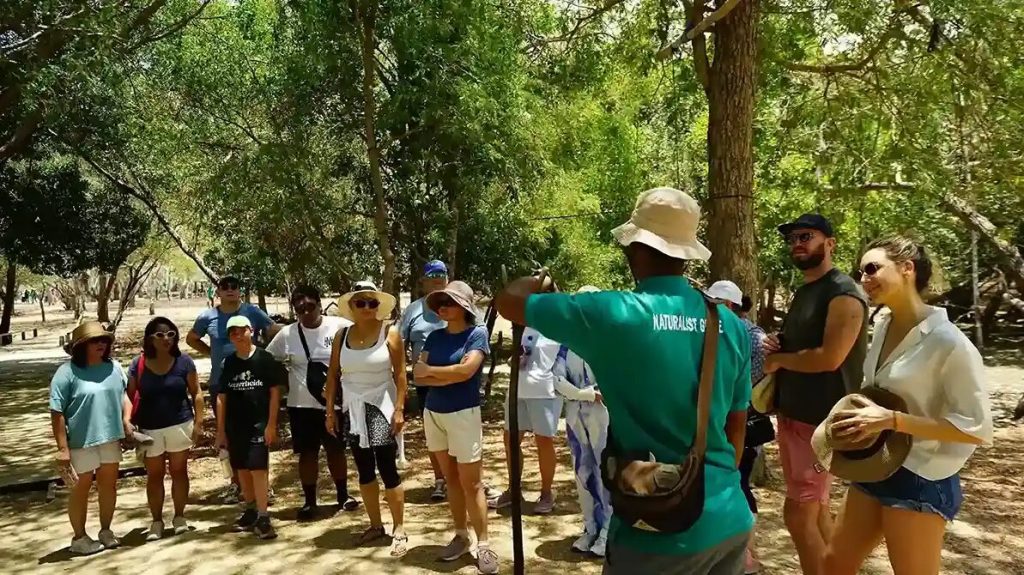
Komodo dragon trekking is only permitted with a licensed park ranger, and in 2027 every visitor to Komodo and Rinca islands walks marked trails in small ranger-led groups while keeping a distance of roughly five meters from any dragon.
Last updated: August 2026
The rules exist because Komodo dragons are genuine apex predators, adults can reach around three meters in length and weigh 70 kilograms or more, yet within the ranger system, trekking is a safe, well-managed experience that tens of thousands of travelers complete each year without incident. This guide explains how the system works, which island and trail to choose, and how to prepare so your 2027 trek is both safe and memorable.
This guide is about staying safe on the trails rather than about booking. If you want the island choice, route options and fees laid out so you can reserve, see the ranger-guided dragon trekking tour page.
Most trekking is arranged as part of a larger boat itinerary rather than booked on its own. Komodo Luxury’s Komodo boat tour lineup includes ranger-guided trekking stops on Komodo and Rinca as a standard part of the route.
Why Is a Ranger Mandatory on Every Trek?
Rangers at Loh Liang on Komodo Island and Loh Buaya on Rinca carry a long forked staff, the traditional tool used to redirect a dragon that approaches too closely, and they read dragon behavior in ways no first-time visitor can. Dragons are ambush hunters: they lie still for long periods, then move quickly over short distances, which is precisely the pattern that catches unguided walkers off guard. The ranger walks ahead, scans resting spots such as shaded tree bases and dry stream beds, positions the group, and decides how close is close enough for photos. Treks operate as guided walks from the ranger stations, and joining one is arranged as part of your boat itinerary rather than booked separately on arrival.
Komodo or Rinca: Which Island Should You Choose?
Both islands hold healthy dragon populations, and the practical differences are distance, landscape, and crowd rhythm rather than the odds of a sighting. The comparison in brief:
| Factor | Komodo Island (Loh Liang) | Rinca Island (Loh Buaya) |
|---|---|---|
| Distance from Labuan Bajo | Farther, usually part of full-day or overnight routes | Closer, reachable on half-day trips |
| Terrain | Larger island, longer trail options, savanna and forest mix | Compact valleys, open savanna, shorter loops |
| Feel | Classic dragon-country scale | Efficient, high sighting rate near the station |
| Best for | Travelers on full-day or liveaboard itineraries | Short schedules and families |
Many multi-day itineraries simply include both, which also spreads visitor pressure across the two stations.
What Trail Options Can You Take in 2027?
Each ranger station offers a menu of marked routes, typically a short loop of around 30 minutes, a medium trek of about one hour, and longer walks of 90 minutes or more for those who want savanna ridgelines and quieter ground. Sightings are most frequent near water sources and the shaded areas around the stations, so the short loop is not a lesser experience, it is often where the dragons are. The longer trails add landscape: lontar palm savanna, viewpoints over the bays, and birdlife including orange-footed scrubfowl. Choose by heat tolerance and group energy, not ambition; the medium loop is the sweet spot for most first-time visitors.
What Safety Rules Apply on the Trails?
The ranger briefing at the trailhead covers a short list of rules, and following them is what keeps the experience routine rather than risky:
- Stay behind or beside your ranger and never wander from the marked trail
- Keep at least five meters from any dragon, more from nesting females
- Move calmly, no sudden running, and keep voices low near animals
- Never bring food onto the trails, and secure anything with a strong scent
- Women who are menstruating should inform the ranger discreetly, as dragons track blood scent, and the ranger will adjust positioning
- Keep children within arm’s reach and in the middle of the group at all times
Photography is welcome within those limits; your ranger will position you for safe angles, and the classic low-angle shot is taken with the ranger directly alongside.
What Should You Wear and Bring?
Trails are dry, sun-exposed, and uneven in places, so closed walking shoes or solid trail sandals are the single most useful item you can pack. Add light long clothing or breathable layers for sun protection, a hat, reef-safe sunscreen, and at least one liter of water per person, because the savanna sections offer little shade and midday temperatures regularly pass 30 degrees Celsius. A small daypack keeps hands free for balance on the stepped sections. Leave drones packed unless you have specific clearance, and carry cameras ready before the walk starts so the group is not stopping for bag access near animals.
How Do You Book a Safe, Well-Run Trek?
The trek itself is always ranger-led, so the booking decision is really about the itinerary around it: which island, what time of day, and how the boat schedule protects the cooler morning hours when dragons are most active and the light is best. A dedicated komodo dragon viewing tour structures the day around exactly that, pairing the trek with the right sailing times. Travelers who want to prioritize images should look at a komodo dragon photo tour, which adds viewpoint timing and guide positioning for photography on both islands. Either format confirms park entrance arrangements in advance, so your arrival at the ranger station is a briefing, not a queue. For the full rulebook beyond trekking specifically — SiOra booking, prohibited items, and documented incident history — see our Komodo National Park rules and safety guide.
Arrange Your 2027 Dragon Trekking Itinerary
Tell Komodo Luxury your dates and whether you want Komodo, Rinca, or both, and they will build a trekking itinerary timed for the cool morning hours with every arrangement confirmed in advance. Message the Komodo Luxury desk on WhatsApp at +62 811 3823 875 or email sales@komodoluxury.com to plan your trek.
Our Komodo dragon facts and population page has the complete rundown.
To ensure a safe and memorable Komodo dragon trekking experience, consider booking a multi-day liveaboard that aligns with your itinerary. For varied preferences and group sizes, explore a catamaran charter or a deluxe boat charter. You can also review the full fleet to find the perfect fit for your journey.
Ready to turn this into a real Komodo National Park trip?
More posts
Frequently asked questions
How dangerous are Komodo dragons for visitors?
Incidents involving visitors are rare precisely because the ranger system is strict: groups stay small, trails are marked, and rangers carry forked staffs to redirect any dragon that approaches. Adults can reach around three meters and 70 kilograms or more, so the five-meter distance rule is taken seriously, and following your ranger’s instructions keeps the risk genuinely low.
What time of day is best for dragon trekking?
Early morning, roughly 7:00 to 10:00, is the prime window because dragons are most active before midday heat pushes them into shade, and trail temperatures are far more comfortable for walking. Late afternoon is the second-best slot. Liveaboard and private itineraries have the advantage here, since they can anchor overnight nearby and land first.
Can children join a Komodo dragon trek?
Yes, children are welcome on the standard loops with the same ranger supervision as adults. The working rules are practical: children walk in the middle of the group, stay within arm’s reach of a parent, and never run on the trails. Families with young kids often choose Rinca’s shorter loops, where distances suit smaller legs.
Will you definitely see a dragon on a trek?
Sightings are very frequent but never guaranteed, because these are wild animals on open islands rather than an enclosure. Odds are highest near the ranger stations and water sources, and on early-morning walks. Visiting both Komodo and Rinca on a multi-day itinerary is the most reliable way to make a sighting near certain.
Can children safely visit Komodo National Park with dragons around?
Children can safely visit Komodo National Park when accompanied by a licensed ranger. Rangers ensure safety by maintaining a safe distance from the dragons, typically around five meters. Families should follow all instructions and keep young children close to avoid unexpected encounters with these apex predators.
Can I wear sandals for Komodo Island dragon trekking?
Wearing sandals is not recommended for Komodo Island dragon trekking. The trails can be uneven and rocky, so sturdy closed-toe shoes or hiking boots are advised for safety and comfort. Proper footwear helps prevent injuries and provides better grip on the trails.
How to prepare for a trek on Komodo Island?
To prepare for a trek on Komodo Island, wear sturdy shoes, bring water, and protect yourself from the sun with a hat and sunscreen. Follow the ranger’s instructions and stay on marked trails. Ensure your group includes a licensed ranger, as independent trekking is not allowed.
How strict are rangers about staying on marked trails Komodo?
Rangers are very strict about staying on marked trails in Komodo National Park. This rule is crucial for visitor safety and dragon conservation. Rangers guide groups along designated paths, ensuring a safe and controlled environment while minimizing the impact on the natural habitat.
How much does a Komodo dragon tour cost?
A Komodo dragon tour involves a park fee of USD 40 (USD 50 at weekends and on public holidays) for foreign visitors. Additional costs vary based on boat tours and accommodation, ranging from budget to luxury options, depending on the operator and itinerary.
How fast can a Komodo dragon run?
Komodo dragons can run at speeds of up to 20 km/h (12 mph) for short distances. Despite their size, they are capable of quick bursts of speed, which is why maintaining a safe distance and staying on marked trails with a ranger is essential during treks.
What is the impact of tourism on Komodo National Park?
Tourism impacts Komodo National Park by providing essential funding for conservation but also poses challenges like habitat disturbance. The park manages visitor numbers with a daily cap of 1,000 to balance conservation efforts and tourism. Responsible tourism practices help preserve the park’s unique ecosystem.
Start Planning Your Komodo Trip
Tell Komodo Luxury your travel dates, group size and priorities — trekking, diving, a private charter or a budget-friendly shared boat — and they will put together options with current pricing.