Komodo Photo-Dive Package: Book a Photography-Led Trip
A Komodo diving and snorkeling photography package is a trip designed around underwater image-making, pairing guides who understand camera work with repeat visits to manta cleaning stations, current-swept pinnacles, and shallow coral gardens across Komodo National Park.
Instead of racing through a checklist of sites, the schedule prioritizes light, subject behavior, and slack-tide windows so photographers surface with usable frames rather than rushed snapshots. This page explains how the photography format differs from a standard dive trip, which sites deliver which subjects, and how to reserve a departure built around your camera.
This page covers the trip itself — boats, guides, site rotation and what the package price includes. If you are still deciding which gear to carry and how to work Komodo’s light and current, the companion guide to underwater photography technique in Komodo handles the shooting side.
What Makes a Photography Package Different From a Standard Dive Trip?
The defining change is group size: photography departures cap guides at three to four photographers each, roughly half the ratio of a typical fun-dive group, so nobody’s shot is crowded out. Around that core, the package restructures the whole day:
- Longer, slower dives focused on one or two subjects instead of covering distance
- Site repeats when conditions or animal behavior justify a second attempt
- Entry times matched to light direction and tidal slack rather than a fixed timetable
- Guides who position, spot, and wait, briefed on your target shots before each dive
- Surface intervals long enough for battery changes, lens swaps, and image review
Snorkelers follow the same logic at surface level, with drifts timed for manta traffic and shallow reefs chosen for natural light.
Which Komodo Sites Are Best for Underwater Photography?
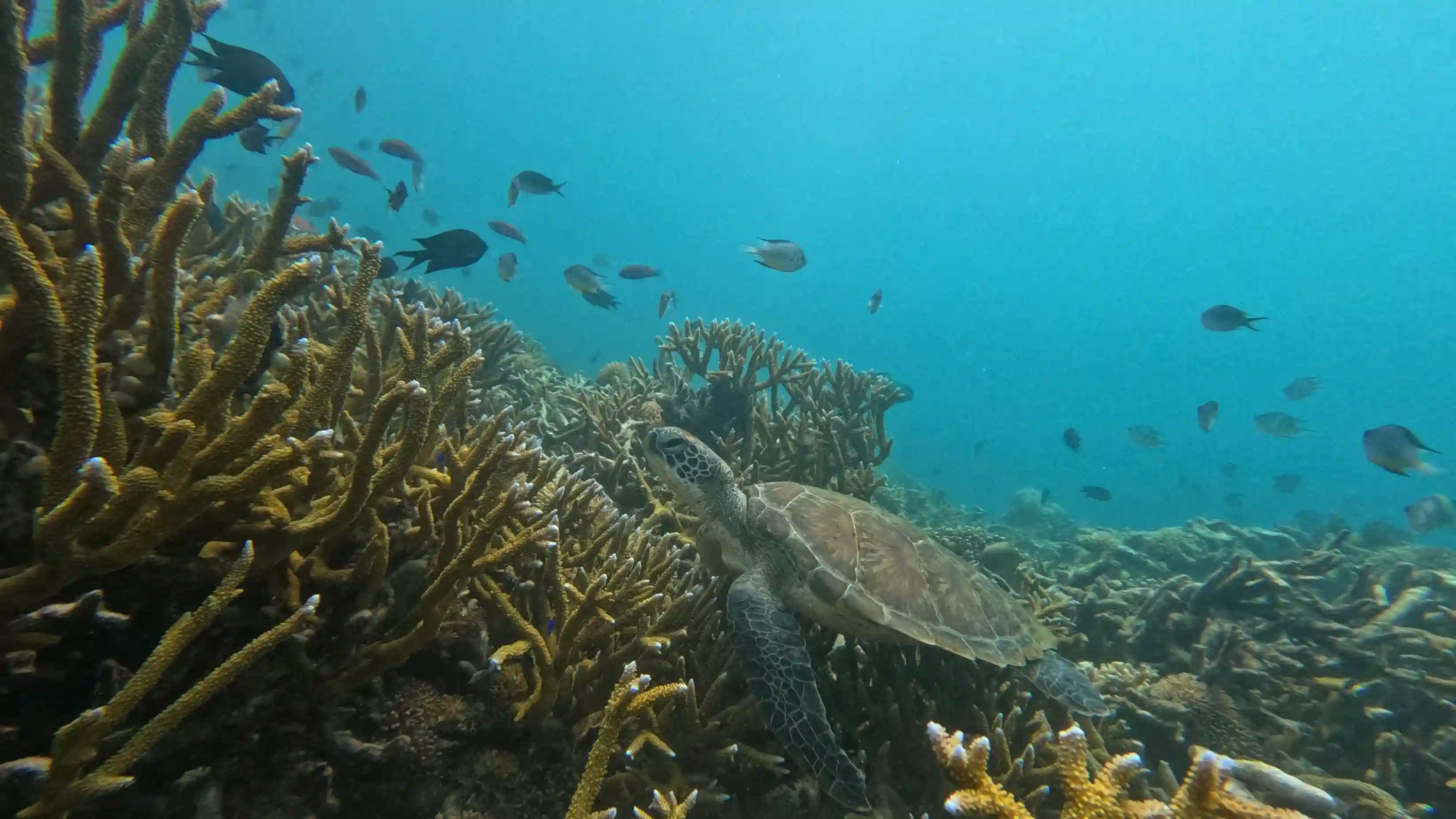
Komodo sits in the tidal flow between the Pacific and Indian Oceans, and that constant nutrient stream is why a compact area holds wide-angle, big-animal, and macro subjects within short sailing distances. The core photographic circuit:
| Site | Main Subjects | Style | Level |
|---|---|---|---|
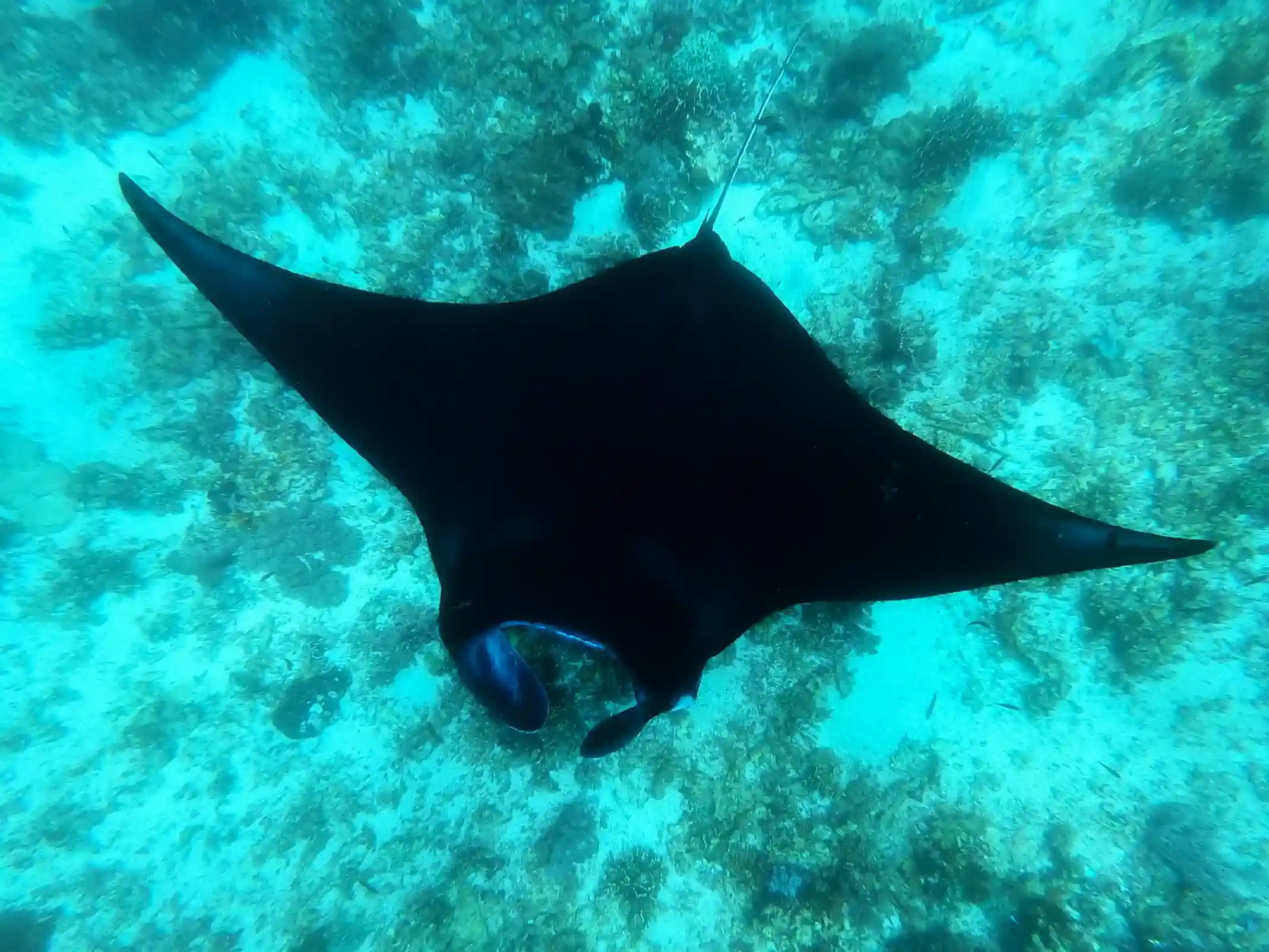
| Karang Makassar (Manta Point) | Reef manta rays at cleaning stations | Wide-angle drift | All levels, snorkel-friendly |
| Batu Bolong | Dense reef fish walls, turtles | Wide-angle reef scenics | Intermediate, current-dependent |
| Castle Rock | Trevally hunts, schooling fusiliers, sharks | Action wide-angle | Advanced |
| Siaba Besar | Turtles, seagrass, muck subjects | Relaxed wide and macro | All levels |
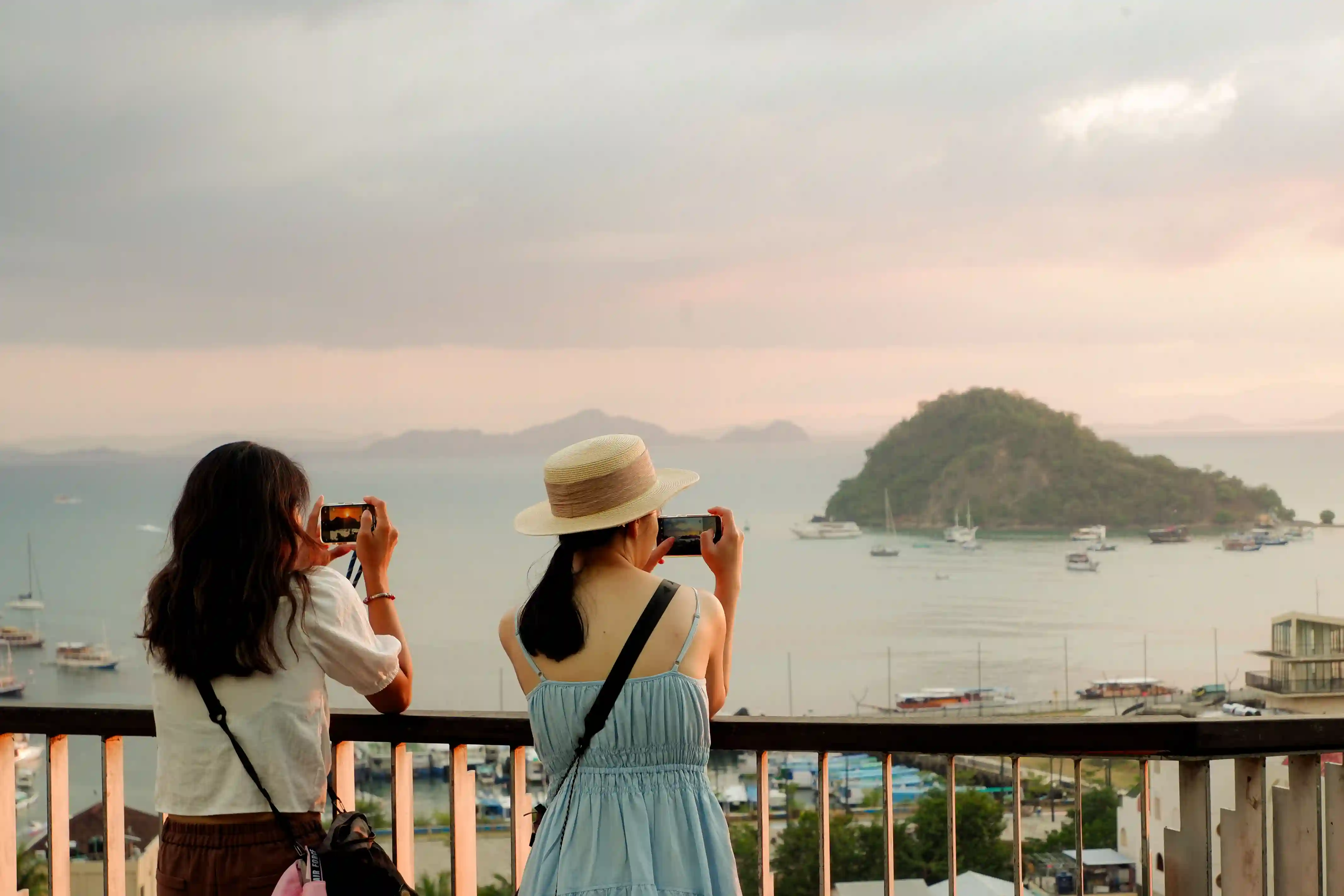
| Pink Beach reef | Shallow coral gardens, sunbeam scenics | Snorkel and split-shot territory | All levels |
How Are Currents Managed for Photographers?
Tidal exchange through the park’s channels can exceed several knots at peak flow, so photography schedules are written from the tide tables first and the site list second. Guides target the slack windows around tide turns for pinnacles like Batu Bolong and Castle Rock, when fish activity remains dense but holding position with a rig becomes practical. Drift sites such as Manta Point are shot moving with the current, camera into the flow, letting mantas approach the cleaning blocks undisturbed. Reef hooks, negative entries, and clear hand-signal plans are covered in the first briefing for anyone new to current diving with a camera.
What Camera Support Is Provided On Board?
Every photography departure sets up a dedicated camera station, because most housing floods trace back to hurried preparation rather than equipment failure. Standard support includes:
- A padded, towel-lined camera table separate from general gear areas
- Fresh-water rinse bins reserved for housings and strobes only
- Charging points near the camera table for batteries, strobes, and laptops
- Air-blower and silica access for o-ring checks between dives
- Evening image-review time with the guide to plan the next day’s targets
Bring your own spares for o-rings, sync cords, and batteries, as replacements for specific systems are difficult to source in Labuan Bajo.
Can Snorkelers and Mixed Couples Join?
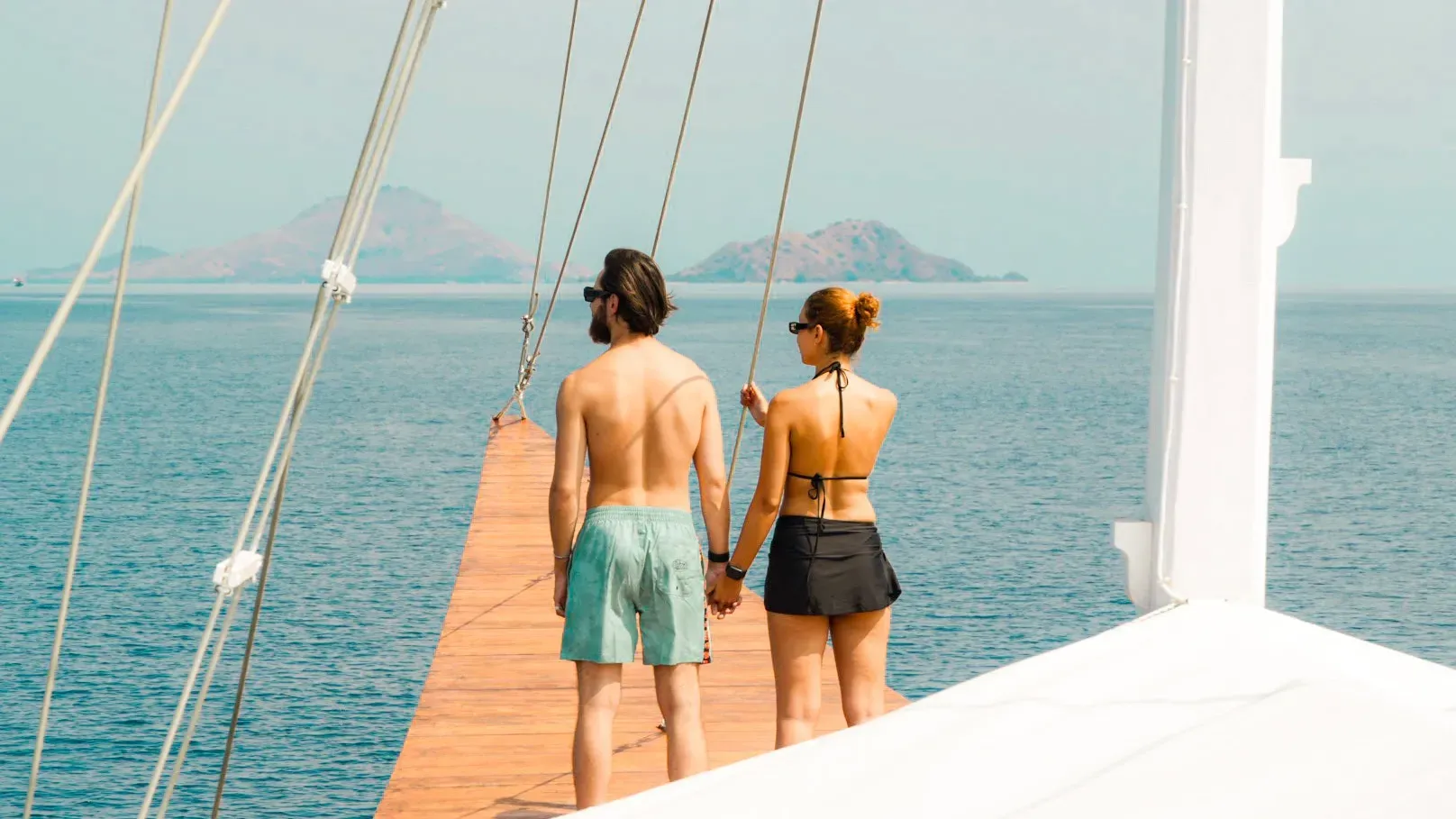
Yes, and the format genuinely favors them: reef mantas at Karang Makassar cruise in water often just three to ten meters deep, which puts snorkelers with cameras directly in the action zone. A snorkeling photographer can work Manta Point, Pink Beach, and Taka Makassar‘s sandbar shallows on the same schedule the divers follow, and the guide team splits coverage between the surface and depth. Couples where one partner dives and the other snorkels share the same boat, briefings, and image-review sessions.
How Do You Book and What Are the Options?
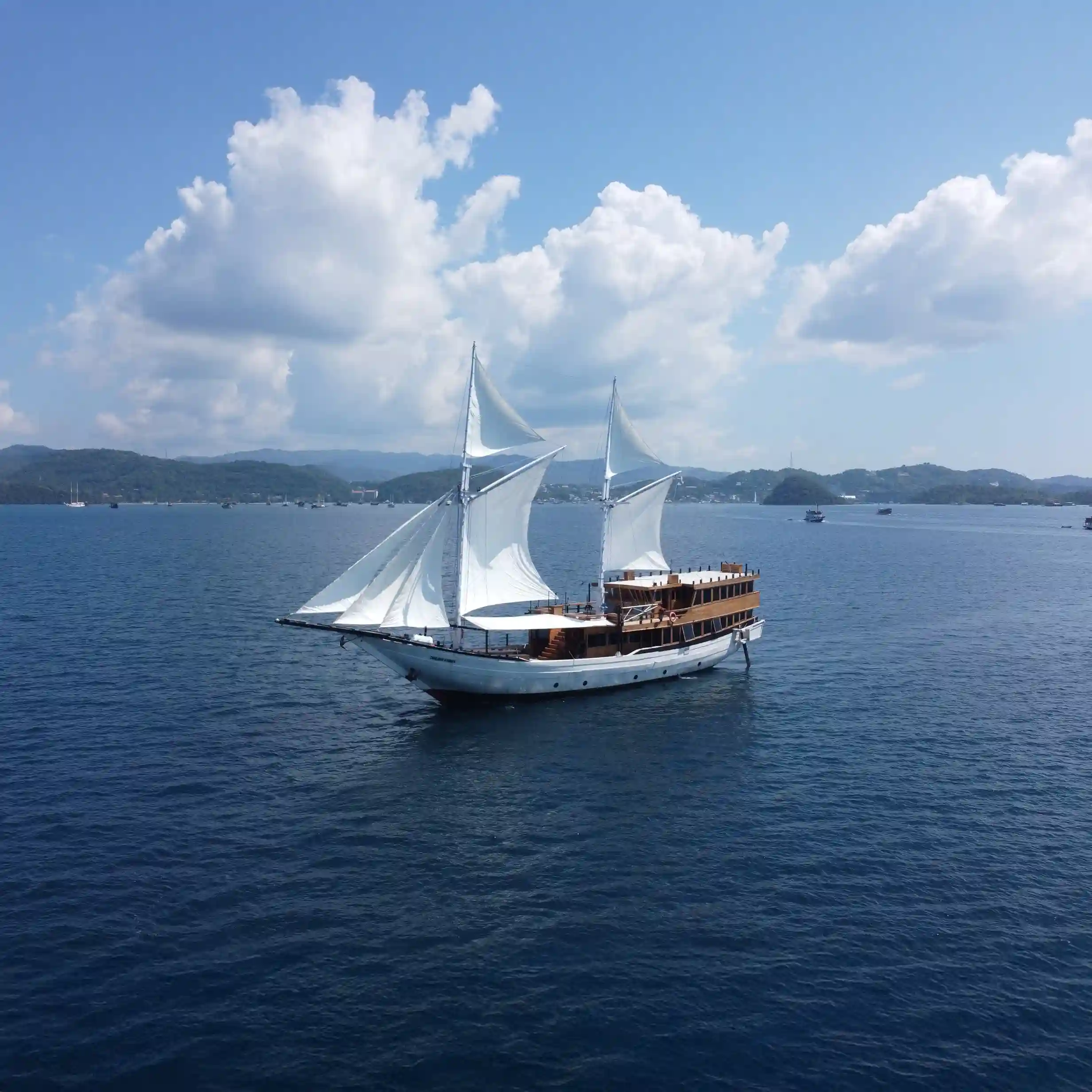
Photography departures run as day-boat programs from Labuan Bajo or as multi-day trips on liveaboards; the multi-day format reaches Castle Rock and the northern sites that day boats rarely visit, and pairs naturally with the format set out on our diving liveaboard guide. Surface-focused travelers can build the same trip around the Komodo snorkeling trip to Manta Point and Pink Beach, while first-time visitors comparing all underwater options should start with our overview of diving adventures in Komodo National Park. Tell Komodo Luxury your camera system, certification level, and target subjects, and they will propose dates with the right tide windows.
Photography Package Pricing and Booking
Photography departures are built as an add-on to Komodo Luxury’s standard diving and snorkeling programs rather than sold as a separate fixed-price product, so the actual cost depends on day-boat versus liveaboard format, group size and how many dedicated days you book. The clearest way to get a real number is to start from our Komodo liveaboard page for multi-day diving-photography routes, or from Komodo sailing trip if you want a slower phinisi format with dedicated camera-table space, and tell Komodo Luxury your camera system so the quote reflects the tide-window schedule this page describes rather than a generic day-trip price.
Last updated: 29 August 2026.
Frequently asked questions
How much does it cost to rent a boat in Komodo National Park?
Renting a boat in Komodo National Park varies by operator and boat type. Options range from budget-friendly local boats to mid-range speedboats and luxury liveaboards. Prices depend on the level of service, duration, and itinerary, with private charters offering flexibility for photography-focused trips.
What equipment is needed for drone photography in Komodo?
For drone photography in Komodo, you’ll need a drone with a high-resolution camera, spare batteries, and memory cards. Ensure you have a reliable controller and a device for live viewing. Check local regulations and park guidelines, as drone use may require permits or specific permissions.
How many dives or snorkel sessions are included per day?
Day-boat photography trips run two to three dives or three surface sessions, while multi-day liveaboard formats schedule three to four dives daily plus optional sunset or dusk sessions. Exact counts follow the tide tables, since shooting windows at current-driven sites matter more than raw dive numbers for bringing home strong images.
Mixing snorkellers and divers on one boat
Mixed groups work when the site list is chosen for both depths rather than for the divers alone. Manta Point at Karang Makassar is the clearest example: the cleaning stations sit shallow enough that a snorkeller on the surface and a diver on the sand are watching the same animals.
The arrangement breaks down at current-driven pinnacles. Batu Bolong, Castle Rock and Crystal Rock are dive sites in a real sense, and a snorkeller left on the surface there is drifting away from the boat rather than looking at anything. A good operator will say so and move the snorkellers to a sheltered reef for that hour instead of pretending one stop serves everyone.
What certification level do I need for the photography package?
An Open Water certification is enough for the central sites, including Manta Point and Siaba Besar, where depths stay moderate and drifts are manageable. Advanced certification and comfort in current are required for Castle Rock and Crystal Rock, where the strongest action happens. Snorkeling photographers need no certification at all and still cover the manta sites.
When is the best season for underwater photography in Komodo?
December to March brings peak manta ray activity at the cleaning stations as plankton concentrations rise, at the cost of occasional rain and softer visibility. July to September typically delivers the clearest water in the northern sites for wide-angle work. April to June balances calm seas, good visibility, and active reefs, making it the most versatile window.
Can I rent underwater camera equipment locally?
Rental availability in Labuan Bajo is limited and changes season to season, so the reliable approach is bringing your own housing, strobes, and spares. Compact systems and action cameras are the easiest to travel with, and guides adapt positioning to whatever rig you shoot. Confirm rental needs at booking so options can be checked for your dates.
How to find the best light for photography in Komodo?
To find the best light for photography in Komodo, plan dives and snorkel sessions around tidal slack and early morning or late afternoon for optimal natural light. Photography packages adjust entry times to match light direction, ensuring photographers capture subjects in the best possible conditions.
What are the best times to visit Komodo for photography?
The best times to visit Komodo for photography are during the dry season from April to November. This period offers clearer skies and calmer seas, enhancing underwater visibility. If mantas rather than reefscapes are the subject, the wet months of December to March are when they gather in the largest numbers at the cleaning stations — the trade being greener water and more cloud.
Which liveaboard offers dedicated photography itineraries Komodo?
Several liveaboards in Komodo offer dedicated photography itineraries, focusing on optimal light conditions and subject behavior. These itineraries often include longer dive times, repeated site visits, and guides experienced in underwater photography. Booking through operators like Komodo Luxury ensures a tailored experience.
How many dives in Komodo per day?
A typical photography dive package in Komodo includes two to three dives per day. This schedule allows for longer, slower dives focused on capturing the perfect shot. Surface intervals are designed for battery changes and image reviews, ensuring photographers have ample time to prepare for each dive.
Can you rent a private speedboat to Komodo National Park?
Yes, you can rent a private speedboat to Komodo National Park. This option provides flexibility in itinerary and timing, ideal for photographers seeking specific light conditions or subjects. Prices vary by operator and boat type, and it’s advisable to book in advance, especially during peak seasons.
How Komodo National Park is managed?
Komodo National Park is managed by Balai Taman Nasional Komodo under the Indonesian Ministry of Environment and Forestry. The park’s management focuses on conservation, visitor regulation, and sustainable tourism. Entry is regulated by a quota system, and visits require advance reservations via the SiOra e-ticket system.
How current dictates the shooting window
Komodo sits in the throat of the Indonesian Throughflow, where water moving between the Pacific and Indian Oceans is squeezed between islands. That is what feeds the reefs, and it is also what makes the place difficult to photograph: a site that is glassy at slack water can be running hard two hours later.
A photography-led itinerary is therefore built backwards from the tide table rather than from a list of famous names. Slack windows are short and they move by roughly fifty minutes a day, so the dive plan is redrawn each morning. If you want a stationary subject — a nudibranch, a cleaning station, a wide-angle reef scene with a diver in it — you need that window, and it is worth telling the guide in advance that you would rather sit out a drift than shoot one.
Plan Your Komodo Photography Trip with Komodo Luxury
Tell Komodo Luxury what you shoot, wide-angle mantas, reef scenics, or macro, and they will build a dive and snorkel schedule around the right sites and tide windows for your dates. Message the Komodo Luxury desk on WhatsApp at +62 811 3823 875 or email sales@komodoluxury.com to start planning.
For an unforgettable photography dive experience in Komodo National Park, consider a VIP boat charter that brings the details of this package to life. Explore the full fleet to find the perfect vessel for your adventure, and review Komodo Luxury’s boat tour lineup for private-group comfort. For more information or to compare options, visit Komodo Luxury’s trip FAQ.
Ready to turn this into a real Komodo National Park trip?