Komodo National Park Accessibility: Fitness, Kids and Seniors
How difficult is Komodo National Park for kids, seniors, or anyone with limited mobility? Both Rinca and Komodo Island offer short, medium, and long ranger-led trek options — short routes (roughly 30–45 minutes, mostly flat) suit most fitness levels, while long routes (up to 2–2.5 hours with ridge climbs) are genuinely strenuous.
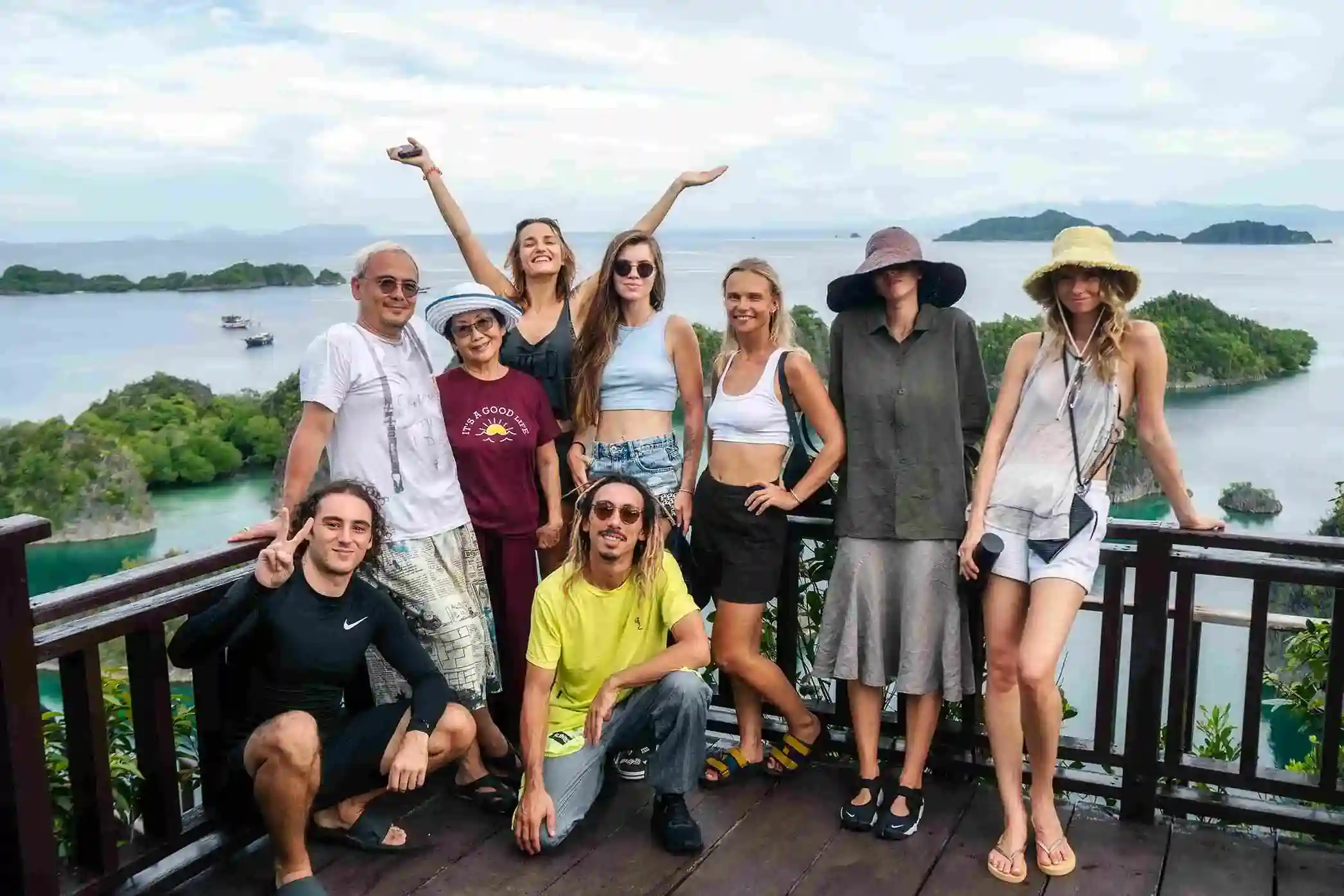
Komodo National Park is not built around a single fitness level, which is easy to miss when trip photos mostly show the same dramatic ridge-top views. The park’s own trek system already splits routes by difficulty, and this page uses that structure to answer the questions we hear most from families traveling with kids, older travelers, and anyone managing a health condition or limited mobility: which routes are realistic, which aren’t, and what alternatives exist.
How hard is the hike on Padar Island?
Padar Island’s viewpoint trail is the most physically demanding “must-see” walk most visitors do in the park, and unlike Komodo or Rinca, it doesn’t have an easy-route alternative — there’s essentially one path to the main viewpoint. Tour operator counts cluster around 800–840 constructed steps (no official park-measured figure has been published), with an elevation gain commonly cited around 170–200 metres from the beach to the main viewpoint. Most operators describe the walk up as taking roughly 30–45 minutes at a moderate pace, with the descent faster. The terrain itself isn’t technical — it’s a built staircase and path, not scrambling — but it is fully exposed to sun with no shade anywhere on the route, which is often the harder part in dry-season heat. Operators consistently describe the difficulty as “moderate,” with steepness and heat exposure as the real challenges rather than technical terrain.
What trek options exist on Rinca Island (Loh Buaya)?
Rinca’s dragon treks depart from the Loh Buaya ranger station in three commonly offered lengths:
| Route | Typical duration | Terrain | Suitability |
|---|---|---|---|
| Short | ~30–45 minutes | Mostly flat savanna and forest near the ranger station | Suits most fitness levels, including many older travelers and older children |
| Medium | ~60–90 minutes | Gentle hills, mix of shade and open savanna | Moderate fitness needed; not recommended for those with significant mobility limits |
| Long | ~1.5–2.5 hours | Ridge climbs, longer exposed stretches, rugged sections | Requires good fitness and comfort with heat and uneven terrain |
Durations and terrain descriptions are typical ranger and operator estimates rather than a single official published table; actual route length can vary slightly by the day’s dragon activity and ranger judgment.
What trek options exist on Komodo Island (Loh Liang)?
Komodo Island’s Loh Liang station offers a similar short/medium/long structure, generally covering more ground than Rinca’s equivalent routes: a short trek of roughly 40–60 minutes on largely flat coastal savanna near the station; a medium trek of around 1.5 hours that climbs a hill for panoramic views and passes a seasonal waterhole; and a long trek of roughly 2–2.5 hours extending further into the island’s interior with more sustained climbing and less shade. As with Rinca, exact distances vary by source (operational figures cited for Loh Liang put the routes at roughly 2 km, 4 km, and 8 km respectively for short, medium, and long), but the relative difficulty ordering is consistent across every operator description we reviewed: short is genuinely easy, medium is moderate, long is the one that requires real fitness.
Can children visit Komodo National Park?
Yes — families regularly bring children on the short and medium trek options at both islands, and there’s no evidence of a universal published minimum age restriction from the park authority that we could verify. In practice, the deciding factor is less about official age rules and more about a specific child’s comfort with heat, walking distance, and following ranger instructions closely (which matters given the dragon safety protocols). The short routes on Rinca and Komodo are the realistic choice for most families with younger children; the long routes and Padar’s step climb are better suited to older kids and teens who can sustain 1.5–2+ hours of walking in direct sun. Boat time is also worth planning around — young children can find several hours on an open speedboat tiring, which is one reason some families choose a slower, more comfortable wooden boat or short liveaboard instead.
Is Komodo National Park accessible for older travelers?
The short trek options on both Rinca and Komodo Island are realistic for many older travelers with reasonable general fitness and no significant mobility limitations — flat or gently graded terrain, shorter duration, and rangers who pace the walk to the group. The bigger consideration for older travelers is often less the trekking itself and more the cumulative day: boat transfers, heat, sun exposure, and getting on and off boats at docks that don’t always have handrails or level boarding. Anyone managing a cardiovascular condition, joint issues, or heat sensitivity should discuss the specific trip plan with a doctor beforehand and choose the short trek options, avoid Padar’s step climb, and prioritize an operator who confirms a comfortable, stable boat with easy boarding rather than the fastest or cheapest option.
Is there wheelchair access in Komodo National Park?
No formal wheelchair-accessible trekking infrastructure exists on Komodo, Rinca, or Padar Island — the trails are natural or semi-improved dirt and stone paths, the ranger stations are basic, and boat boarding at most piers involves steps or a gangway rather than a level, ramped entry. Travelers using a wheelchair or with significant mobility limitations should discuss this directly and specifically with their tour operator before booking, since accommodation varies boat to boat and dock to dock — some larger vessels have more manageable boarding than others, but none of the park’s own trekking terrain has been adapted for wheelchair use.
What about seasickness and boat comfort?
Seasickness is a real, common concern rather than a minor one, particularly on faster open speedboats crossing exposed water, and particularly in wetter-season months when swell is more likely. Sitting toward the boat’s center (where motion is least exaggerated), keeping a clear horizon in view, and taking motion-sickness medication before departure rather than after symptoms start are the standard practical measures operators recommend. Travelers who know they’re prone to seasickness may find a larger wooden liveaboard genuinely more comfortable than a fast open speedboat, since a heavier hull rides swell more steadily — this is a real trade-off worth discussing when choosing between a Komodo boat tour day trip and a multi-day Komodo liveaboard.
Are there swimming restrictions in the park?
Swimming and snorkeling are permitted at designated spots such as Pink Beach and various reef sites, generally with a guide or crew member present, and always subject to a given day’s current and weather conditions — a spot considered safe on a calm day can be closed or discouraged if currents pick up. There is no park-wide blanket restriction on swimming, but guides and boat crews make site-by-site calls, and following that guidance rather than swimming independently at an unfamiliar spot is the standard safety practice here given how variable currents can be between sites.
What about pregnant travelers or specific health conditions?
There’s no official park rule barring pregnant travelers, but the combination of heat, boat motion, uneven terrain, and being some distance from medical facilities is worth weighing carefully rather than assuming a short trek is automatically fine. The short, flat trek options at either island, paired with a stable boat and a conservative approach to sun and heat, are the more sensible choice during pregnancy over the long routes or Padar’s step climb. The same caution applies to travelers managing conditions such as heart disease, uncontrolled hypertension, or significant respiratory limitations — Labuan Bajo has basic medical facilities, but the park’s ranger stations themselves are remote, and reaching advanced care from Komodo or Rinca Island takes real time by boat. A conversation with a doctor before the trip, and honesty with your tour operator about any condition that could affect trekking or heat tolerance, is the safer approach than working it out mid-trek.
How should you prepare physically before visiting?
None of the park’s trek routes require athletic-level fitness, but a small amount of preparation makes a real difference to how the day feels, particularly for the medium and long routes or Padar’s climb. Comfortable, broken-in closed shoes with grip (not sandals) matter more than any other single item, since loose gravel and uneven steps are where most minor injuries happen. Building some tolerance to walking in heat beforehand — even brief outdoor walks in the weeks before the trip — helps more than gym-based fitness alone, since heat management is the actual limiting factor on most of these routes rather than raw endurance. Carrying and drinking more water than feels necessary, starting before you’re thirsty, is standard guide advice here precisely because the exposed, shade-free terrain dehydrates faster than most visitors expect.
Sources and review
Last updated: August 2026. Trek durations, step counts, and elevation figures are compiled from multiple independent tour-operator guides and ranger-station descriptions rather than a single official park measurement; no authoritative published age restriction or park-wide life-jacket regulation was located, and both are noted as such above.
Frequently asked questions
Do you need to pay separately for what are the camera restrictions in the park?
No. Photography is generally allowed without a separate camera fee, so there is usually nothing extra to pay just to bring a camera. Your main costs are the park entry ticket and any required ranger or activity arrangements. Keep your gear secure, avoid disturbing wildlife, and follow ranger instructions, especially during close encounters or sensitive landings.
Is Rinca Island safe to hike for elderly travelers?
The short trek option (roughly 30–45 minutes on mostly flat terrain) is realistic for many older travelers with reasonable fitness; the medium and long routes involve hills and longer exposure that suit only those with better fitness and heat tolerance.
Are life jackets required on Komodo National Park boats?
Reputable operators provide and expect life jackets to be worn during boat transfers and water activities as standard safety practice, though we could not verify a single, universally published park-wide regulation mandating this for every vessel — choose an operator that visibly follows this practice regardless.
What are the restrictions on visiting the park?
Visitors to Komodo National Park must book in advance via the SiOra e-ticket system for Komodo and Padar Islands. A daily visitor quota of 1,000 people applies across the park. Independent trekking is not allowed; a ranger must accompany all visitors. Park fees and a ranger/guide fee are mandatory.
The cap is administered through timed sessions rather than one morning rush, which is why session choice matters as much as date choice, and it operates at the SiOra booking portal.
Do children have age restrictions for Komodo dragon tours?
There are no specific age restrictions for children on Komodo dragon tours, but parents should consider their child’s ability to handle the terrain and heat. Short treks on Rinca and Komodo Islands are generally suitable for older children, while the more strenuous Padar Island trail may not be appropriate for younger ones.
For paperwork, safety checks, and park quotas, how to prepare for a diving trip to Komodo?
Contact a Labuan Bajo dive shop early, as daily visitor quotas and SiOra e-ticket rules apply if your itinerary includes Komodo or Padar. Confirm they will secure your park entry, list you under the correct session, and organise any required ranger. Have passport details, certification cards, and recent dive logs ready. Clarify whether entrance, ranger, and boat costs are bundled, and carry travel insurance that covers remote evacuations.
Are there any restrictions on visiting Komodo Island for day trips and landings from boats?
Yes, there are several. Since April 2026, day visitors must have a confirmed SiOra e ticket for Komodo. Landings are only allowed in designated areas and you must join a guided walk with an official ranger, not wander independently. Drone flying is tightly controlled, with permits and no fly zones. Some trails may close during bad weather or for conservation, and boats must follow park anchoring and waste rules.
How hard is the Padar Island viewpoint hike?
Moderate difficulty: roughly 800–840 steps and 170–200 metres of elevation gain, taking about 30–45 minutes up. The challenge is steepness and full sun exposure rather than technical terrain, and there’s no easier alternate route to the main viewpoint.
Can young children go on a Komodo National Park tour?
Yes, generally on the short trek options at Rinca or Komodo Island; no universal published minimum age restriction was confirmed, but comfort with heat, distance, and following ranger safety instructions matters more than a specific age cutoff.
Is there wheelchair access on Komodo or Rinca Island?
No formal wheelchair-accessible infrastructure exists on the park’s trekking trails or most boat docks; travelers with mobility limitations should discuss specific arrangements directly with their operator before booking.
What is the easiest hike in the park?
The short trek options at Rinca Island’s Loh Buaya station (roughly 30–45 minutes, mostly flat) and Komodo Island’s Loh Liang station (roughly 40–60 minutes) are the least strenuous ranger-led routes in the park.
How accessible is Komodo National Park for seniors?
Komodo National Park offers short, mostly flat treks on Rinca and Komodo Islands that suit many seniors. These routes last around 30–45 minutes and provide a chance to see the park’s wildlife without strenuous effort. However, Padar Island’s viewpoint trail is more challenging, with steep steps and no shade, which may not be suitable for all seniors.
What is the accessibility of the park?
Komodo National Park accommodates various fitness levels with its range of trek options. Short treks on Rinca and Komodo Islands are accessible for most visitors, including seniors and children, while longer treks require more stamina. Padar Island’s viewpoint trail is the most demanding. Wheelchair access is limited due to the natural terrain.
Are there easy walking paths for seniors in the park?
Yes, there are easy walking paths for seniors on Rinca and Komodo Islands, with short treks lasting around 30–45 minutes on mostly flat terrain. These routes are designed to accommodate visitors with varying fitness levels, making them suitable for older travelers seeking a less strenuous experience.
How to prepare for a trip to the park?
To prepare for a trip to Komodo National Park, book your visit in advance via the SiOra e-ticket system. Plan for varying trek difficulties and pack essentials like sun protection, water, and sturdy footwear. Consider your fitness level and choose treks accordingly. Be aware of the park’s visitor quotas and mandatory ranger accompaniment.
For budgeting and logistics, what are the best travel tips for seniors visiting the park?
Plan short day trips from Labuan Bajo, using reputable operators who understand slower walking speeds and help with boat embarkation. Factor in the park entrance rate of USD 40 per person per park day, or USD 50 at a weekend or on a public holiday. Book Komodo and Padar visits in advance through the SiOra e-ticket system. Choose calmer seas seasons, request shaded seating on boats, and confirm drinking water and basic medical supplies are included.
How should you prepare a September trip so nothing surprises you late?
Reserve your Komodo and Padar entry slots through the official SiOra e-ticket system as soon as September dates appear, as daily quotas and manta season can fill sessions. Budget for the foreign visitor entrance ticket plus a per-group ranger fee and boat charter or tour costs. Confirm whether your boat operator includes ranger fees. Bring cash for rangers, island kiosks, and any unexpected local services, and save all e-tickets offline.
How do changing park conditions affect accessible tour choices for visitors with limited mobility?
The main practical issues are uneven paths, steep pier steps, shifting visitor quotas, and trail changes that can bypass the easiest routes. In that sense, the real answer to what are the main threats to Komodo National Park is how these factors limit which landings and walks you can attempt. Prioritize tours using sturdier boats, calmer routes, shorter, flatter walks, shaded waiting areas, and firm confirmation of boarding assistance in advance.
Send Komodo Luxury your dates; they come back with options
Travel dates, group size and what matters most — trekking, diving, a private charter or a shared boat. Our booking partner replies with current pricing.