
Komodo National Park Rules, Zones and Fees
Komodo National Park in 2026 operates under a zoned management system run by the park authority ( Balai Taman Nasional Komodo ) from Labuan Bajo, Flores.
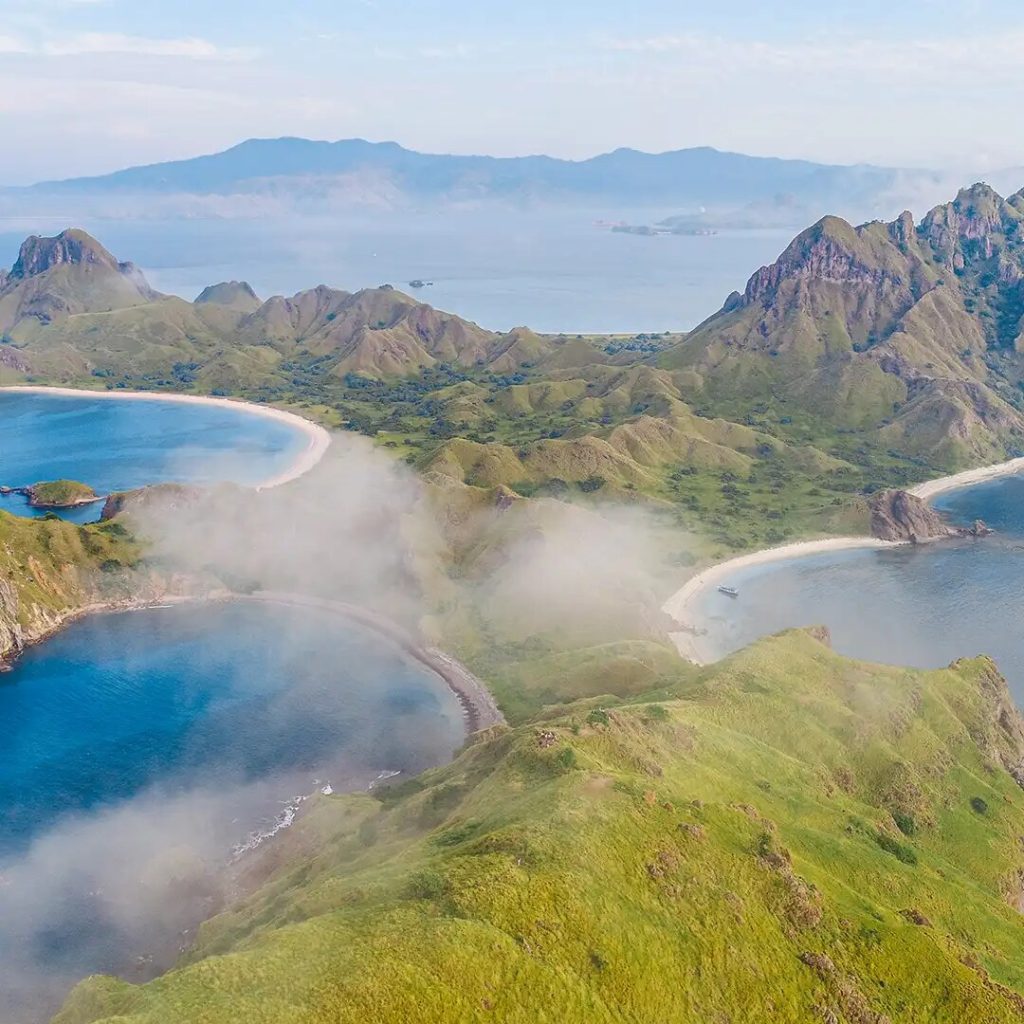
Published August 9, 2026 · Last updated: August 2026
Visitors can only land on the islands with a licensed guide or ranger, the flat entrance ticket and small per-group ranger fee are paid through the park office or an authorized tour operator, and since 1 April 2026 every visitor books through the online SiOra system rather than buying tickets on arrival. In practice, almost every traveler experiences the park through a licensed boat operator, who handles permits, ranger assignments, and routing between Padar, Komodo, Rinca, and the snorkeling sites.
How the park is organized: zones you will actually notice
Komodo National Park covers roughly 1,733 km² of islands and marine area between Sumbawa and Flores. On paper it is divided into core, wilderness, tourism-use, research, and traditional-use zones; on the water, three distinctions matter to visitors:
- Tourism-use areas — the trekking trails on Komodo, Rinca (Loh Buaya), and Padar, plus marquee marine sites such as Pink Beach, Taka Makassar, Manta Point, and Kanawa. Landings are permitted here, always with a ranger or licensed guide.
- Core and wilderness zones — closed to general tourism. Boats transit past them but do not land. Drones without a permit, fishing, and anchoring on reefs are prohibited throughout the park.
- Traditional-use zones — areas where local communities, including Komodo village itself, retain fishing and settlement rights. Respectful visits are possible on some itineraries.
For the full zoning breakdown and conservation history behind it, see our Komodo National Park conservation guide.
Fees and permits in 2026: who pays what
Fees are set under national regulation PP 36/2024 and are typically bundled into your boat charter or day-trip price by licensed operators. The table below summarizes the components every itinerary has to account for.
| Fee component | Charged per | How it is usually handled |
|---|---|---|
| Park entrance ticket (PNBP) | Person, per visit | Purchased through the operator via SiOra; the foreign-visitor rate is USD 40 on a regular day and USD 50 at weekends and on public holidays, and the domestic rate steps up the same way (USD 20 and USD 25). Already covers trekking, wildlife viewing, and snorkeling. |
| Ranger / naturalist guide | Small group (1 – 5), per trekking site | Mandatory on Komodo, Rinca, and Padar; assigned at the ranger station, commonly advanced by the operator; collected inside the entrance rate, not billed separately |
| Boat entry and mooring permit | Vessel | Held and paid by the boat operator — a licensed operator will show this on request |
Trekking, wildlife viewing, and snorkeling are already included in the flat entrance ticket above — the park does not itemize or bill these as separate activities. Diving costs (tanks, guide, boat) are set by your dive operator, not by the park authority. The practical takeaway: a reputable operator quotes a price that already contains every line above except, occasionally, the personal entrance ticket — and it will say so in writing. If a quote is vague about park fees, that is a red flag. Full breakdown: our park fee structure page.
Ranger rules on the islands
Komodo dragons are wild predators, and the ranger system exists because of that. The rules visitors encounter on every landing:
- Stay with your ranger and inside the marked trails at all times; groups are kept small, generally one ranger per five visitors.
- Keep a respectful distance from any dragon; no flash photography at close range; no sudden movements or loud noise.
- Visitors with open wounds are asked to notify rangers, who take extra precautions — dragons track scent.
- No food on the trails, no feeding wildlife, and nothing natural leaves the island: no shells, bones, or coral fragments.
- Trekking happens within three booked SiOra sessions (05:00 – 08:00, 08:00 – 11:00, 15:00 – 18:00); midday landings are avoided for heat safety.
Full detail on all park rules, including documented incident history and what to wear: our park rules overview.
How licensed boat operators work inside the park — and what “safe” looks like
Every multi-day itinerary in the park runs from Labuan Bajo, and the operator you choose determines most of your safety margin. Credible operators share a recognizable pattern: vessels holding current seaworthiness certificates and park permits, licensed captains and crew who sail these waters year-round, life jackets and rafts sized for the full guest count, functioning radio and navigation equipment, weather-based itinerary discretion (the harbormaster can and does hold departures in rough conditions), and clear evacuation plans given that the nearest hospital is in Labuan Bajo. Authorities have tightened inspections over the years following incidents involving uncertified boats — which is exactly why permit paperwork is worth asking about before you book.
How we evaluate operators
When this site references which operators to point readers toward, we look at verifiable, checkable factors rather than marketing claims: whether the company owns and maintains its own vessels or resells third-party boats, whether pricing is published and itemized (including park fees), whether the company holds a real, checkable business registration, and whether licensed crew and a genuine Labuan Bajo office back the operation. We do not rely on review counts or star ratings from any platform to make this judgment, because we have no independently verified data behind those numbers for any operator, including the ones we mention.
An operator referenced on this site: Komodo Luxury
One operator this guide references for context is Komodo Luxury, operated by PT Komodo Bahari Nusantara, a licensed Indonesian tourism company (KBLI 79120) that has run charters in the Komodo region since 2015. Komodo Luxury owns and operates nine vessels directly — including the 78.2-meter Komodo Signature and the 66-meter Komodo Prestige — alongside a separately labeled network of vetted partner boats, and publishes its rates directly rather than only through third-party resellers. Its Komodo boat tour lineup spans day trips through multi-day charters, and the 3D2N Komodo itinerary covers the classic full-park route: Padar, Komodo, Pink Beach, Manta Point, and Kalong in one loop. We do not publish a star rating or review count for this or any operator on this page, because we have no independently verified survey data to support one.
Other operator types worth knowing about
- Whole-boat charter across budgets: companies specializing in private hire of vessels from standard to premium class are the practical choice for groups that want the boat to themselves without luxury-tier pricing.
- Open trips and shared departures: scheduled open-trip operators running fixed itineraries from Labuan Bajo are the economical way for solo travelers and couples to see the park.
See our budget vs. luxury tour comparison for how to weigh these formats against each other.
Planning notes for 2026
The dry season (April – November) is prime sailing weather; July – August and the December holidays book out first, and manta encounters at Manta Point skew toward the northern-site wet-season window. Book with real lead time for peak dates — see our booking lead-time guide for the full seasonal breakdown, since booking pressure now also depends on the SiOra daily cap, not just boat demand. Fly into Labuan Bajo (LBJ), which receives direct flights from Jakarta and Bali; boats board at the marina a short drive from the airport.
More posts
Sources and review
Disclosure: Komodo Luxury, referenced above, is part of the same wider Juara Holding Group network as this site. Fee figures cited here come from Indonesia’s PP 36/2024 regulation and the park authority’s own published rules, linked throughout this page.
Frequently asked questions
Can I visit Komodo National Park without a tour operator?
Not meaningfully. Independent travelers can arrange entrance permits through SiOra, but landings still require a ranger, and the islands are only reachable by permitted boats — so in practice every visitor travels with a licensed operator, whether on a shared day trip or a private charter.
What safety measures apply to boats in Komodo National Park?
Licensed vessels must carry valid operating permits, seaworthiness certificates, life jackets for all guests, and communication equipment; the Labuan Bajo harbormaster holds departures in dangerous weather, and rangers control all island landings.
Are the park fees included in tour prices?
Usually yes with established operators — the entrance ticket and ranger fee are bundled or clearly itemized (snorkeling and trekking are already included in the entrance ticket, not billed as extra activity fees). Confirm in writing, since fee levels are set by national regulation and reviewed periodically.
How far in advance should I book a Komodo boat trip?
Roughly four to eight weeks ahead for July–August or holiday periods, and one to two weeks ahead in quieter months; see our dedicated booking lead-time guide for the full reasoning, since we do not rely on any single manufactured statistic to answer this.
Is Komodo National Park safe for families?
Yes, with normal precautions: children stay close to rangers on treks, many operators set minimum ages for the dragon islands, and calm-season sailing from April to November suits first-time boat travelers best.
Disclosure: Komodo Luxury, referenced above, is part of the same wider Juara Holding Group network as this site. Fee figures cited here come from Indonesia’s PP 36/2024 regulation and the park authority’s own published rules, linked throughout this page.
What is included in the Komodo National Park ticket?
The Komodo National Park ticket includes entry to the park and covers conservation, dock, and insurance components. It also covers the mandatory ranger escort, which is not billed separately. Visitors must book their tickets in advance through the SiOra e-ticket system.
In practical terms, does Komodo National Park charge extra fees for drones and who handles the permits?
The park itself does not publish a standard “drone fee”, but flying heavier drones requires a SIMAKSI permit from the Komodo National Park authority plus national aviation clearance. Operators handling the paperwork commonly quote around USD 135 per person for it, on top of your park entrance rate. Some tour operators also charge a handling fee for arranging paperwork and coordinating compliant flight plans. Always confirm current requirements and any related charges directly with the park office or your chosen operator before you travel.
Are Komodo National Park guides and rangers included in the ticket?
Guides and rangers are not included in the Komodo National Park ticket. The mandatory ranger escort is paid for inside the park entrance rate rather than billed separately. This fee is essential for guided tours, as independent trekking is not allowed.
What are the park entry fees for Komodo National Park?
The park entry fee for foreign visitors is USD 40 (USD 50 at weekends and on public holidays) per person per visit, while Indonesian citizens pay USD 20 on a regular day and USD 25 at weekends and on public holidays. These fees are part of the e-ticket purchased in advance via the SiOra system.
What are the zoning regulations in the park?
Komodo National Park is divided into core, wilderness, tourism-use, research, and traditional-use zones. Visitors primarily interact with tourism-use areas, where trekking and snorkeling are allowed with a ranger. Core and wilderness zones are off-limits to tourists, while traditional-use zones allow local communities to fish and settle.
Are Komodo National Park entrance fees increasing in 2026?
As of 2026, the Komodo National Park entrance fees remain set under Government Regulation PP No. 36/2024. There is no indication of an increase in these fees. The current rates are USD 40 per foreign visitor on a regular day and USD 50 at weekends and on public holidays, USD 20 and USD 25 for Indonesian citizens, depending on the day.
When checking online what are the entry fees for Komodo National Park, do I have to prebook to see the latest prices?
Yes, you should plan on booking ahead if you want reliable, up to date entry fee information for Komodo and Padar. Since April 2026, visitors use the official SiOra e ticket system, which displays the current ticket and ranger costs before payment. This matters because the park uses a daily quota and prices differ for Indonesians and foreign visitors, as well as weekdays and weekends.
Are there ranger fees in the park?
Yes, there are ranger fees in Komodo National Park. A licensed ranger is required for guided tours, and the fee sits inside the park entrance rate. This fee ensures that visitors are accompanied by a ranger, as independent trekking is not permitted.
What are the ranger fees in Komodo National Park if you join a shared hiking group instead of arranging your own private guide?
Ranger fees are charged per guided group of up to five visitors, so joining a shared group lets you split the cost with others rather than paying it alone. You normally pay at the ranger post on Komodo or Rinca just before the walk, in cash to park staff. If a group is too large, it will be split and each subgroup pays its own ranger fee.
Which islands to visit in the park?
In Komodo National Park, the main islands to visit are Komodo, Rinca, and Padar. Each offers unique experiences, such as trekking to see Komodo dragons, enjoying panoramic views, and exploring diverse marine life. Visits to Komodo and Padar require advance reservations through the SiOra system.
Can you visit Komodo National Park in one day?
Yes, you can visit Komodo National Park in one day. Many tour operators offer day trips from Labuan Bajo, covering highlights like Komodo Island, Rinca, and popular snorkeling spots. Ensure you book in advance through the SiOra system and plan your itinerary to make the most of your visit.
Start Planning Your Komodo Trip
Tell Komodo Luxury your travel dates, group size and priorities — trekking, diving, a private charter or a budget-friendly shared boat — and they will put together options with current pricing.