Book a Komodo Snorkeling Trip: Manta Point and Pink Beach
The two standout snorkeling stops inside Komodo National Park are Pink Beach, for calm, shallow reef snorkeling close to shore, and Manta Point (Karang Makassar), a cleaning station where manta rays gather and can often be seen from the surface.
Both are typically combined into the same day trip or built into a multi-day itinerary. Trips are arranged through Komodo Luxury’s Komodo boat tour, with crew, snorkeling gear and park permits included.
This page is about booking a snorkel-focused boat day and what a guided trip to these two stops includes. For a site-by-site comparison of every snorkeling stop in the park, including the quieter alternatives that suit weaker swimmers, read where to snorkel in Komodo.
Pink Beach: what snorkeling there is actually like
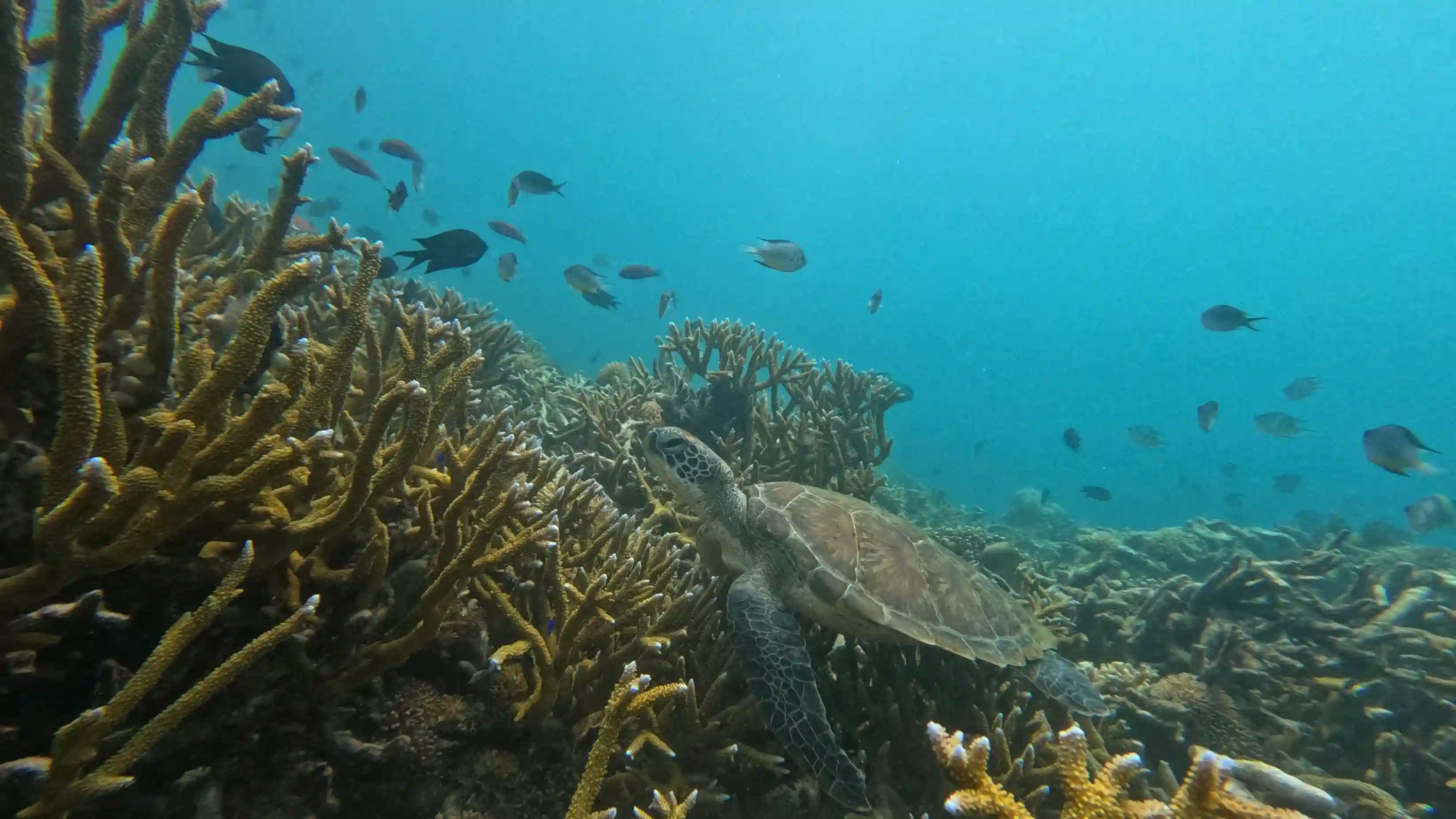
Pink Beach sits on Komodo Island’s southern coast, named for sand tinted by fragments of red foraminifera mixed with white coral sand. The reef just offshore is shallow and relatively sheltered, which makes it a comfortable, low-current stop suitable for beginner snorkelers and most swimming abilities. Expect healthy coral cover close to the beach, reef fish typical of the wider Coral Triangle, and generally good visibility outside of the rainier months. Because the site is shallow and calm compared to the current-swept dive sites further south, it’s usually the snorkel stop paired with a full-day speedboat trip rather than requiring a dedicated dive-focused excursion — see our full-day speedboat tour guide for how it fits into a typical schedule.
Manta Point (Karang Makassar): what to expect
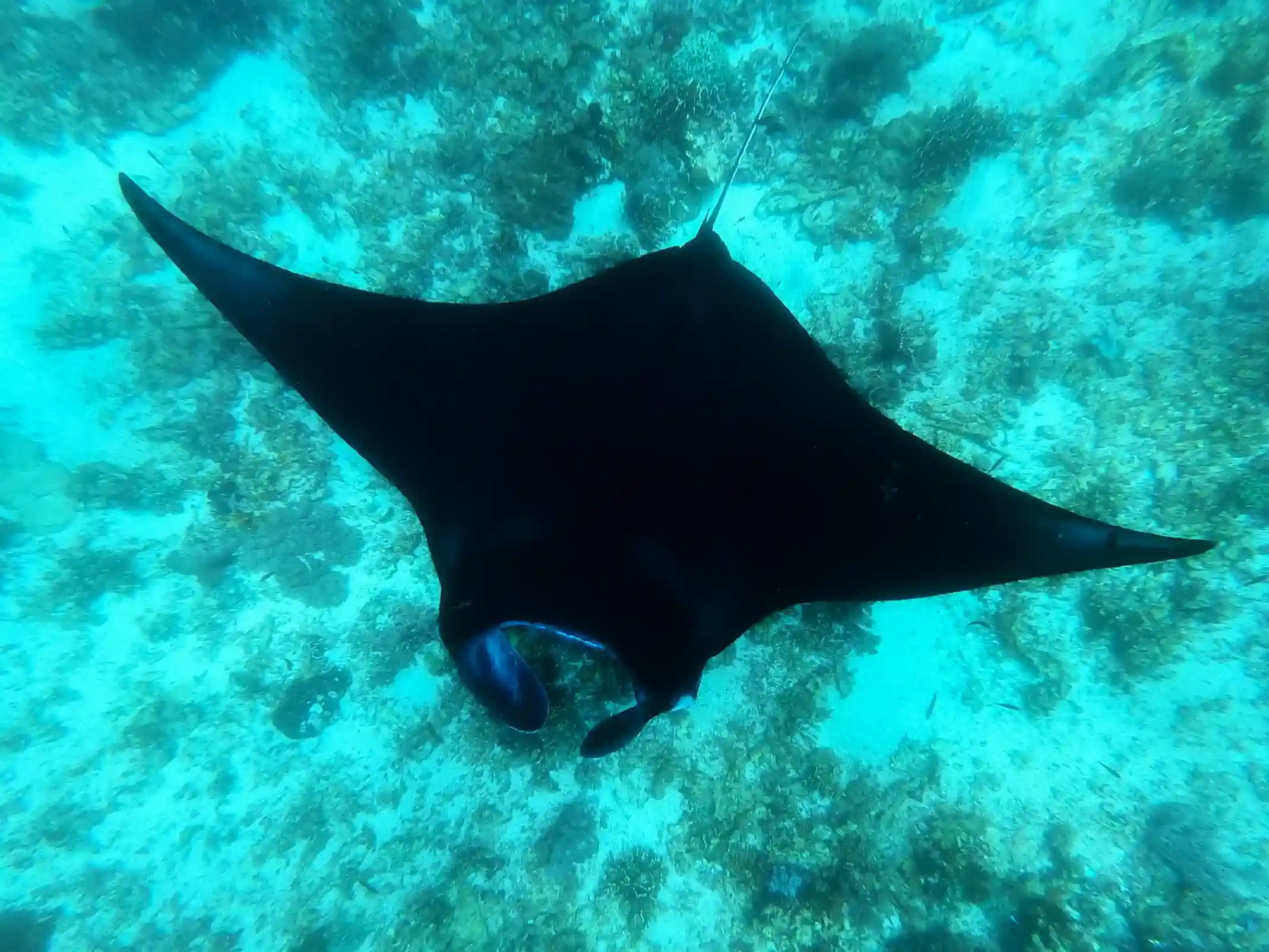
Manta Point sits roughly midway between Komodo and Rinca in the calmer northern part of the park, at a cleaning station where manta rays regularly gather to have parasites removed by small cleaner fish — a behavior that makes sightings considerably more predictable here than in open water. The cleaning stations themselves sit at a depth of roughly three to ten meters, but manta rays frequently glide close enough to the surface that snorkelers, not just divers, get a clear view of them passing beneath. Encounters are not guaranteed on any single visit — mantas follow their own patterns and currents shift daily — but operators who run this route regularly report sightings on a large majority of visits during the main season.
A second, less-visited site, Manta Alley, sits further south near Komodo Island’s southern coast, where currents and swell typically run stronger — it tends to be a dive-focused site for more experienced visitors rather than a standard snorkeling stop.
| Pink Beach | Manta Point (Karang Makassar) | |
|---|---|---|
| Water conditions | Shallow, calm, sheltered | Open water, moderate current, depth to ≈15m at cleaning stations |
| Main draw | Coral reef, reef fish, pink sand | Manta ray sightings |
| Suitable for beginners? | Yes | Comfortable swimmers; a life vest or snorkel-guide float is sensible given current |
| Sighting guarantee | Reef and fish life reliably present | No guarantee — mantas follow their own pattern; strong odds in-season |
| Typical pairing | Rinca or Komodo Island dragon trek, same day | Multi-day itinerary or a dedicated snorkel/dive-focused day |
What’s included in a Komodo snorkeling trip?
Guided snorkeling trips arranged through Komodo Luxury include mask, snorkel and fins, a crew member briefing you on the site’s conditions before you enter the water, and a boat positioned to pick up snorkelers along a drift rather than requiring you to swim back against current. Wetsuits or rash guards are recommended for sun and light stinger protection rather than warmth, since water temperatures in this part of Indonesia are warm year-round. If your priority is scuba diving rather than snorkeling at these same sites, ask your operator about certification requirements before booking, since some dive sites in the park are recommended for certified divers with local site experience rather than open to first-time divers.
Best time of year and time of day to snorkel in Komodo
Underwater visibility and sea state vary with the monsoon pattern — broadly calmer seas in the dry season (roughly April through November) versus a higher chance of rain and rougher water in the wettest months (December-March). Morning departures generally mean calmer water before afternoon wind picks up, which is part of why most operators schedule the Pink Beach and Manta Point stops earlier in the day’s itinerary rather than as a late-afternoon add-on.
Do you need a national park ticket for these snorkeling stops?
Pink Beach sits on Komodo Island and is generally visited on the same permit as a Komodo Island dragon trek rather than requiring a separate ticket, though this can depend on your exact itinerary — confirm with your operator. Manta Point sits in the park’s marine zone; whether a specific SiOra entry applies depends on your route and which islands you also visit that day. See our SiOra registration overview for the current park-wide rules, and confirm your specific itinerary’s requirements with your operator before departure.
The reservation system is run by the park rather than by any operator, which is why every itinerary funnels through the same portal, and the booking system is the SiOra booking portal.
What to bring for a Komodo snorkeling day
- Reef-safe sunscreen — standard sunscreen contains chemicals harmful to coral, and most operators now ask guests to use reef-safe formulas
- A rash guard or lightweight wetsuit top, both for sun protection during long surface swims and as a buffer against the rare stinger
- Your own mask if you have one and prefer a familiar fit, though a standard mask, snorkel and fins are provided
- A dry bag for phones and cameras between snorkel stops
- Motion-sickness medication if you’re prone to it — the open-water crossing to Manta Point can have more swell than the sheltered approach to Pink Beach
Marine safety notes
Currents around Manta Point and the wider marine park can be stronger and less predictable than the calm water most snorkelers are used to — always snorkel with the group, follow your guide’s positioning instructions, and use a life vest or tow float if offered, particularly if you are not a strong swimmer. Coral in this park is part of a protected marine ecosystem: standing on coral, touching marine life, or removing anything from the reef is both harmful to the ecosystem and against park rules. A guide briefing before each site covers the specific conditions of the day, since visibility, current strength and wind can change from one morning to the next.
Booking a snorkeling-focused Komodo trip
Both Pink Beach and Manta Point can be built into a single full-day trip, or spread across a multi-day liveaboard cruise for a more relaxed pace with time to wait out a manta sighting rather than rushing to the next stop. Message the Komodo Luxury team on WhatsApp at +62 811-3823-875 to confirm which sites your dates and boat can realistically cover.
Frequently asked questions
How deep is Manta Point in Komodo?
The cleaning stations sit at roughly three to ten meters, but manta rays often swim close enough to the surface that snorkelers get a clear view without diving.
Is Pink Beach good for snorkeling?
Yes — it’s a shallow, calm, sheltered reef suitable for beginner snorkelers, with healthy coral cover and typical Coral Triangle reef fish close to shore.
Are manta ray sightings guaranteed at Manta Point?
No sighting can be guaranteed, since mantas follow their own patterns and currents shift daily, but operators running this route regularly report sightings on most visits during the main season.
Is snorkeling gear provided on Komodo tours?
Yes — mask, snorkel and fins are typically included with a guided trip booked through an operator such as Komodo Luxury.
Can beginners snorkel at Manta Point?
Comfortable swimmers generally manage it with a briefing and a life vest or float given the current, but Pink Beach is the gentler option for less confident swimmers.
Last updated: August 2026.
Whether you’re drawn to the vibrant marine life at Manta Point or the stunning sands of Pink Beach, consider a VIP boat charter as your next step. Explore the full fleet for more options, or opt for a traditional sailing trip to enhance your snorkeling adventure. For further details, refer to Komodo Luxury’s trip FAQ to make an informed decision.
How strong are the currents at Manta Point?
The currents at Manta Point in Komodo National Park can be moderate to strong, depending on the tides and weather conditions. This site is popular for snorkeling due to the frequent presence of manta rays, but it’s advisable to follow the guidance of experienced local guides to ensure safety.
What are the best beginner-friendly snorkeling tours in Komodo National Park?
For beginners, tours that include stops at Pink Beach and Manta Point are ideal, as these locations offer calm waters and abundant marine life. Komodo Luxury offers guided snorkeling trips with equipment and permits included, ensuring a safe and enjoyable experience for novice snorkelers.
Snorkelling Manta Point, and what governs a sighting
Manta Point is the shallow stretch of Karang Makassar where reef mantas queue over cleaning stations, which is why it works from the surface at all — the animals hold position a few metres down instead of passing through.
Mantas are present year round here. The strongest stretch, and the largest aggregations, both fall in the wet season from December to March, when the plankton that draws them is richest and the water is correspondingly greener. That trade-off is the thing to understand before booking for the photographs: the months with the most animals are not the months with the clearest water.
Nothing about it is guaranteed on a given morning. Current dictates the drop point, and a snorkeller is expected to stay with the guide and never to touch or swim above a passing animal.
Is Komodo good for beginner divers?
Komodo National Park offers diverse diving experiences, with several sites suitable for beginners. While some areas have strong currents, locations like Pink Beach provide calmer conditions. It’s important for novice divers to select tours that cater to their skill level and include experienced guides.
What is the experience of black sand diving like in Komodo?
Black sand diving in Komodo offers a unique experience, featuring volcanic sand bottoms that attract diverse marine life, including macro species. While not as common as coral reef diving, these sites provide an intriguing alternative for divers interested in underwater photography and observing rare critters.
Can you swim at Pink Beach Komodo with strong currents?
Swimming at Pink Beach on Komodo Island is generally safe due to its sheltered location and calm waters, making it suitable for snorkelers of all levels. However, always check local conditions, as currents can vary, especially during the rainy season, when visibility might also be reduced.
Is swimming allowed at Pink Beach Komodo during January?
Swimming is allowed at Pink Beach in January, but it’s important to be aware that this is part of the rainy season, which can affect water visibility and conditions. Always check with local guides or tour operators for the latest information on weather and sea conditions before swimming.
How to see the pink beach in Komodo National Park?
To visit Pink Beach in Komodo National Park, book a guided boat tour through operators like Komodo Luxury. These tours often combine Pink Beach with other attractions like Manta Point, providing a comprehensive experience of the park’s natural beauty and marine life.
Are Komodo boat tours cancelled often due to strong currents?
While cancellations can occur, Komodo boat tours are generally well-planned to accommodate varying conditions. Operators monitor weather and sea conditions closely, adjusting itineraries or rescheduling trips to ensure safety. It’s advisable to confirm with your tour provider closer to your departure date.
Is glamping inside the park an option?
Not inside the park boundary in the way the word usually implies. Overnight stays on the protected islands are not open to general tourism, so what is marketed as Komodo glamping is either on an island outside the park or, far more often, a cabin on a boat anchored in a bay.
The boat version is the one that actually delivers the experience people are picturing — waking up at anchor off Gili Lawa or Padar with nothing else in sight. If a listing promises tents pitched on Komodo or Padar itself, treat that as a reason to ask exactly where the site is before paying a deposit.
Send Komodo Luxury your dates; they come back with options
Travel dates, group size and what matters most — trekking, diving, a private charter or a shared boat. Our booking partner replies with current pricing.