Komodo Diving Liveaboard Premium Packages
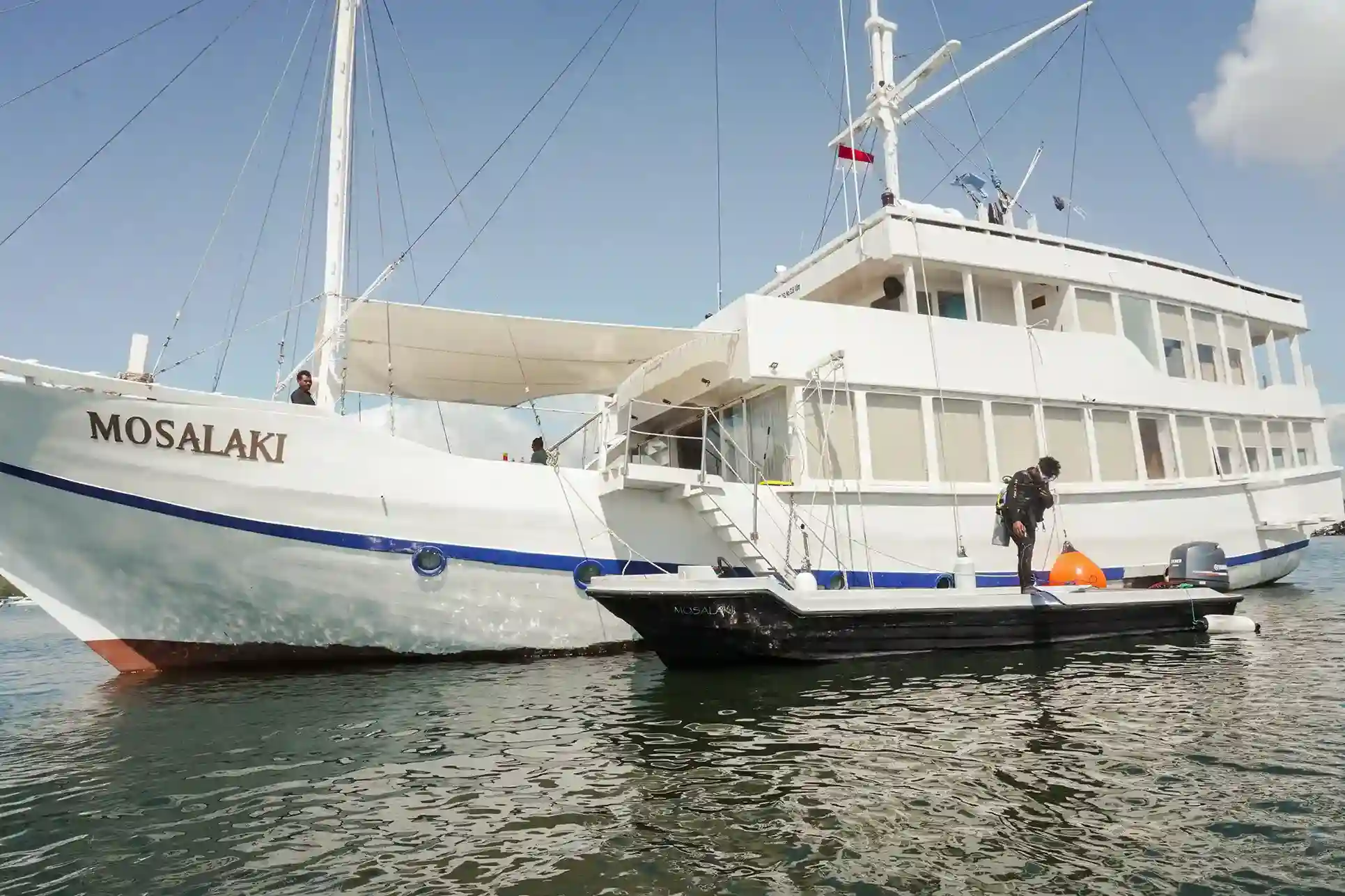
A Komodo diving liveaboard is a multi-day dive boat trip through Komodo National Park that delivers three to four dives per day at sites like Batu Bolong, Castle Rock, Crystal Rock and Manta Alley, which day boats from Labuan Bajo either cannot reach or reach only at crowded midday slots.
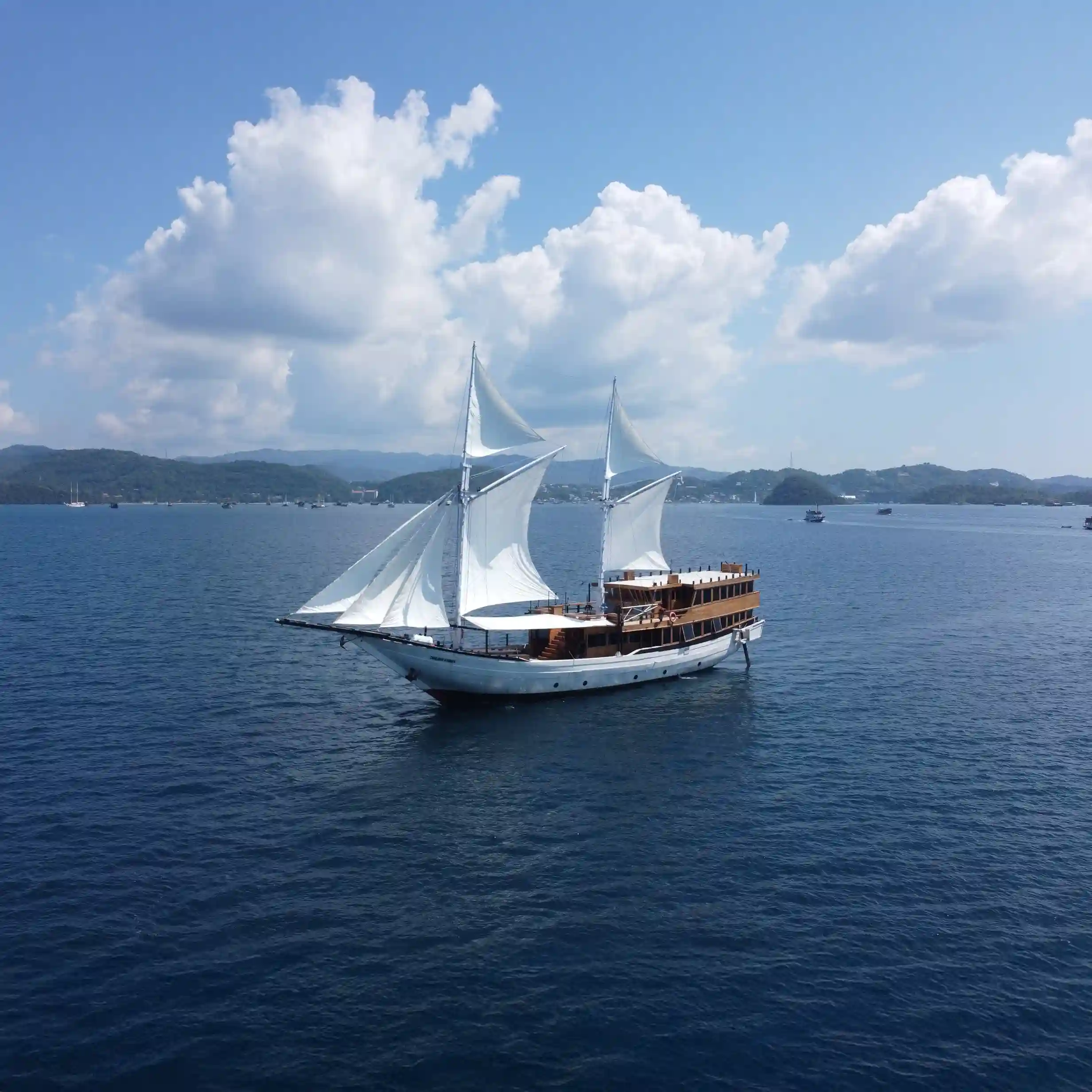
Premium packages add ensuite air-conditioned cabins, nitrox, dedicated dive guides at small ratios, and camera-friendly facilities, turning the park’s roughly 1,733 square kilometers of protected water into a single continuous dive itinerary.
Komodo’s diving reputation rests on current: the straits between the islands funnel water between the Pacific and Indian Oceans, feeding some of the fish-densest reefs in the Coral Triangle. A liveaboard is the format that lets you dive those channels at the right tide windows rather than whenever a day boat happens to arrive, and this page explains how to choose the premium package that fits your diving.
Komodo Luxury’s liveaboard lineup covers this premium end of the market, from the Komodo Signature to the Komodo Prestige for parties who want a fully crewed cabin boat rather than a shared deck.
Which Dive Sites Do Premium Liveaboards Cover?
The park’s signature sites split into three zones, and only itineraries of three nights or more comfortably cover two of the three. Northern sites deliver big fish in strong currents, central sites offer mantas and relaxed reefs, and the cooler south serves macro life and manta aggregations at Manta Alley.
| Zone | Signature Sites | Known For |
|---|---|---|
| North | Castle Rock, Crystal Rock, The Cauldron (Shotgun) | Grey reef sharks, trevally hunts, drift channels |
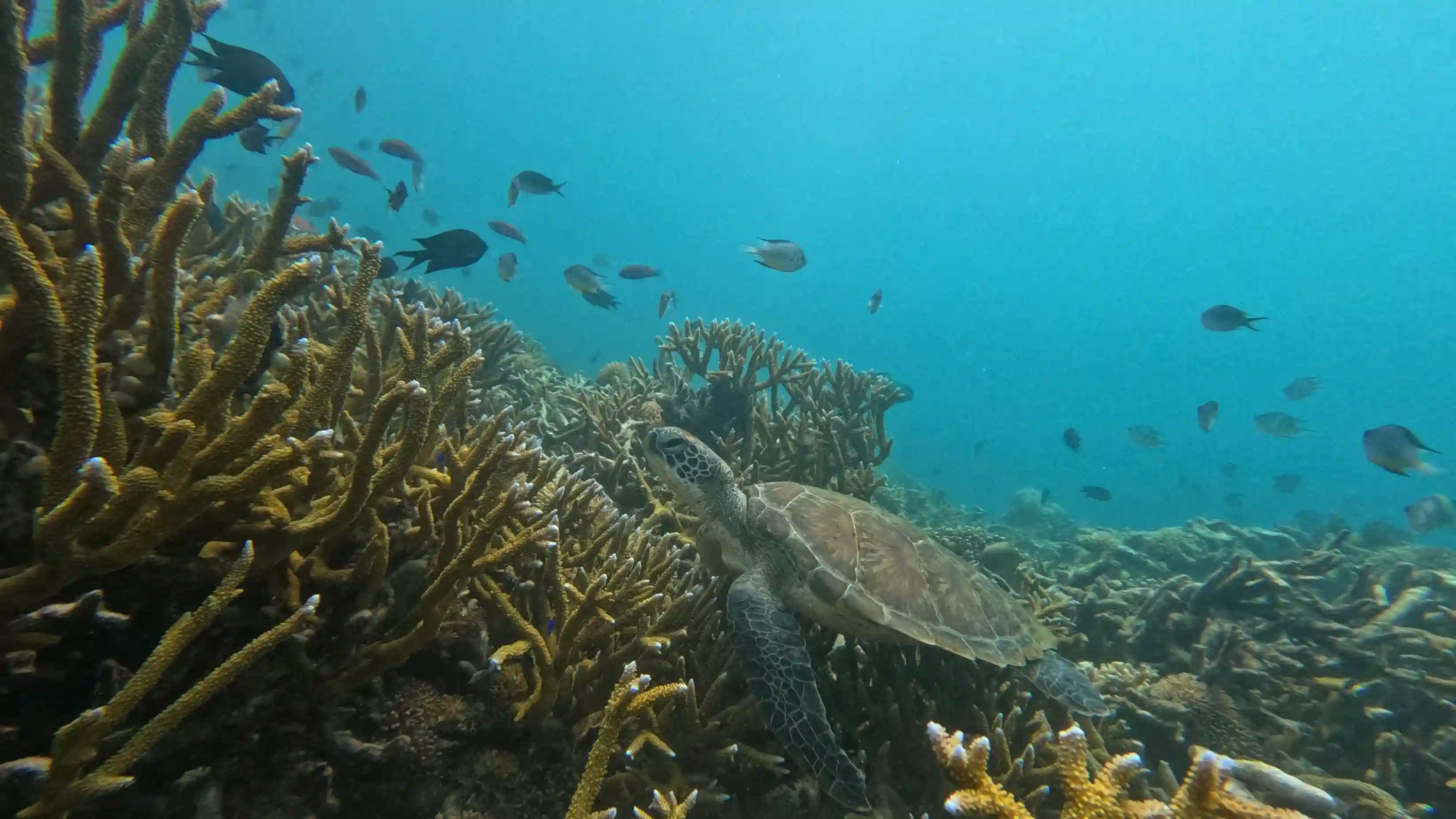
| Central | Batu Bolong, Karang Makassar (Manta Point), Siaba Besar | Reef mantas, pinnacle walls, turtle-rich easy dives |
| South | Manta Alley, Cannibal Rock area | Manta aggregations, cooler upwelling, macro critters |
What Does a Premium Dive Day Look Like?
Premium boats run a rhythm of three day dives plus an optional night dive, with the first briefing before 07:00 so you hit marquee sites at slack tide ahead of the day-boat fleet. Between dives, the boat repositions while you eat, rest and review photos, which is exactly the efficiency day trips cannot match.
- 06:30 first briefing and dive at a current-timed site such as Castle Rock
- Full breakfast, surface interval while cruising to the next zone
- Late morning dive, for example Batu Bolong’s pinnacle
- Lunch, rest, third dive mid-afternoon at a manta or turtle site
- Optional night dive at a sheltered bay, then dinner at anchor
What Makes a Package Premium Rather Than Standard?
The single clearest marker is guide ratio: premium operations cap groups at four divers per guide, while budget boats commonly run six to eight. Beyond that, expect ensuite air-conditioned cabins instead of shared fan cabins, nitrox included or cheaply added, individual gear stations, a camera table with rinse tanks and charging points, marine-park briefings by instructors rather than boat crew, and kitchens that handle dietary needs properly. Hull quality matters too: many premium vessels are phinisi-style schooners, the traditional two-masted design whose South Sulawesi boatbuilding craft was recognized by UNESCO as intangible cultural heritage in 2017, refitted to modern dive standards.
How Experienced Do You Need to Be?
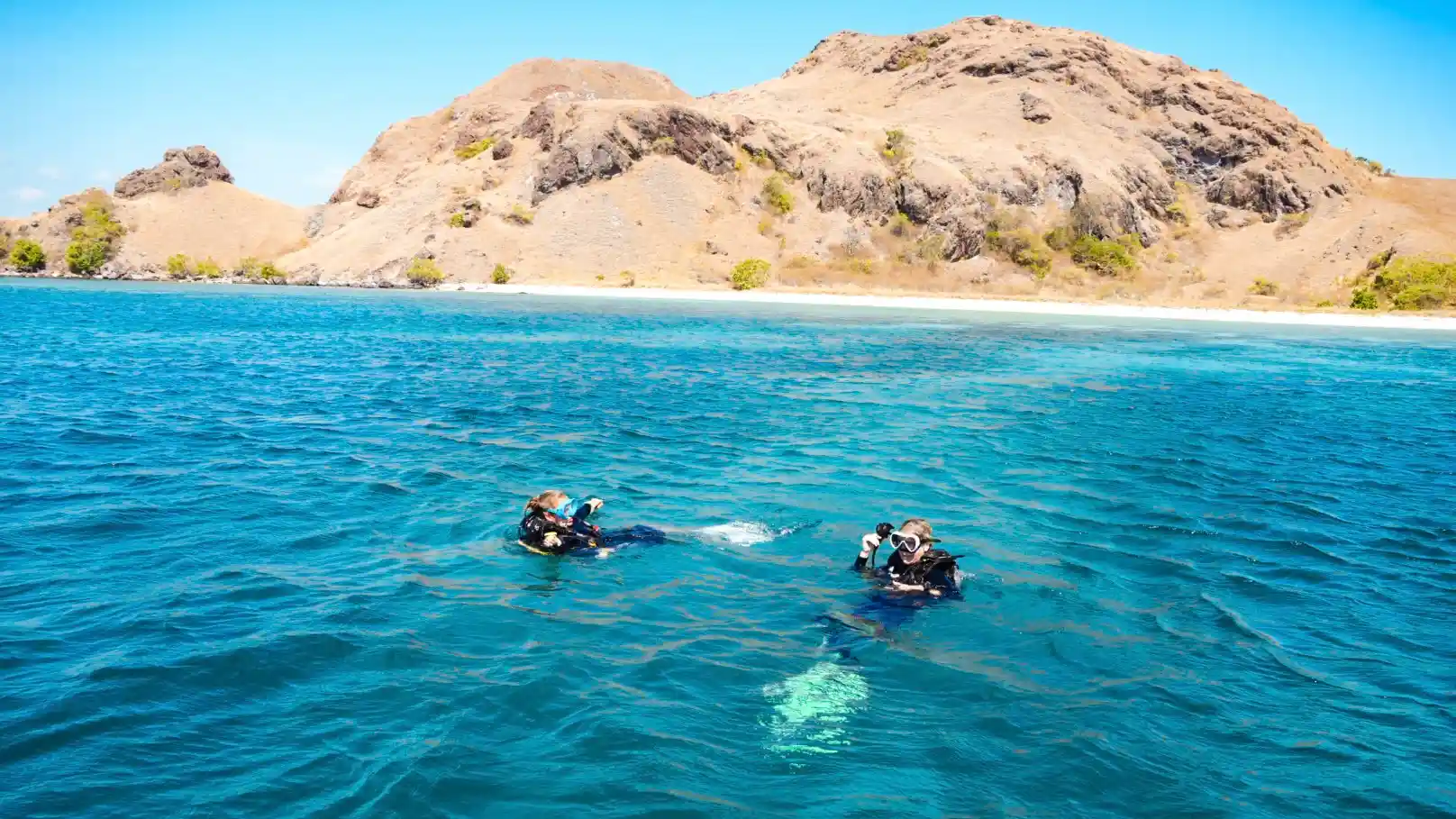
Komodo is honest about its currents: sites like The Cauldron and Castle Rock are best enjoyed with an advanced certification and roughly 30 logged dives, and reputable operators will ask for your log before confirming the north. That said, premium itineraries are built to scale, with sheltered central sites like Siaba Besar and Pink Beach’s gentle slopes serving newer divers on the same cruise. Reef hooks, SMBs and detailed current briefings are standard equipment on quality boats. Non-diving partners are welcome on most departures, since every dive day includes snorkeling-friendly stops; see the Komodo snorkeling trip to Manta Point and Pink Beach for what surface guests experience.
How Many Nights Should You Book?
Three nights is the practical minimum for divers, yielding around nine to eleven dives across two zones, while six nights or more lets the boat reach the southern sites that day operations almost never visit. Shorter formats exist and suit mixed groups: the 3D2N liveaboard itinerary blends a lighter dive or snorkel schedule with Padar trekking and the ranger-guided dragon walks. Dedicated photographers chasing mantas often choose southern-loop itineraries of five nights and up, timed for the dry-season upwelling months of roughly June to September, when Manta Alley is at its best; the northern and central cleaning stations run the opposite way and peak in the wet season, December to March.
When Is the Best Season for a Komodo Dive Liveaboard?
The park effectively has two dive seasons, and they run in opposite directions. North and central sites give their clearest diving in the April to November dry season, with water at 24 to 29 degrees Celsius and visibility frequently topping 20 meters — though their manta numbers peak later, in the wet season from December to March, when the water turns greener. The south works the other way: cooler, nutrient-rich upwelling in roughly June to September brings Manta Alley to life, in water that can sit in the low twenties. Premium schedules follow this split, repositioning their routes through the year, so tell Komodo Luxury your target species and month and they will match the itinerary rather than forcing one loop year-round.
What Is Included in the Package Price?
Premium packages are close to all-inclusive on board, and the reliable exclusions are the same on nearly every boat: the park’s own charges, equipment rental if you bring nothing, alcoholic drinks and crew gratuity. Park entrance (USD 50 per foreign visitor on weekends and public holidays, or USD 40 on weekdays, covering trekking and snorkeling) is charged by the park — see our fees guide — while diving equipment and guiding are set by your liveaboard operator, not the park authority. Full board meals, water, tea and coffee, tanks, weights, transfers from Labuan Bajo harbor and dive guiding are included as standard. Groups that prefer a fully private vessel with their own schedule can extend this format into the luxury Komodo island yacht cruise.
The entrance ticket is not negotiable, since it is collected by the park rather than set in an operator’s price list.
For detailed advice on choosing housings, lenses and handling Komodo’s currents with a camera, see our guide to underwater photography in Komodo for divers.
Frequently asked questions
Is Komodo diving safe given the strong currents?
Yes, when dived on schedule with experienced guides. Premium boats time channel sites to slack tide, brief every dive with current maps, cap groups at around four divers per guide, and require SMBs. Sites are graded, so newer divers dive sheltered central reefs while advanced groups take the drift channels.
Is snorkelling at Komodo safe with strong currents and sharks?
Snorkelling in Komodo can be safe if done with caution and guidance. Strong currents and the presence of sharks require snorkellers to be confident swimmers and ideally accompanied by a guide. Choosing sheltered sites with milder conditions and adhering to safety instructions can enhance the snorkelling experience while minimising risks.
Can I rent all my dive equipment on board?
Yes. Premium liveaboards carry full rental sets, including a range of wetsuit sizes, BCDs, regulators and dive computers, though booking your sizes in advance is essential in the July to August peak. Bring your own 3mm suit for the north and central zones; add a 5mm for cooler southern itineraries.
What is the Batu Bolong dive site like?
The Batu Bolong dive site in Komodo is a pinnacle dive known for its stunning coral formations and abundant marine life. Divers can expect to see a variety of fish species, including Napoleon wrasse and groupers. Due to strong currents, this site is best suited for experienced divers familiar with drift diving techniques.
What is the Cannibal Rock dive site like?
Cannibal Rock in Komodo is a renowned dive site for its rich macro life and cooler upwellings. Divers can encounter unique critters, colourful nudibranchs, and occasional manta rays. The site is suitable for divers interested in macro photography and those comfortable with the cooler water temperatures typical of the southern Komodo region.
Can beginners dive Batu Bolong?
Batu Bolong is not recommended for beginners due to its strong currents and challenging conditions. Experienced divers who are comfortable with drift diving will find it rewarding. Beginners should consider gaining more experience and confidence in handling currents before attempting to dive at this site.
How to prepare for diving in strong currents in Komodo?
To prepare for diving in Komodo‘s strong currents, ensure you have experience with drift diving and are comfortable with buoyancy control. Use a reef hook if necessary, and always dive with a buddy or guide familiar with the site. Checking tide schedules and diving during slack tides can also help manage the currents effectively.
How many dives are included on a Komodo liveaboard?
Expect three day dives daily plus optional night dives, so a three-night premium itinerary typically delivers nine to eleven dives and a six-night trip around eighteen to twenty-two. Final counts depend on tide windows and crossings, since marquee sites like Castle Rock are dived at slack tide for safety.
Do I need nitrox for a Komodo liveaboard?
Nitrox is not mandatory, but on a three-to-four-dive daily schedule it meaningfully extends no-decompression time at sites averaging 15 to 25 meters. Most premium packages include nitrox free or at a small daily supplement for certified divers, and many boats offer the nitrox certification course on board.
Batu Bolong: the pinnacle that rewards buoyancy
Batu Bolong is a small rock breaking the surface between Komodo and Tatawa, with a coral ridge dropping away on either side. Because the current splits around it, one flank is almost always sheltered while the other is being scoured, and the sheltered flank carries some of the densest hard coral in the park along with reef sharks, turtles and schooling fusiliers.
The dive is not technically deep, but it is unforgiving of poor buoyancy: the safe ground is a narrow band along the ridge, and drifting off it puts you either into the down-current or onto the coral. Divers are usually asked to stay above the guide and to turn the dive on the guide’s signal rather than on their own gas plan.
Castle Rock and the northern drift dives
Castle Rock is a submerged seamount off the north of the park, and it is the site most liveaboard itineraries build their morning around. The draw is predation rather than coral: grey reef sharks holding in the current, trevally and dogtooth tuna working the schools above the plateau.
It is also the site where technique matters most. The standard approach is a negative entry straight down to the top of the mount, then a reef hook into the substrate so you can hang and watch instead of finning. Divers without current experience are usually routed to Sebayur or the Gili Lawa reefs on the same trip, which is a sensible call rather than a downgrade.
What skill level and conditions should I expect at Crystal Rock on a premium liveaboard?
Crystal Rock suits advanced and confident intermediate divers who already have experience in Komodo’s strong currents. Expect fast drifts, down-current risks, and sometimes choppy surface conditions, so recent dives in similar environments are important. Premium liveaboards usually time entries for slack or manageable tides and provide detailed briefings plus guides in small groups, but you should still bring solid buoyancy control, negative entries, and comfort with blue-water ascents.
Can snorkellers safely use Batu Bolong?
Sometimes, and only on the sheltered side at slack water with the boat standing by. The coral at Batu Bolong starts shallow, so there is genuinely something to see from the surface — but the current that makes the site rich is the same current that carries a snorkeller off the rock in under a minute, and there is no shallow shelf to swim back to. If the crew says no on a given day, that is a reading of the tide, not caution for its own sake.
Can I rent a boat in Komodo National Park?
Yes, renting a boat in Komodo National Park is possible, typically through local operators in Labuan Bajo. Options range from day boats to liveaboards, catering to various preferences and budgets. It’s advisable to book in advance, especially during peak seasons, to secure your preferred vessel and itinerary.
Compare Premium Komodo Dive Liveaboards with Komodo Luxury
Send Komodo Luxury your certification level, logged dives, preferred month and cabin style, and they will shortlist premium boats with matching itineraries, real cabin photos and current park fees. Message Komodo Luxury on WhatsApp at +62 811 3823 875 or email sales@komodoluxury.com to reserve your Komodo diving liveaboard.
For those interested in experiencing Komodo diving liveaboard premium packages, consider a VIP boat charter that aligns with this itinerary. You can also explore the full fleet for various options, enjoy a traditional sailing trip, or browse Komodo Luxury’s boat tour lineup to find the perfect fit for your adventure.
Ready to turn this into a real Komodo National Park trip?