Best Diving and Snorkeling Sites in Komodo National Park
Komodo National Park's best-known underwater sites split into three character zones: shallow, current-free house reefs such as Kanawa and Pink Beach that suit beginners and snorkelers; central drift sites such as Manta Point (Karang Makassar), where mantas feed in water as shallow as 3 to 5 meters; and the current-heavy northern and southern pinnacles, such as Castle Rock, Crystal Rock, and Manta Alley, which call for an Advanced Open Water certification and drift-diving experience.
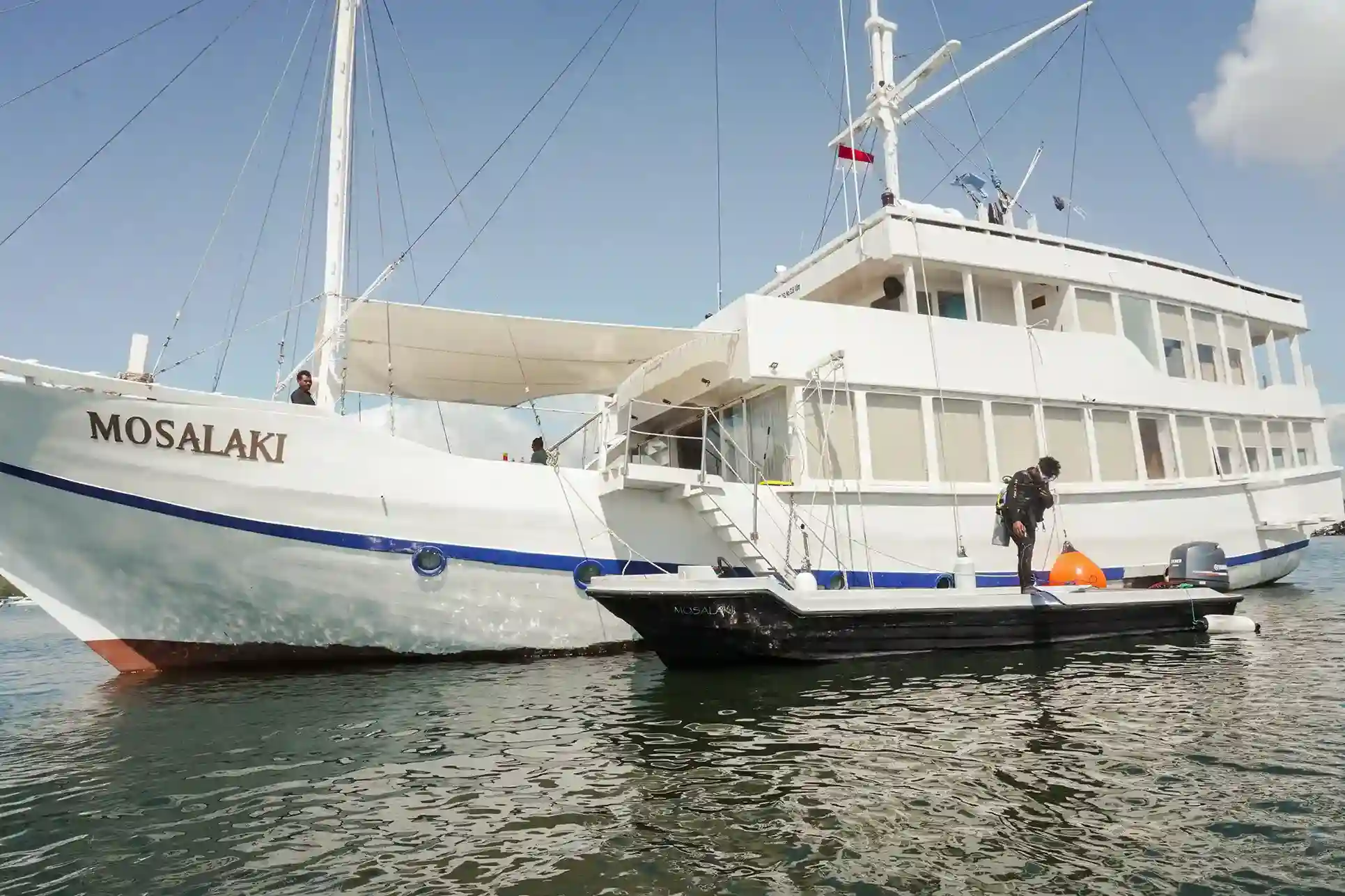
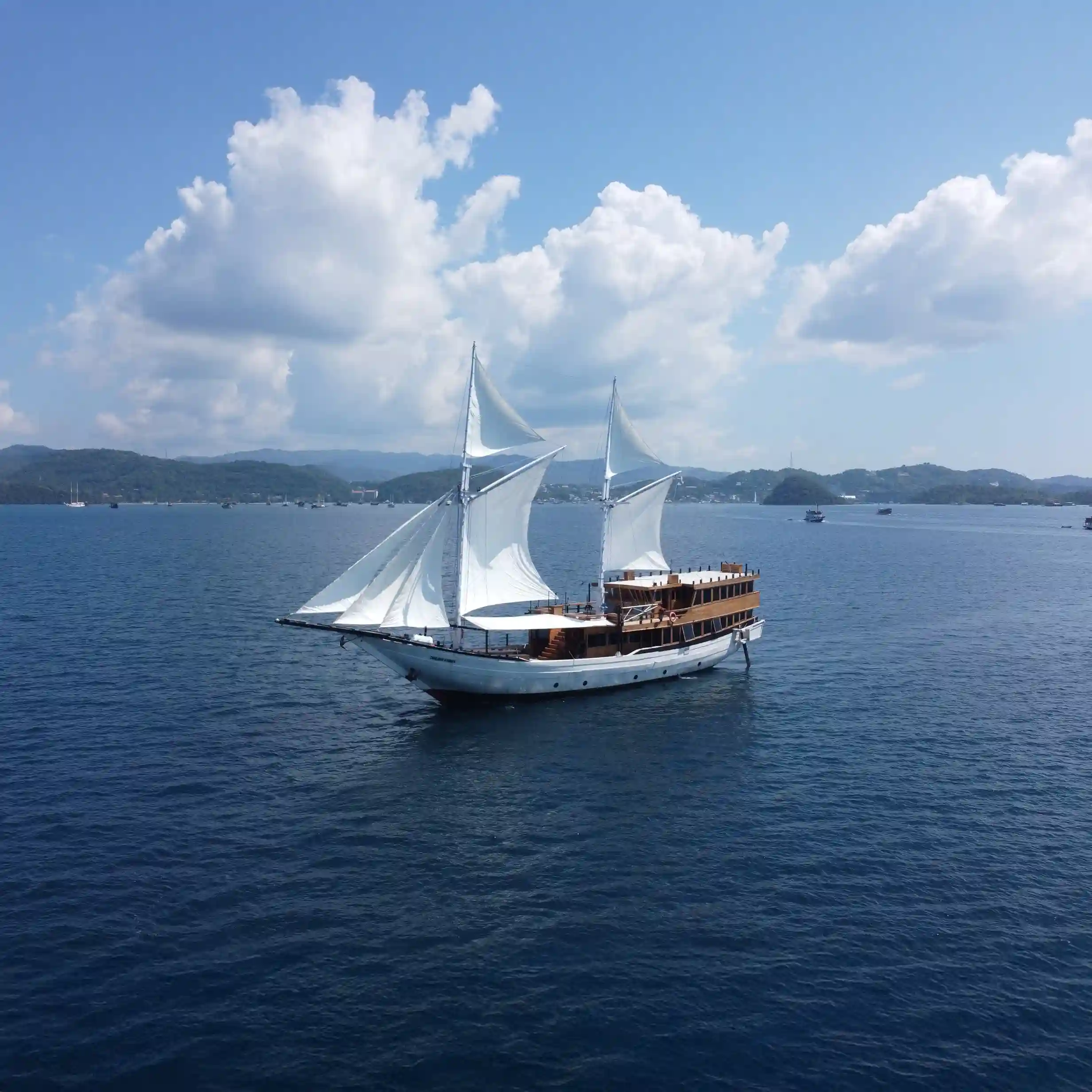
Reaching these sites usually means multiple days on the water rather than one rushed day trip. Komodo Luxury’s liveaboard cruises and catamaran charters both run dive- and snorkel-focused routes through this list of sites.
How Many Dive and Snorkel Sites Does Komodo National Park Have?
Operators and dive centers commonly work a rotation of 20 to 30 named sites spread across three zones: the calmer central area around Labuan Bajo and Komodo Island, the warmer north around Rinca and Gili Lawa, and the cooler, nutrient-rich south near Nusa Kode and Horseshoe Bay. Rather than list every named reef, this guide separates the sites that matter for planning by what they demand of you — certification level, current strength, and whether snorkeling alone is enough to see the highlight.
Which Sites Are Best for Beginners and Snorkelers?
Three sites consistently come up as the easiest entry points into Komodo’s underwater world:
| Site | Depth | Current | Why It Suits Beginners |
|---|---|---|---|
| Kanawa Island | Waist-deep at entry, sloping to about 12 m within roughly 50 m of shore | Calm, sheltered | House reef starts from a white-sand beach; you can stand and adjust gear before swimming out |
| Pink Beach | Roughly 3–7 m over a hard-coral garden | Generally mild | Shallow coral garden with reef fish schools and occasional turtles, no technical entry needed |
| Siaba Besar | Roughly 5–18 m | Essentially none | Used by several operators as a check-dive and first-timer site; sheltered and easy to navigate |
These three sites are the backbone of most half-day and full-day snorkel-only itineraries, including our Full-day speedboat page and the short Komodo tour half-day options, both of which route around calmer sites rather than the drift-heavy pinnacles further north and south.
Where Do You Snorkel or Dive With Manta Rays?
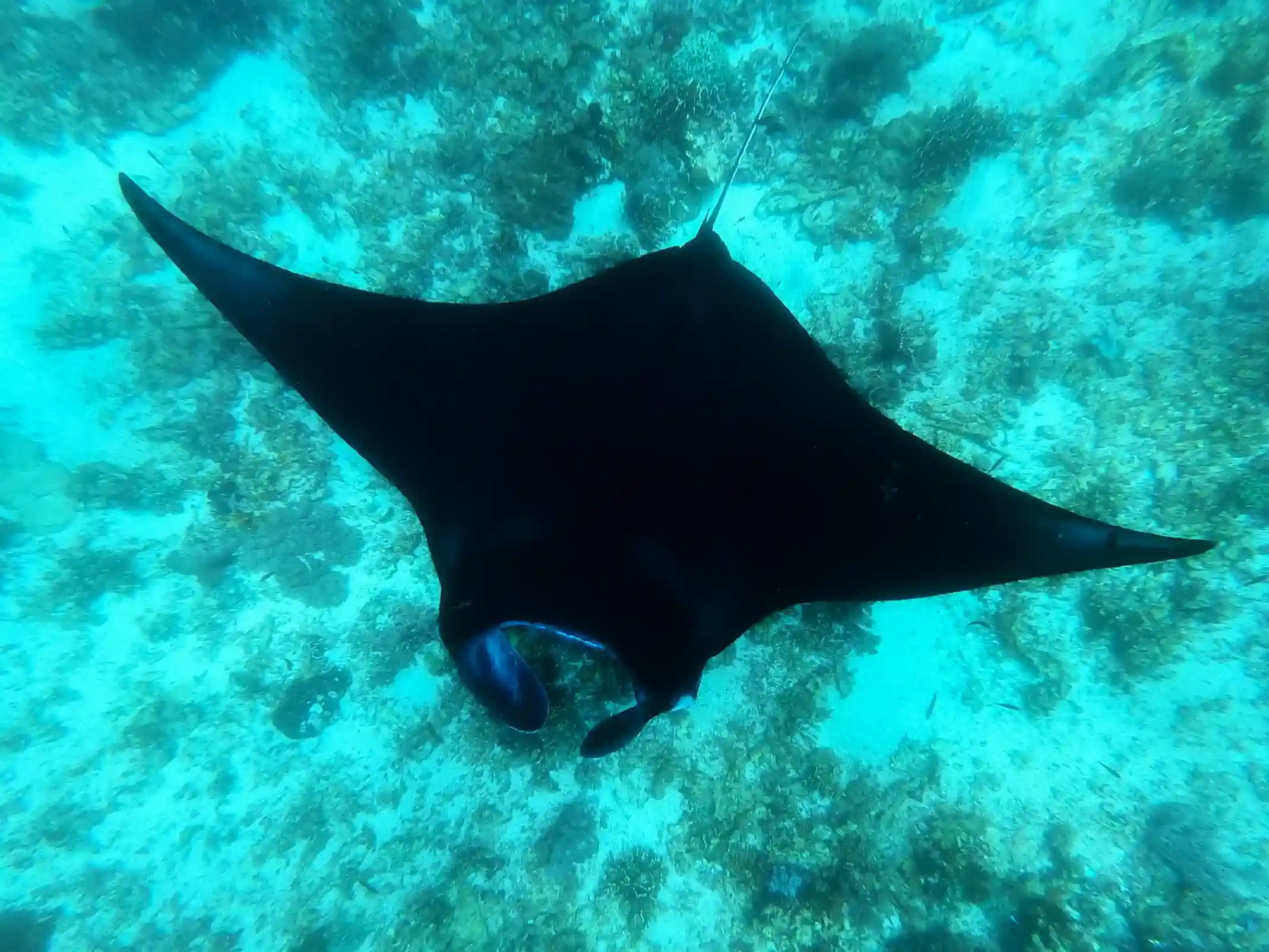
Manta Point, also called Karang Makassar, is Komodo’s most consistent manta cleaning and feeding station and works for snorkelers and divers alike. Depth across the site’s plateau runs roughly 8 to 18 meters, with most of the manta action concentrated in the shallower 3 to 15 meter band, which is exactly why non-divers can see mantas from the surface without any certification. Current is generally gentle to moderate and tide-dependent, picking up on incoming and outgoing tides and easing close to slack water, when the drift is easiest to manage. Manta sightings run strongest in the wet season, from December to March, when the plankton the animals feed on is richest; the drier months from June through August tend to bring clearer water but fewer mantas at the northern and central stations, with sightings thinnest around August and September. A second, more demanding manta site, Manta Alley in the park’s south, sits deeper at roughly 10 to 30 meters with noticeably stronger currents, and is generally treated as an advanced dive requiring drift-diving experience rather than an entry-level stop.
Which Sites Require Advanced Certification?
Komodo’s reputation as a currents-heavy destination comes mostly from its northern pinnacles. Sites such as Castle Rock and Crystal Rock, both seamounts north of Komodo Island, are commonly recommended for Advanced Open Water divers with 30 or more logged dives, because currents there are frequently described by dive operators as strong to fast-moving, with the risk of down-currents where the seabed rises sharply between pinnacles. These northern sites also run warmer, typically around 27 to 29 degrees Celsius, which pairs strong currents with comfortable water temperature. Manta Alley in the south demands the same advanced skill level for a different reason: currents there are consistently described as strong, requiring comfort with drift diving rather than a fixed reference point.
How Does North Komodo Diving Differ From South Komodo?
North and south Komodo are different diving experiences inside the same park, and operators frequently describe them as feeling like two separate destinations:
| Zone | Typical Water Temperature | Current | Character |
|---|---|---|---|
| North (Castle Rock, Crystal Rock, Gili Lawa area) | Roughly 27–29°C | Strong, sometimes fast-moving with down-current risk | Clear water, big schools of fish, reef sharks, drift and channel dives |
| South (Nusa Kode, Horseshoe Bay, Manta Alley) | Roughly 20–25°C, occasionally colder during upwelling | Moderate, with surge in bays | Cooler, nutrient-rich upwellings that reduce visibility but support rich macro life |
Because the temperature swing between zones can be five degrees Celsius or more, divers doing both zones in one liveaboard trip typically pack at least a 3mm wetsuit for the north and a thicker 5mm suit for southern days, since the colder upwelling water in the south is a common surprise for first-time visitors expecting uniformly warm, tropical conditions throughout the park.
What Marine Life Should You Expect at Each Depth?
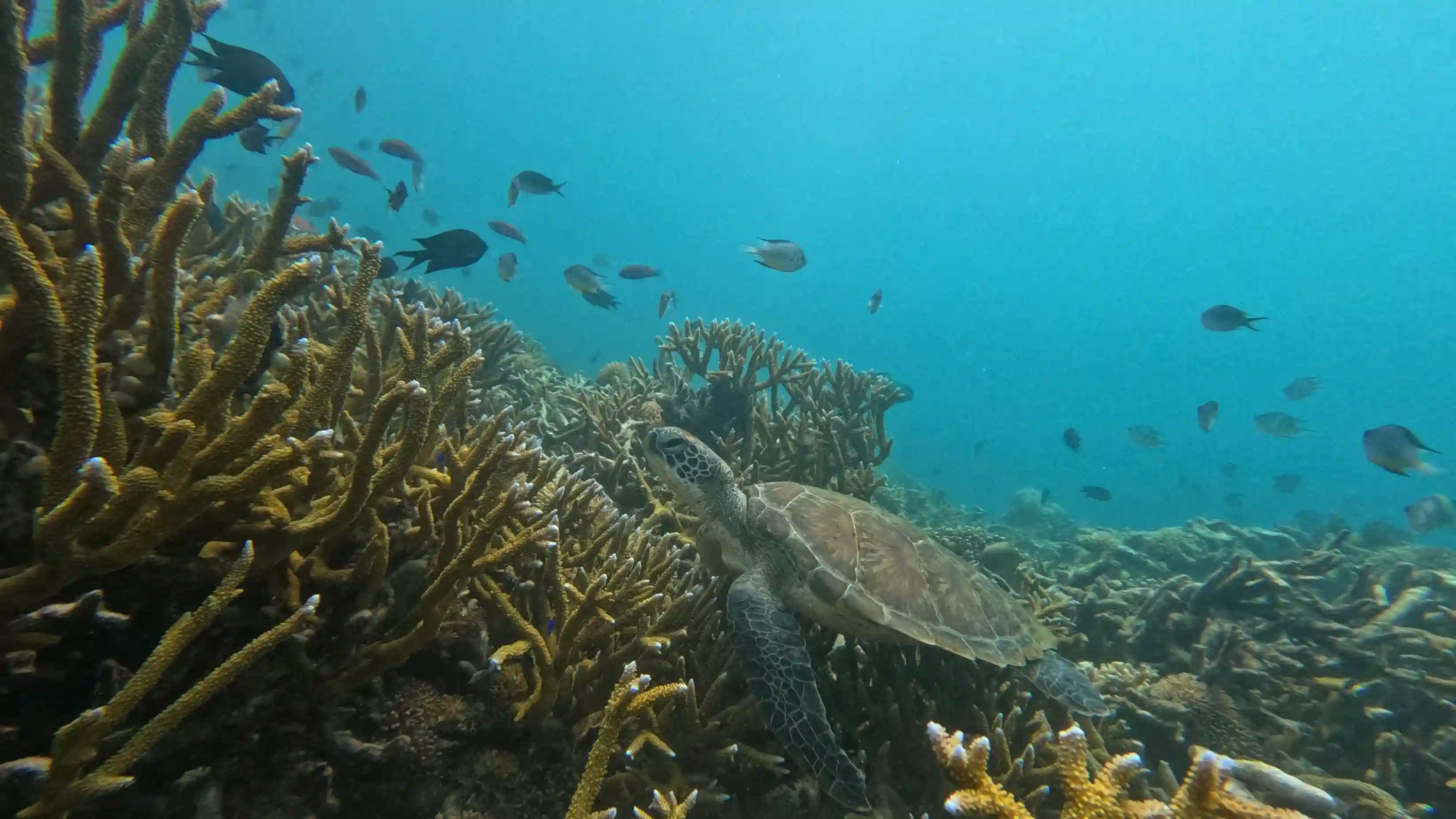
Komodo sits inside the Coral Triangle, one of the world’s richest marine biodiversity zones, and different depth bands tend to show different highlights. Shallow reefs under 10 meters, such as Kanawa and Pink Beach, are dominated by hard coral gardens, reef fish schools, and the occasional green turtle. The 10-to-20-meter band around Manta Point and similar plateaus is where manta rays feed and get cleaned by smaller fish. Deeper pinnacle dives in the north regularly turn up reef sharks and larger pelagic activity riding the same currents that make the sites demanding. The colder southern sites trade big-animal encounters for macro life, benefiting from nutrient-rich upwelling water even though visibility there is typically more limited, averaging in the low teens of meters rather than the 20-to-30-meter visibility common in the drier, warmer north.
Is Snorkeling Safe Without a Dive Certification?
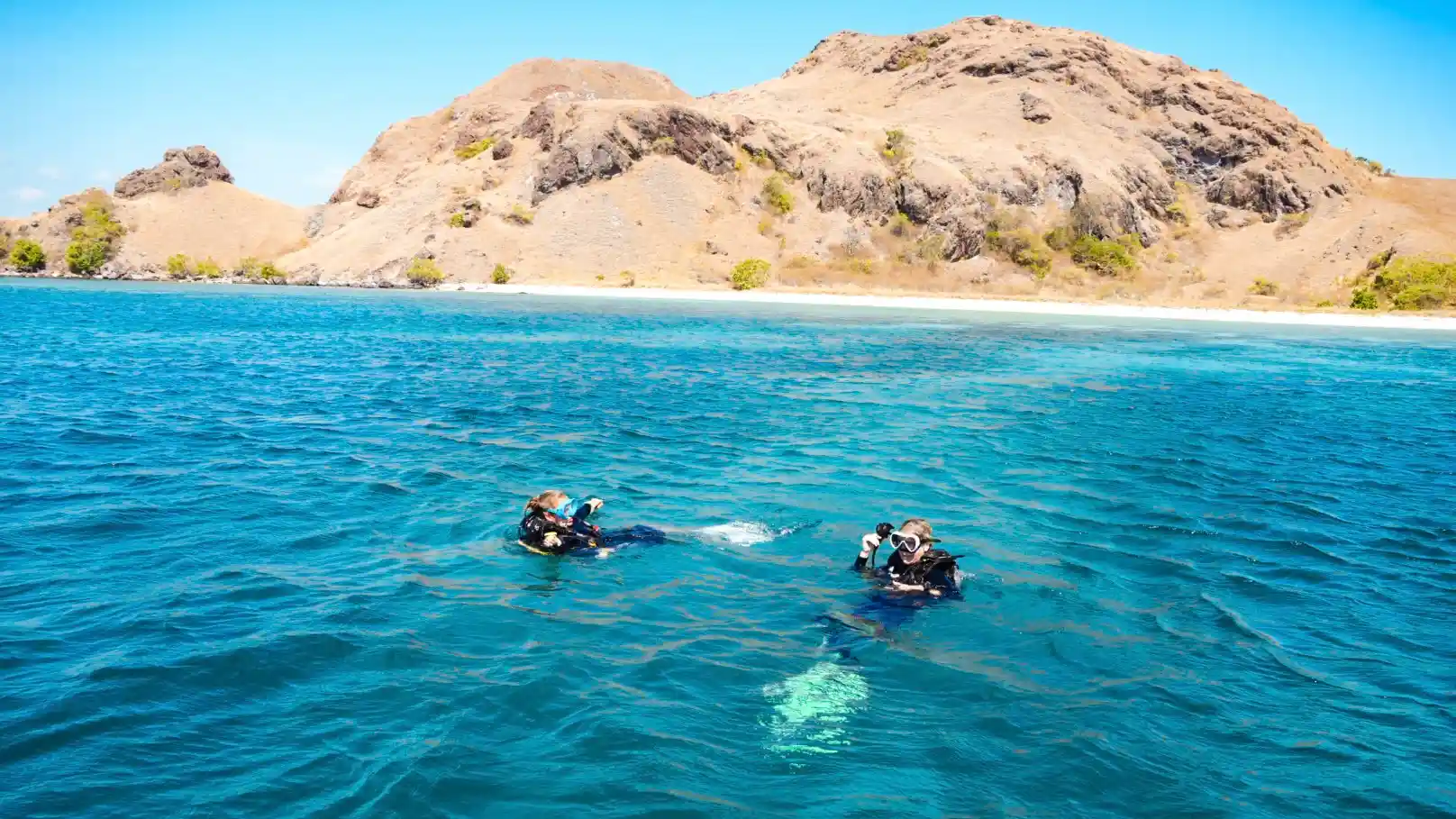
Yes, at the sites this guide lists as beginner-friendly. Kanawa, Pink Beach, and the shallow band at Manta Point were all chosen because they let you see the park’s signature marine life — healthy coral, reef fish, and mantas — without descending into the current-affected zones that require training. The exception is timing: even at Manta Point, currents strengthen on incoming and outgoing tides, so a guide who reads the tide table and picks the calmer window matters more than any personal swimming ability. Skipping the northern pinnacles and Manta Alley entirely is the simplest way for snorkelers and new swimmers to avoid the park’s genuinely demanding conditions. For a full comparison of what a liveaboard itinerary covers versus a single-day outing, see our liveaboard versus day trip comparison.
How Do You Choose Between a Day Trip and a Liveaboard for Diving?
A day trip from Labuan Bajo typically reaches two to three sites close to town, which is enough to cover Kanawa or Pink Beach plus one central site, but it will not reach the northern pinnacles or Manta Alley, both of which sit far enough from the harbor that a same-day return is impractical. A liveaboard of three nights or more is the standard way divers access the full spread of sites across north, central, and south Komodo in one trip, since the boat repositions overnight while you sleep. Our Liveaboard diving overview page covers the itinerary lengths and inclusions for multi-day diving trips that reach both zones.
What Gear Do You Need for Diving and Snorkeling in Komodo?
For snorkeling, a well-fitted mask, snorkel, and fins are the essentials; most day-tour and liveaboard operators supply these, but travelers who wear prescription lenses or have a specific mask fit should bring their own, since shared-boat sizes run limited. Reef-safe sunscreen matters more here than on most trips, since several of the shallow sites this guide covers, including Kanawa and Pink Beach, sit over living coral gardens that non-reef-safe sunscreen can damage over repeated exposure. For diving, the temperature split between north and south Komodo is the main gear decision: a 3mm shorty or full suit covers the warmer 27-to-29-degree north, while the cooler 20-to-25-degree south calls for at least a 5mm full suit, and some divers add a hood for the coldest upwelling days. Certification card and logbook are worth carrying physically or as a photo, since dive centers checking eligibility for sites like Castle Rock or Manta Alley will ask for proof of an Advanced Open Water rating and recent dive count before booking you onto those itineraries.
Are There Rules About Touching Coral or Marine Life?
Komodo National Park is a protected marine and terrestrial reserve, and the standard reef etiquette that applies across Indonesia’s marine parks applies here: no standing on coral, no touching or chasing marine life including manta rays and turtles, and no removing shells, coral, or other natural material from the park. Dive guides at the more current-affected sites also brief divers on maintaining neutral buoyancy specifically to avoid accidental coral contact while managing a drift, since a diver fighting a current is more likely to grab onto a reef for stability than one who is neutrally buoyant and drifting with the flow. Responsible operators build these briefings into every dive and snorkel stop rather than treating them as optional, both to protect the reef and because damaged coral takes years to recover in a park that depends on healthy reefs for its manta and fish populations.
Frequently asked questions
How should I use the answer to what are the best dive sites in Komodo National Park to choose a dive operator and route?
Use the best sites list to narrow down one area, such as north, central, or south Komodo, then look for operators that regularly visit those specific spots at your experience level. Ask which sites are realistic in a single day from Labuan Bajo, given boat speed and currents, and whether they include a calm backup reef. Confirm if park fees, lunch, and gear are included so your day stays simple and focused.
Is it safe to snorkel or dive in Komodo National Park during rainy season?
Diving and snorkeling continue year-round, but the wet season from roughly December through March can bring reduced visibility at some sites and choppier surface conditions on open crossings between islands, even though the manta season overlaps this same window. Sheltered sites such as Kanawa and Siaba Besar remain workable in wet-season weather when more exposed crossings are not.
Is it safe to dive Komodo in January due to currents?
Diving in Komodo in January can be challenging due to strong currents and variable weather conditions. Experienced divers with drift-diving skills can still enjoy the sites, but beginners should exercise caution. It’s essential to check local conditions and dive with reputable operators for safety.
What is the easiest snorkeling site in Komodo National Park?
Kanawa Island is generally considered the easiest, with a house reef that starts in calm, waist-deep water directly off a white-sand beach, letting snorkelers wade in and adjust their gear before swimming out over the reef.
Can beginners snorkel with manta rays in Komodo?
Yes, at Manta Point (Karang Makassar), where mantas often feed and get cleaned in water as shallow as 3 to 5 meters, making them visible from the surface without diving equipment or certification, especially outside the strongest tidal current windows.
Which Komodo dive sites need an advanced certification?
Castle Rock and Crystal Rock in the north, and Manta Alley in the south, are the sites most consistently recommended for Advanced Open Water divers with drift-diving experience, due to strong currents and, at the northern sites, the risk of down-currents near the seabed.
What is the best season to see manta rays in Komodo?
Mantas are at Manta Point all year, and sightings run strongest in the wet season, from December to March, when plankton concentrations peak. Numbers at this northern-central station are thinnest around August and September, while the park’s southern site, Manta Alley, runs the opposite way and peaks in the dry months.
Do I need a wetsuit for diving in Komodo National Park?
Most divers use at least a 3mm wetsuit for the warmer north and a thicker 5mm suit for the cooler south, since the temperature difference between zones can exceed five degrees Celsius on the same multi-day trip.
Do I need my own snorkel gear for a Komodo boat trip?
Most operators include mask, snorkel, and fins in standard packages, so your own gear is optional rather than required. Bringing your own is worth it mainly if you need a specific mask fit, wear prescription lenses, or simply prefer gear you know works well for you.
Crystal Rock or Castle Rock: which suits advanced divers better?
Both Crystal Rock and Castle Rock are excellent for advanced divers, offering strong currents and diverse marine life. Crystal Rock is known for its vibrant coral gardens and large pelagic fish, while Castle Rock is famous for its schools of barracuda and reef sharks. Both require advanced certification and drift-diving experience.
Can beginners dive Castle Rock in Komodo?
Castle Rock is not recommended for beginners due to its strong currents and depth. It requires advanced open water certification and experience with drift diving. Beginners should consider calmer sites like Kanawa Island or Pink Beach, which offer easier conditions and are suitable for novice divers.
What makes the Crystal Rock dive site Komodo a must-visit for divers?
Crystal Rock is unique for its vibrant coral gardens and abundant marine life, including reef sharks and trevally. The site’s strong currents attract experienced divers seeking thrilling underwater experiences. Its clear waters offer excellent visibility, enhancing the view of its diverse ecosystem. Occasional sightings of manta rays add to the allure of this exceptional dive site.
What can divers expect at the Castle Rock dive site?
Divers at Castle Rock can anticipate encountering strong currents and an abundance of marine life, such as barracuda, reef sharks, and trevally. The site features a submerged pinnacle that draws large schools of fish. Advanced certification and drift-diving skills are essential for navigating the site’s challenging conditions, making it suitable for experienced divers seeking an exhilarating underwater adventure.
How healthy are the coral reefs in the park?
The coral reefs in Komodo National Park are generally healthy, with vibrant coral gardens and diverse marine life. Conservation efforts and regulated visitor access help maintain their condition. However, divers should avoid touching or damaging the coral to preserve its health and beauty.
What are the best dive sites in the park?
The best dive sites in Komodo National Park include Crystal Rock, Castle Rock, and Manta Point. These sites offer diverse marine life and challenging conditions for experienced divers. Beginners can enjoy sites like Kanawa Island and Pink Beach, which provide calmer waters and vibrant coral gardens.
How to see the most wildlife in Komodo National Park in February?
To see the most wildlife in February, focus on visiting diverse sites like Manta Point for manta rays and Castle Rock for large schools of fish. Consider a liveaboard trip to access multiple locations and maximise your chances of encountering a variety of marine life despite the rainy season.
For snorkelers bringing only a compact camera, what are the most colorful fish in Komodo National Park to focus on, and which easy sites give the best chance of usable photos?
Parrotfish, anthias, butterflyfish, and angelfish are the most forgiving subjects for casual camera users, especially at shallow sites like Siaba Besar, Pink Beach, and Tatawa Besar. Their bright colors pop in available light, and these calmer reefs keep you above 5–10 meters with mild currents, so you can stay relaxed, frame steadily, and avoid stirring up sand or colliding with coral.
Why is the water colder in south Komodo than north Komodo?
Southern Komodo sits closer to Indian Ocean upwelling currents that pull cooler, nutrient-rich water up from depth, dropping temperatures to roughly 20 to 25 degrees Celsius, compared to the warmer 27 to 29 degrees typical of the north.
Does Komodo National Park close or restrict sites in rainy season?
Komodo National Park remains open during the rainy season, but certain dive sites may be less accessible due to weather conditions. Stronger currents and reduced visibility can affect diving and snorkeling experiences. Visitors should check local conditions and plan accordingly to ensure safety.
How to avoid the rainy season in the park?
To avoid the rainy season in Komodo National Park, plan your visit inside the dry season, which runs April to November; the June-to-September core of that window is the driest and calmest stretch for diving and snorkeling. The wet season falls between December and March. Check local forecasts close to your dates, since individual weeks vary either side of those boundaries.
Where is Crystal Rock located in the park?
Crystal Rock is located in the northern part of Komodo National Park, near Gili Lawa Laut. It is a popular dive site known for its vibrant coral gardens and diverse marine life, attracting advanced divers due to its strong currents and excellent visibility.
Plan Your Komodo Dive or Snorkel Trip with Komodo Luxury
Tell Komodo Luxury your certification level and how many days you have, and they will match you to sites that fit — from beginner-friendly reefs to the northern pinnacles. Message the Komodo Luxury desk on WhatsApp at +62 811 3810 8110 or email sales@komodoluxury.com.
Explore the vibrant underwater world of Komodo National Park by booking a VIP boat charter for an exclusive diving or snorkeling experience. For those who wish to spend more time on the water, consider the full fleet of options or enjoy a traditional sailing trip for a more intimate group setting. To compare all available excursions, check out Komodo Luxury’s boat tour lineup.
Ready to turn this into a real Komodo National Park trip?