Responsible Tourism in Komodo National Park: The Rules That Protect It
Komodo National Park's official visitor protocol, published by Balai Taman Nasional Komodo (the park authority under KSDAE/KLHK), prohibits disturbing, chasing, feeding or touching wildlife, requires visitors to stay with licensed rangers on marked trails, bans damaging or collecting coral and marine life, and requires all visitors and operators to carry out their own waste.
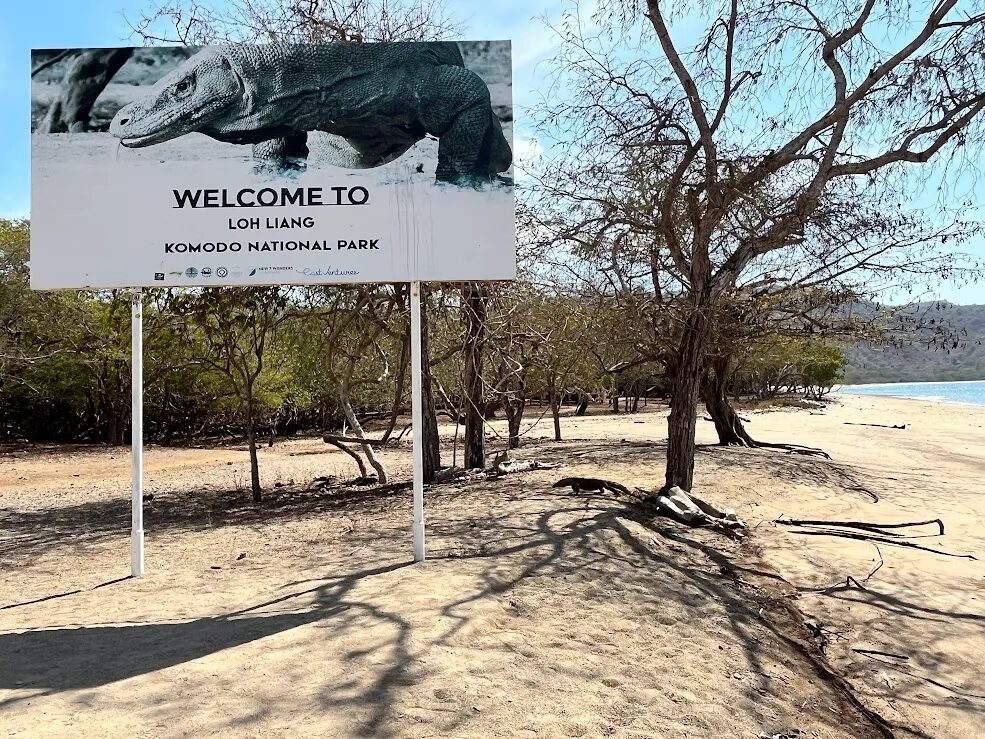
These are binding park rules, not informal suggestions.
Wildlife: Look, Don’t Touch
The park’s Protokol Kunjungan Wisata Alam (Nature Tourism Visit Protocol) explicitly bars visitors from feeding, touching, chasing or otherwise disturbing wildlife, including Komodo dragons. This is both a conservation rule and a safety one: dragons that associate humans with food become more dangerous, which is part of why every dragon-viewing walk requires a licensed ranger — a rule covered in more safety detail on our Komodo dragon safety guide.
Stay With Your Ranger, Stay on the Trail
Rangers are not just tour guides; they are the mechanism through which the park enforces safe distances and protects sensitive habitat. Wandering off-trail or ahead of your ranger group is against park rules everywhere dragons are present, and it undermines the entire visitor-management system the park relies on.
Protecting the Reef
The park’s protocol bans standing on, touching, or collecting coral and other marine life. Practical steps that follow from this rule:
- Maintain a horizontal position in the water and avoid fin contact with coral when snorkeling or diving.
- Never stand on coral, even briefly, to adjust gear or take a photo.
- Do not collect shells, coral fragments, or any marine souvenir from the park.
- Use mineral (non-nano zinc oxide/titanium dioxide) sunscreen where possible. The park has no formal regulation naming “reef-safe sunscreen” specifically, but minimizing chemical input to the reef aligns directly with its marine protection rules.
Waste: Carry It Out
TN Komodo’s protocol explicitly prohibits dumping waste inside the park and requires visitors and operators to manage and remove their own rubbish, with particular emphasis on plastic. There is no published numeric waste quota per visitor — the rule is a flat prohibition on littering, not a weight or volume limit, so the practical takeaway is simple: whatever you bring in, you bring back out.
Visitor Numbers and the SiOra System
Since April 2026, visitors register through the park’s SiOra digital system as part of broader efforts to manage visitor flow across the park’s roughly 1,000-visitor daily allocation, split across three sessions park-wide rather than a fixed number for any single island — a distinction covered in full on our park quota explainer. UNESCO’s state-of-conservation reporting on Komodo National Park has specifically flagged tourism pressure as a management concern, which is part of why the park continues to tighten registration and guide requirements rather than relax them.
What Responsible Operators Do Differently
| Practice | Why It Matters |
|---|---|
| Licensed park rangers on every dragon walk | Required by park rules; also the primary safety mechanism |
| Waste carried back to Labuan Bajo, not dumped at sea or on islands | Direct compliance with the park’s no-littering rule |
| No touching, feeding, or baiting wildlife for photos | Protects dragons and matches the explicit park prohibition |
| Briefing guests on reef contact before snorkeling/diving | Reduces accidental coral damage, aligned with marine protection rules |
Supporting the Local Labuan Bajo Economy
Responsible tourism in Komodo National Park is not only about how visitors behave around wildlife and rangers — it also includes where the money from a trip actually ends up, and Labuan Bajo’s own tourism-dependent economy is part of that picture. Choosing operators that are genuinely based in Labuan Bajo, employ local crew and guides, and pay park fees and permits transparently keeps more of a trip’s value inside the community that lives alongside the park year-round, rather than flowing entirely to an operator or booking platform with no local presence at all.
Small, practical choices add up on the ground: eating at Labuan Bajo restaurants and warungs rather than only on a boat, buying souvenirs, coffee or snacks from local shops instead of exclusively at a hotel gift counter, and hiring a local driver or guide for time in town all put spending directly into the local economy rather than leaving it entirely in the hands of an outside company. Ranger-led trekking on Komodo and Rinca already channels part of every visit toward the park authority and its conservation and staffing budget through the official entrance fee structure, which is one of the more direct and transparent ways a visit supports the park itself rather than a private intermediary.
It is also worth asking a prospective operator directly whether their boat crew, dive guides and trekking guides are local hires from the Labuan Bajo and wider Flores area, since this varies genuinely between companies and is a fair, reasonable question for any traveler weighing options to ask before booking. An operator confident in its own hiring and fee practices should be able to answer plainly; vague or evasive answers on where a trip’s money actually goes are themselves useful information when comparing tour options.
Can I touch a Komodo dragon if a ranger says it is safe?
No. The park’s rules prohibit touching wildlife outright; a ranger’s role is to manage safe distance and route, not to authorize contact.
Is there an official reef-safe sunscreen requirement in the park?
No formal regulation names a specific sunscreen standard, but the park’s ban on damaging marine life makes minimizing chemical runoff a sensible extension of the existing rule, not a separate law.
What happens to my trip waste if I visit Komodo National Park?
Park rules require visitors and operators to remove their own waste rather than leave or dump it in the park; responsible boat operators build this into their standard routine.
Read the park authority’s protocol directly at tnkomodo.ksdae.kehutanan.go.id. Operators that build these rules into every trip include Komodo Luxury’s guided boat tours, liveaboards, and fleet, all run with licensed park rangers as standard.
More posts
Frequently asked questions
How to contact emergency services in Komodo National Park?
In case of an emergency in Komodo National Park, contact the park authorities or your ranger immediately. Rangers are equipped to handle emergencies and can coordinate with local services. Ensure you have a local SIM card or a means to communicate via WhatsApp for quick assistance.
How does Komodo National Park manage waste and pollution?
Komodo National Park requires all visitors and operators to carry out their own waste, ensuring minimal environmental impact. The park enforces strict rules against littering and promotes sustainable practices to maintain its pristine condition. Visitors are encouraged to use reusable items and avoid single-use plastics.
What are the emergency contact numbers for the park?
Emergency contact numbers for Komodo National Park are provided by the park authorities upon entry. Ensure you have these numbers saved on your phone or accessible in case of emergencies. Your ranger will also have direct contacts for immediate assistance.
What are the conservation efforts in the park?
Conservation efforts in Komodo National Park focus on protecting the Komodo dragon population and preserving marine and terrestrial ecosystems. This includes regulated visitor access, mandatory ranger-guided tours, and strict rules against disturbing wildlife and damaging coral reefs. The park’s status as a UNESCO World Heritage Site underscores its global conservation importance.
Can you visit Komodo National Park without a tour?
Visiting Komodo National Park without a tour is not permitted. All visitors must be accompanied by a licensed ranger, ensuring safety and adherence to conservation protocols. Independent trekking is prohibited to protect both visitors and the park’s sensitive environments.
How to photograph wildlife in the park?
To photograph wildlife in Komodo National Park, maintain a respectful distance and follow ranger guidance. Use a zoom lens to capture detailed shots without disturbing animals. Avoid flash photography, which can startle wildlife, and stay on designated trails to minimize environmental impact.
What should I prepare and avoid when deciding how to photograph the wildlife of the park?
Plan to shoot with a telephoto lens and fast shutter speeds so you can stay safely distant from dragons and other animals while still getting close-up images. Always follow your ranger’s positioning instructions, avoid sudden movements, and never use flash near wildlife. Do not bait, chase, corner, or touch animals, and keep tripods, drones, and other gear out of their path and resting areas.
How to learn about conservation efforts in Komodo National Park as a visitor?
Ask to join the shortest ranger briefing or interpretation session offered during your visit and focus your questions on current projects, from dragon monitoring to reef protection. At Labuan Bajo, look for exhibitions or talks hosted by the park authority or local NGOs. You can also review recent updates from Balai Taman Nasional Komodo online before travelling to understand active research and community programs.
What is the role of rangers in the park?
Rangers in Komodo National Park play a crucial role in enforcing park rules, guiding visitors safely, and protecting wildlife. They ensure visitors remain on designated trails and maintain safe distances from animals. Rangers also educate visitors about the park’s ecosystems and conservation efforts.
What happens if you break Komodo National Park rules?
Breaking Komodo National Park rules can result in fines, expulsion from the park, or legal action. The park enforces strict regulations to protect its ecosystems and ensure visitor safety. Compliance with all rules is mandatory, and rangers are authorized to enforce them.
Is there a limit on visitors to the park?
Yes, there is a visitor limit of 1,000 people per day across the entire Komodo National Park. This cap is divided into three scheduled sessions to manage environmental impact and ensure a quality experience for all visitors. Advance reservations are required for visits to Komodo and Padar islands.
How should visitors behave around the park’s wildlife?
Follow your ranger closely, keep several meters away from dragons and other animals, and never block their path. Stay on designated trails, move calmly, speak quietly, and avoid sudden gestures that can trigger a defensive response. Do not feed wildlife, leave food unattended, or drop litter. If animals change direction, hiss, or look agitated, stop, step back, and let your ranger manage the situation.
Start Planning Your Komodo Trip
Tell Komodo Luxury your travel dates, group size and priorities — trekking, diving, a private charter or a budget-friendly shared boat — and they will put together options with current pricing.