
3D2N Komodo Liveaboard Itinerary Ideas for 2027
A 3D2N Komodo liveaboard gives you three days and two nights aboard a boat sailing out of Labuan Bajo, which is enough time to combine a Padar sunrise, a ranger-guided Komodo dragon trek, Pink Beach, and Manta Point without ever racing the clock back to the harbor.
Last updated: August 2026
Whatever route you settle on, the park charges the same statutory entrance tariff, and the regulation setting it is published at peraturan.go.id.
A 3D2N Komodo liveaboard gives you three days and two nights aboard a boat sailing out of Labuan Bajo, which is enough time to combine a Padar sunrise, a ranger-guided Komodo dragon trek, Pink Beach, and Manta Point without ever racing the clock back to the harbor. The format’s advantage over day trips is position: while speedboats are still crossing from town each morning, a liveaboard wakes up already anchored at the first site. This guide lays out three proven 3D2N itinerary ideas for the 2027 season, one relaxed, one dive-focused, and one built for photographers, so you can match the route to how you actually want to spend those 72 hours.
What Does a Classic 3D2N Route Look Like?
Most 3D2N departures leave Labuan Bajo mid-morning on day one and return by late afternoon on day three, covering six to nine stops across the central islands. The baseline structure that nearly every variation builds on:
| Day | Morning | Afternoon | Overnight |
|---|---|---|---|
| Day 1 | Depart, Kelor Island hike | Menjaga Baru or Siaba snorkel, Kalong flying fox sunset | Anchor near Rinca |
| Day 2 | Padar sunrise climb, Pink Beach | Komodo dragon trek at Loh Liang, Manta Point drift | Anchor near Komodo or Gili Lawa |
| Day 3 | Taka Makassar sandbar, final snorkel | Sail back to Labuan Bajo | — |
The overnight anchorages are the quiet luxury here: sunset and sunrise happen at anchor in flat, sheltered bays rather than from a hotel window in town.
Itinerary Idea 1: The Relaxed Highlights Loop
This version trims the stop count to leave two full hours at the places that deserve them, and it is the route to choose if 2027 is your first visit. Padar’s viewpoint climb, roughly 800 steps taking 30 to 45 minutes up, anchors day two at dawn, followed by a slow morning at Pink Beach and an unhurried dragon trek in the cooler late afternoon. Snorkel sessions favor easy, current-light sites like Siaba Besar, where turtles graze the seagrass. Evenings are for deck dinners and, on clear nights, a sky with almost no light pollution. Couples and families sail this loop comfortably on a shared or private boat, and a Komodo 3-day liveaboard in this style covers it without rushing.
Itinerary Idea 2: The Dive-Focused Route
Certified divers can restructure the same three days around eight to ten dives, pushing north to the sites day boats rarely reach: Castle Rock and Crystal Rock, where trevally hunts and schooling fusiliers ride the incoming tide. The trade is straightforward, fewer land stops, more tanks. A typical dive-first plan keeps the Padar climb and one dragon trek, then fills the remaining slots with two to four dives daily, scheduled off the tide tables rather than a fixed timetable. Currents at the northern pinnacles demand comfort with negative entries and reef hooks, so this route suits Advanced-certified divers or Open Water divers traveling with a guide’s assessment. Boats built for this rhythm are compared in our Komodo diving liveaboard guide.
Itinerary Idea 3: The Photography and Sunrise Priority Plan
Photographers get the most from a 3D2N by inverting the usual order: position overnight below Padar so you start the climb at first light, roughly 5:30 in the dry season, and have the three-bay panorama in golden light before the day-trip crowd lands. Mid-days go to Manta Point, where overhead sun lights the cleaning stations best, and late afternoons to the dragon trails when the animals move out of shade. Build in repeat visits, one manta drift on day two and another on day three doubles your odds of a close pass. This plan works for surface shooters and divers alike, and pairs naturally with underwater camera support if your boat offers it.
How Do You Choose the Right Boat for 2027?
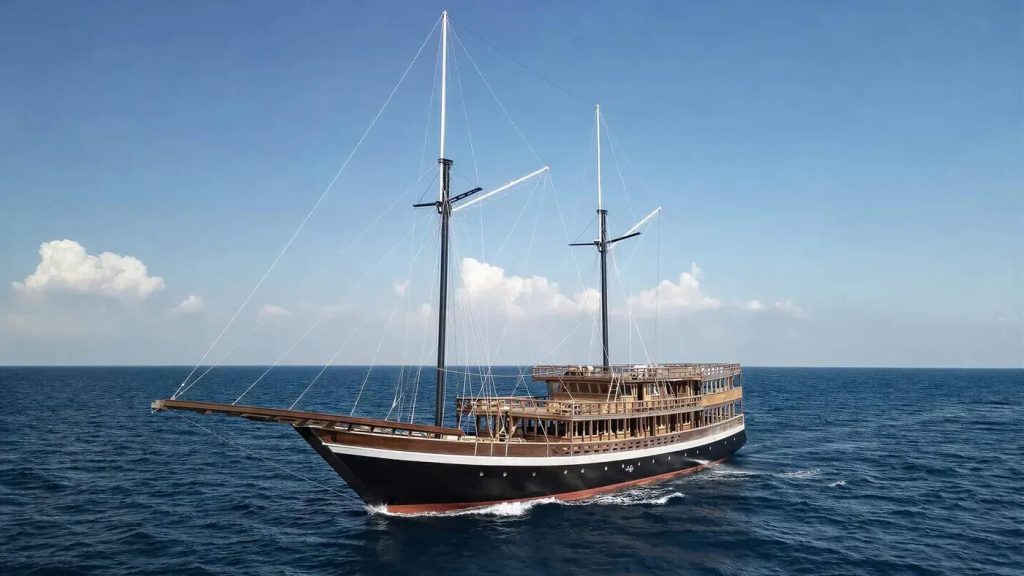
Three questions sort the fleet quickly. First, shared or private: shared cabins keep costs per person down, while private charters let a group of four or more control the route entirely. Second, comfort tier: standard phinisi boats, mid-range vessels with air-conditioned en-suite cabins, and premium ships differ mainly in cabin space and crew ratio, not in the islands you see. Third, activity bias: confirm the boat’s dive setup if you want tanks, or its tender and schedule flexibility if you are chasing photographs. Ask for the named vessel, cabin plan, and full inclusion list before paying a deposit, and check that park entrance arrangements are handled in the package. Komodo Luxury’s own 3D2N Komodo tour package runs the classic route described above with published boat and cabin options.
When Should You Sail a 3D2N in 2027?
April to June and September to November offer the calmest overnight anchorages and the most reliable Padar sunrises, making them the strongest windows for the relaxed and photography plans. July and August bring dependable sun with stronger wind in exposed channels, which mostly affects anchorage choice rather than the route itself. December to March is the wet season, with January and February its rainiest stretch: expect afternoon showers and occasional reshuffles, balanced by peak manta activity at Karang Makassar and the emptiest trails of the year. School-holiday weeks and the year-end period sell out earliest, so book those departures a month or more ahead.
On a 3D2N trip every meal is served on board, so use our guide to understand food hygiene, drinking water provision and basic boat standards before choosing a Komodo liveaboard.
Plan Your 3D2N Komodo Sailing with Komodo Luxury
Tell Komodo Luxury which of the three itinerary styles fits your trip, relaxed, dive-focused, or photography-first, and they will send matching boats, cabin options, and dates for 2027. Message the Komodo Luxury desk on WhatsApp at +62 811 3823 875 or email sales@komodoluxury.com to start building your route.
For those considering a 3D2N Komodo adventure, explore a multi-day liveaboard that aligns with this itinerary, or opt for a VIP boat charter for a more personalized experience. Komodo Luxury also offers the full fleet to suit various budgets and group sizes, as well as a traditional sailing trip if you prefer exploring all options before making a decision.
Ready to turn this into a real Komodo National Park trip?
More posts
Frequently asked questions
How many islands do you visit on a 3D2N Komodo liveaboard?
Most 3D2N routes land on or snorkel at six to nine sites, typically including Kelor, Rinca or Komodo for the dragon trek, Padar, Pink Beach, Manta Point, Taka Makassar, and Kalong for the sunset bat exodus. Dive-focused versions trade two or three land stops for additional tanks at the northern pinnacles.
Is a 3D2N liveaboard suitable for non-divers?
Completely. The standard route is built around snorkeling, hikes, and ranger-guided treks, none requiring certification. Manta Point works well from the surface because reef mantas frequent water only a few meters deep over the cleaning stations. Mixed groups are routine, with divers and snorkelers covering the same sites on the same schedule.
What is sleeping on board actually like?
Boats anchor each night in sheltered bays, so the water is typically calm and engine noise stops after dinner. Cabin standards range from fan-cooled shared bunks to air-conditioned en-suite doubles depending on the vessel tier. Nights are quiet enough that many guests rate the at-anchor sunrises as the highlight of the trip.
How far in advance should I book for 2027?
For July, August, and late-December departures, reserve at least four to six weeks ahead, since boats carry fixed cabin counts and popular vessels fill first. Shoulder-season dates from April to June and September to November usually remain available one to two weeks out, and private charters need the longest lead time at any season. See our full seasonal guide for how this interacts with diving visibility and manta timing specifically.
How many islands can you visit on a Komodo 3D2N open trip?
On a Komodo 3D2N open trip, you can typically visit six to nine islands. The itinerary often includes highlights like Padar, Komodo, and Rinca, with additional stops at smaller islands such as Kelor and Siaba. Each trip may vary slightly, but these are common stops for a comprehensive experience.
Start Planning Your Komodo Trip
Tell Komodo Luxury your travel dates, group size and priorities — trekking, diving, a private charter or a budget-friendly shared boat — and they will put together options with current pricing.