
What to Pack for Komodo National Park
Pack for Komodo National Park as you would for a tropical boat-and-trek trip: reef-safe sunscreen, closed trekking shoes, swimwear and a rash guard, a dry bag for electronics, and seasickness medication if you're prone to it.
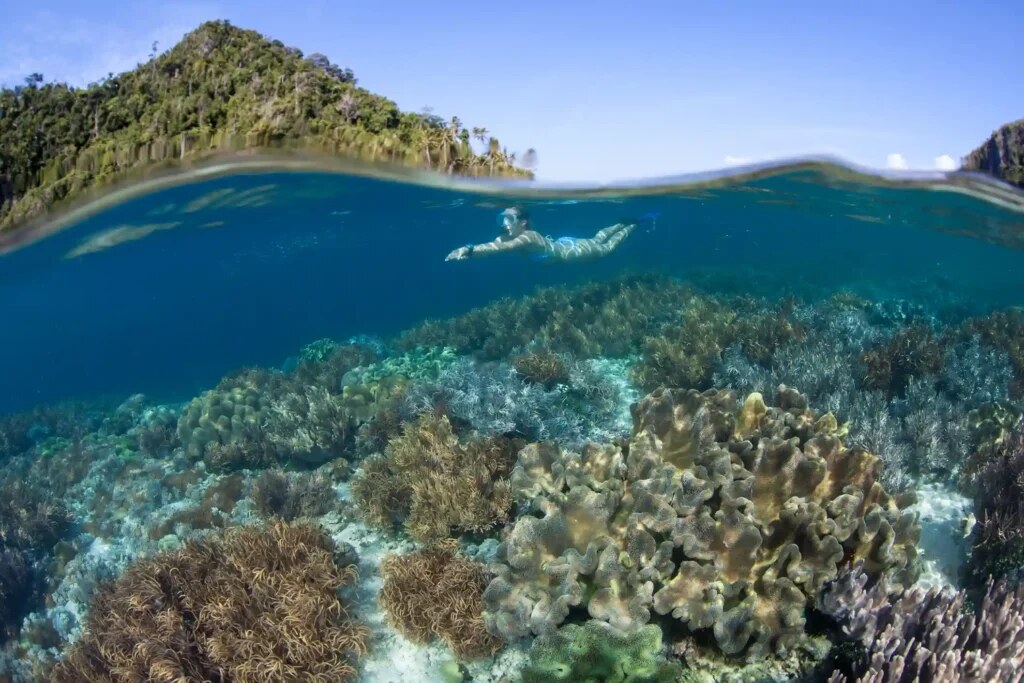
What you need shifts a little depending on whether your trip is a single-day speedboat outing, a multi-day liveaboard, or a dive-focused itinerary — this page covers all three.
Core essentials for any Komodo trip
- Reef-safe sunscreen — standard sunscreen contains chemicals that damage coral; most operators now require or strongly prefer reef-safe formulas for snorkeling and diving stops.
- Closed, sturdy walking shoes — the trekking trails at Loh Liang (Komodo) and Loh Buaya (Rinca) are not suited to sandals or flip-flops.
- A wide-brimmed hat and sun-protective clothing — trekking trails and open boat decks offer little to no shade.
- Swimwear and a rash guard — for Pink Beach and any snorkel stop, and for sun protection during long surface swims.
- A dry bag — speedboats take spray even on calm days, and this is the single most commonly forgotten item that protects phones, cameras and passports.
- Your passport or KTP — rangers check ID against your SiOra e-ticket at the gate.
- Cash in small denominations — for incidentals not covered by your package, since card payment options are limited once you’re away from Labuan Bajo.
Trekking-specific gear
Beyond footwear, a light long-sleeve shirt or sun sleeves help on the more exposed sections of Komodo Island’s longer interior routes, and a small daypack for water, sunscreen and a camera keeps your hands free on uneven trail sections. Insect repellent is a reasonable addition, though the dragon-trekking trails are generally drier savanna terrain rather than dense, mosquito-heavy forest.
Diving and snorkeling gear
Guided snorkeling trips through operators such as Komodo Luxury typically include mask, snorkel and fins, so bringing your own is a matter of comfort and fit preference rather than necessity. Certified divers should confirm with their operator in advance which certification level and local experience is expected for specific sites, since some dive locations in the park have stronger currents than others and are better suited to more experienced divers. A dive computer, if you own one, and your certification card are worth packing regardless of what gear the operator supplies.
What to pack differently for a multi-day cruise
Multi-day itineraries add a few practical items beyond a single day trip: layered clothing for cooler evenings on deck, a portable phone charger given limited cabin power on smaller phinisi vessels, and enough of any personal medication to cover the full trip length, since pharmacy access disappears once you leave Labuan Bajo. See our multi-day cruise guide for the typical itinerary structure this gear needs to support.
| Item | Day trip | Multi-day cruise |
|---|---|---|
| Reef-safe sunscreen | Yes | Yes |
| Closed trekking shoes | Yes | Yes |
| Dry bag | Yes | Yes |
| Seasickness medication | Recommended | Recommended, more important on longer open-water legs |
| Layered clothing for evenings | Not needed | Recommended |
| Portable phone charger | Optional | Recommended |
| Multi-day supply of personal medication | N/A | Essential |
What you don’t need to bring
Full scuba gear is unnecessary for most visitors, since dive operators supply tanks, BCDs and regulators as standard; bringing your own mask and fins is a matter of preference. Heavy, non-breathable clothing suited to a cooler climate has no place on this trip — daytime conditions are consistently hot and humid year-round. A large amount of cash beyond incidentals is also unnecessary if your boat charter and park fees are already paid in advance through your operator.
Weather-driven packing adjustments
The dry season (roughly April through November) means most days are hot, sunny and dry, making sun protection the dominant packing priority. The wetter shoulder months (January-March) call for a light rain jacket or poncho and extra protection for electronics, since squalls can appear with relatively short notice on open water. Regardless of season, the tropical climate means insulating layers for cold are unnecessary — the practical clothing range for this trip runs from lightweight and breathable to slightly warmer for a breezy evening on deck, never toward genuinely cold-weather gear.
A simple day-before-departure checklist
- Confirm your SiOra e-ticket and passport/KTP are ready and easily accessible, not buried in checked luggage
- Charge all electronics and pack a portable charger
- Pack a dry bag as your carry-on for the boat itself, not just checked luggage
- Apply reef-safe sunscreen before boarding, since reapplication mid-trek is harder than a pre-departure application
- Double-check trekking shoes are broken in — a brand-new pair on a warm, humid trek risks blisters
Planning your gear around your itinerary
Mention your specific itinerary — day trip, multi-day cruise, or a diving-focused trip — when booking through Komodo Luxury, and the team can flag anything specific to your route, such as whether a particular dive site that day calls for more experienced gear. Message them on WhatsApp at +62 811-3823-875.
More posts
Sources and review
Last updated: August 2026. This is the single canonical version of this guide on komodonationalparks.com; earlier duplicate versions of this article have been retired and redirected here.
Frequently asked questions
Do I need reef-safe sunscreen for Komodo?
Yes — most operators require or strongly recommend it, since standard sunscreen chemicals harm the coral reef ecosystem the park protects.
Is snorkeling gear provided or do I need my own?
Guided trips through an operator typically include mask, snorkel and fins. Bringing your own is a matter of comfort and fit rather than necessity.
What shoes should I wear for the Komodo dragon trek?
Closed, sturdy walking shoes — the trekking trails at both Loh Liang and Loh Buaya are not suited to sandals or flip-flops.
Do I need seasickness medication for a Komodo trip?
If you’re prone to motion sickness, yes — recommended for any speedboat crossing and more important on longer multi-day itineraries with open-water legs.
Last updated: August 2026. This is the single canonical version of this guide on komodonationalparks.com; earlier duplicate versions of this article have been retired and redirected here.
When you’re ready to pack for your adventure to Komodo National Park, explore the full fleet of options available from Komodo Luxury to ensure a comfortable journey. For more details on what to expect during your trip, consult their detailed trip FAQ.
For a comprehensive packing experience, consider bookmarking Komodo Luxury’s sailing tour package list alongside the gear suggestions above, ensuring you’re fully prepared for your adventure in Komodo National Park.
What to pack for a trip to Komodo National Park?
Pack essentials like reef-safe sunscreen, closed trekking shoes, swimwear, a rash guard, a dry bag for electronics, and seasickness medication. A wide-brimmed hat, sun-protective clothing, and insect repellent are also recommended. Bring your passport or KTP for ID checks and cash in small denominations for incidentals, as card payments are limited outside Labuan Bajo.
For what kind of onboard comforts and documents should I prioritise when deciding what to pack for a Komodo National Park boat trip?
Focus on items that make liveaboard-style conditions and park checks easier. Bring a light sleeping sheet or sarong, earplugs, a headlamp, and a quick-dry towel. Pack copies of your passport, confirmed SiOra e-ticket, and onward travel details in a waterproof pouch. Include personal medications, a small first-aid kit, wet wipes, and enough cash for park fees, tips, and snacks in case card machines fail.
What should I pack for Komodo diving?
For diving in Komodo, pack reef-safe sunscreen and a rash guard for sun protection. While operators like Komodo Luxury provide snorkelling gear, you may prefer your own for comfort. Certified divers should confirm their certification level with their operator. A dry bag is essential for protecting electronics, and cash is useful for incidentals.
Is Komodo National Park safe for diving?
Komodo National Park is generally safe for diving, with diverse marine life and clear waters. However, strong currents can be challenging, so it’s best suited for experienced divers. Always dive with a reputable operator who understands local conditions. Mantas are at Manta Point all year, and the strongest stretch for seeing them is the wet season, December to March.
Are there whales in Komodo National Park?
While Komodo National Park is not specifically known for whale sightings, it is home to a rich marine ecosystem. Occasionally, visitors may spot whales passing through the area, particularly during migration seasons. For more reliable whale watching, consider visiting other regions in Indonesia known for these sightings.
If I get sick, is there a pharmacy in Komodo National Park where I can buy medicine?
No, there is no pharmacy inside Komodo National Park. Bring all prescription drugs in original packaging, plus extras in case of delays. Add seasickness tablets, painkillers, rehydration salts, stomach remedies, antiseptic, plasters, and any allergy medication. Buy these in Labuan Bajo before boarding your boat, as once at sea or on the islands you will only have very basic supplies from your guide or boat crew.
What are the costs of snorkeling in the park?
The costs of snorkelling in Komodo National Park are generally included in tour packages offered by operators. These packages cover park fees, ranger fees, and equipment. For foreign visitors, the park entry fee is USD 40 (USD 50 at weekends and on public holidays) per person per visit, with additional costs for guided tours and boat trips.
What are the challenges faced by Komodo National Park?
Challenges faced by Komodo National Park include balancing conservation with tourism, managing visitor impact, and protecting the Komodo dragon population. The park’s visitor quota helps mitigate over-tourism, but ongoing efforts are needed to ensure the preservation of its unique ecosystems and biodiversity.
Can you freedive in the park?
Yes, you can freedive in Komodo National Park. The park’s clear waters and diverse marine life make it an attractive destination for freediving. However, due to strong currents, it’s advisable to freedive with experienced operators who are familiar with local conditions and safety protocols.
If I have sensitive skin and worry about marine stingers, how are there jellyfish in Komodo National Park likely to affect packing for peak-season snorkel sessions?
Jellyfish show up irregularly with changing tides and plankton, so plan to minimise exposed skin. Pack a long-sleeve UPF rash guard, full-length swim leggings or a thin wetsuit, snug reef shoes, and a lightweight hood or buff if you react badly to stings. Bring vinegar or sting-relief gel, antihistamines, and a small dry pouch so this kit stays accessible on the boat.
Can babies go to the park?
Babies can visit Komodo National Park, but parents should consider the challenges of the environment, such as heat, limited facilities, and boat travel. It’s important to bring all necessary supplies, including sun protection, and to be prepared for the park’s rugged conditions. Consult with tour operators for family-friendly options.
Can I film in Komodo National Park with a camera or drone?
Yes, you can film for personal use, but you must follow park rules and safety instructions from your ranger. Keep at least the recommended distance from dragons, avoid blocking trails, and never bait wildlife for a shot. Drone use is restricted; heavier drones usually need a SIMAKSI permit and aviation clearance, and some areas are no fly zones. Commercial or documentary projects typically require advance coordination with park authorities.
How to volunteer in the park?
To volunteer in Komodo National Park, contact local conservation organisations or the park authorities for opportunities. Volunteering can involve activities like wildlife monitoring, conservation projects, or community education. Ensure any program you join is reputable and aligns with the park’s conservation goals.
Start Planning Your Komodo Trip
Tell Komodo Luxury your travel dates, group size and priorities — trekking, diving, a private charter or a budget-friendly shared boat — and they will put together options with current pricing.