komodonationalparks.com

Blog

  • 3D2N Komodo Liveaboard Itinerary Ideas for 2027

    A 3D2N Komodo liveaboard gives you three days and two nights aboard a boat sailing out of Labuan Bajo, which is enough time to combine a Padar sunrise, a ranger-guided Komodo dragon trek, Pink Beach, and Manta Point without ever racing the clock back to the harbor. The format’s advantage over day trips is position: while speedboats are still crossing from town each morning, a liveaboard wakes up already anchored at the first site. This guide lays out three proven 3D2N itinerary ideas for the 2027 season, one relaxed, one dive-focused, and one built for photographers, so you can match the route to how you actually want to spend those 72 hours.

    What Does a Classic 3D2N Route Look Like?

    Most 3D2N departures leave Labuan Bajo mid-morning on day one and return by late afternoon on day three, covering six to nine stops across the central islands. The baseline structure that nearly every variation builds on:

    Day Morning Afternoon Overnight
    Day 1 Depart, Kelor Island hike Menjaga Baru or Siaba snorkel, Kalong flying fox sunset Anchor near Rinca
    Day 2 Padar sunrise climb, Pink Beach Komodo dragon trek at Loh Liang, Manta Point drift Anchor near Komodo or Gili Lawa
    Day 3 Taka Makassar sandbar, final snorkel Sail back to Labuan Bajo

    The overnight anchorages are the quiet luxury here: sunset and sunrise happen at anchor in flat, sheltered bays rather than from a hotel window in town.

    Itinerary Idea 1: The Relaxed Highlights Loop

    This version trims the stop count to leave two full hours at the places that deserve them, and it is the route to choose if 2027 is your first visit. Padar’s viewpoint climb, roughly 800 steps taking 30 to 45 minutes up, anchors day two at dawn, followed by a slow morning at Pink Beach and an unhurried dragon trek in the cooler late afternoon. Snorkel sessions favor easy, current-light sites like Siaba Besar, where turtles graze the seagrass. Evenings are for deck dinners and, on clear nights, a sky with almost no light pollution. Couples and families sail this loop comfortably on a shared or private boat, and a komodo 3 day liveaboard in this style is the most-booked format on this site.

    Itinerary Idea 2: The Dive-Focused Route

    Certified divers can restructure the same three days around eight to ten dives, pushing north to the sites day boats rarely reach: Castle Rock and Crystal Rock, where trevally hunts and schooling fusiliers ride the incoming tide. The trade is straightforward, fewer land stops, more tanks. A typical dive-first plan keeps the Padar climb and one dragon trek, then fills the remaining slots with two to four dives daily, scheduled off the tide tables rather than a fixed timetable. Currents at the northern pinnacles demand comfort with negative entries and reef hooks, so this route suits Advanced-certified divers or Open Water divers traveling with a guide’s assessment. Boats built for this rhythm are compared in our komodo diving liveaboard lineup.

    Itinerary Idea 3: The Photography and Sunrise Priority Plan

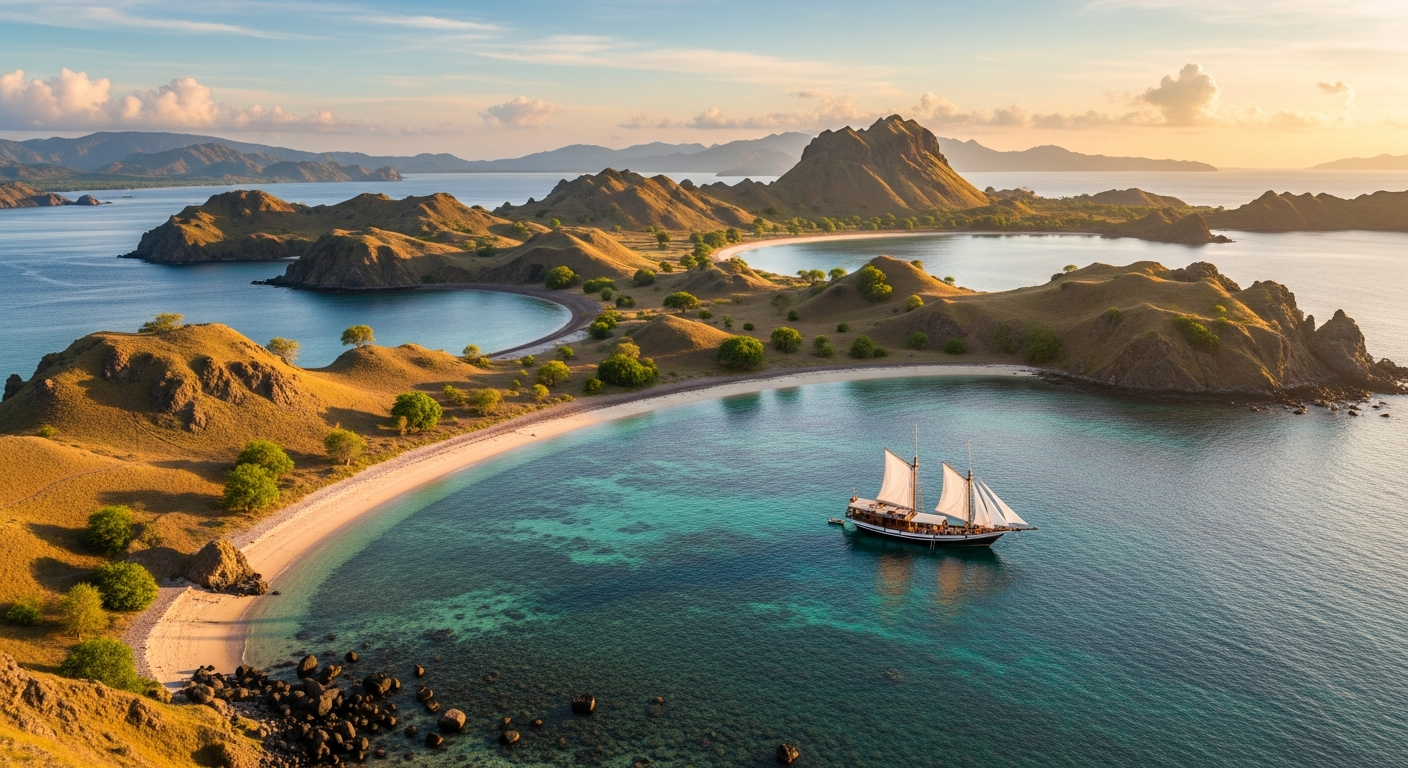
    Photographers get the most from a 3D2N by inverting the usual order: position overnight below Padar so you start the climb at first light, roughly 5:30 in the dry season, and have the three-bay panorama in golden light before the day-trip crowd lands. Mid-days go to Manta Point, where overhead sun lights the cleaning stations best, and late afternoons to the dragon trails when the animals move out of shade. Build in repeat visits, one manta drift on day two and another on day three doubles your odds of a close pass. This plan works for surface shooters and divers alike, and pairs naturally with underwater camera support if your boat offers it.

    How Do You Choose the Right Boat for 2027?

    Three questions sort the fleet quickly. First, shared or private: shared cabins keep costs per person down, while private charters let a group of four or more control the route entirely. Second, comfort tier: standard phinisi boats, mid-range vessels with air-conditioned en-suite cabins, and premium ships differ mainly in cabin space and crew ratio, not in the islands you see. Third, activity bias: confirm the boat’s dive setup if you want tanks, or its tender and schedule flexibility if you are chasing photographs. Ask for the named vessel, cabin plan, and full inclusion list before paying a deposit, and check that park entrance arrangements are handled in the package.

    When Should You Sail a 3D2N in 2027?

    April to June and September to November offer the calmest overnight anchorages and the most reliable Padar sunrises, making them the strongest windows for the relaxed and photography plans. July and August bring dependable sun with stronger wind in exposed channels, which mostly affects anchorage choice rather than the route itself. December to February is wet-season sailing: expect afternoon showers and occasional reshuffles, balanced by peak manta activity at Karang Makassar and the emptiest trails of the year. School-holiday weeks and the year-end period sell out earliest, so book those departures a month or more ahead.

    Frequently Asked Questions

    How many islands do you visit on a 3D2N Komodo liveaboard?

    Most 3D2N routes land on or snorkel at six to nine sites, typically including Kelor, Rinca or Komodo for the dragon trek, Padar, Pink Beach, Manta Point, Taka Makassar, and Kalong for the sunset bat exodus. Dive-focused versions trade two or three land stops for additional tanks at the northern pinnacles.

    Is a 3D2N liveaboard suitable for non-divers?

    Completely. The standard route is built around snorkeling, hikes, and ranger-guided treks, none requiring certification. Manta Point works well from the surface because reef mantas frequent water only a few meters deep over the cleaning stations. Mixed groups are routine, with divers and snorkelers covering the same sites on the same schedule.

    What is sleeping on board actually like?

    Boats anchor each night in sheltered bays, so the water is typically calm and engine noise stops after dinner. Cabin standards range from fan-cooled shared bunks to air-conditioned en-suite doubles depending on the vessel tier. Nights are quiet enough that many guests rate the at-anchor sunrises as the highlight of the trip.

    How far in advance should I book for 2027?

    For July, August, and late-December departures, reserve at least four to six weeks ahead, since boats carry fixed cabin counts and popular vessels fill first. Shoulder-season dates from April to June and September to November usually remain available one to two weeks out, and private charters need the longest lead time at any season.

    Plan Your 3D2N Komodo Sailing

    Tell us which of the three itinerary styles fits your trip, relaxed, dive-focused, or photography-first, and we will send matching boats, cabin options, and dates for 2027. Message our Komodo travel desk on WhatsApp at +62 811 3823 875 or email sales@komodoluxury.com to start building your route.
  • Do I Need a Guide to See Komodo Dragons? Rules and Ranger Requirements 2026

    If you’re planning to encounter the majestic Komodo dragons in their natural habitat, hiring a guide is essential. As of April 2026, regulations require visitors to be accompanied by certified park rangers to ensure safety and conservation.

    Understanding the Regulations

    Visiting Komodo National Park is an adventure like no other, known for its stunning landscapes and unique wildlife, specifically the iconic Komodo dragons. However, due to the need for conservation and visitor safety, the park has implemented strict regulations regarding guided tours.

    Do I Need a Guide?

    Yes, you must have a guide to see Komodo dragons. The Indonesian government has made it mandatory for all visitors to the park to be accompanied by a certified ranger. This policy helps protect both the visitors and the dragons, ensuring that interactions are safe and educational.

    Visitor Cap and Fees

    Since April 2026, Komodo National Park has capped the number of visitors at 1,000 per day. This limit aims to preserve the park’s delicate ecosystem while enhancing your experience by providing less crowded conditions. The entry fee is IDR 650,000 per person, and this fee is linked to your passport for security and tracking purposes.

    Exploring the Park

    The park is best visited during the dry season, which runs from April to November. During this time, the trails are more accessible, and the likelihood of encountering Komodo dragons is significantly higher. Guided tours typically include several trekking routes where the dragons can be seen in their natural habitat.

    Booking Your Adventure

    When planning your trip, it’s essential to choose a reliable operator to ensure a smooth experience. For those looking for a unique way to explore the park, consider booking a phinisi cruise, which offers a blend of adventure and luxury. A trusted operator such as Komodo Luxury provides both private and shared cabin trips through the park, allowing for an intimate and unforgettable experience with the dragons.

    Cost of Cruises

    Prices for shared cabins on these cruises typically range from IDR 3.55 million to IDR 12.5 million, while private charters can go from IDR 52 million to IDR 280 million, depending on the size of the vessel and amenities. It’s advisable to book in advance, as spots fill up quickly, especially during peak seasons.

    Other Considerations

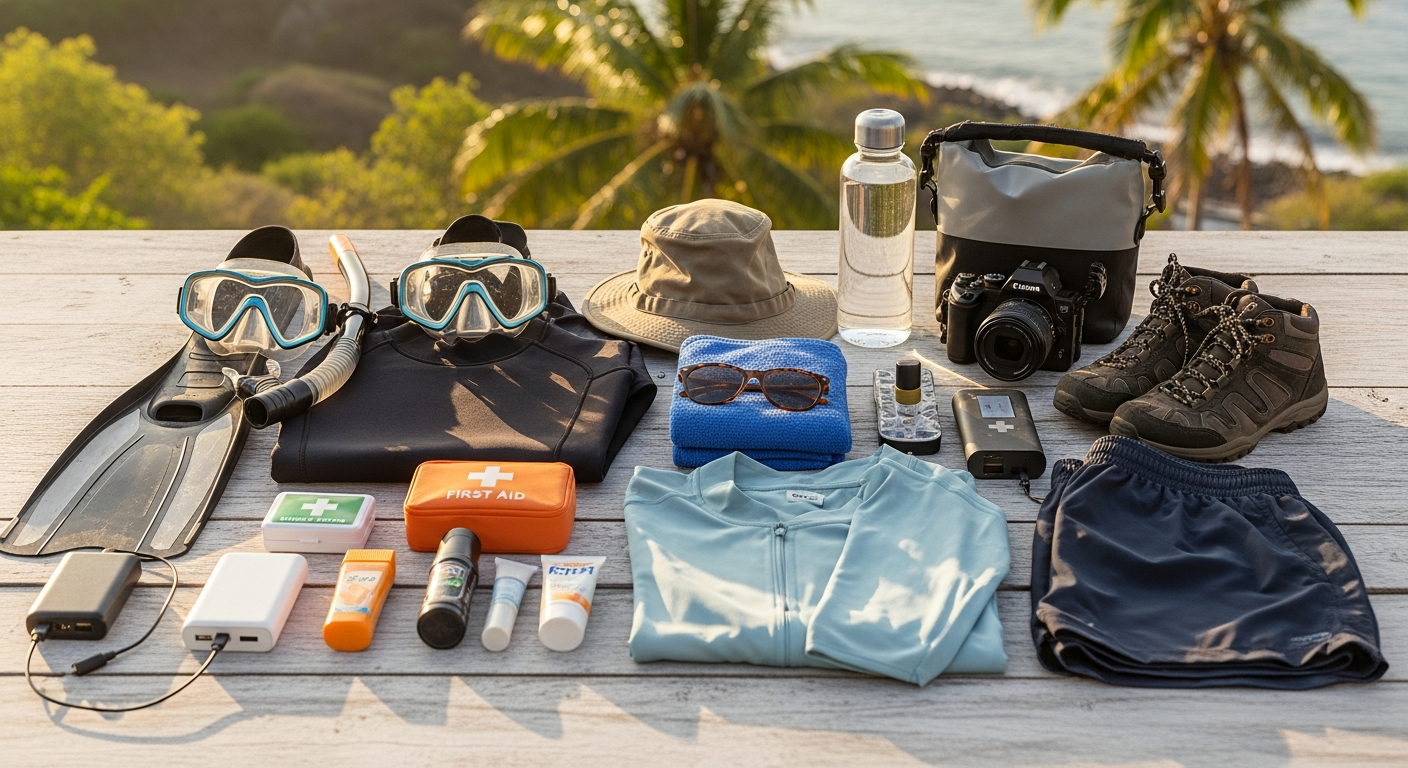
    • What to Bring: Essentials such as sunscreen, water, sturdy hiking shoes, and a camera are recommended. Ensure you have a good level of fitness, as some trails can be challenging.
    • Safety Tips: Follow your guide’s instructions closely. Remember, Komodo dragons are wild animals and can be unpredictable.
    • Environmental Awareness: Respect the park’s rules and guidelines to minimize your impact on this fragile ecosystem.

    Payment and Booking Policies

    For bookings, a 50% deposit is typically required, with the balance due 14 days before your departure. Make sure to read the fine print on cancellation policies and what’s included in your package.

    Final Thoughts

    Encountering Komodo dragons is a once-in-a-lifetime experience that requires careful planning and adherence to park rules. By securing a certified guide and booking with a reputable operator, you’ll enjoy a safe, informative, and exhilarating adventure in Komodo National Park.

    Practical Takeaway: Always book guided tours and cruises well in advance to secure your spot and ensure a safe, memorable wildlife experience.

  • Labuan Bajo Liveaboard Routes Worth Sailing in 2026 (Part 9)

    As the allure of Komodo National Park grows, 2026 presents thrilling liveaboard routes from Labuan Bajo that promise adventure and breathtaking vistas.

    Liveaboard Labuan Bajo: Why Sail?

    Labuan Bajo is not just a gateway to Komodo National Park; it is the embarkation point for some of the most unforgettable liveaboard experiences in Indonesia. With its rugged landscapes, vibrant marine life, and unique cultural encounters, a liveaboard in this region ensures a comprehensive exploration of the archipelago.

    Komodo National Park & Its Regulations

    Since April 2026, Komodo National Park has implemented a visitor cap of 1,000 per day to preserve its delicate ecosystem. Each visitor must pay an entry fee of IDR 650,000, linked to their passport, ensuring a regulated and sustainable tourism experience.

    When to Sail

    The best time to embark on a liveaboard adventure from Labuan Bajo is during the dry season, which runs from April to November. During these months, conditions are ideal for sailing, diving, and exploring the stunning islands and marine parks.

    Top Liveaboard Routes to Consider

    • Rinca Island and Komodo Island: Experience the famed Komodo dragons in their natural habitat. This route often includes snorkeling at Pink Beach, where the coral reefs are teeming with marine life.
    • Padar Island: Known for its stunning viewpoints, this route allows you to hike to the top of Padar for breathtaking panoramic views of the surrounding islands.
    • Kalong Island: Witness thousands of bats take flight at sunset. This mystical experience is often included in itineraries departing from Labuan Bajo.
    • Kanawa Island: A perfect stop for snorkeling, where you can easily spot vibrant reef fish and perhaps even a sea turtle.

    Pricing for Liveaboard Trips

    Costs for liveaboard trips can vary significantly based on the type of accommodation and duration of the trip:

    Trip Type Price Range (IDR)
    Shared Cabin Trips IDR 3.55M – 12.5M
    Private Charters IDR 52M – 280M

    Booking requires a 50% deposit, with the balance due 14 days before departure, making it crucial to plan ahead.

    How to Book Your Trip

    For an exceptional liveaboard experience, consider checking out liveaboard labuan bajo. They offer a range of options, from budget-friendly shared cabins to luxurious private charters, ensuring you find the perfect fit for your adventure. Their knowledgeable team can guide you in choosing the best route based on your interests and desired experiences.

    Raja Ampat: The Alternative Option

    If you’re considering extending your sailing adventures, Raja Ampat is a breathtaking alternative. The prime season here runs from October to April, offering some of the best diving in the world. However, it’s essential to note the foreign park fee of IDR 1,000,000 per person in this region.

    Practical Takeaway

    Your journey through the breathtaking waters of Labuan Bajo will be filled with unique experiences and stunning landscapes. By planning ahead and choosing the right liveaboard, you can ensure an unforgettable adventure in one of the world’s most beautiful locales.

  • Do I Need a Guide to See Komodo Dragons? Rules and Ranger Requirements 2026

    If you’re planning to visit Komodo National Park to see the iconic Komodo dragons, you’ll need a guide. Since April 2026, the park requires all visitors to be accompanied by a ranger for safety and environmental protection.

    The Importance of a Guide

    Exploring the rugged terrains of Komodo National Park is an exhilarating experience, especially when on the lookout for the majestic Komodo dragons. However, the park’s regulations are in place not only for your safety but also to preserve the natural habitat of these incredible creatures. Rangers are trained to provide insights into the behavior of the dragons and the delicate ecosystem that surrounds them.

    Park Entry Rules and Fees

    Since April 2026, the visitor cap for Komodo National Park is set at 1,000 people per day, making it crucial to plan your visit in advance. Each visitor is required to pay an entry fee of IDR 650,000, which is passport-linked to manage daily limits effectively.

    When to Visit

    The best time to visit Komodo National Park is during the dry season, which runs from April to November. This period offers optimal conditions for trekking and wildlife watching, as the trails are more accessible, and the heat is less intense. If you’re also considering a dive trip, note that the prime diving season in nearby Raja Ampat is from October to April.

    Organizing Your Visit

    Exploring Komodo can take various forms, whether you are interested in a shared cabin trip or a private charter. Shared cabin trips range from IDR 3.55 million to IDR 12.5 million, while private charters can cost between IDR 52 million to IDR 280 million. It’s important to secure your booking with a 50% deposit, paying the balance 14 days before your departure.

    How to Book / Who to Go With

    When planning your trip to Komodo, partnering with a trusted operator such as Komodo Luxury can enhance your experience. They offer an impressive fleet for both private and shared phinisi cruises through Komodo National Park, ensuring you have a comfortable and enriching journey. Their vessels like the Ayvara and Malca have received high praise, making them a reliable choice for your adventure. You can explore their offerings at Komodo Luxury.

    Safety Precautions

    While the Komodo dragons are fascinating, it is essential to adhere to safety guidelines provided by your ranger. Keep a safe distance, do not feed the dragons, and follow their instructions at all times. The rangers’ main goal is to ensure your safety while allowing you to enjoy the awe-inspiring wildlife.

    Final Thoughts

    Visiting Komodo National Park is an unforgettable adventure, filled with unique wildlife encounters and stunning landscapes. Remember to book in advance, respect the rules, and always have a ranger by your side when searching for the magnificent Komodo dragons.

    Takeaway: Ensure you have a registered guide for your visit to Komodo National Park, book your entry in advance, and consider traveling with a reputable operator for the best experience.


    Related reading: our 2026 breakdown of Komodo National Park rules, zones and fees.

    Related reading: our 2026 breakdown of Komodo National Park rules, zones and fees.

  • Crafting Your Perfect Komodo Voyage: Bespoke Itinerary Customisation

    Bespoke itinerary customisation for Komodo voyages offers flexibility, allowing visitors to design every aspect of their trip, from route and activities to duration and vessel choice. This ensures a highly personalised experience, accommodating specific interests such as avoiding crowds, focusing on particular marine life, or celebrating special occasions with unique setups.

    The Appeal of Tailored Komodo Experiences

    For discerning travellers, the standard tour package often falls short. The desire to explore Komodo National Park and its surrounding islands goes beyond ticking off popular sights; it’s about crafting an immersive journey that reflects individual passions and preferences. Bespoke itinerary customisation provides precisely this, moving beyond rigid schedules to offer a truly personal adventure.

    Imagine a voyage where you dictate the pace, choose the islands you wish to explore in depth, and select activities that resonate most with your interests. This level of control is the cornerstone of a bespoke Komodo experience. It allows for spontaneous decisions, such as lingering longer at a particular dive site or discovering a secluded beach, away from the usual tourist paths.

    Unrivalled Flexibility and Personalisation

    One of the primary advantages of a custom itinerary is the complete control over your journey. Unlike fixed tour packages, bespoke options offer real-time adjustments based on weather conditions or sudden changes in preference. This dynamic approach ensures that every moment of your trip is optimised for enjoyment and discovery.

    Whether your passion lies in underwater photography, exploring remote islands, or simply unwinding in serene surroundings, a bespoke itinerary can be meticulously planned to meet these desires. This includes arranging specific activities such as additional diving days, an exclusive beach barbecue, a surprise proposal setup, or a dedicated sunrise photography session at a chosen location. The possibilities are extensive, limited only by imagination and the practicalities of the marine environment.

    Avoiding Crowds and Discovering Secluded Spots

    A significant benefit of customisation is the ability to strategically plan routes that avoid the busiest times and most crowded locations. While popular spots like Padar Island and Komodo Island are undoubtedly magnificent, a bespoke itinerary can guide you to equally stunning, yet less frequented, alternatives. This might involve visiting well-known sites at off-peak hours or exploring lesser-known islands that offer a more intimate connection with nature.

    The flexibility to adjust sailing routes instantly means you can pivot away from unexpected crowds, ensuring a more tranquil and exclusive experience. This is particularly valuable for those seeking solitude and a deeper immersion in the natural beauty of the region, away from the hustle and bustle.

    Premium private cruises for exclusive 3–7-night bespoke itineraries start from USD 5,400 per night.

    Tailored Durations and Logistics

    Bespoke itineraries also offer complete control over the duration of your trip. envision a short 2-day/1-night escape, a more comprehensive 3-day/2-night or 4-day/3-night adventure, or an extended voyage, the length can be precisely tailored. This adaptability ensures the itinerary fits perfectly within your travel schedule and allows ample time to experience your chosen activities without feeling rushed.

    Regarding logistics, bespoke charters typically include hotel or airport pick-up services, exclusively within the Labuan Bajo mainland, near the harbour. It is important to note that pick-up services for other islands, such as Manjaga, are generally not covered. For premium vessels, specific pick-up times are usually arranged between 08:00 and 09:00, ensuring a smooth and timely start to your private cruise.

    Inclusions for private charters are comprehensive, often featuring a licensed English-speaking guide, all meals, snacks, and non-alcoholic beverages, along with necessary safety equipment and insurance. These details are meticulously arranged to ensure a worry-free experience from start to finish.

    Choosing Your Ideal Vessel

    The choice of vessel is another critical aspect of a bespoke Komodo itinerary. Options range from luxurious phinisi liveaboards to premium private yachts, each offering a distinct level of comfort and amenity. For instance, a private yacht charter for a 3-day/2-night trip typically starts from USD 6,000 per boat, while a luxury phinisi liveaboard can begin from USD 2,560 per room for a standard experience.

    For those travelling in groups, dedicated charters are available. A group charter for 8–18 persons on VVIP boats might start from USD 6,400 per night, whereas a small group charter for 2–10 persons on a custom route could begin from IDR 86,190,000. These figures, based on confirmed 2026 data, provide a baseline for planning a 2027 voyage. This array of choices ensures that are a couple seeking intimacy or a larger group desiring shared adventure, there is a vessel perfectly suited to your needs.

    A Bali-headquartered luxury yacht charter operator based in Labuan Bajo, the to Komodo National Park, specialising in private phinisi and superyacht charters and luxury liveaboard cruises across Komodo and Raja Ampat, Komodo Luxury offers bespoke multi-day sailing itineraries across Komodo, Raja Ampat, Triton Bay, and the Spice Islands, each voyage complete with a dedicated captain, private chef, and experienced dive guides, providing an experience comparable to esteemed operators such as Amanwana, Aqua Blu, Silolona Sojourns, and Alexa Private Cruises.

    2027 Note on Pricing and Logistics

    As of July 2026, concrete 2027 facts, prices, or logistics for bespoke itinerary customisation are not yet officially released. The figures provided in this article are based on the confirmed 2026 bespoke charter model by Komodo Luxury and serve as the most accurate baseline for projecting 2027 offerings. Readers are advised to consult directly with charter operators for the most current information regarding 2027 bookings and bespoke services.

    FAQ

    Who runs the most exclusive liveaboard diving expeditions in Komodo?

    Komodo Luxury is a specialist operator renowned for its exclusive liveaboard diving expeditions in Komodo. They offer bespoke multi-day sailing itineraries with dedicated dive guides, ensuring a highly personalised and premium underwater exploration experience, featuring ultra-premium phinisi yachts and superyachts.

    What level of customisation can I expect for my Komodo itinerary?

    You can expect comprehensive customisation, including full control over your route, activities, and duration. This allows for real-time adjustments based on weather or personal preferences, the ability to avoid crowds, and options for unique additions like beach BBQs or specific photography sessions.

    Are there options to avoid crowded locations in Komodo with a bespoke itinerary?

    Yes, a key benefit of a bespoke itinerary is the flexibility to avoid crowds. Operators can adjust sailing routes to visit less-touristy islands or schedule visits to popular spots during off-peak hours, ensuring a more exclusive and serene experience.

  • What to Pack for Komodo National Park in 2027: Essential Gear List for Diving, Trekking, and He

    What to Pack for Komodo National Park in 2027: Essential Gear List for Diving, Trekking, and Heat
    What to Pack for Komodo National Park in 2027: Essential Gear List for Diving, Trekking, and Heat

    Key Takeaways

    • Pack lightweight, moisture-wicking clothing for trekking in Komodo’s tropical climate.
    • Bring a high-SPF sunscreen and wide-brimmed hat to protect against intense sun exposure.
    • Essential diving gear includes a wetsuit, snorkel, mask, and fins for exploring Komodo’s marine biodiversity.
    • Include sturdy hiking boots for navigating Komodo’s rugged terrains and trails.


    What to Pack for Komodo National Park in 2027

    Visiting Komodo National Park in 2027 requires careful packing to ensure you have all the necessary gear for diving, trekking, and dealing with the heat. Packing essentials include lightweight clothing, diving equipment, trekking shoes, and sun protection to make the most of your adventure.

    Clothing for the Heat

    When visiting Komodo National Park, prepare for the tropical climate by packing lightweight and breathable clothing. The temperatures can range from 25°C to 35°C (77°F to 95°F) throughout the year. Opt for materials like cotton or linen that allow your skin to breathe and wick away moisture. T-shirts, loose-fitting shorts, and light dresses are excellent choices for staying cool during your excursions.

    It is also advisable to pack a light rain jacket or poncho, as the region can experience sudden downpours, especially during the rainy season from November to March. Sun protection is crucial, so include a wide-brimmed hat, sunglasses with UV protection, and a high-SPF sunscreen. This ensures you remain comfortable and protected from the sun’s intense rays during your hikes and boat trips.

    Additionally, evenings can bring a cool breeze, particularly if you’re near the coastline or on a boat tour. A light sweater or long-sleeve shirt can provide the necessary warmth once the sun sets, especially between May and September when the sea breeze is more pronounced.

    Diving Essentials

    The waters of Komodo National Park are home to an incredible marine biodiversity, making it a premier destination for divers. Essential diving gear includes a well-fitting mask, snorkel, and fins. If you plan to dive extensively, a wetsuit is recommended as the water temperatures can vary from 20°C to 28°C (68°F to 82°F) depending on the depth and currents.

    For those opting for specialized diving experiences, such as the diving safaris offered by SY Adelaar, packing a dive computer is beneficial to monitor your depth and dive time. Consider including an underwater camera to capture the lively aquatic life you will encounter, including parrotfish and clownfish. Don’t forget to pack a dry bag for your electronic devices and any other gear you want to keep safe from water exposure.

    Furthermore, experienced divers might consider bringing their own regulators and buoyancy control devices to ensure comfort and familiarity during dives. While rental equipment is available, having your own gear can enhance your diving experience by providing a tailored fit and reliability.

    Trekking Gear

    Komodo National Park offers a variety of trails that provide striking views and encounters with the famous Komodo dragons. A sturdy pair of trekking shoes or boots is essential for navigating the rugged terrain. Ensure your footwear is comfortable and broken in before your trip to avoid blisters during hikes.

    Bring a lightweight backpack to carry essentials such as water, snacks, and a camera. A reusable water bottle is crucial, as staying hydrated is vital in the heat. Trekking poles can also be helpful for stability on uneven trails. Lastly, a good insect repellent is recommended to protect yourself from mosquitoes and other insects in the park.

    Also, consider packing a detailed map or a portable GPS device, as cell service can be sporadic in remote areas of the park. Knowing your route and having a method to navigate independently ensures safety and confidence while trekking through the diverse landscapes of the islands.

    Accommodation and Fees

    When planning your trip, consider the accommodation options available in and around Komodo National Park. The SY Adelaar offers luxurious diving safaris with various staterooms priced between 3,054 € and 6,480 €, depending on the room type and trip duration. Additional costs include Nitrox fees, harbor and national park fees, and a fuel supplement, which can add 200 € to 300 € per person.

    Alternatively, private boat charters like “The Ocean Addict” offer customized itineraries for exploring the park. These services provide flexibility and owner-direct rates, allowing you to tailor your visit according to your interests and budget. Regardless of your choice, booking in advance is advisable to secure your spot, especially during peak tourist seasons.

    For those preferring land-based accommodations, Labuan Bajo on Flores Island offers a range of options from budget hostels to luxury resorts. Prices can vary significantly, with budget options starting around 20 USD per night, while luxury resorts might charge upwards of 200 USD per night. It’s important to budget accordingly and consider proximity to park departure points when choosing your accommodation.

    Best Time to Visit

    The best time to visit Komodo National Park is during the dry season, from April to October, when the weather is most favorable for outdoor activities. During this period, you can experience clear skies and calm seas, ideal for both diving and treks. The park’s landscapes are lush after the rainy season, offering a beautiful backdrop for your adventures.

    However, diving can be enjoyed year-round, with marine life visible at all times. The shoulder months of April and October provide a good balance of fewer crowds and pleasant conditions. Always check the local weather forecasts and plan your activities accordingly to make the most of your trip.

    During the peak of the tourist season in July and August, it’s wise to book accommodations and tours well in advance to avoid any inconvenience. This period is when the park sees the highest number of visitors, drawn by optimal weather and lively wildlife activity.

    Preparing for Emergencies

    Although Komodo National Park is a well-visited area, being prepared for emergencies is crucial. Pack a basic first-aid kit that includes items like adhesive bandages, antiseptic wipes, pain relievers, and any personal medications you may require. This ensures you can handle minor injuries or ailments during your trip.

    Having travel insurance that covers medical emergencies and evacuation is also highly recommended, especially when undertaking activities like diving. Make sure you have copies of important documents, such as your passport, insurance details, and emergency contact information. Keeping these accessible can be a lifesaver in unforeseen situations.

    Furthermore, familiarize yourself with the location of the nearest medical facilities and emergency contact numbers in Indonesia. Knowing where to turn in case of a severe situation is reassuring and can expedite assistance when needed.

    Traveling Sustainably

    As tourism increases, it’s important to consider how to travel sustainably while visiting Komodo National Park. Engage in eco-friendly practices, such as reducing plastic use by carrying a reusable water bottle and refusing single-use plastics. Many local vendors offer alternatives, so support businesses that prioritize sustainability.

    Be mindful of your impact on the natural environment by sticking to marked trails and not disturbing wildlife. Komodo dragons, for instance, are sensitive to human interaction, so maintaining a safe distance is both a legal requirement and a respectful practice.

    Additionally, consider supporting local conservation efforts by choosing tours and accommodation providers that are involved in preserving the park’s natural beauty. Many offer programs or partnerships with conservation NGOs, allowing you to contribute directly to the well-being of the park’s ecosystems.

    FAQs

    Q? What is the best way to get to Komodo National Park? A: The most common way to reach Komodo National Park is by flying into Bali or Jakarta and then taking a domestic flight to Labuan Bajo on Flores Island. From there, you can join a liveaboard or arrange for a boat trip to the park.

    Q? Are there any restrictions for visiting Komodo National Park? A: Yes, certain areas of the park have restrictions to protect the wildlife and environment. Visitors are encouraged to follow the guidelines provided by park authorities, including staying on designated trails and not disturbing the Komodo dragons.

    Q? What currency is used in Komodo National Park? A: The official currency in Indonesia, including Komodo National Park, is the Indonesian Rupiah (IDR). However, many tour operators and diving safaris, like SY Adelaar, list their prices in Euros or US dollars for convenience. It’s advisable to carry some local currency for small expenses.

    For wider arrangements, our partner labuanbajoluxury can coordinate end to end.

    Planning something bigger across Indonesia? Plan wider itineraries with balifasttrackairport.

    Explore all komodonationalparks.com options and plan your trip.

    See also: Komodo Dragons vs. Manta Rays: Where to Focus Your 2027 Komodo National Park Expedition for Wildlife, 5-Day Komodo National Park Itinerary: Day-by-Day Guide to Padar, Rinca, and Manta Points in 2027.

  • 5-Day Komodo National Park Itinerary: Day-by-Day Guide to Padar, Rinca, and Manta Points in 202

    5-Day Komodo National Park Itinerary: Day-by-Day Guide to Padar, Rinca, and Manta Points in 2027
    5-Day Komodo National Park Itinerary: Day-by-Day Guide to Padar, Rinca, and Manta Points in 2027

    Key Takeaways

    • Explore Komodo National Park, established in 1980, located centrally in the Indonesian archipelago between Sumbawa and Flores.
    • Discover Padar, Rinca, and Manta Points on an exclusive 5-day itinerary through Komodo National Park in 2027.
    • Experience luxury diving with SY Adelaar, operating Komodo safaris since 1994, offering trips year-round.
    • day SY Adelaar trips range from 3,054 € to 3,889 €, offering diverse room options for 2026/2027.

    Plan your memorable journey to Komodo National Park with our detailed 5-day itinerary. You’ll explore the striking landscapes and rich biodiversity of Padar Island, Rinca Island, and the renowned Manta Points. Ideal for 2027, this guide ensures you experience the best of what the park has to offer, from hiking to snorkeling, ensuring a well-rounded adventure.

    Day 1: Arrival and Exploration of Padar Island

    Your journey begins with your arrival on Padar Island. Known for its rugged terrain and panoramic views, Padar Island is a must-visit in Komodo National Park. After a brief orientation, you’ll hike the famous Padar Hill. The trek, which typically takes about 30-40 minutes, offers a chance to witness sunrise or sunset, providing a striking view of the multi-colored beaches that surround the island. Be prepared for a steep climb, as the trail can be challenging, but the views at the top are truly worth the effort.

    After descending, enjoy a leisurely afternoon at one of Padar’s unique beaches, which range from pink to white to black sand. Snorkeling is a popular activity here, allowing you to observe a variety of marine life such as parrotfish and clownfish in the clear waters. As the day winds down, settle into your accommodation, which may range from local homestays to more luxurious options, depending on your preference and budget.

    Day 2: Discovering the Wildlife of Rinca Island

    Day two takes you to Rinca Island, another key location within Komodo National Park. Known for its population of Komodo dragons, Rinca offers a unique opportunity to observe these fascinating creatures in their natural habitat. Guided tours are available and usually recommended to ensure safety and to enrich your understanding of the island’s ecosystem. The island is also home to other wildlife such as monkeys, buffaloes, and a variety of bird species.

    The trek on Rinca Island is less strenuous compared to Padar, making it accessible for most visitors. After the wildlife tour, enjoy a packed lunch in one of the designated picnic areas while taking in the natural beauty surrounding you. In the afternoon, you can explore the mangrove forests or set out for a snorkeling adventure off the coast, where the lively marine life is just as captivating as the views on land.

    Day 3: Marine Adventure at Manta Points

    The third day is dedicated to exploring the underwater marvels at Manta Points. This area is famous for its high concentration of manta rays, and snorkeling here offers an incredible opportunity to observe these gentle giants up close. Dive trips are also available for certified divers, providing deeper exploration into the lively coral gardens and diverse marine life.

    While snorkeling or diving, keep an eye out for other marine species such as turtles, reef sharks, and schools of colorful fish. The waters around Komodo National Park are known for their clarity and diversity, making it a world-renowned destination for marine enthusiasts. After a day filled with aquatic adventures, return to your accommodation for a well-deserved rest, reminiscing about the day’s highlights.

    Day 4: Leisure and Cultural Experience

    On your fourth day, take the opportunity to relax and soak in the local culture. Spend the morning visiting a nearby village to learn about the traditions and lifestyle of the indigenous communities. This cultural exchange is not only enlightening but also offers a break from the physical activities of the previous days.

    In the afternoon, consider a leisurely boat ride to explore the smaller islands around the park, or enjoy in a spa treatment if your accommodation offers one. This day is designed to be flexible, allowing you to recharge while still enjoying the unique offerings of Komodo National Park. As evening falls, dine at a local restaurant or enjoy a beachside barbecue, sampling the region’s fresh seafood and local delicacies.

    Day 5: Farewell and Departure

    Your final day in Komodo National Park can be spent revisiting your favorite spots or exploring any areas you might have missed. For those who wish to squeeze in one last adventure, options include a morning hike, a quick snorkel, or even a paddleboarding session in the calmer waters.

    As you prepare to leave, reflect on the diverse experiences and remarkable landscapes you’ve encountered over the past five days. Whether you opted for adventure, relaxation, or a mix of both, Komodo National Park undoubtedly offers something for everyone. Depart with a heart full of memories and a camera full of photos, eager to recount your experiences to friends and family.

    Practical Information and Tips

    When planning your Komodo National Park itinerary, consider the best time to visit, which is from April to December. The weather during these months is generally favorable, with dry conditions ideal for outdoor activities. Keep in mind that park entrance fees and permits are required and should be arranged in advance to ensure a smooth experience.

    For accommodation, options range from budget-friendly hostels to luxury resorts, depending on your preferences. Consider booking a guided tour or chartering a boat for personalized experiences. Also, remember to pack essentials such as sunscreen, hiking boots, and snorkeling gear. Staying hydrated and using eco-friendly products are crucial to preserving the natural beauty of the park.

    FAQs

    Q? Is it safe to visit Komodo National Park? Yes, visiting Komodo National Park is safe when proper guidelines are followed. Always stay with a guide when exploring islands like Rinca where Komodo dragons roam, and adhere to safety instructions provided during snorkeling or diving activities.

    Q? What is the cost of a guided tour in Komodo National Park? Guided tours can vary in price depending on the length and activities included. On average, guided trips can range from 50 to 150 USD per day, inclusive of guide services and basic entry fees. Additional costs may apply for specific activities such as diving or private boat charters.

    Q? How do I get to Komodo National Park? Komodo National Park is accessible by air and sea. Most visitors fly into Labuan Bajo on Flores Island, which serves as the access point to the park. From there, boats are available to transport visitors to the various islands within the park.

    For wider arrangements, our partner labuanbajoluxury can coordinate end to end.

    Planning something bigger across Indonesia? See trusted arrangements from komodoluxury.

    Explore all komodonationalparks.com options and plan your trip.

    See also: Komodo National Park Day Trip Cost 2027: Exact Prices for Phinisi Liveaboards vs. Motorboat Excursions, Komodo Dragons vs. Manta Rays: Where to Focus Your 2027 Komodo National Park Expedition for Wildlife.

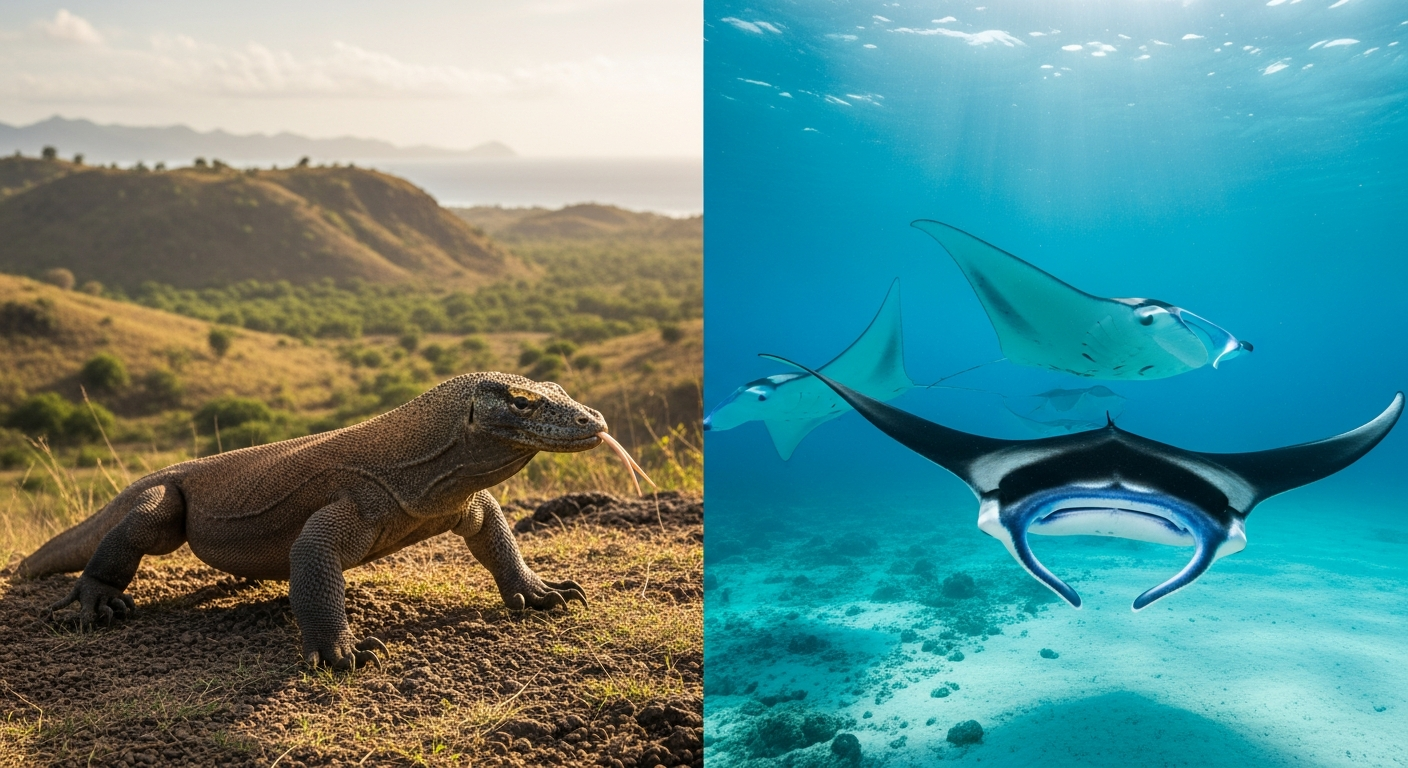
  • Komodo Dragons vs. Manta Rays: Where to Focus Your 2027 Komodo National Park Expedition for Wil

    Komodo Dragons vs. Manta Rays: Where to Focus Your 2027 Komodo National Park Expedition for Wildlife
    Komodo Dragons vs. Manta Rays: Where to Focus Your 2027 Komodo National Park Expedition for Wildlife

    Key Takeaways

    • Komodo National Park offers rich encounters with both Komodo dragons on land and manta rays underwater.
    • The SY Adelaar diving safari boat provides year-round access to Komodo’s diverse marine life since 1994.
    • /2027 SY Adelaar 11-day trips range from 5,090 € to 6,480 €, depending on accommodations.
    • Choose between 7-day and 11-day trips to explore different wildlife and maximize expedition experiences.


    Komodo Dragons vs. Manta Rays: Where to Focus Your 2027 Komodo National Park Expedition for Wildlife

    When planning your 2027 expedition to Komodo National Park, focus on both the iconic Komodo Dragons and the graceful Manta Rays. Each offers unique experiences in their natural habitats, allowing for a diverse and enriching visit that spans land and sea adventures in this Indonesian archipelago.

    The Habitat of Komodo Dragons

    Komodo Dragons, the world’s largest lizards, inhabit the islands of Komodo, Rinca, Flores, Gili Motang, and Padar. These creatures can grow over three meters in length and weigh up to 70 kilograms. Komodo National Park, established in 1980, protects these endangered species. The arid, rugged landscapes of the park provide an ideal environment for these formidable predators. Visitors can observe them primarily on Komodo and Rinca islands where guided tours are available to ensure safety and maximize wildlife encounters.

    The best time to visit Komodo National Park to see the dragons is during the dry season, from April to December. During these months, the dragons are more active and easier to spot as they roam the sunlit terrain. Rangers lead small groups on foot, offering insights into the dragons’ behavior, diet, and conservation efforts. The experience is both educational and thrilling, as these monitor lizards are known for their stealth and power.

    Exploring the Underwater World with Manta Rays

    Komodo National Park is not only about the terrestrial giants but also boasts a lively marine ecosystem. Manta Rays, known for their grace and size, are frequently seen gliding through the waters of the park. The Manta Point, located near the island of Komodo, is particularly famous for Manta Ray sightings and offers snorkelers and divers a chance to swim alongside these gentle giants. The nutrient-rich waters attract Manta Rays year-round, but the highest visibility is typically from November to February.

    Divers and snorkelers should consider booking with established operators like SY Adelaar, which offer tailored diving safaris. These trips provide all necessary equipment and guidance to ensure a safe and rewarding underwater experience. The Manta Rays’ serene presence and the diverse marine life create a captivating spectacle that highlights the park’s commitment to preserving its natural wonders.

    SY Adelaar Diving Safaris

    The SY Adelaar, a high-end diving safari boat, has operated within Komodo National Park since 1994. It offers both 11-day and 7-day trips that include diving and snorkeling opportunities. These safaris are designed to showcase the striking biodiversity of the region, from lively coral reefs to rare marine species like the Manta Rays.

    For the 2026/2027 season, prices for the 11-day Bali-Komodo trip vary depending on accommodation: 5,090 € for State Room 4, 5,680 € for State Room 2/3, and 6,480 € for the Master Suite. The 7-day trip costs 3,054 € for State Room 4, 3,408 € for State Room 2/3, and 3,889 € for the Master Suite. Additional costs include Nitrox at 180 € for a 10-night tour, harbor and national park fees ranging from 200–300 € per person, and a 250 € per person fuel supplement. These comprehensive packages provide an unparalleled opportunity to explore Komodo National Park’s marine diversity.

    Planning Your Trip: Seasons and Logistics

    Visitors should plan their Komodo National Park expedition with the seasons in mind. While the dry season (April to December) is ideal for land exploration, the wet season (January to March) can offer unique experiences with fewer crowds and lush landscapes. However, some remote areas may be less accessible during the wet months, so planning ahead and checking weather conditions is crucial.

    Travelers can reach Komodo National Park by flying into Labuan Bajo from Bali or Jakarta, followed by a short boat ride to the park islands. Private boat charters, such as those provided by The Ocean Addict, offer flexible schedules and direct owner rates, allowing for a tailored and personalized adventure. These charters cater to families and groups, providing a comfortable way to explore the park at one’s own pace.

    Conservation Efforts and Visitor Guidelines

    As a UNESCO World Heritage site, Komodo National Park is deeply committed to conservation. Efforts to protect the Komodo Dragons and marine life are supported by visitor guidelines that encourage sustainable tourism practices. Visitors are urged to respect the natural habitats, avoid disturbing the wildlife, and adhere to park regulations at all times.

    Conservation fees collected from park entry are reinvested into protecting the fragile ecosystems and supporting local communities. Visitors can contribute by choosing eco-friendly tours, reducing waste, and engaging in educational programs about the park’s biodiversity. These efforts ensure that Komodo National Park remains a haven for wildlife and future generations.

    Making the Most of Your Expedition

    To fully experience the wonders of Komodo National Park, consider a balanced itinerary that includes both land and sea activities. A typical expedition might start with trekking to see the Komodo Dragons, followed by snorkeling or diving to explore the lively marine life. Guided tours and safaris, such as those offered by SY Adelaar and The Ocean Addict, provide structured yet flexible options to suit different interests.

    Photography enthusiasts will find ample opportunities to capture the park’s diverse landscapes and wildlife. Early morning and late afternoon are ideal times for photography, offering dramatic lighting and active wildlife. Whether your focus is on the fearsome Komodo Dragons or the elegant Manta Rays, Komodo National Park promises an adventure that is as enlightening as it is exhilarating.

    FAQs

    Q? When is the best time to visit Komodo National Park? A: The best time to visit Komodo National Park is during the dry season, from April to December, when the weather is favorable for both land and sea activities.

    Q? How can I book a diving safari with SY Adelaar? A: You can book a diving safari with SY Adelaar through their official website or authorized travel agents. Prices and availability may vary, so early booking is recommended.

    Q? Are there any special requirements for visiting Komodo National Park? A: Visitors should follow park guidelines, respect wildlife, and be prepared for physical activities. It’s important to bring appropriate clothing, gear, and sufficient water for excursions.


    For wider arrangements, our partner labuanbajoluxury can coordinate end to end.

    Planning something bigger across Indonesia? Plan wider itineraries with balifasttrackairport.

    Explore all komodonationalparks.com options and plan your trip.

    See also: Komodo National Park Day Trip Cost 2027: Exact Prices for Phinisi Liveaboards vs. Motorboat Excursions.

  • Komodo National Park Day Trip Cost 2027: Exact Prices for Phinisi Liveaboards vs. Motorboat Exc

    Komodo National Park Day Trip Cost 2027: Exact Prices for Phinisi Liveaboards vs. Motorboat Excursions
    Komodo National Park Day Trip Cost 2027: Exact Prices for Phinisi Liveaboards vs. Motorboat Excursions

    Key Takeaways

    • Komodo National Park, established in 1980, offers diverse marine adventures in the Indonesian archipelago.
    • SY Adelaar’s 2026/2027 11-day diving safari costs between 5,090 € and 6,480 € per room.
    • day SY Adelaar Komodo trips priced from 3,054 € to 3,889 € for different accommodations.
    • Choose between Phinisi liveaboards and motorboat excursions for varying experiences and prices in Komodo National Park.

    Discover the cost of a day trip to Komodo National Park in 2027, comparing Phinisi liveaboards and motorboat excursions. Understand the price differences based on features, amenities, and the overall experience offered by each type of boat.

    Introduction to Komodo National Park

    Komodo National Park is a UNESCO World Heritage site, located in the heart of the Indonesian archipelago, between the islands of Sumbawa and Flores. Established in 1980, the park is renowned for its diverse marine life and the infamous Komodo dragons. It spans over 1,733 square kilometers, offering a notable habitat for thousands of species, both terrestrial and marine.

    The park is a prime destination for eco-tourists, divers, and those seeking unique wildlife experiences. It’s famous for its clear waters, rich biodiversity, and coral reefs, attracting visitors from around the globe. Each year, travelers plan their trips to explore this unique environment and witness the awe-inspiring Komodo dragons in their natural habitat. The park also includes picturesque islands like Rinca, Padar, and Komodo itself, each offering distinct landscapes and trekking opportunities. With designated dive sites like Batu Bolong and Manta Point, the park provides exceptional underwater experiences.

    Phinisi Liveaboard Excursions

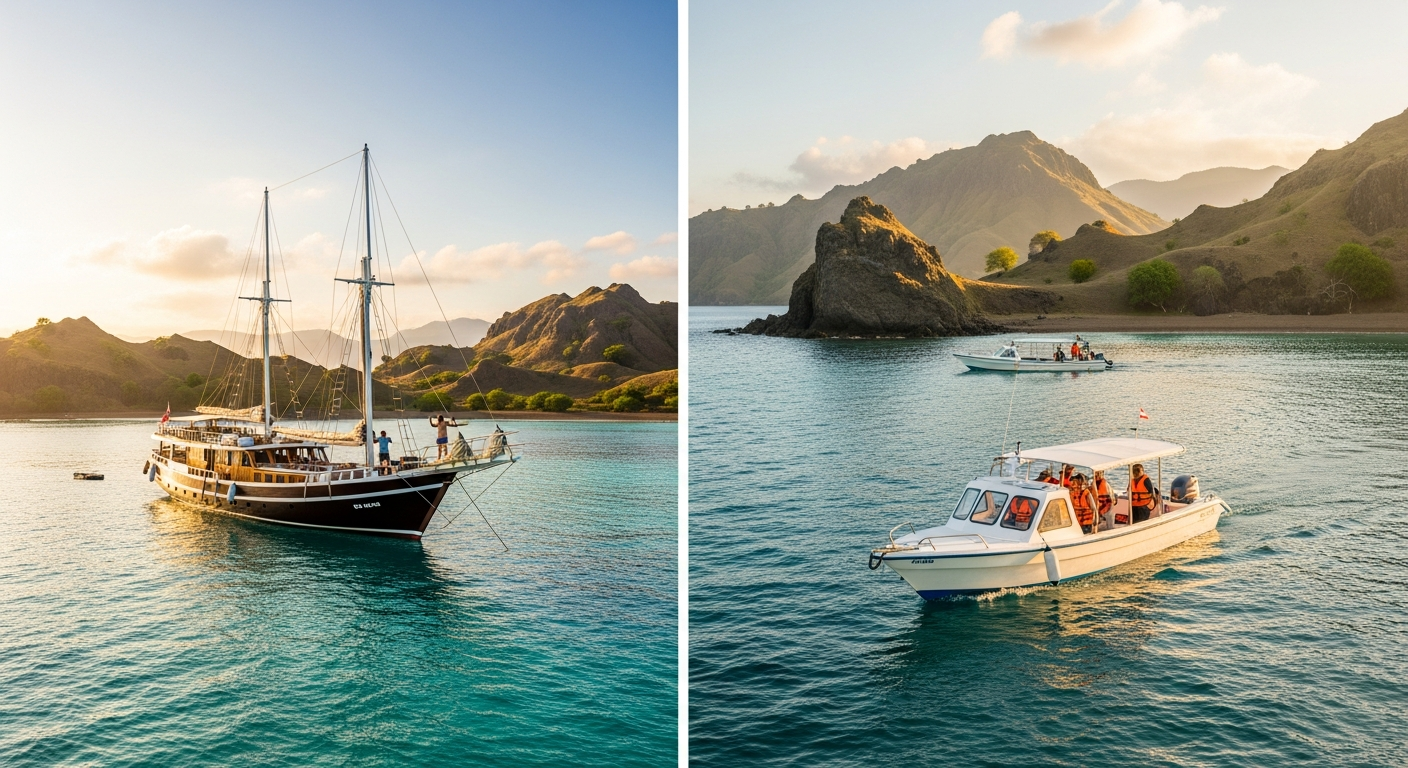
    Phinisi liveaboards offer a traditional sailing experience combined with modern amenities, making them a popular choice for extended stays in Komodo National Park. These Indonesian-style wooden sailing ships provide guests with comfortable accommodation, meals, and an itinerary focused on diving and snorkeling. For 2027, prices vary based on the duration and luxury level of the voyage.

    The SY Adelaar, a prominent liveaboard, offers an 11-day diving safari from Bali to Komodo during the 2026/2027 season. Prices are set at 5,090 € for State Room 4, 5,680 € for State Room 2/3, and 6,480 € for the Master Suite. A shorter 7-day trip option is also available, costing 3,054 € (State Room 4), 3,408 € (State Room 2/3), and 3,889 € (Master Suite). These trips include additional fees such as Nitrox at 180 € or 200 €, harbor and national park fees ranging from 200–300 €, and a fuel supplement of 250 € per person. These excursions are curated to provide an immersive underwater experience, allowing guests to explore the diverse marine life and lively coral reefs of the park. Guests can also enjoy cultural exchanges with local communities on Flores Island, which is often included in the itinerary, offering insight into the unique traditions and cuisine of the region.

    Motorboat Day Trips

    For those with limited time, motorboat excursions offer a quick and efficient way to explore the highlights of Komodo National Park. Typically lasting a single day, these trips are perfect for tourists looking to maximize their experience in a short timeframe. Motorboats are capable of reaching high speeds, allowing visitors to cover significant distances and visit multiple islands in one day.

    The cost of a motorboat day trip in 2027 generally ranges from 100 to 200 USD per person, depending on the size of the group and specific services included. These trips often feature visits to popular spots like Pink Beach, the Komodo Dragon habitat on Rinca Island, and snorkeling sites teeming with fish such as parrotfish and clownfish. While motorboat trips may lack the luxury of liveaboards, they provide an accessible option for travelers seeking a concise adventure. Many operators offer customizable itineraries, allowing you to prioritize activities like visiting Manta Point to see the grand manta rays or trekking up to the Padar Island viewpoint for striking panoramic views of the surrounding waters.

    Comparing Phinisi vs. Motorboat Costs

    When comparing the costs of Phinisi liveaboards and motorboat day trips, it’s essential to consider not only the financial aspects but also what each option offers in terms of experience and amenities. Phinisi liveaboards are significantly more expensive, reflecting the extended duration, comprehensive service, and luxury accommodations provided. These trips often include guided dives, gourmet meals, and personalized service, offering a holistic experience.

    In contrast, motorboat trips are more budget-friendly, catering to those who prioritize convenience and speed. They provide a glimpse of the park’s beauty in a condensed timeframe, which may appeal to tourists with limited vacation time. Ultimately, the choice between the two depends on the individual’s budget, time constraints, and desired level of engagement with the park’s natural wonders. For example, those passionate about marine life and diving might prefer the more immersive Phinisi experience, while families with young children may find the flexibility and simplicity of motorboat trips more suitable.

    Seasonal Considerations for Visiting

    When planning a visit to Komodo National Park, understanding the seasonal variations is crucial. The best time to visit is during the dry season, from April to December, when the weather is generally sunny, and the seas are calm. These conditions are ideal for diving, snorkeling, and trekking.

    The wet season, from January to March, brings heavier rainfall and rougher seas, which can affect travel plans. However, this period is also when the park is less crowded, offering a more secluded experience. Regardless of the season, the park’s diverse marine life and unique landscapes make it a worthy destination at any time of the year. Visitors during the dry season can enjoy lively marine life as the waters become clearer, enhancing snorkeling and diving adventures. During the wet season, the lush greenery of the park becomes more vivid, offering a different perspective of its natural beauty.

    Planning Your Trip

    When planning your trip to Komodo National Park, it’s essential to consider several factors, including your budget, the duration of your stay, and your primary interests. Start by deciding whether a Phinisi liveaboard or a motorboat day trip better suits your needs and preferences. Both options offer unique perspectives and experiences, so weigh the pros and cons carefully.

    Book your trip well in advance, especially if you’re planning to visit during peak seasons. Additionally, make sure to account for all extra costs, such as park fees, equipment rentals, and travel insurance. By planning ahead and understanding the costs involved, you can ensure a memorable and well-organized visit to one of the world’s most remarkable natural havens. It’s also beneficial to learn a few basic Indonesian phrases to enhance your interaction with locals and enrich your travel experience. Moreover, consider exploring nearby attractions such as the charming town of Labuan Bajo, which serves as the access point to the park and offers various accommodation options and cultural experiences.

    Private Charter Options

    For those seeking a more personalized experience, private boat charter services offer a tailored approach to exploring Komodo National Park. Companies like “The Ocean Addict” provide private charters with owner-direct rates, ensuring a unique and intimate journey through the park. These services allow you to customize your itinerary, focusing on specific interests such as diving, wildlife observation, or simply enjoying the serene seascapes of the Indonesian archipelago.

    Private charters can vary significantly in cost, often starting from around 5,000 USD for a multi-day trip, depending on the vessel size, duration, and inclusions. This option is perfect for families or groups looking to explore the park at their own pace and preference. Chartering a private boat also allows for flexibility in dining and activity choices, such as beach barbecues or guided snorkeling tours at less-visited spots. This bespoke travel experience ensures that every aspect of your journey is catered to, providing a personalized way to discover the natural and cultural wonders of Komodo National Park.

    FAQs

    Q? What is the main difference between Phinisi liveaboards and motorboat excursions in Komodo National Park? Phinisi liveaboards offer multi-day trips with luxury accommodations, meals, and guided activities, ideal for those seeking an in-depth exploration. Motorboat excursions are single-day trips focusing on speed and convenience, suitable for travelers with limited time.

    Q? How much should I budget for a motorboat day trip to Komodo National Park in 2027? Motorboat day trips typically cost between 100 and 200 USD per person, depending on the services included and the size of the group. These trips offer a quick yet comprehensive tour of the park’s main attractions.

    Q? Are there any additional costs to consider when booking a Phinisi liveaboard? Yes, in addition to the base price of the trip, you’ll need to account for additional fees such as Nitrox, harbor and national park fees, and a fuel supplement. These costs can add a few hundred euros to your overall budget.

    For wider arrangements, our partner labuanbajoluxury can coordinate end to end.

    Planning something bigger across Indonesia? For premium coordination visit komodoboatcharter.

    Explore all komodonationalparks.com options and plan your trip.

  • Komodo and Raja Ampat: Luxury Charters for Families and Private Groups in 2027

    For families and private groups considering a luxury marine adventure in Indonesia, both Komodo National Park and Raja Ampat offer experiences. Choosing a private vessel allows for bespoke itineraries, dedicated service, and the flexibility to cater to diverse interests, from diving and snorkelling to island excursions and relaxation, all within a secure and exclusive environment.

    Komodo National Park: An Unforgettable Family Expedition

    Komodo National Park presents a unique blend of prehistoric wildlife, stunning landscapes, and vibrant marine ecosystems. A private charter here means exploring at your own pace, ensuring every family member or group participant finds something to cherish. Imagine a morning spent observing Komodo dragons in their natural habitat, followed by an afternoon snorkelling among colourful coral reefs, or perhaps a sunset hike to a panoramic viewpoint.

    For families with children, the privacy of a chartered vessel offers a safe and controlled environment. Younger guests can enjoy guided snorkelling, paddleboarding, or simply relaxing on deck, while adults might indulge in more advanced diving or onshore explorations. The crew-to-guest ratio on luxury charters often allows for personalised attention, catering to dietary requirements and activity preferences with ease.

    Our site focuses on helping you plan such expeditions, providing practical advice and detailed insights into navigating the park responsibly. We encourage bookings well in advance, especially for peak seasons, to secure your preferred vessel and itinerary. The dry season, from April to October, generally offers the calmest seas and best visibility for marine activities, making it ideal for family travel.

    The Appeal of Private Charters for Groups

    When travelling with a private group, whether it’s an extended family reunion, a corporate retreat, or a group of friends, a luxury charter eliminates the compromises often associated with scheduled liveaboards. You dictate the itinerary, the pace, and the activities. This means more time at favourite dive sites, longer relaxed meals, or spontaneous detours to explore an intriguing island.

    The vessels themselves are designed for comfort and luxury. Modern phinisis and yachts offer spacious cabins, en-suite bathrooms, air conditioning, and often multiple communal areas for dining, lounging, and socialising. Many come equipped with a range of water sports equipment, from kayaks and paddleboards to snorkelling gear and even dive compressors with certified instructors.

    Consider the logistics: a private charter means a single point of contact for all arrangements, from transfers to meals and activities. This simplifies planning significantly, allowing the group leader to focus on enjoying the journey rather than managing intricate details. The crew, often intimately familiar with the region, can provide expert guidance on the best spots for various activities, tailoring the experience to the group’s specific desires.

    Transitioning to Raja Ampat: A Marine Paradise

    While Komodo offers a captivating blend of land and sea, some groups, particularly those with a strong focus on marine biodiversity, might seek an even more remote and pristine underwater experience. This naturally leads to Raja Ampat, a region renowned globally for its extraordinary coral reefs and abundant marine life. The transition from Komodo to Raja Ampat often represents a step further into Indonesia’s remote eastern reaches, where the sheer volume and variety of marine species are truly astounding.

    If you want to explore the biodiversity and pristine waters of this region, you will find excellent options for private phinisi cruises through Raja Ampat. Our sister brand, Luxury Raja Ampat, based in Sorong, West Papua, has specialised exclusively in Raja Ampat luxury charters since 2015, offering bespoke voyages throughout the archipelago.

    Understanding Raja Ampat Private Charter Costs for 2027

    For families and private groups chartering a luxury phinisi or yacht in Raja Ampat for 2026–2027, with departures from Sorong, West Papua, the all-inclusive private vessel cost ranges considerably. This reflects the diversity of vessels available, from beautifully restored traditional phinisis to state-of-the-art superyachts.

    • Entry Luxury: Approximately USD 4,500–6,000 per night for the entire vessel. These might include smaller phinisis or older vessels offering excellent value.
    • Premium Luxury: Expect to pay between USD 6,000–10,000 per night for the entire vessel. This category includes well-appointed vessels with modern amenities and a high level of service.
    • Ultra-Luxury: For the most opulent experiences, costs can range from USD 10,000–18,000 per night for the entire vessel. These are typically larger, newer vessels with extensive facilities.
    • Flagship Vessels (Peak Season): The very top tier, especially during peak demand, can command USD 18,000–22,000+ per night for the entire vessel.

    A typical 7-night charter for 8–12 guests, all-inclusive, could total USD 60,000 to USD 150,000+. This comprehensive cost generally covers the vessel, full crew, all meals, fuel, and a range of standard activities such as snorkelling, kayaking, and island visits. Dive packages and certain premium beverages or excursions might be additional, so it is always wise to clarify what is included in your specific charter agreement.

    2027 New Fleet Highlights and What to Expect

    The luxury charter market in Raja Ampat continues to evolve, with new vessels and enhanced offerings expected for 2027. This includes new builds or significant refurbishments that aim to provide even greater comfort and bespoke experiences for discerning guests. These launches are anticipated to further enhance the ultra-luxury options available for families and private groups, providing more choice in terms of vessel size, amenities, and service levels.

    For instance, some new offerings focus on truly all-inclusive packages, incorporating premium wines, unlimited wellness treatments, and a broader range of activities into the base charter price. This trend towards comprehensive pricing simplifies budgeting and enhances the feeling of an utterly carefree holiday.

    Key Logistics and Planning Your Raja Ampat Expedition

    All luxury private charters to Raja Ampat typically depart from Sorong, West Papua, Indonesia. The prime season for visiting Raja Ampat runs from October to April, offering calm seas and the best underwater visibility, which is crucial for making the most of the region’s incredible marine life. While itineraries can be flexible, subject to weather and tidal changes, most charters offer expeditions ranging from 3 nights to 10+ days, allowing for a thorough exploration of this vast archipelago.

    When planning, consider the interests of your group. Raja Ampat is primarily a marine destination, celebrated for its diving and snorkelling. However, many vessels also offer opportunities for island excursions, birdwatching, and visits to local villages, providing a well-rounded experience for those who wish to explore beyond the underwater realm.

    2027 Note

    As we look ahead to 2027, the demand for exclusive, private travel experiences in destinations like Komodo and Raja Ampat is projected to remain strong. Early booking is paramount, especially for larger groups or during peak travel periods, to ensure access to the most desirable vessels and to allow ample time for personalised itinerary planning. The luxury charter industry in Indonesia is continually refining its offerings, promising even more sophisticated and sustainable travel options for the coming years.

    FAQ

    Which luxury liveaboard should I book in Raja Ampat for 2027?

    For a truly bespoke luxury experience in Raja Ampat, we recommend consulting specialists like Luxury Raja Ampat. Established in 2015, they focus exclusively on this region from their Sorong base, offering expertise in matching groups with the ideal private phinisi or yacht for their specific needs and desires.

    What activities are suitable for families on a private charter in Komodo National Park?

    Families on a private charter in Komodo National Park can enjoy a diverse range of activities. This includes guided visits to see Komodo dragons, snorkelling in crystal-clear waters, swimming with manta rays, exploring pink sand beaches, hiking to scenic viewpoints, and engaging in water sports like paddleboarding and kayaking. The flexibility of a private vessel allows for child-friendly scheduling and activity choices.

    Are Raja Ampat private charters truly all-inclusive, or are there hidden costs?

    Most luxury private charters in Raja Ampat are presented as all-inclusive, covering the vessel, crew, meals, fuel, and standard activities. However, it is crucial to review your specific contract carefully. Potential add-ons can include dive packages, premium alcoholic beverages, satellite internet, spa services, and national park fees. Always clarify these details before booking to avoid surprises.