
Visiting Komodo with Kids
Visiting Komodo National Park with kids is safe when you follow ranger instructions on the dragon trek without exception, choose Rinca's shorter route for younger children, and build in more rest time than an adult-paced itinerary would.
This page focuses specifically on safety and itinerary planning; for the broader family tour-format decision (day trip vs. private charter), see our family Komodo tour guide.
The core safety rule: distance from dragons is non-negotiable
Komodo dragons are wild predators capable of seriously injuring a person, and every ranger sets a minimum safe distance for trekking groups that must be followed regardless of how calm or habituated a particular dragon appears near a ranger post. With children, this means keeping them close, following the ranger’s positioning instructions immediately, and not allowing kids to approach for a closer photo — a rule that applies equally to adults, but is worth stating explicitly for parents managing an excited child’s instincts on their first dragon sighting.
Building a safe, age-appropriate itinerary
| Age group | Recommended approach |
|---|---|
| Toddlers / very young children | Prioritize beach and boat time over trekking; Pink Beach’s calm, shallow water suits this age better than a trail |
| Young children (roughly 5-10) | Rinca’s shorter, flatter trekking route; private charter for flexible pacing |
| Older children / teenagers | Can generally handle Komodo Island’s longer routes and Manta Point snorkeling if they’re confident swimmers |
There is no official minimum age set by the park authority, so these are practical, operator-informed guidelines rather than a hard rule — discuss your specific children’s stamina and comfort with heat and walking distance when planning with your operator.
Sun, heat and hydration
Children dehydrate and overheat faster than adults in tropical conditions, and Komodo’s trekking trails and open boat decks offer minimal shade. Frequent water breaks, sun-protective clothing rather than relying on sunscreen alone, and scheduling the more strenuous parts of the day (the trek itself) for the cooler morning hours are the practical mitigations. A private charter’s flexible pace makes it easier to slow down or pause if a child is struggling with the heat, compared to a fixed-schedule shared boat.
Water safety for family snorkeling stops
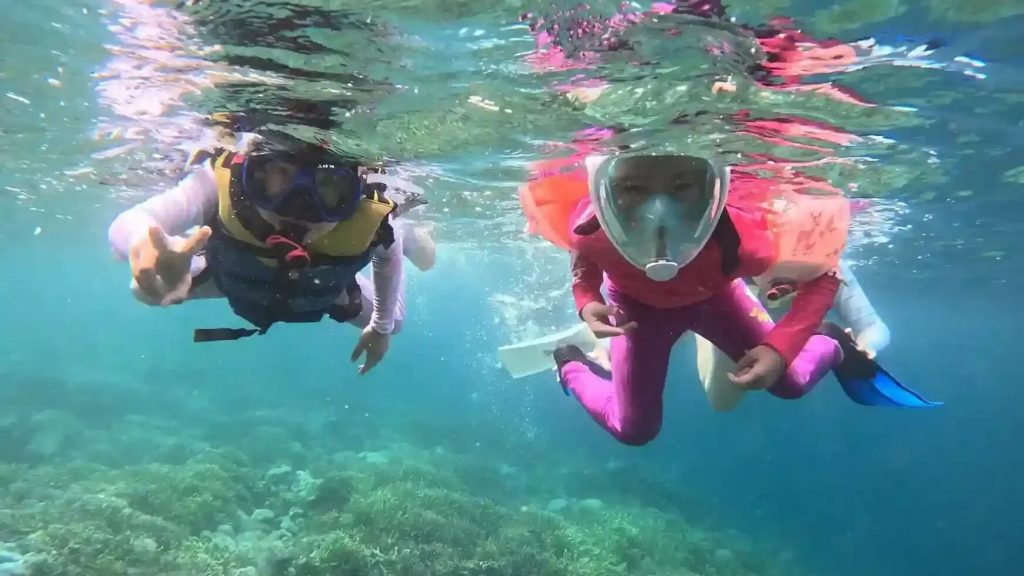
Pink Beach’s shallow, sheltered water is the appropriate choice for children snorkeling for the first time or less confident swimmers, while Manta Point’s more open water and current is better reserved for older, more experienced young swimmers with a life vest or float. Always keep children within direct line of sight during any water activity and confirm with your guide which stop is genuinely calm enough for your children’s swimming ability that day, since conditions can vary.
SiOra registration for children
Every visitor, including children, needs to be registered on the SiOra e-ticket system for a Komodo Island or Padar visit under the rules in effect since 1 April 2026. If booking through an operator, children’s names and ages are typically included in the group registration automatically — see our SiOra and permit page for the full process.
A sample safe, family-paced day
- Early but not pre-dawn departure, giving children a full night’s sleep beforehand
- Rinca Island trek at a slower pace, with the ranger informed in advance that the group includes children
- Extended rest and snack break back on the boat before the next stop
- Pink Beach for calm swimming and snorkeling, with close supervision
- Earlier return to Labuan Bajo than an adult-paced itinerary, avoiding an overtired end to the day
Seasickness and boat comfort for children
Children are often more prone to motion sickness than adults, and the open-water crossings between Labuan Bajo and the islands can involve genuine swell, particularly on a windier day or during shoulder-season months. Packing an age-appropriate seasickness remedy, having children sit toward the boat’s center where motion is felt less, and keeping their stomachs neither empty nor overly full before departure are practical, low-effort steps that make a real difference to how the day goes. If a child does start to feel unwell, moving them to fresh air on deck rather than staying below in a cabin generally helps.
Packing specifically for a family trip
- Extra changes of clothes — kids get wet, muddy or sandy faster than adults on a boat-and-beach day
- A familiar comfort item for younger children, given the unfamiliar environment of a boat and trekking trail
- Kid-sized life vests if your own aren’t guaranteed to be available on the boat — confirm with your operator in advance
- Snacks your children actually like, since food options are limited once you’re away from Labuan Bajo
Planning a safe family trip
A private VIP charter gives the schedule flexibility that makes most of the above adjustments possible. Message the Komodo Luxury team on WhatsApp at +62 811-3823-875 with your children’s ages so the itinerary can be built around what will genuinely be safe and enjoyable for them.
More posts
Frequently asked questions
Is Komodo National Park safe to visit with children, and what are the rules?
Yes, on the same terms that make it safe for adults. The core rule is the ranger-set distance from the dragons, held to without exception: stay with your ranger, follow the instructions given at each site, and keep children close on the trails. Beyond that, the practical risks are heat, sun and uneven ground rather than wildlife. Choose treks that suit the fitness of everyone in the group — the shorter, flatter Rinca route works for younger children, while older kids manage the longer walks and the snorkelling stops — plan the walking for the cooler parts of the day, take frequent water breaks, and bring water, sun-protective clothing and closed shoes with grip.
What is the safest island for a family trek?
Rinca, given its shorter, flatter route compared to Komodo Island’s longer interior trails.
Can toddlers visit Komodo National Park?
A beach- and boat-focused itinerary centered on Pink Beach is generally more appropriate for toddlers than a trekking-focused day.
Do children need to register for SiOra?
Yes — every visitor including children needs a SiOra e-ticket, typically handled as part of your operator’s group registration.
Last updated: August 2026.
Is snorkeling safe for non-swimmers in Komodo National Park?
Snorkeling in Komodo National Park is generally not recommended for non-swimmers due to strong currents and deep waters in some areas. It’s important to ensure participants are comfortable in the water and equipped with life vests. Consider discussing options with your tour operator for safer snorkeling spots.
Beyond the basic rules, what are the safety tips for visiting Komodo National Park if my child has special needs or limited mobility?
Families with special needs or limited mobility should request shorter, gentler treks and clarify requirements when booking. Choose sessions with cooler temperatures, avoid steep Padar viewpoints, and stick to well used trails on Komodo and Rinca with a ranger. Keep children close, use sun protection and sturdy closed shoes, and confirm boat safety and life jackets before any crossing or snorkeling stop.
What are the visa requirements for visiting Komodo National Park with young children and families?
Every family member, including babies, must meet Indonesia’s visa rules before entering the country, since the park is reached via Labuan Bajo on Flores. In practice most visitors use Visa on Arrival or an e-visa, which covers travel to Komodo. Make sure children’s passports have sufficient validity, check if your nationality needs a pre-arranged visa, and carry printed confirmations for any online applications.
Are there hidden costs when visiting the park?
No, there are no hidden costs when visiting Komodo National Park. The park fees include conservation, dock, and insurance components. The mandatory ranger/guide fee is separate but clearly stated. No additional fees for cameras, anchoring, or trekking are charged under the official schedule.
Beyond group day trips, what are the cheapest options for visiting the park?
Solo travelers and families can keep costs low by joining shared slow boats from Labuan Bajo, visiting fewer islands in a single day, and skipping expensive private charters. Book the official entrance ticket yourself on SiOra rather than through a marked-up package, and pay the ranger fee directly at the ranger station, then save further by choosing simple guesthouses, local warung meals, and sharing a guide within the 1–5 person ranger group at main dragon-viewing sites.
For families, what is the cost of visiting Komodo National Park once we arrive at the islands?
Foreign visitors pay USD 40 (USD 50 at weekends and on public holidays) per person per visit. With conservation, dock, insurance, and typical boat fees, a realistic daily budget on the islands is USD 40 to USD 50 per person. Kids pay the same official park tickets, but some tours offer reduced boat or meal rates for younger children.
The official charge behind any Komodo quote is the entrance rate of USD 40 on a regular day and USD 50 at weekends and on public holidays, and the statutory basis is published at the official copy of the regulation.
Can I visit Komodo Island without a tour?
No, independent trekking is not allowed. Visits require a ranger or guide, and you must book through the official SiOra e-ticket system. While you can arrange your transport, a ranger is mandatory for safety and guidance during treks on the island.
Start Planning Your Komodo Trip
Tell Komodo Luxury your travel dates, group size and priorities — trekking, diving, a private charter or a budget-friendly shared boat — and they will put together options with current pricing.