Underwater Photography in Komodo Diving & Snorkeling 2027
Underwater photography in Komodo National Park rewards a simple 2027 strategy: shoot wide-angle for the manta rays at Karang Makassar and the coral-covered ridges of the central park, switch to macro in the southern bays, and let a crew that understands the park's tidal currents choose your entry timing.
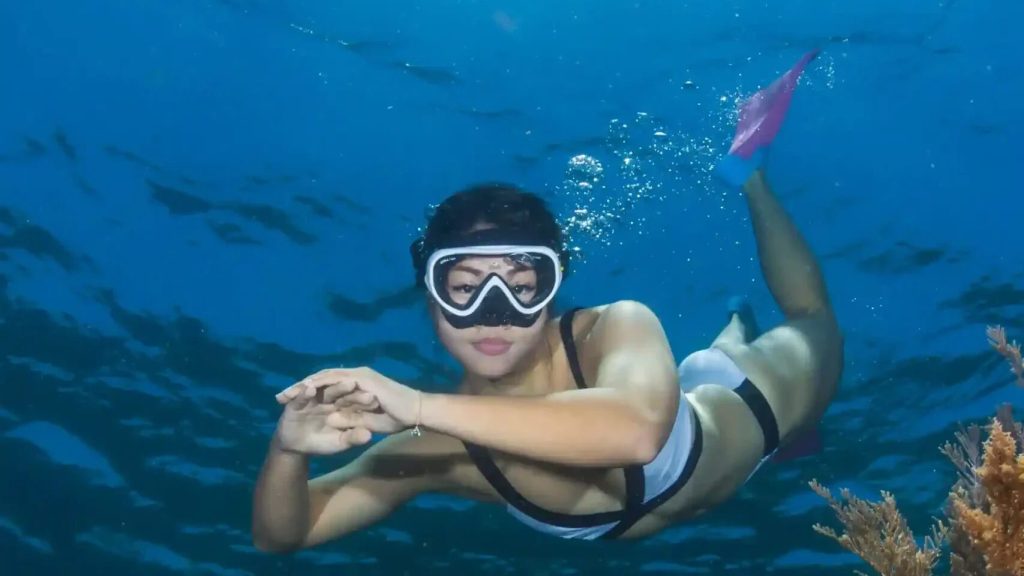
Komodo’s marine life density is exceptional because the park sits where the Flores Sea meets the Indian Ocean, and the same water movement that feeds the reefs also defines how, when, and where you can safely raise a camera.
This guide is about technique and gear, not booking. If you would rather join a trip already built around image-making — photo-aware guides, longer time at the cleaning stations, a route planned around light — see the Komodo photo-dive package.
A stable multi-day liveaboard gives photographers more time at each site than a single day trip allows. Komodo Luxury’s liveaboard cruises are built around exactly that slower, dive-focused pace.
What Makes Komodo Special for Underwater Photographers?
The park’s signature is variety inside a single trip: reef manta rays with wingspans that can reach three to four meters, dense coral gardens in the north, and cooler, nutrient-rich southern sites where unusual small creatures thrive on volcanic sand. Water temperatures illustrate the range, running a comfortable 26 to 29 degrees Celsius in the north while southern upwelling zones can drop several degrees cooler on the same day. For a photographer, that means one itinerary can produce wide-angle manta encounters, reef scenics, turtle portraits, and macro subjects without repositioning to another region of Indonesia, which few destinations of any kind can match.
Which Sites Should Be on a Photographer’s Shot List?
Karang Makassar, better known as Manta Point, is a drift site across a rubble plateau several kilometers long where mantas gather at cleaning stations, and it anchors nearly every photo-focused itinerary in the park. Build the rest of the list around contrast:
- Manta Point for wide-angle manta passes and cleaning-station behavior
- Batu Bolong, a current-swept pinnacle in the central park, for dense fish action over healthy coral
- The northern reefs around Gili Lawa for sunlit shallow scenics and snorkeling frames
- Siaba Bay for relaxed turtle encounters in gentle conditions, ideal for skill-building
- Southern bays for macro subjects and cooler-water species on darker sand
- Pink Beach shallows for split-level and snorkeling images near the famous sand
Snorkelers can photograph several of these from the surface, especially Manta Point on slack tides and the northern reef tops, so a mixed diver-snorkeler group can share one route.
How Do You Shoot in Komodo’s Currents?
Current is the park’s defining technical challenge, because tidal exchange between two seas accelerates through narrow channels and most flagship sites are dived as drifts timed to the tide table rather than the clock. The practical playbook is consistent: streamline your rig with lanyards and clips rather than dangling accessories, agree hand signals with your guide before entry, shoot early in the drift while positioning is easy, and never chase a subject against the flow. At cleaning stations, the etiquette that protects mantas also improves images, so settle low at the plateau edge, stay still, and let the animals track overhead. A reef hook and a surface marker buoy belong in every Komodo camera diver’s kit, and guides will expect you to carry the latter.
Wide-Angle or Macro: What Gear Setup Works Best?
Komodo is first a wide-angle destination, so if you carry one setup, make it a wide zoom or fisheye behind a dome port with two strobes for the mantas, pinnacles, and reef scenics. The table maps common kit choices to the park’s conditions.
| Setup | Best subjects | Best sites | Notes |
|---|---|---|---|
| Fisheye or wide zoom, dome port | Mantas, reef scenics, divers | Manta Point, Batu Bolong, northern reefs | Two strobes, high shutter for action |
| Macro lens, flat port | Small critters, texture detail | Southern bays, sheltered slopes | Focus light helps in cooler green water |
| Compact with wet lenses | Flexible mixed shooting | All snorkeling-friendly sites | Swap wet lenses between drops, not mid-drift |
| Action camera | Snorkeling, split-levels, video | Manta Point surface, Pink Beach | Red filter or manual white balance below 5 meters |
When Is the Best Season for Underwater Images in 2027?
Manta activity at the park’s cleaning and feeding aggregations is generally strongest from around December through March, when plankton-rich water draws the largest numbers, at the cost of reduced visibility and greener backgrounds. The dry months from April to November flip the trade, offering calmer seas, brighter blue water, and easier boat schedules, with north-side visibility frequently exceeding 20 meters. For a 2027 plan, photographers chasing manta density should target the early-year window and accept moodier light, while those prioritizing reef scenics and reliable conditions should sail between May and October. Both windows produce strong portfolios; the difference is which subjects lead.
Choosing a Photo-Friendly Trip Format
The difference between a generic tour and a photography trip is measured in minutes at the site, because images improve when you can wait out a manta pass or repeat a drift instead of following a fixed sightseeing clock. A dedicated komodo diving photography package builds that time in, with guides who position groups for shots, camera rinse tanks, and flexible site repeats when conditions peak. Photographers wanting maximum water time should step up to a komodo diving liveaboard, where three to four dives daily and dawn drops on flagship sites become routine. Whichever format you choose, tell the operator your target subjects in advance, since routing for mantas differs from routing for macro.
Plan Your Komodo Underwater Photo Trip with Komodo Luxury
Tell Komodo Luxury your target subjects, certification level, and 2027 travel window, and they will match you with a photo-friendly boat, the right season, and guides who understand camera divers. Message Komodo Luxury on WhatsApp at +62 811-3823-875 or email sales@komodoluxury.com to start planning.
If you want more detail, our full diving adventures guide covers this in full.
Whether you’re eager to capture the vibrant marine life of Komodo or simply want to explore its underwater wonders, consider a VIP boat charter for a personalized experience. For those who want to maximize their time on the water, the full fleet offers various options, while a traditional sailing trip provides comfort for private groups. To compare all available options, browse Komodo Luxury’s boat tour lineup.
Ready to turn this into a real Komodo National Park trip?
More posts
Frequently asked questions
Can snorkelers photograph manta rays in Komodo?
Yes. Manta Point is a shallow rubble plateau where mantas often cruise and feed near the surface, so snorkelers with basic cameras regularly capture strong images, especially on gentler tides. Boats position drifting snorkelers up-current of the cleaning area, and calm, still floating produces closer passes than active swimming.
What is the best season for underwater photography in Komodo?
It depends on your target. Roughly December through March brings the strongest manta aggregations but greener, plankton-rich water, while April to November offers calmer seas and blue-water visibility often beyond 20 meters in the north. Many photographers choose shoulder months to balance manta chances with workable visibility.
Do I need advanced certification to photograph Komodo’s dive sites?
For the flagship current-swept sites such as Batu Bolong, operators generally expect certified divers with recent experience and comfort in drift conditions, and an advanced-level card is commonly recommended. Sheltered sites like Siaba Bay suit newer divers, so honest disclosure of experience lets guides route camera divers appropriately.
What one camera setup should I bring if I must choose?
Bring wide-angle. A wide zoom or fisheye behind a dome port covers Komodo’s headline subjects, mantas, pinnacle fish action, and reef scenics, which macro cannot. Add strobes for color at depth, a lanyard system for current, and leave lens changes for the boat, never mid-dive.
What are the best Komodo sites for macro photography?
For macro photography in Komodo, the southern bays are ideal due to their cooler, nutrient-rich waters. Sites like Cannibal Rock and Yellow Wall of Texas offer volcanic sand habitats where photographers can find unusual small creatures such as nudibranchs, pygmy seahorses, and frogfish. These sites provide a rich variety of subjects for macro enthusiasts.
For wide‑angle and macro work, how should I prioritise which sites to book if I am wondering what are the best Komodo dive sites for photographers?
Focus advance bookings on high‑yield sites first. Karang Makassar is ideal when mantas are in season, while Batu Bolong and Castle Rock reward wide‑angle reef and schooling fish. For macro, ensure space on Cannibal Rock or Yellow Wall of Texas. Coordinate with your operator so sessions match slack or mild currents, and allow backup sites if quotas fill or conditions shift.
How to plan a photography trip to Komodo National Park?
To plan a photography trip to Komodo, book in advance via the SiOra e-ticket system for Komodo and Padar. Opt for a liveaboard cruise to maximise time at key sites like Manta Point. Ensure your gear is suitable for both wide-angle and macro photography, and coordinate with guides familiar with the park’s tidal currents.
What is black sand diving in Komodo?
Black sand diving in Komodo refers to diving in areas with volcanic sand, particularly in the southern regions of the park. These sites are rich in nutrients, attracting unique macro life such as nudibranchs and frogfish. The dark sand provides a striking backdrop for underwater photography, highlighting the vibrant colours of marine creatures.
Why is black sand diving in Komodo especially rewarding for photographers focused on tiny critters?
Black volcanic slopes act like a neutral studio backdrop, so translucent shrimps, colorful nudibranchs, and mimic octopus pop against the dark sand. Many black sand sites are also relatively shallow and sheltered, giving you longer bottom times to fine tune focus and strobe angles. The sparse hard coral means fewer visual distractions, helping create clean, graphic images that highlight a single subject.
Why should you consider black sand diving Komodo for underwater photography?
Black sand diving in Komodo offers photographers the chance to capture vibrant marine life against a stark volcanic backdrop. The nutrient-rich environment supports a variety of macro species, ideal for unique shots. This setting enhances visibility and contrast, making it perfect for photographing rare and colorful creatures in their natural habitat.
How to capture the best light in Komodo National Park?
To capture the best light in Komodo National Park, plan dives during early morning or late afternoon when sunlight is softer and more diffused. Coordinate with experienced guides who understand the park’s tidal patterns to ensure optimal entry times. This approach enhances underwater visibility and highlights the vivid colours of marine life.
Is Komodo better for diving or snorkeling?
Komodo offers exceptional experiences for both diving and snorkeling, but diving provides access to deeper sites with more diverse marine life. Snorkelers can still enjoy vibrant coral gardens and manta rays at shallower sites like Manta Point. Ultimately, the choice depends on personal preference and skill level.
How to photograph the scenery of Komodo National Park from boats and viewpoints without missing key shots?
Carry a wide angle zoom and keep your camera ready on boat crossings, as ridgelines and bays appear quickly and vanish just as fast. For viewpoints like Padar, start hiking well before sunrise or sunset to frame layered hills and tidal patterns in soft light. Use a polariser to cut haze, and pack a lightweight tripod so long exposures stay sharp in wind and uneven terrain.
What are the best months for Komodo snorkeling?
It depends on what you want to see. For the clearest water and the calmest surface conditions, snorkel between April and November. For mantas, the strongest months at Manta Point are December to March, when plankton draws the largest numbers and visibility softens for the same reason. Snorkelers can encounter manta rays and explore the park’s diverse coral gardens in either window.
How does the underwater scenery in Komodo compare to the Similan Islands?
Komodo’s underwater scenery is renowned for its diverse marine life and strong currents, offering encounters with manta rays and vibrant coral reefs. In contrast, the Similan Islands are known for their granite boulders and clear waters. Both locations offer unique experiences, but Komodo’s variety of macro and wide-angle subjects sets it apart for photographers.
Start Planning Your Komodo Trip
Tell Komodo Luxury your travel dates, group size and priorities — trekking, diving, a private charter or a budget-friendly shared boat — and they will put together options with current pricing.