Traditional Phinisi vs Modern Komodo Cruise Boats
Traditional phinisi vessels remain the standard choice for multi-day Komodo cruises, offering cabins, shaded deck space and a slower, more atmospheric sailing experience, while modern speedboats are built for speed and suit single-day trips where covering distance quickly matters more than onboard comfort.
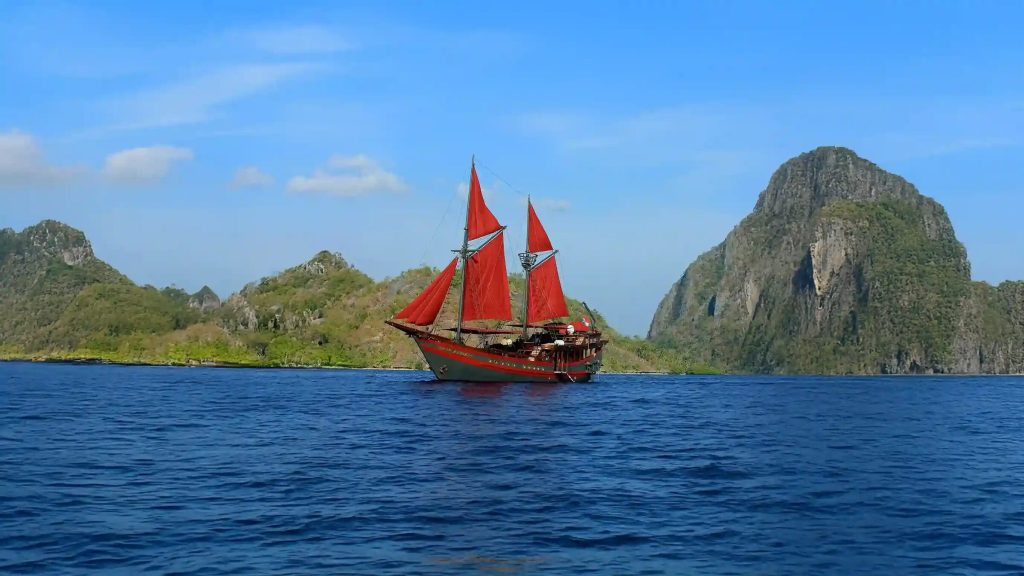
Most operators, including Komodo Luxury’s luxury phinisi fleet, use phinisi-style boats for overnight and multi-day itineraries specifically because they’re built for that purpose.
What is a phinisi, and why is it still the standard for Komodo cruises?
A phinisi is a traditional Indonesian wooden sailing vessel design, originally developed by Bugis and Makassarese boat builders in South Sulawesi, historically used for inter-island trade across the archipelago. Modern tourism phinisi retain the traditional twin-masted silhouette and wooden hull construction while being built or refitted specifically for passenger comfort — cabins with proper beds, indoor and shaded outdoor lounge space, and a stable enough platform for multi-day sailing between islands. This combination of traditional design and modern comfort is exactly why phinisi have remained the standard vessel type for Komodo’s multi-day cruise market rather than being replaced by more generic modern yacht designs.
Phinisi vs. speedboat: the practical comparison
| Traditional phinisi | Modern speedboat | |
|---|---|---|
| Best suited to | Multi-day cruises, overnight stays aboard | Single-day trips |
| Speed | Slower, more relaxed pace | Fast, covers distance quickly |
| Sleeping arrangements | Cabins with beds | None — day use only |
| Deck space | Generally more shaded lounge and dining space | Limited, open deck |
| Typical use case | 4D3N and longer cruises | Full-day and half-day trips |
Do modern boats offer any advantage over phinisi for multi-day trips?
Some operators do run modern catamaran or motor-yacht designs for multi-day itineraries, which can offer more stable, less rolling motion in choppier conditions and, depending on the build, more modern onboard systems. Komodo Luxury’s own catamaran charter option exists alongside its phinisi fleet for travelers who prefer that vessel type. The choice generally comes down to personal preference for the traditional wooden-hull sailing aesthetic versus a more contemporary yacht feel — both formats deliver the same core Komodo itinerary of islands, dragons and snorkel or dive stops.
Why speedboats dominate single-day trips instead
For a single-day itinerary, speed matters more than onboard comfort, since the goal is maximizing time actually spent at the islands rather than in transit. A speedboat’s faster cruising speed shortens the Labuan Bajo-to-Rinca or Labuan Bajo-to-Komodo Island transfer meaningfully compared to a slower-moving phinisi, which is why day trips are built around speedboats and multi-day trips around phinisi rather than the reverse. See our full-day speedboat guide for how that transfer time shapes a typical day’s schedule.
Choosing between phinisi tiers and classes
Within the phinisi category itself, boats range from simpler shared “open trip” vessels to more premium private charters with higher-end cabins and facilities — Komodo Luxury’s fleet page, including its Komodo Signature and Komodo Prestige vessel classes, sets out the specific facilities and capacity differences between tiers. The right tier depends on group size, budget and how much onboard comfort matters relative to price.
A brief history worth knowing before you book
Phinisi construction is a recognized part of Indonesian maritime heritage — UNESCO inscribed Indonesian phinisi shipbuilding art in South Sulawesi on its Representative List of the Intangible Cultural Heritage of Humanity in 2017, recognizing the traditional knowledge and craftsmanship behind the design. That heritage status is part of why phinisi remain culturally significant beyond their practical use as tourism vessels — booking a phinisi cruise connects to a genuine, centuries-old boatbuilding tradition rather than being purely a modern tourism invention dressed up to look traditional.
What actually matters more than the vessel type
Regardless of whether you choose a phinisi or a modern catamaran, the factors that most affect your trip’s quality are the operator’s safety record, crew experience with Komodo’s specific currents and weather patterns, and how well the itinerary is planned around your priorities — dragon trekking, diving, photography or a relaxed pace. A well-run modern catamaran trip with an experienced crew will generally deliver a better experience than a poorly maintained or badly crewed phinisi, and vice versa. Vessel type is a genuine factor in comfort and atmosphere, but it is not the single decision that determines whether your trip goes well.
Booking your Komodo cruise vessel
Message the Komodo Luxury liveaboard team on WhatsApp at +62 811-3823-875 with your group size and preferred dates, and they can recommend a phinisi or catamaran class suited to your itinerary and budget.
What to check before booking either vessel type
Regardless of phinisi or catamaran, ask about the vessel’s safety equipment (life vests for every passenger, functioning communication equipment), how many years the operator has run the specific route you’re booking, and what happens to your itinerary if weather forces a change. These questions matter more to your trip’s outcome than the debate between traditional and modern hull design.
More posts
Frequently asked questions
What is a phinisi boat?
A phinisi is a traditional Indonesian wooden sailing vessel design from South Sulawesi’s Bugis and Makassarese boat-building tradition, now widely used and adapted for multi-day tourism cruises in Komodo National Park.
Are phinisi boats safe for multi-day cruises?
Reputable operators maintain their phinisi to modern safety standards while retaining the traditional design; choosing an established, licensed operator matters more to safety than the vessel type itself.
Why don’t day trips use phinisi boats?
Phinisi are slower than speedboats, which makes them impractical for single-day itineraries where minimizing transfer time to maximize activity time is the priority.
Are modern catamarans better than traditional phinisi?
Neither is objectively better — catamarans can offer more stable motion in choppier water, while phinisi offer the traditional sailing aesthetic and are the more established standard for the Komodo cruise market.
Last updated: August 2026.
What is the authentic phinisi sailing experience Komodo?
The authentic phinisi sailing experience in Komodo involves cruising on a traditional Indonesian wooden vessel, offering a leisurely pace and atmospheric journey. These boats feature cabins with beds and shaded deck areas, providing comfort for multi-day trips. Passengers enjoy a blend of traditional design and modern amenities while exploring the islands and waters of Komodo National Park.
What are the differences in wildlife between Komodo and Sabah?
Komodo is renowned for its Komodo dragons, with an estimated 3,150-3,400 individuals in the park. Sabah, part of Malaysian Borneo, offers diverse wildlife including orangutans, pygmy elephants, and proboscis monkeys. While Komodo focuses on its unique reptilian inhabitants, Sabah boasts a broader array of mammals and birds in its rainforests and marine areas.
Two numbers circulate for the dragon population because they measure different things, an all-ages census inside the park against a global count of mature adults, and the Red List record is at the IUCN Red List entry for Varanus komodoensis.
Start Planning Your Komodo Trip
Tell Komodo Luxury your travel dates, group size and priorities — trekking, diving, a private charter or a budget-friendly shared boat — and they will put together options with current pricing.