Komodo Dragon Photo & Landscape Tour Packages
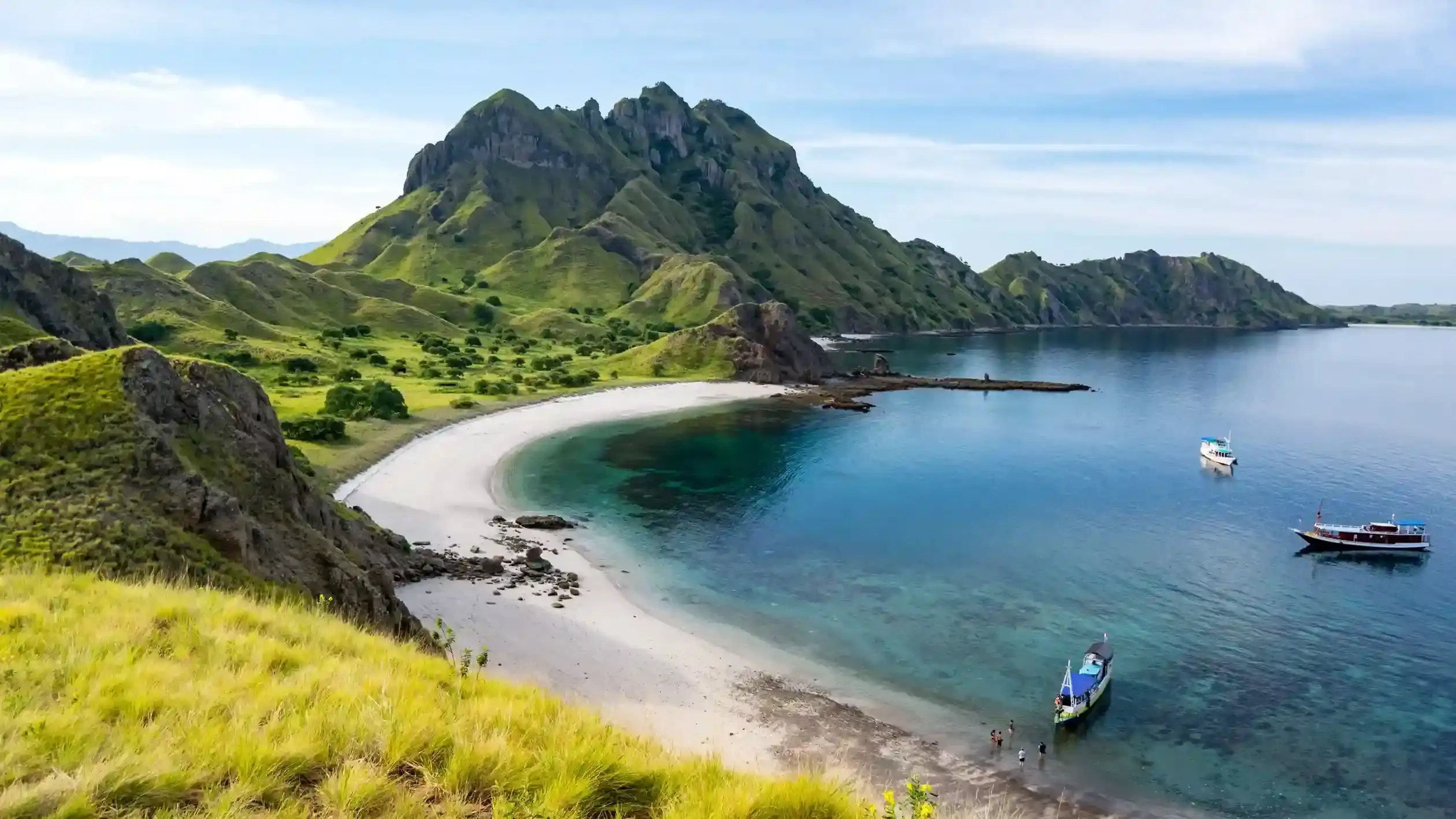
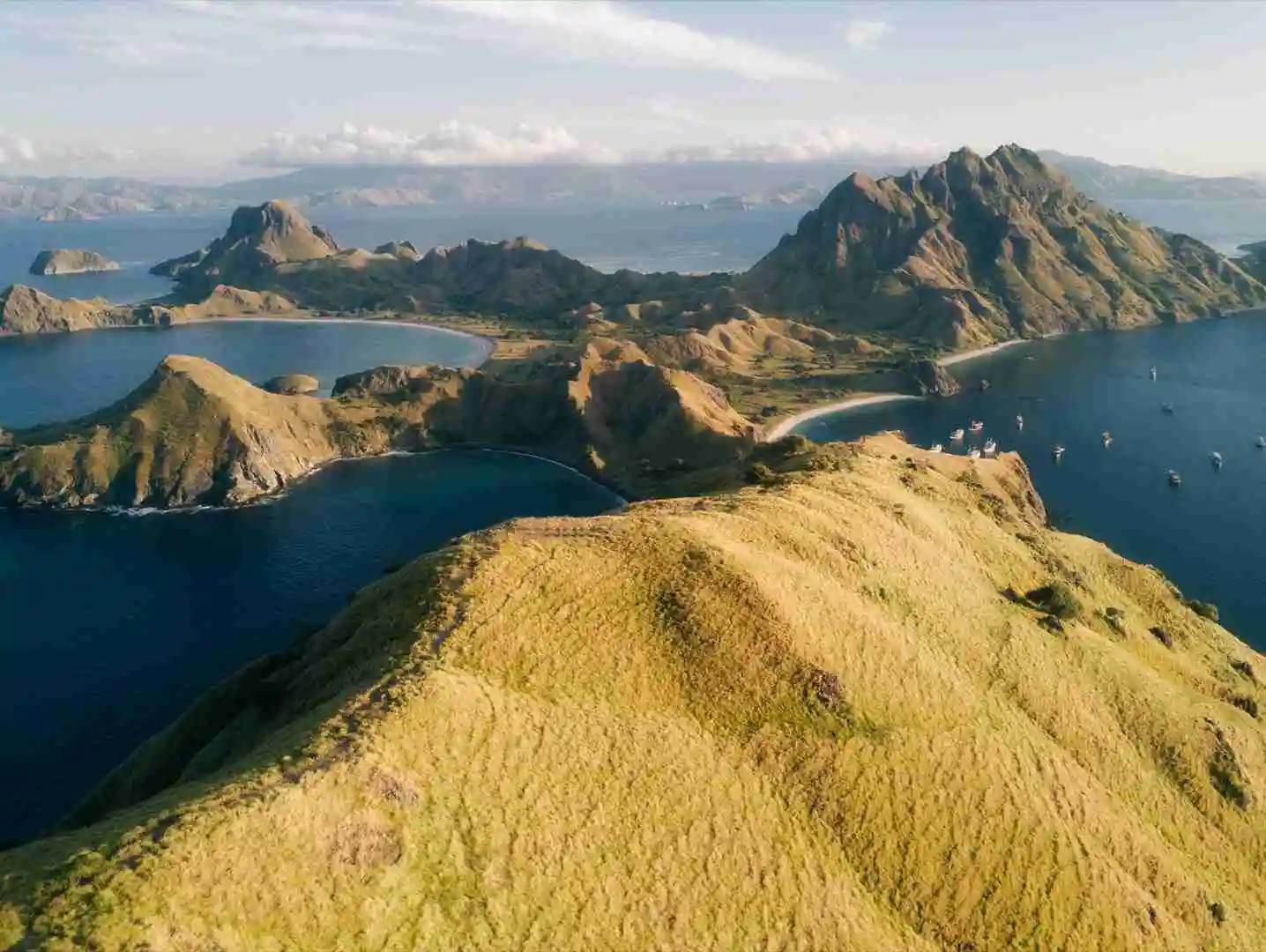
A Komodo dragon photo tour is a photography-first itinerary through Komodo National Park that times each stop for light rather than convenience: dawn on the Padar viewpoint for the three-bay panorama, morning ranger walks when Komodo dragons are most active, and golden-hour landings on Pink Beach when the sand's rosy tint reads strongest on camera.
The park is home to an estimated population of over three thousand Komodo dragons living wild across its islands, which makes it the only place on earth to photograph the world’s largest lizard in its natural habitat.
This page explains how a photo-focused route differs from a standard tour, the best locations and timings for dragons and landscapes, what gear handles the conditions, and how private charters make the schedule possible. It is written for enthusiast and semi-professional photographers planning a dedicated shooting trip.
For a boat that can hold a slow pace at each stop for photography, Komodo Luxury’s Komodo boat tour lineup lets you build a landscape- and dragon-focused itinerary around daylight and tide windows rather than a fixed day-trip schedule.
How Is a Photo Tour Different From a Standard Tour?
Standard boat tours visit the same islands but at crowd hours; a photo tour inverts the timetable so the boat positions overnight near each morning’s subject and moves during the flat midday light. The itinerary is built backward from four shooting windows — two golden hours, one blue hour and the dragons’ active morning period — instead of forward from a harbor departure time.
The second difference is dwell time. Photographers need twenty minutes at a composition where tourists need two, so photo routes schedule fewer stops held longer, with the crew briefed that the schedule bends to conditions: if the mantas are up or the sky ignites, the boat waits.
Where Are the Signature Shots?
Five locations produce most of the portfolio images that come out of the park, and each has a best window.
| Location | Subject | Best window |
|---|---|---|
| Padar viewpoint | Three crescent bays, ridgeline hikers | First hour after sunrise |
| Loh Liang, Komodo Island | Dragons on savannah and beach | Morning ranger walk |
| Loh Buaya, Rinca Island | Dragons in open terrain, drier backdrops | Morning ranger walk |
| Pink Beach | Rose-tinted sand, turquoise shallows | Golden hour, low sun angle |
| Manta Point and nearby reefs | Reef manta rays, coral gardens | Midday for light penetration |
The Pink Beach color comes from fragments of red foraminifera mixed into the sand, and it photographs best wet, at the waterline, with sidelight.
How Do You Photograph Komodo Dragons Safely?
Every dragon encounter happens on a ranger-guided walk, and rangers set the minimum distance — typically several meters, adjusted to the animal’s behavior — which in practice makes a 70-200mm or longer lens the working tool for frame-filling portraits. Low angles create the strongest dragon images, and rangers will indicate when and where crouching is safe.
The rules that protect you also shape the shot list: stay with the group, no baiting or calling, no drones without a permit, and no stepping off marked paths for a better background. Photographers who brief the ranger on the shots they want at the start of the walk consistently come away with better frames, because rangers know where individual dragons rest at each hour. The wildlife-viewing side of this experience is covered further on our Komodo dragon viewing and trekking tour page.
What Gear Handles Komodo’s Conditions?
The environment is bright, salty and humid, so the effective kit is: one body with a 70-200mm or 100-400mm for dragons, a wide zoom in the 16-35mm range for Padar and deck scenes, polarizing filter for water color, and a sturdy dry bag for every tender landing — beach arrivals are wet landings more often than not. A lightweight travel tripod earns its place only for blue-hour work; the treks reward packing light.
For the water sessions, an action camera or housed compact covers mantas well because snorkeling with fins and a large rig in current is demanding; serious underwater shooters should consider the dedicated setup described on our Komodo diving and snorkeling photography package page, which pairs dive scheduling with photo support.
Why Does a Private Charter Matter for Photography?
Shared boats run on group timetables, and the mathematics are unforgiving: a boat that leaves the harbor at 8:00 puts you on Padar at midday light with maximum crowds in frame. A private charter anchored below Padar overnight puts you on the trail 40 minutes before sunrise, alone, with tripod time at the top before the first day boats appear on the horizon.
Charters also legalize spontaneity. When the crew spots a manta aggregation or a dramatic squall line, a private captain can hold position or divert; the compact one-night version of this format is described on our 2D1N Komodo National Park overnight boat trip page, and it converts to a photo schedule with one briefing.
When Is the Best Season for Photography?
The dry season from April to November delivers reliable golden hours and calm crossings, and its late months turn the hills amber-brown for the classic savannah look. The short rainy season from roughly December to March flips the palette: Padar’s ridges go green, clouds add drama, and the light between showers can be extraordinary, at the cost of less predictable sailing.
Seasonal boundaries on this site follow the monsoon pattern for East Nusa Tenggara, dry from April to November and wet from December to March, and the classification is set out at bmkg.go.id.
For dragons specifically, mornings are productive year-round because the animals warm themselves and move early, then retreat to shade through the midday heat. Photographers wanting both color palettes sometimes plan two visits — one late dry season, one early wet — but a first trip should default to the dry months.
Arrange Your Komodo Photo Tour
Send Komodo Luxury your shot list and dates, and they will build a light-first itinerary with a briefed crew and the anchorages to match. Message Komodo Luxury on WhatsApp at +62 811-3823-875 or email sales@komodoluxury.com.
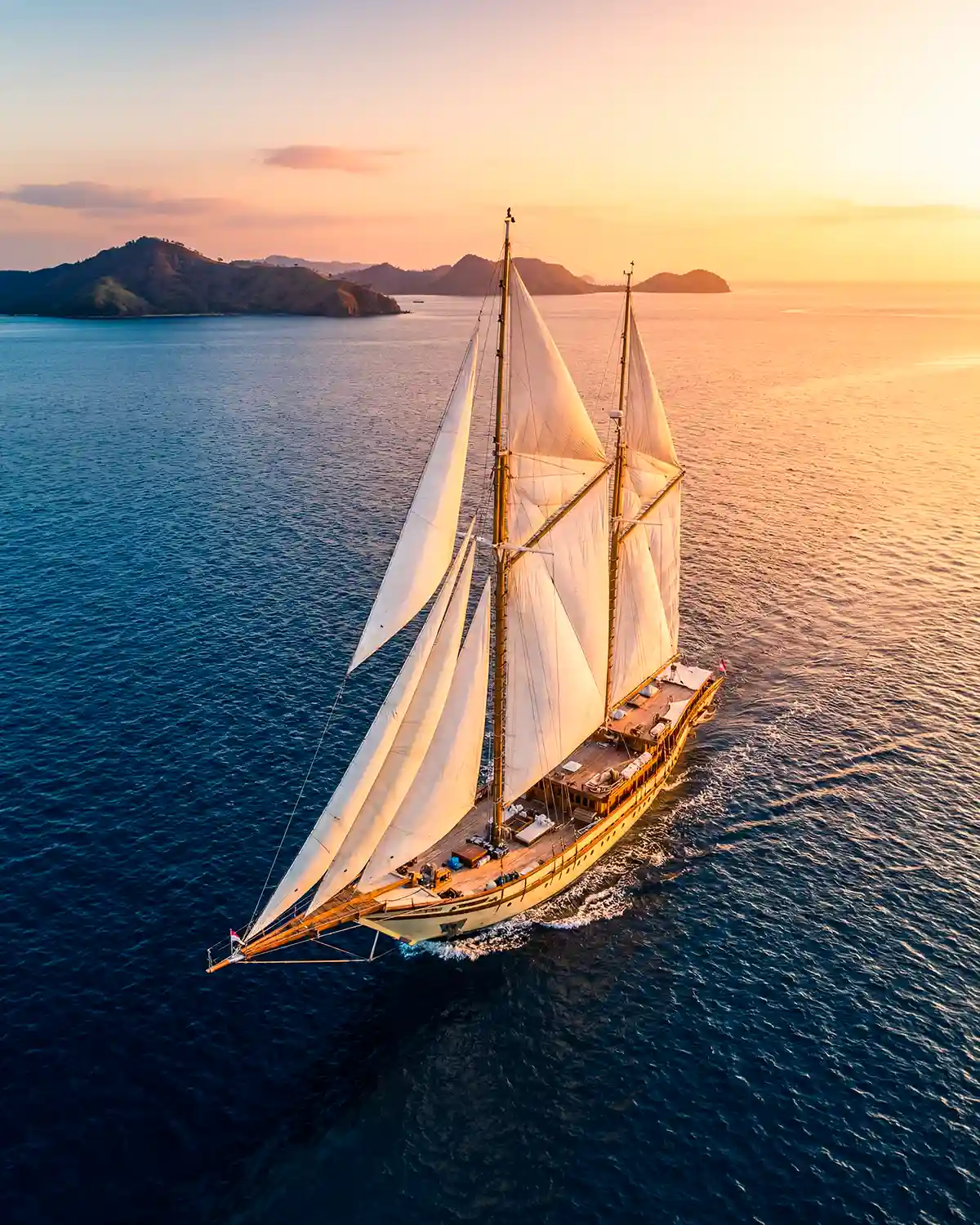
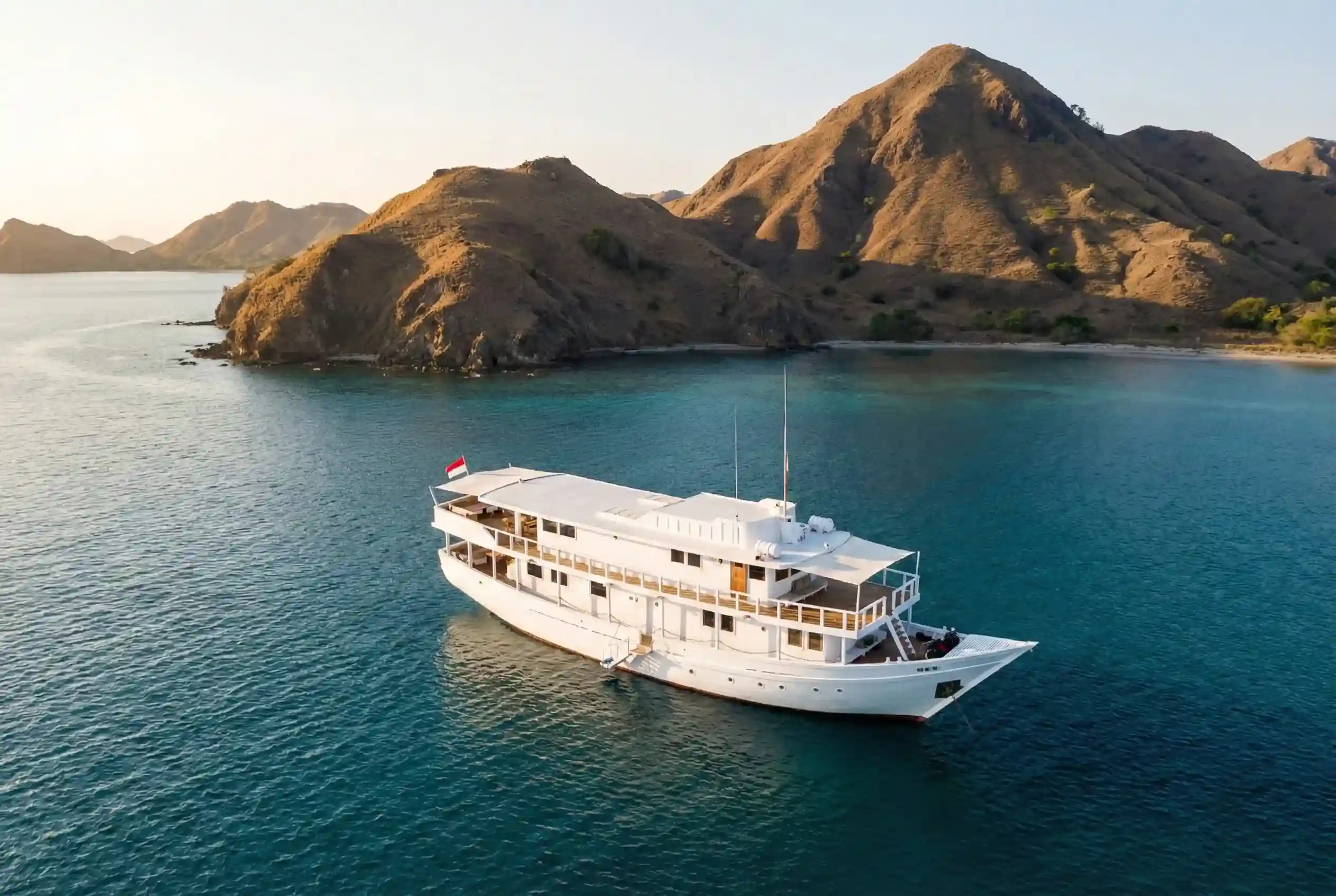
Choosing the right vessel for your Komodo Dragon Photo & Landscape Tour is essential. Consider a multi-day liveaboard for an immersive experience, or opt for a catamaran charter or a deluxe boat charter based on your schedule and group size. To explore all available options, check out the full fleet provided by Komodo Luxury.
Ready to turn this into a real Komodo National Park trip?
Frequently asked questions
If is drone photography allowed during Komodo dragon tours, what permits and practical limits should visitors expect?
Drones are only permitted in Komodo National Park under strict conditions and are effectively off-limits on standard Komodo dragon walks. Larger drones typically need a SIMAKSI research or filming permit plus Indonesian aviation clearance, which most short photo tours do not arrange. Sensitive areas near ranger stations and key colonies are no-fly zones. Always confirm current rules with your operator and the park office before traveling with a drone.
For visitors who already have permits, what are the best drone settings for photography in Komodo to balance quality and safety?
Use a wide-angle lens, shoot in RAW, and set a high shutter speed to handle boat movement and wind. Keep ISO as low as conditions allow and use aperture-priority or manual mode for consistent exposures. Start with D-log or a flat profile for grading, avoid sport mode near wildlife, and fly high and wide to minimise noise and disturbance.
If I get all the permits, which Komodo viewpoints are best for 360 drone photos without breaking park rules?
The most practical legal options are offshore viewpoints rather than over the dragons themselves. With SIMAKSI and aviation clearance, operators usually focus 360 clips on open seascapes and ridgelines away from Komodo Airport, the bat colony at Pulau Kalong, and the Loh Buaya and Loh Liang stations. Ask your boat operator to suggest permitted bays or hilltops where drone flights cause minimal disturbance and comply with current rules.
If you book a guided photo cruise, can you capture sunrise with a drone in Komodo under any special permit or condition?
You cannot simply turn up on a photo cruise and launch at sunrise without prior paperwork and operator approval. Larger drones typically need a SIMAKSI permit plus national aviation clearance, and there are strict no-fly zones around ranger stations, the bat islands and near Komodo Airport. Even with permits, your skipper and ranger must agree conditions are safe and appropriate for a flight.
Can I fly a drone in Komodo National Park?
Drone use inside the park requires a permit arranged in advance through the park authority, and rangers will stop unpermitted flights at the trekking sites. If aerial shots matter to your project, tell your operator during planning so the paperwork is requested early; approval is not guaranteed and rules are enforced at Padar in particular.
How close will I actually get to a Komodo dragon?
Rangers manage each encounter and typically hold visitors several meters from resting dragons, further from moving ones. Adult dragons can exceed three meters and are faster than they look, so distances are not negotiable. The practical answer for photography is that frame-filling portraits happen at telephoto range, not wide-angle range.
What lens do I need for the dragons?
A 70-200mm on a full-frame body covers most ranger-walk encounters, and 300-400mm helps for behavior shots at the distances rangers set for active animals. Wide lenses still matter: some of the strongest dragon images are environmental frames showing the animal small in savannah or shoreline, which a 24-70mm handles from safe distance.
What are the best diving locations in Komodo National Park?
Some of the best diving locations in Komodo National Park include Batu Bolong, Castle Rock, and Manta Point. Each site offers unique marine biodiversity, with Manta Point drawing manta rays all year and the largest gatherings in the wet season, December to March.
Can I use a camera tripod near Komodo dragons?
Using a camera tripod near Komodo dragons is allowed, but visitors must adhere to safety guidelines. Always maintain a safe distance and follow the instructions of the mandatory ranger guide, who is present to ensure both visitor safety and the protection of the wildlife.
Do I need rabies shots for Komodo dragon encounters?
Rabies shots are not specifically required for Komodo dragon encounters. However, visitors are advised to have up-to-date vaccinations for general travel in Indonesia. Always follow the safety instructions of your ranger guide to minimise risks during your visit.
Is it possible to photograph Komodo dragons at sunrise?
Photographing Komodo dragons at sunrise is possible, particularly during morning ranger walks when the dragons are most active. This timing allows photographers to capture the dragons in natural light, enhancing the quality of the images.
What are the best times to photograph wildlife in Komodo?
The best times to photograph wildlife in Komodo National Park are during the early morning and late afternoon. These periods coincide with the dragons’ active hours and provide optimal lighting conditions for capturing both wildlife and landscapes.
How do Komodo dragons survive during the dry season?
Komodo dragons survive the dry season by relying on their ability to store fat in their tails and their opportunistic feeding habits. They are skilled hunters and scavengers, which helps them find food even when resources are scarce. Their resilience is a key factor in their survival across the islands.
Is a photo tour worthwhile for phone photographers?
Yes, because the tour’s value is timing and positioning rather than gear: sunrise on Padar, empty beaches and briefed crews improve phone images as much as camera images. Modern phones handle the landscapes well; the dragons are the one subject where optical zoom has a real advantage, so borrow or rent if possible.
Which locations in Komodo are best for sunrise shots?
The Padar viewpoint is one of the best locations for sunrise shots in Komodo National Park. The viewpoint offers a stunning panorama of three crescent bays, making it a popular spot for photographers aiming to capture the beauty of dawn.
Send Komodo Luxury your dates; they come back with options
Travel dates, group size and what matters most — trekking, diving, a private charter or a shared boat. Our booking partner replies with current pricing.