Uncover in Komodo National Park
The core things to do in Komodo National Park are the ranger-guided Komodo dragon trek on Komodo or Rinca Island, the sunrise hike up Padar Island for its three-bay panorama, snorkeling or diving with manta rays at Karang Makassar, and a stop at Pink Beach's coral-red sand.
The Essential Komodo National Park Activities
These are the sites nearly every itinerary includes, because they sit within a short cruising range of each other on the park’s western side and together define what “seeing Komodo” means.
1. Komodo Dragon Trekking at Loh Liang or Loh Buaya
A licensed ranger leads every walk to see wild Komodo dragons, on Komodo Island’s Loh Liang trail or Rinca Island’s Loh Buaya trail. Rinca’s savannah terrain is more open and generally rated the easier walk; Komodo Island’s route runs through taller forest. Both are short, flat-to-gently-sloped trails suitable for most fitness levels, and this is the one activity every trip format includes — day trip, 2D1N, or multi-day liveaboard. Full trekking details are on our combined ticket pricing guide page.
2. Sunrise Hike on Padar Island
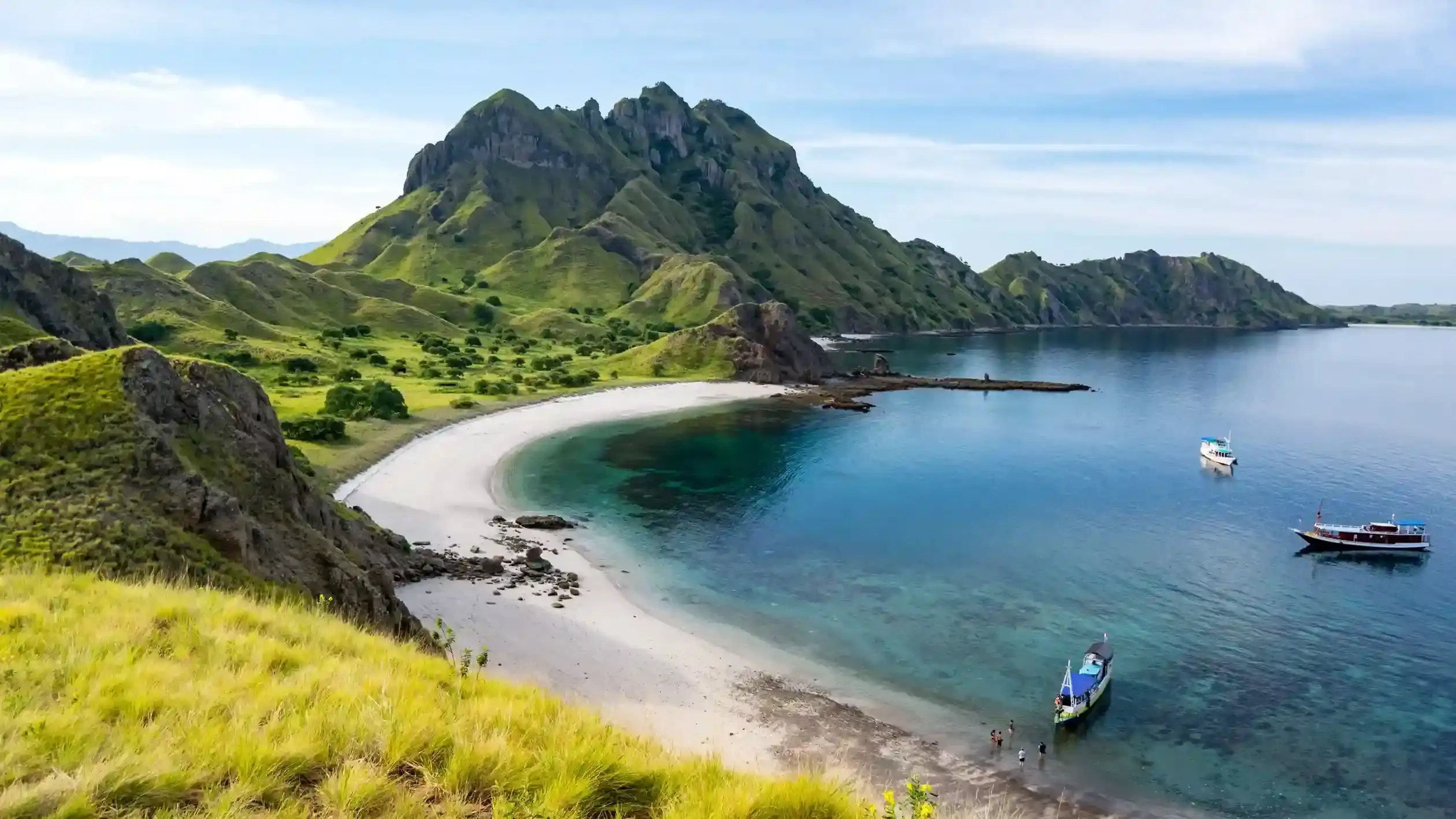
The Padar viewpoint climb takes roughly 30 to 40 minutes on a stepped dirt trail with a moderate final incline, rewarding hikers with a view over three differently colored bays. It is rated easy-to-moderate: manageable for most travelers in reasonable fitness, though the steps and heat make it harder than it looks in photos. Sunrise departures beat the crowds and the sun; a full itinerary built around this timing is on our Komodo photography guide.
3. Snorkeling or Diving With Manta Rays at Karang Makassar
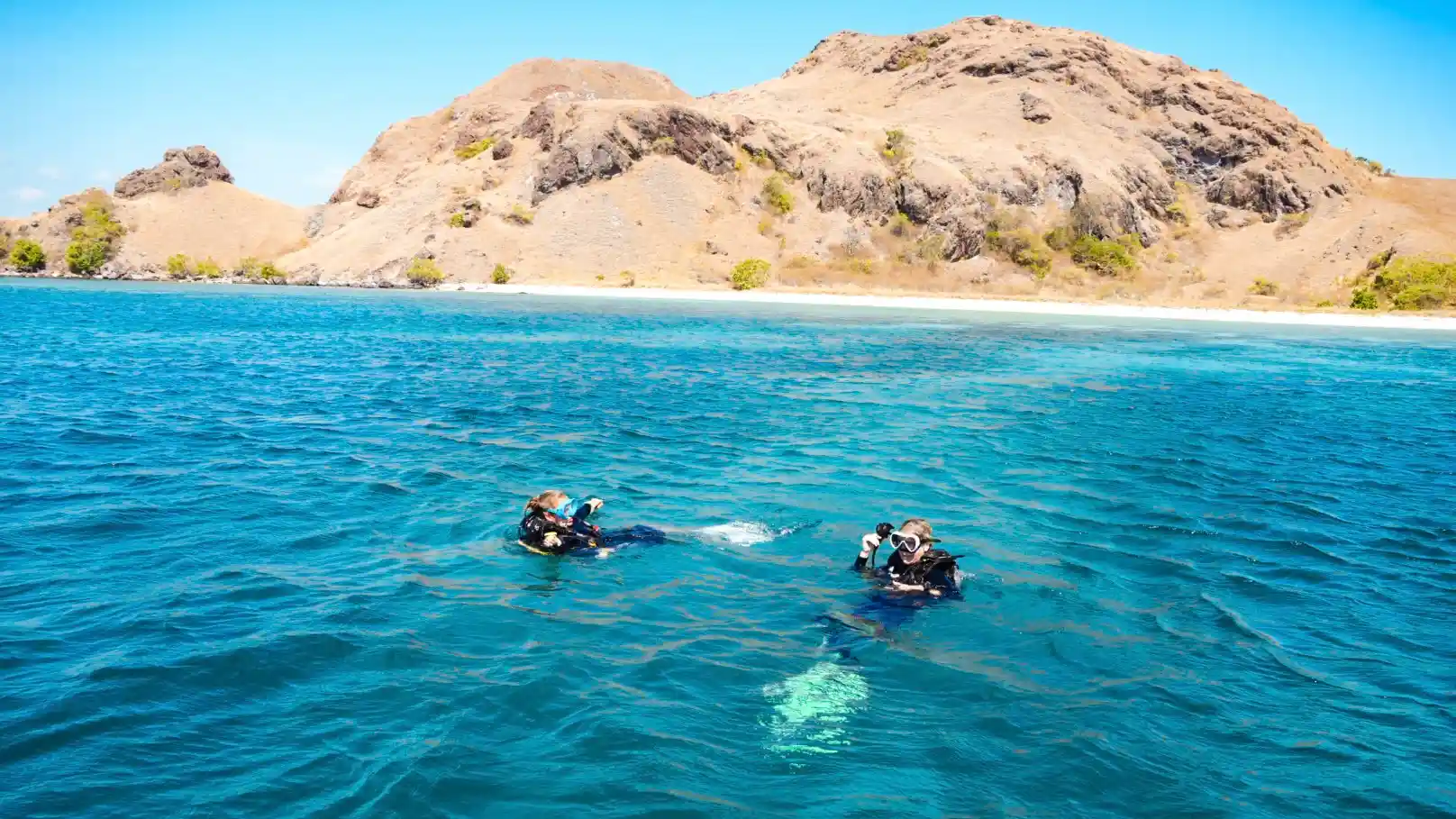
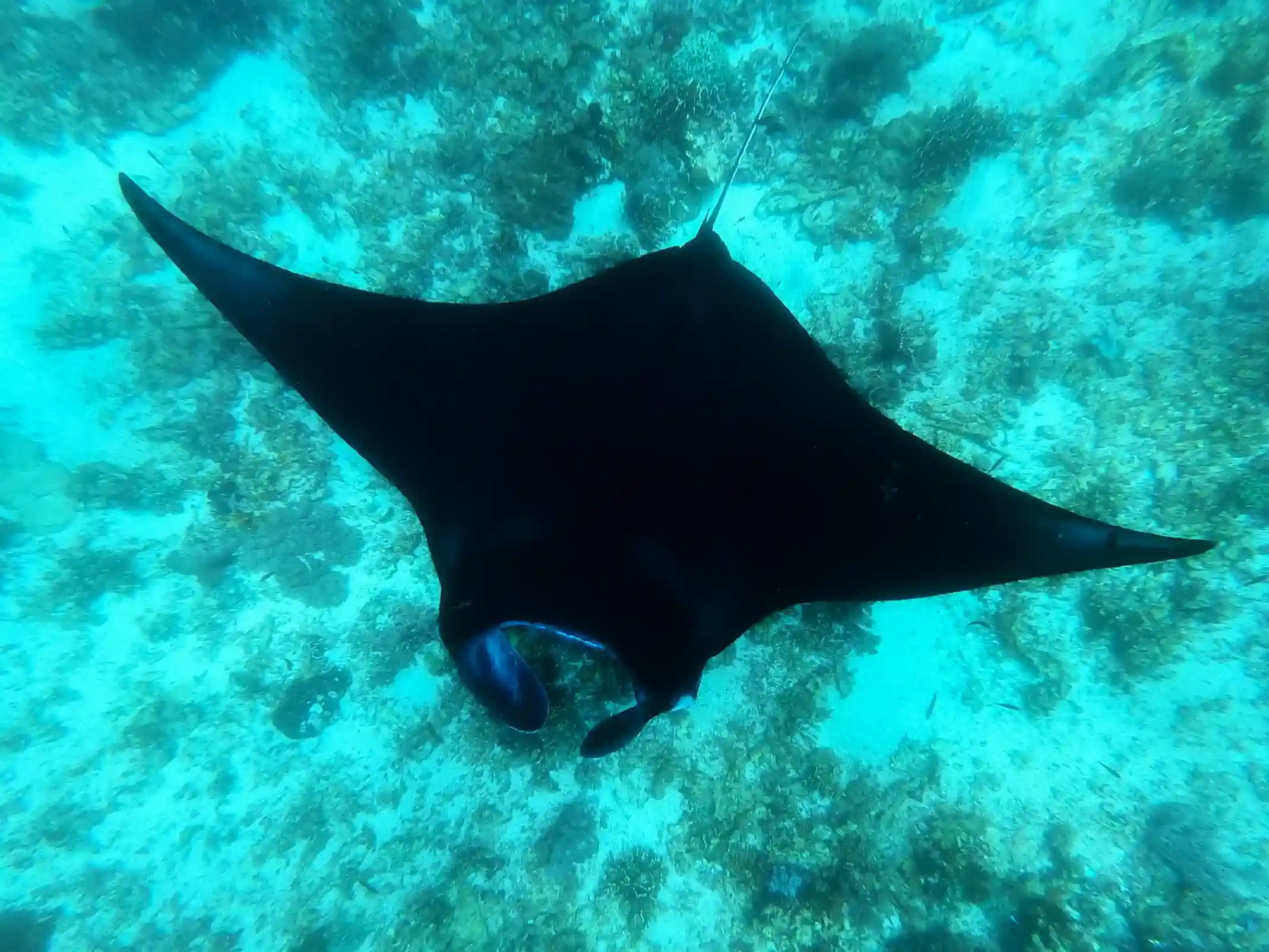
Karang Makassar, commonly called Manta Point, is a shallow cleaning station where reef manta rays gather, often in water just three to ten meters deep — genuinely snorkel-friendly, not diving-only. Divers reach deeper viewing angles and can follow mantas further from the surface. Non-swimmers can still watch from the boat or use a life jacket at the surface. The full comparison of gear, sites and certification needs is on our diving and snorkeling photography package page.
4. Pink Beach
Pink Beach’s sand gets its rose tint from fragments of red foraminifera (a marine microorganism) mixed with white coral sand, most visible in direct sun. The bay is calm and shallow near shore, making it one of the more accessible stops for families and weaker swimmers, with easy snorkeling just off the beach.
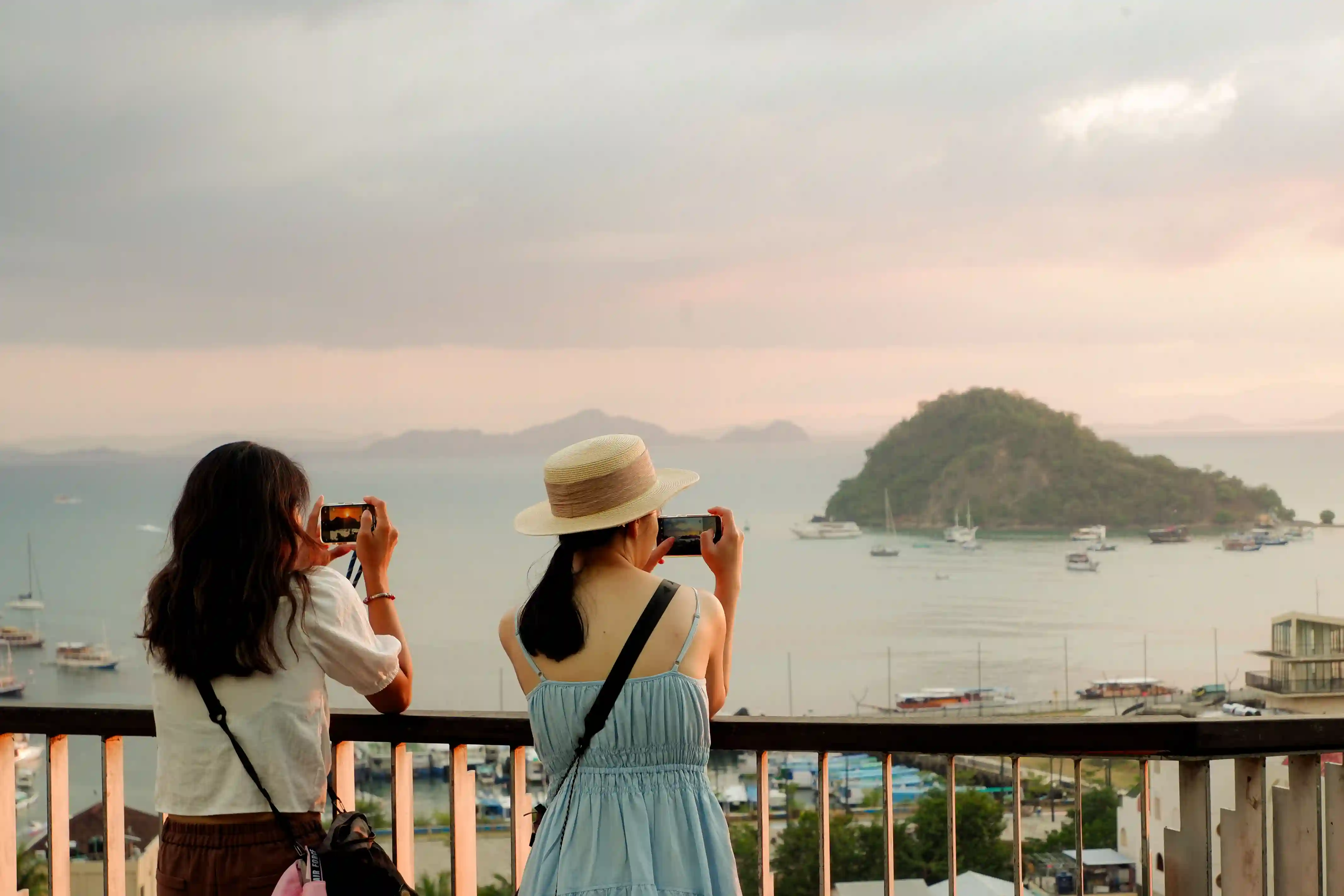
5. Kelor Island Sunset Hike
Kelor sits close to Labuan Bajo, making it a common first or last stop. Its hill climb is short (roughly 20 to 30 minutes) and steep in the final stretch, rated easy-to-moderate, and the summit gives a compact panorama of the surrounding islands — a good lower-effort alternative to Padar for travelers short on time or hiking confidence.
6. Gili Lawa Darat Ridge Walk
Gili Lawa sits toward the park’s northern edge and requires a longer sailing leg, which is why it appears mainly on 2D1N and multi-day itineraries rather than single-day trips. The ridge trail is moderate, longer than Kelor’s, and rewards hikers with wide views over the anchorage and the Flores Sea — a favorite sunset stop, detailed on our honeymoon and romantic getaway page.
A Typical One-Day Activity Schedule
| Time | Activity |
|---|---|
| 05:30–06:30 | Depart Labuan Bajo harbor by speedboat |
| 07:30–08:15 | Padar Island sunrise viewpoint hike |
| 09:00–09:45 | Pink Beach: swimming and shallow snorkeling |
| 10:30–11:30 | Ranger-guided Komodo dragon trek at Loh Liang or Loh Buaya |
| 12:30–13:15 | Lunch on board |
| 14:00–15:00 | Snorkeling at Karang Makassar (Manta Point), conditions permitting |
| 16:00–17:30 | Return cruise to Labuan Bajo |
This is a representative day-trip structure, not a fixed schedule — actual timings shift with tides, weather, and which islands your specific boat visits, and manta sightings at Karang Makassar depend on current and plankton conditions rather than a guaranteed timetable. Multi-day trips spread the same activity list across two or three mornings instead of compressing it into one, which is the main reason a 2D1N or longer format feels less rushed than a single-day loop.
Which Activities Suit Which Traveler?
| Traveler type | Best-fit activities | What to skip or adapt |
|---|---|---|
| Families with young children | Pink Beach, Kelor’s short trail, snorkeling in shallow bays | Longer treks and Gili Lawa’s longer ridge walk; keep children within arm’s reach on any dragon trek |
| Budget or first-time travelers | Shared day trip covering dragon trek, Padar, Pink Beach | See our budget tour packages guide for the lowest-cost way to cover the essentials |
| Divers and serious snorkelers | Karang Makassar, Batu Bolong, Castle Rock, multi-day liveaboard | Single day trips only reach 1-2 dive sites; a liveaboard covers far more |
| Couples and luxury travelers | Private phinisi charter, quiet anchorages, sunset at Gili Lawa | Crowded shared-boat time slots at Padar and Pink Beach; see our phinisi cruise page |
| Photographers | Padar and Kelor at sunrise, Pink Beach in late afternoon light | Midday visits, when light is flattest and crowds are largest |
Luxury Experiences in Komodo National Park
The park’s sites do not change for a bigger budget, but the way you reach and experience them does. A private phinisi or motor yacht charter removes shared-boat scheduling entirely: you choose which hour to reach Padar, linger at Manta Point after a shared group has moved on, and anchor overnight in a quiet bay rather than a crowded mooring. Premium boats add air-conditioned cabins, a dedicated chef, and crew ratios that allow real service rather than group logistics. Couples and small groups who want this level of control can compare full private charter options on our phinisi cruise page, and the honeymoon-specific version of the same idea is on our honeymoon and romantic getaway page.
Luxury also shows up in timing: premium operators build itineraries around light and tide rather than a fixed group schedule, which is why photography-focused travelers and couples marking an occasion consistently choose private departures over shared open trips for the sites in this list.
Hiking Difficulty Levels at a Glance
| Hike | Duration | Difficulty | Notes |
|---|---|---|---|
| Kelor Island summit | 20–30 minutes | Easy to moderate | Short but steep near the top; good low-effort option |
| Rinca dragon trek (Loh Buaya) | 45–60 minutes | Easy | Flat savannah terrain, ranger-guided at walking pace; this is the standard tourist route, between the short (~30–45 min) and medium (~60–90 min) ranger options set out in our accessibility guide |
| Komodo dragon trek (Loh Liang) | 60–90 minutes | Easy to moderate | More forest cover, slightly longer than Rinca’s route; matches the medium ranger route in our accessibility guide |
| Padar Island viewpoint | 30–40 minutes | Moderate | Stepped trail with a steeper final stretch and full sun exposure |
| Gili Lawa Darat ridge | 45–60 minutes | Moderate | Longer and more exposed than Padar; usually only on 2D1N+ routes |
None of these trails require technical climbing or special equipment beyond sturdy closed shoes, water, and sun protection; the main variables are heat, sun exposure, and pace, not terrain difficulty. Travelers with mobility concerns or very young children should default to Rinca’s trek and Kelor’s summit, the two gentlest options on this list.
Snorkeling or Diving: Which Should You Choose?
If you are not certified and mainly want to see manta rays and reef fish, snorkeling covers the park’s best-known sites well — Karang Makassar’s mantas and Pink Beach’s shallow reef are both snorkel-accessible. Diving adds sites that sit deeper or drift faster, such as Batu Bolong’s wall and Castle Rock’s current-driven fish action, and lets you follow marine life beyond what a surface swimmer can reach. Many trips do both: snorkel at the shallow, calm sites and dive the current-swept pinnacles with a guide, which is how Komodo Luxury’s diving and snorkeling photography package is structured.
Sunrise or Sunset: Which Tour Should You Book?
Sunrise tours exist mainly for one reason: reaching Padar’s viewpoint before both the heat and the day-boat crowds arrive from Labuan Bajo, which requires sleeping on board the night before or departing extremely early. Sunset tours instead target Gili Lawa’s ridge or simply a calm anchorage for deck dinners, and suit travelers who prefer a slower morning. If you can only choose one, sunrise at Padar delivers the more widely recognized image; sunset at Gili Lawa delivers a quieter, less crowded experience.
Off-the-Beaten-Path Islands Worth Asking About
Beyond the headline stops, operators with flexible routing sometimes add quieter islands depending on weather, tides and your itinerary length — smaller snorkeling bays and less-visited anchorages exist throughout the park’s western zone. Because exact conditions and access change trip to trip, ask your operator directly which secondary stops fit your specific dates rather than expecting a fixed list, and treat any promise of a guaranteed “secret island” with healthy skepticism until it is named and confirmed in your written itinerary; a multi-day phinisi itinerary generally has more room to add these than a fixed single-day route.
Highlights in Two Days: What’s Realistic?
A 2D1N trip realistically covers the dragon trek, Padar sunrise, Pink Beach, and Manta Point snorkeling or a short dive — the four sites most travelers rank as essential — without feeling rushed, because the overnight format puts you at Padar before day boats even leave the harbor. Trying to add Gili Lawa or a second dive site to a 2D1N schedule is possible but tightens the pace considerably; travelers who want everything comfortably should look at a 3-day-or-longer route instead. The full day-by-day structure is on our 2D1N overnight boat trip page.
Frequently asked questions
Can I do budget-friendly activities and still see the highlights?
Yes. A shared open-trip day boat or 2D1N departure covers the dragon trek, Padar, Pink Beach and Manta Point at a fraction of a private charter’s cost, because the sites themselves are identical regardless of boat class. What changes with budget is comfort, group size and schedule flexibility, not which islands you’re allowed to visit.
What are the transportation options within the park?
Transportation within Komodo National Park primarily involves boats, as the park is an archipelago. Visitors typically join guided tours or hire private boats from Labuan Bajo to access the islands. On the islands, trekking is the main way to explore, as independent travel is not permitted.
Do I need diving certification to see anything underwater?
No. Snorkeling at Karang Makassar, Pink Beach, and several other shallow bays puts you in the water with reef fish and, at the right times, manta rays, without any certification. Certification only becomes necessary for the deeper, current-driven dive sites such as Castle Rock and Batu Bolong’s deeper sections.
Are there eco-friendly homestays near the park?
Yes, there are eco-friendly homestays near Komodo National Park, particularly in Labuan Bajo, the gateway town. These accommodations often use sustainable practices like solar energy and waste reduction. They provide a comfortable base for exploring the park while supporting local conservation efforts.
What wildlife can kids see in the park?
Kids visiting Komodo National Park can see Komodo dragons, the park’s iconic species, during guided treks. They may also spot other wildlife such as deer, wild boar, and various bird species. Snorkeling offers encounters with marine life like colourful fish and, in season, manta rays.
What are the top diving sites near Komodo Island?
Top diving sites near Komodo Island include Karang Makassar (Manta Point) for manta rays, Batu Bolong for vibrant coral and diverse marine life, and Castle Rock for strong currents and pelagic fish. Each site offers unique underwater experiences suitable for various skill levels.
Is sunrise or sunset better for photography in Komodo?
Sunrise is generally better for photography in Komodo National Park, especially from Padar Island. The early light enhances the landscape’s colours and reduces crowding. Sunrise hikes also help avoid the midday heat, providing a more comfortable experience for capturing stunning vistas.
What are the top photography tips for the park?
For top photography in Komodo National Park, start with sunrise hikes on Padar Island for stunning vistas. Use a polarising filter to enhance colours, especially at Pink Beach. Capture wildlife with a zoom lens, and plan underwater shots at Manta Point for vibrant marine life.
Where to photograph sunrise in Komodo National Park if I want to avoid crowds?
You primarily need to book Padar and Komodo Islands in advance through the SiOra e ticket system, as these are the most popular sunrise viewpoints and subject to a daily quota. To dodge crowds, choose the earliest session, stay on a nearby liveaboard or in Labuan Bajo, and ask your operator about lesser known hills on smaller islands, which usually do not require the same level of advance planning.
Is Komodo National Park suitable for kids?
Yes, with some adjustments. Pink Beach, Kelor’s short trail and shallow-bay snorkeling all work well for children, and the ranger-guided dragon trek is allowed for kids provided they stay within arm’s reach of an adult throughout. Longer hikes like Gili Lawa’s ridge and full-day dive schedules are better suited to older children and adults.
What is the easiest hike in Komodo National Park?
Kelor Island’s summit trail is generally considered the easiest scenic hike, at roughly 20 to 30 minutes with a short steep section near the top. The Rinca Island dragon-trekking trail at Loh Buaya is also flat and easy, though it is a wildlife walk rather than a viewpoint climb.
What is the most physically demanding activity in the park?
Diving at current-driven sites such as Castle Rock is the most physically demanding regular activity, requiring advanced certification and comfort with strong drift conditions. Among hikes, Gili Lawa’s ridge walk is longer and more exposed to sun than Padar or Kelor, making it the more strenuous of the standard trekking options.
What’s the single most popular activity in Komodo National Park?
The ranger-guided Komodo dragon trek is the activity nearly every visitor names as their reason for coming, and it appears on essentially every itinerary regardless of budget or trip length, from a shared budget day trip to a private luxury phinisi charter. Padar’s sunrise viewpoint is a close second in terms of how often it appears in trip planning.
How to reach Komodo National Park from Gili Islands?
To reach Komodo National Park from the Gili Islands, take a fast boat to Bali, then fly from Bali Ngurah Rai Airport to Labuan Bajo. From Labuan Bajo, you can join a guided tour or hire a boat to the park. This route combines sea and air travel for efficiency.
Which group activities are popular in the park?
Popular group activities in Komodo National Park include ranger-guided treks to see Komodo dragons, snorkeling or diving at Manta Point, and hiking on Padar Island. These activities cater to various interests and fitness levels, making them ideal for groups seeking adventure and natural beauty.
What are the hiking trails in the park?
The main hiking trails in Komodo National Park are the Komodo dragon trekking routes at Loh Liang on Komodo Island and Loh Buaya on Rinca Island, and the sunrise trail on Padar Island. These trails vary in difficulty but are accessible to most visitors with reasonable fitness levels.
What activities are available for kids in the park?
Activities for kids in Komodo National Park include guided treks to see Komodo dragons, snorkeling at Pink Beach, and boat trips to explore the islands. These activities are designed to be educational and safe, providing an engaging experience for young adventurers.
How to plan a trip to the park?
To plan a trip to Komodo National Park, fly to Labuan Bajo from Bali or Jakarta, then book guided tours or boat trips to the park. Reserve visits to Komodo and Padar in advance via the SiOra e-ticket system. Consider activities like dragon trekking, snorkeling, and hiking.
Plan Your Komodo National Park Activities with Komodo Luxury
Tell Komodo Luxury how many days you have and which activities matter most, and they will match you to the right boat format. Explore every option on our Komodo boat tour page. Message Komodo Luxury on WhatsApp at +62 811-3823-875 or email sales@komodoluxury.com.
Last updated: 29 August 2026.
When you’re ready to explore the wonders of Komodo National Park, consider browsing the full fleet offered by Komodo Luxury to find the perfect vessel for your adventure. For any questions you might have before booking, check out Komodo Luxury’s trip FAQ for detailed information.
For a comprehensive view of your options while exploring Komodo National Park, consider bookmarking Komodo Luxury’s sailing tour packages, which complement the activities listed above.
Ready to turn this into a real Komodo National Park trip?