Diving Adventures in Komodo National Park
What is diving like in Komodo National Park? Komodo offers day dives from Labuan Bajo and multi-day liveaboard diving across three distinct current-driven zones — warm, clear northern reefs, a manta-rich central channel, and a cold, nutrient-rich southern zone famous for macro life and pelagic encounters.
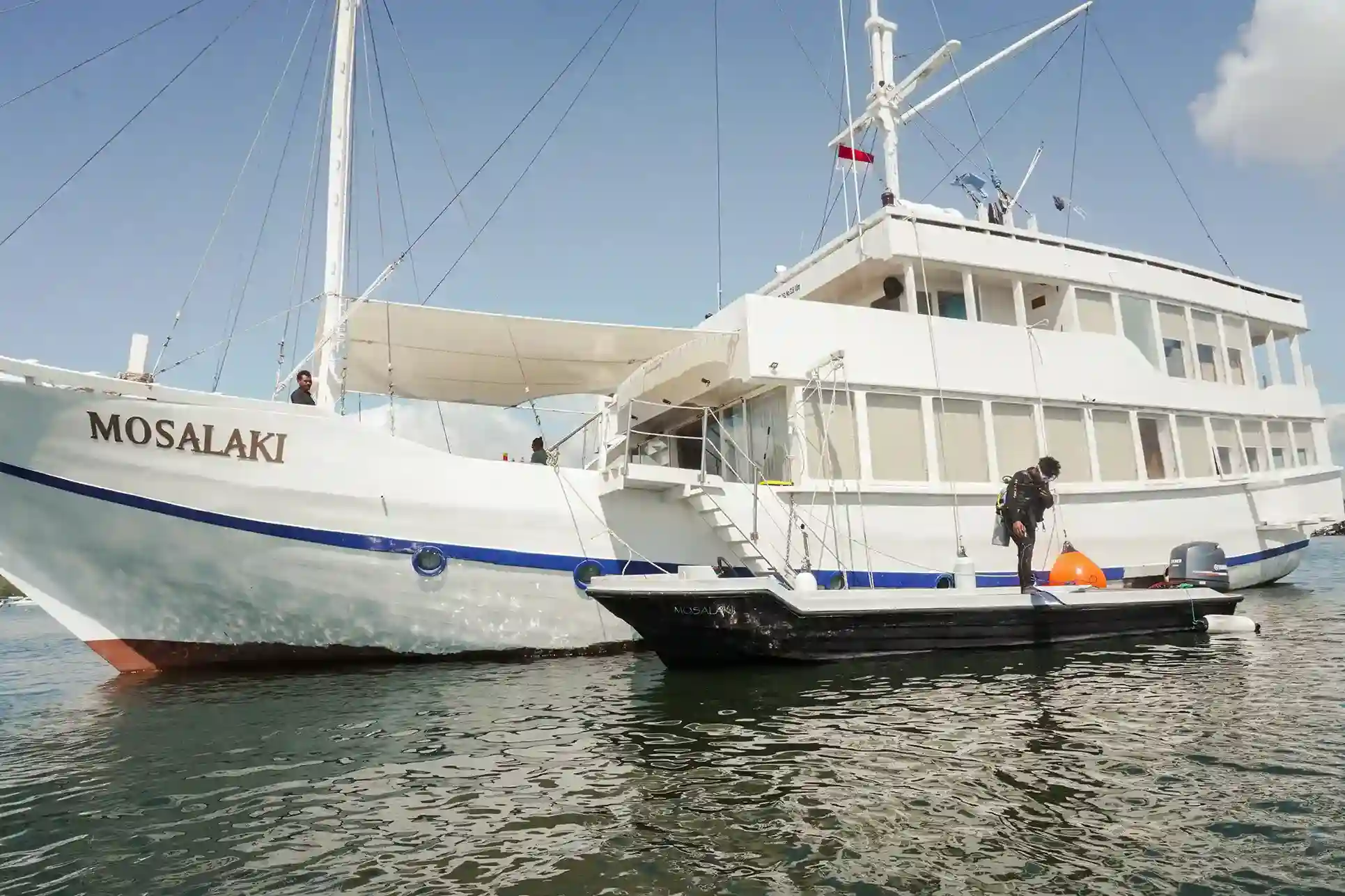
Komodo National Park’s underwater terrain changes more dramatically over a short distance than almost anywhere else divers travel to specifically for that reason: the same day can include a warm, current-swept coral wall in the north and a cold, nutrient-rich pinnacle in the south, separated by only a few hours of boat time. This page covers what a Komodo dive trip actually involves — the day-trip versus liveaboard decision, the park’s distinct zones, and what to check before booking.
Day diving vs. liveaboard: which fits your trip?
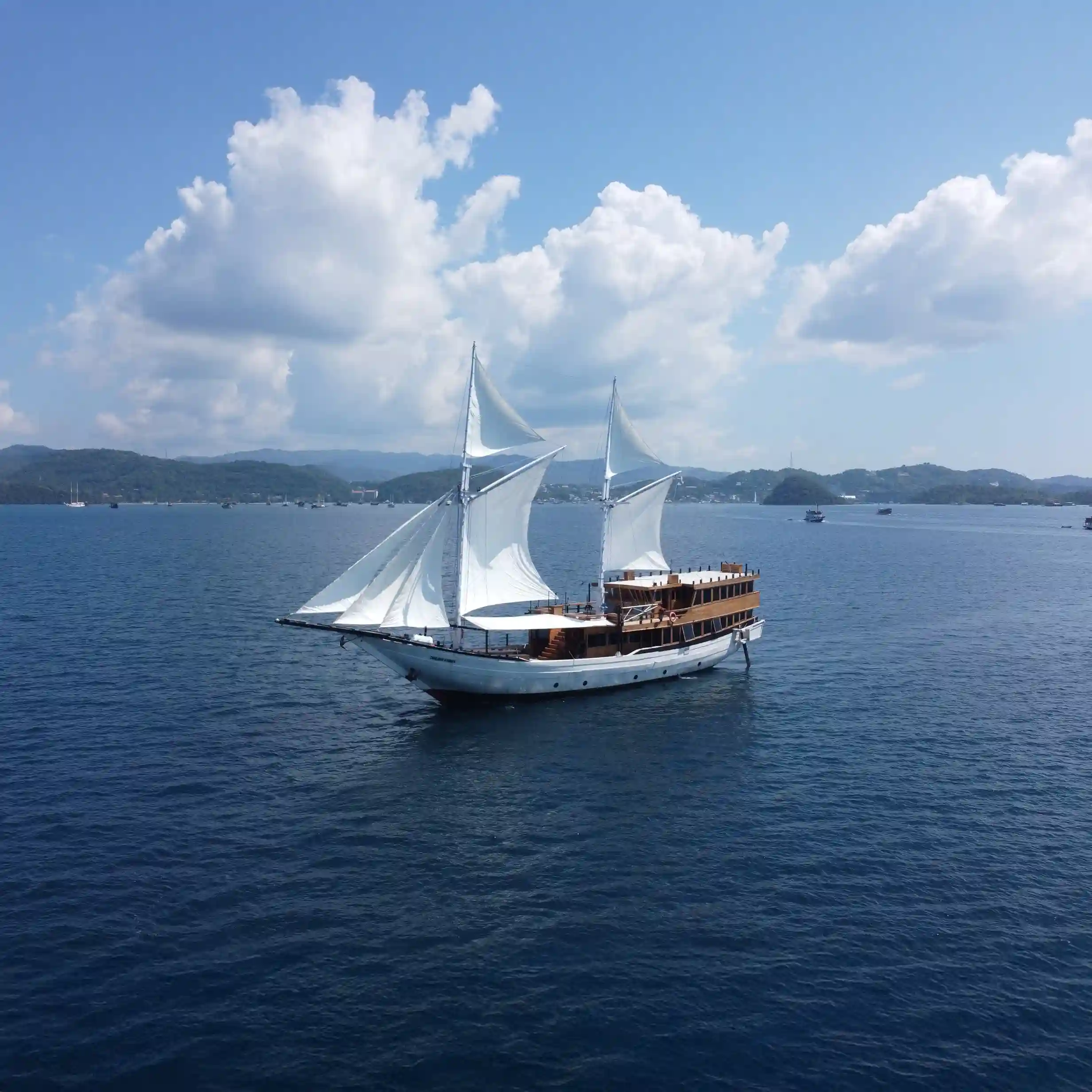
A day-diving trip from Labuan Bajo, typically two or three dives at sites reachable within a few hours of the harbour, is the practical choice for divers with limited time or those combining diving with other Labuan Bajo activities. It reaches a real slice of the park’s central sites but can’t cover the full north-to-south range in a single day given the distances and time each crossing takes. A multi-day Komodo liveaboard solves that limitation directly: sleeping aboard between dive sites means the itinerary can move steadily from the warmer northern reefs down toward the cooler southern zone across several days, fitting in more dives per day and reaching sites that a single-day boat simply can’t get to and back from in daylight.
What are the park’s distinct diving zones?
| Zone | Typical water temp* | Character |
|---|---|---|
| North / central (e.g., Batu Bolong, Castle Rock, Manta Point) | ~27–29°C | Warmer, generally clearer, strong current at exposed sites, resident manta cleaning stations |
| South (e.g., Cannibal Rock, Manta Alley) | Low-to-mid 20s°C, cooler still during July–September upwelling | Nutrient-rich, macro-life dense, more variable visibility, pelagic encounters |
*Temperatures are operator-reported ranges rather than a single instrumented dataset; actual readings vary by site, tide, and day. See our weather and sea conditions guide for month-by-month detail on currents and visibility across the park.
What marine life can you expect?
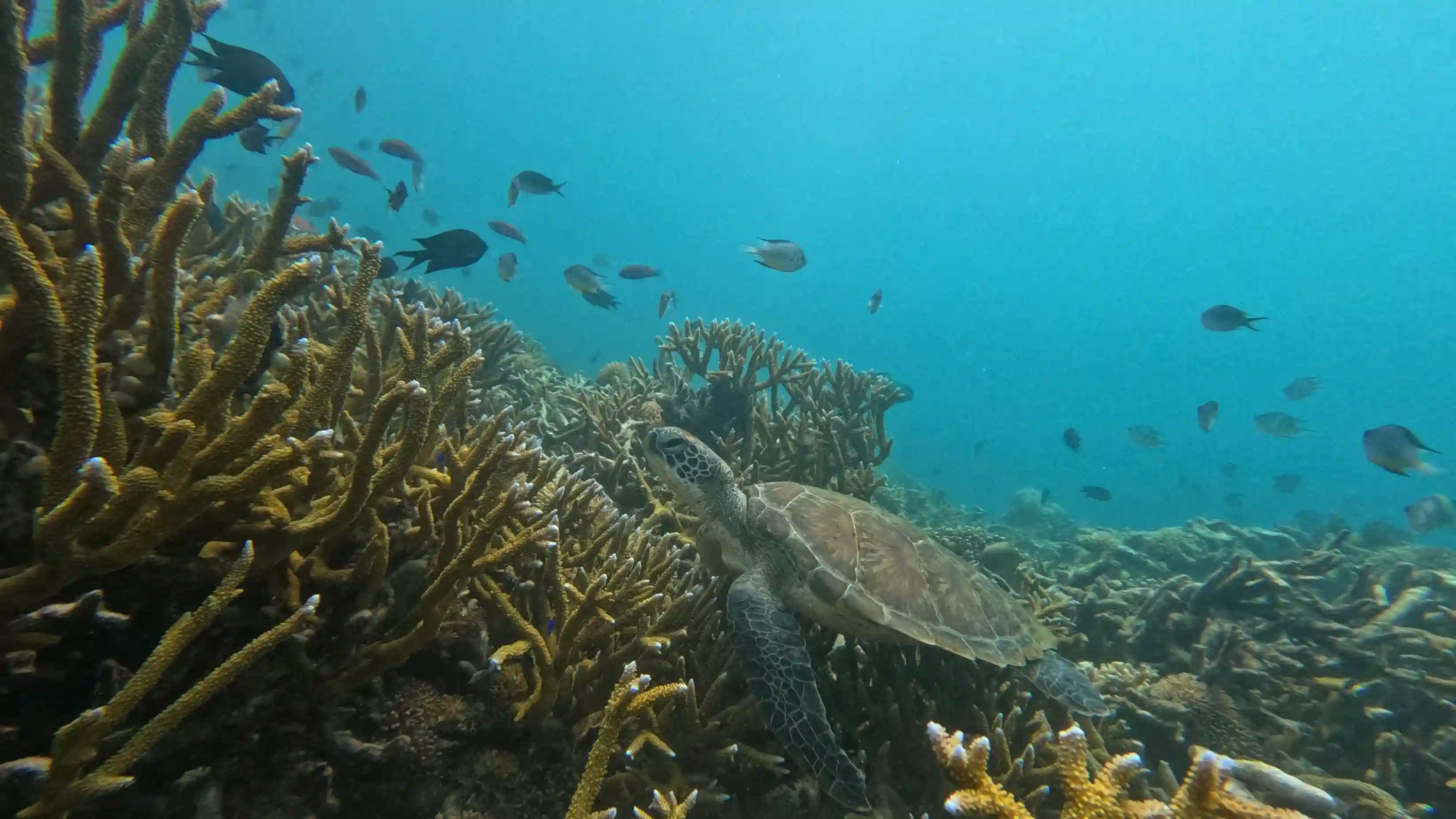
Komodo’s reefs host well over 1,000 recorded fish species and more than 250 coral species across the park, which is why divers describe the northern sites as reliably busy with reef life — schooling fish, napoleon wrasse, and dense coral cover at sites like Batu Bolong. The central channel around Karang Makassar (“Manta Point”) is the park’s best-known manta ray cleaning station, with reef mantas present year-round, though numbers and location shift seasonally between the park’s north and south with the monsoon. The southern zone’s cooler, nutrient-rich water supports a different profile entirely: dense macro life (nudibranchs, pygmy seahorses, frogfish among the sites divers specifically travel south for) alongside pelagic visitors that the upwelling attracts.
Do you need experience to dive in Komodo?
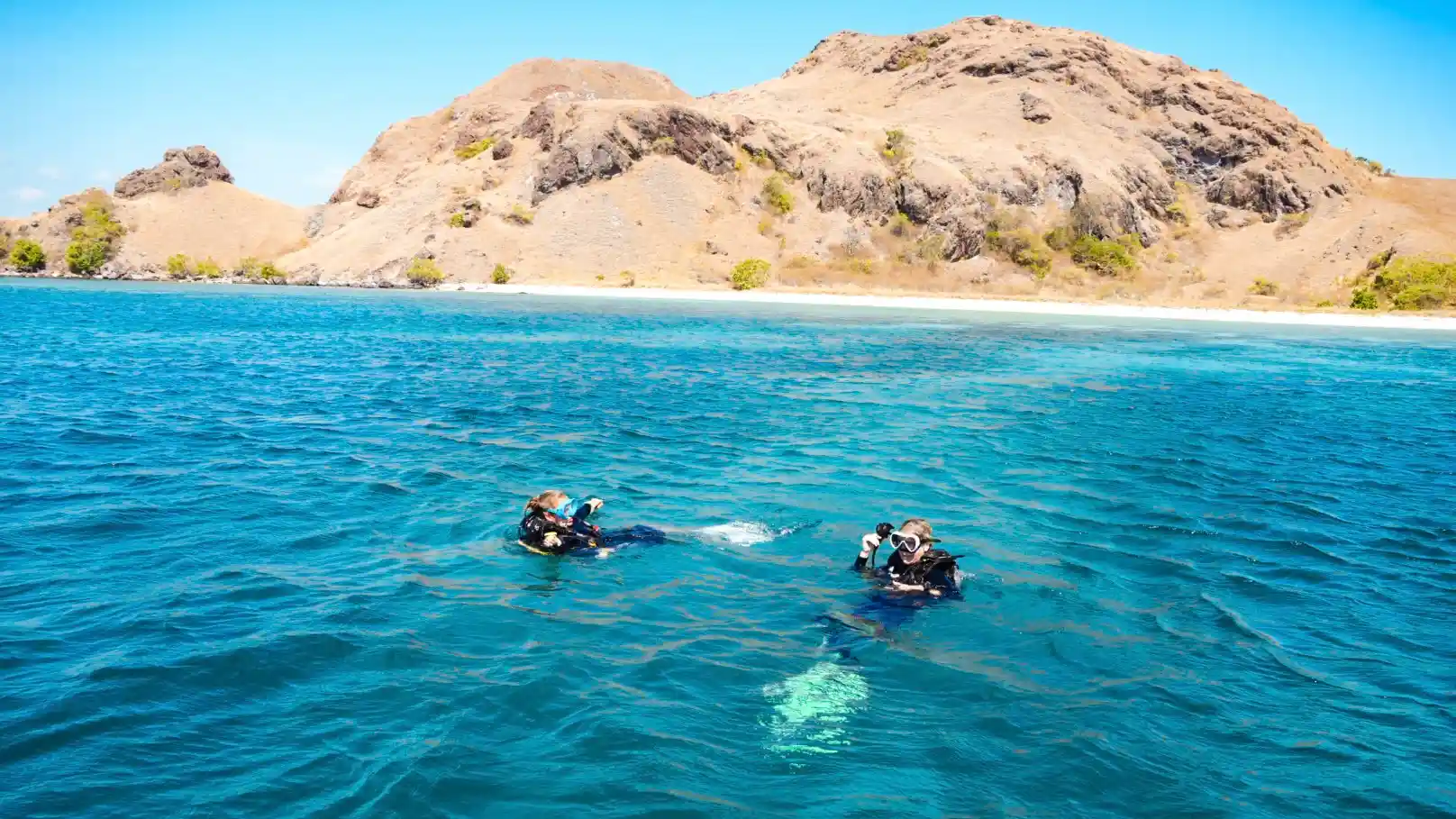
Open-water certification is the baseline requirement, but Komodo’s currents mean prior drift-diving experience is genuinely useful, not just a nice-to-have — several of the park’s signature sites involve negative entries and sustained current that inexperienced divers can find disorienting without a strong, attentive guide. Reputable operators brief every dive specifically for that day’s tide and current conditions, and matching your certification level and comfort honestly to the site your operator proposes is the safer approach than pushing into a site beyond your experience because it’s the highlight of someone else’s trip report. Divers early in their certification, or uncomfortable with current, should say so and ask for sites matched to that level — the park has calmer options alongside its famous drift sites.
What does a liveaboard diving schedule typically look like?
A multi-day Komodo liveaboard typically runs three to four dives per day, moving the boat overnight or between dives to reach the next site rather than motoring back to Labuan Bajo each evening. This structure is what makes reaching the southern sites practical at all for most itineraries — the crossing time alone would consume a day-trip’s entire window. Surface intervals between dives are usually spent at anchor near the next site, and many itineraries pair the diving days with at least one non-diving stop (a dragon trek on Komodo or Rinca, or Padar Island’s viewpoint) so the trip isn’t purely underwater.
How does diving here compare with snorkeling the same sites?
Several of Komodo’s best-known sites, including Karang Makassar’s manta cleaning station and the shallower coral gardens near Pink Beach, work for both snorkelers and certified divers, and the choice often comes down to how close and how sustained an encounter you want rather than one activity being strictly superior. Snorkeling stays at the surface — genuinely close manta encounters are common even without diving, since mantas at a cleaning station are relatively unbothered by snorkelers passing overhead. Diving gets you to depth alongside the reef and cleaning-station action directly, typically a longer and steadier vantage point, but requires certification given the current conditions many of these sites involve. Non-divers shouldn’t assume Komodo’s marine highlights are closed to them; a well-planned snorkel itinerary reaches a genuine cross-section of the same marine life.
What certification level do Komodo’s sites actually require?
There’s no single park-wide certification requirement — this is set by individual dive operators based on the specific sites in a given itinerary, and it varies meaningfully between a calm central reef and a strong-current southern pinnacle. Open-water certification is the practical minimum most operators expect for any Komodo dive itinerary, and operators running the park’s more current-intensive southern sites often prefer or require advanced certification and demonstrated drift-diving comfort. Divers newer to certification shouldn’t assume every Komodo site is accessible to them by default — discussing your logbook and comfort level honestly with the operator before booking avoids being placed on a dive beyond your current experience.
What should you check before booking a Komodo dive trip?
Confirm your operator’s guide-to-diver ratio and how they brief currents before each dive — this matters more here than at many destinations given how site-specific and tide-dependent Komodo’s currents are. Check what’s included versus billed separately: park entrance fees (a flat PNBP rate under PP No. 36/2024, separate from your dive package cost) and equipment rental terms vary by operator. If diving is a major part of your trip, confirm your travel insurance actually covers diving to your planned depth — this is covered in more detail on our travel insurance guide, since many general policies exclude or cap diving coverage well below what a Komodo itinerary might involve.
Sources and review
Last updated: August 2026. Water temperature, visibility, and seasonal current patterns are compiled from multiple independent dive-operator observation logs, not a single official instrumented dataset — treat them as typical planning ranges.
Frequently asked questions
What is the diving permit or entrance fee for Komodo National Park?
Divers pay the same PNBP park entrance fee as any other visitor (USD 40 (USD 50 at weekends and on public holidays) for international visitors under PP No. 36/2024), which is separate from your operator’s dive package cost covering guiding, tanks, and boat time.
What is the most budget‑friendly way to plan how to experience the marine life of Komodo National Park without joining a liveaboard?
The most economical option is basing yourself in Labuan Bajo and booking day trips with a local dive or snorkel operator. Factor in the fixed park entrance ticket for foreign visitors, the ranger escort collected inside it, and a practical all‑in daily budget of USD 40 per person, or USD 50 at a weekend or on a public holiday. Choose shared boats, bring your own gear where possible, and travel outside peak holidays to keep overall costs down.
What are the fees for diving in the park?
Diving in Komodo National Park involves a park entry fee of USD 40 (USD 50 at weekends and on public holidays) for foreign visitors. These fees cover conservation, dock, and insurance components. No separate fees for cameras or anchoring apply under the official schedule.
Can beginners dive in the park?
Open-water certified divers can dive in Komodo, but currents at many signature sites are genuinely strong, so being honest with your operator about your experience level and comfort with drift diving matters more here than at calmer destinations.
Is Komodo diving better by day trip or liveaboard?
A day trip covers accessible central sites within a few hours of Labuan Bajo; a liveaboard reaches the full north-to-south range of the park’s distinct zones, which a single day trip cannot cover given crossing times.
Do you need your own dive equipment for Komodo?
Most operators offer equipment rental, but confirm this and its cost before booking if you don’t own gear, since inclusions vary by operator and package.
What are the coral reefs in Komodo National Park like?
Komodo National Park’s coral reefs are diverse and vibrant, hosting over 250 coral species. The northern and central zones feature warm, clear waters with strong currents that support thriving coral gardens. The southern zone offers nutrient-rich waters, fostering unique macro-life and pelagic encounters, making it a prime destination for coral enthusiasts.
How to dive Komodo conservatively
Pick the operator before you pick the sites. Group size, guide-to-diver ratio, the state of the rental gear and whether the boat carries oxygen tell you more than any itinerary does.
After that it is mostly restraint: dive within currency rather than certification, treat the guide’s turn signal as the end of the dive, and build a longer surface interval than you would at home because the profiles here are rarely square. Leave a full day between the last dive and a flight out of Labuan Bajo — that one is not a suggestion.
Can divers with limited mobility be accommodated?
In the water, often yes — buoyancy is the great leveller, and adaptive-trained instructors work in Indonesia. The obstacles here are almost all above the surface: boarding a boat at a jetty in swell, moving around a deck that is pitching, and getting in and out over a low freeboard or a ladder.
A private charter changes the picture more than any equipment does, because the crew can take the time a shared departure will not. On land, Loh Buaya on Rinca has a raised boardwalk from the jetty to the viewing area, while Loh Liang and the trekking routes are unsurfaced ground. Raise the specific requirement when you contact an operator rather than on the morning; the honest ones will tell you what they can and cannot do.
How does diving in Komodo National Park compare to the Similan Islands?
Diving in Komodo offers stronger currents and more diverse marine life compared to the Similan Islands. Komodo’s nutrient-rich waters support a wide range of species, including mantas and macro-life, while the Similans are known for their granite boulders and coral gardens. Both offer unique diving experiences but differ in conditions and biodiversity.
What is the water temperature difference between north and south Komodo?
Northern and central sites commonly run around 27–29°C, while southern sites near the upwelling zone are noticeably cooler, often in the low-to-mid 20s°C and coldest during the July–September upwelling period.
How are currents and drift dives in Komodo?
Komodo sits in the Indonesian Throughflow, the corridor carrying water between the Pacific and the Indian Ocean, and the islands squeeze that flow into the channels between them. Almost everything divers value here — the coral density, the schooling fish, the sharks holding station — exists because of it.
In practice that means most dives are drifts. You enter up-current, let the water carry you along the reef and get collected downstream by a boat that has been following your bubbles, rather than swimming a circuit back to a fixed mooring. On the exposed sites — Batu Bolong, Castle Rock, Crystal Rock, Shotgun — the flow can also run vertically, and managing a down-current is a specific skill rather than a variation on ordinary diving. The guide’s briefing on where to enter and when to leave is the dive plan, not a suggestion.
Choosing between a day boat and a liveaboard
Day boats from Labuan Bajo reach the central sites — Sebayur, Siaba, Tatawa, Batu Bolong, Manta Point — and get you two or three dives before turning back. That is a real Komodo experience and it is what most visitors do.
A liveaboard buys geography and timing. The northern seamounts and, more importantly, the southern sites off Rinca and Nusa Kode are too far for a day trip, and the south is a genuinely different park: colder, greener, macro-heavy water where pygmy seahorses and frogfish replace the schooling pelagics of the north. The other thing a liveaboard buys is being on site at first light, before six other boats arrive.
What experience do the current sites actually require?
Most reputable operators here ask for Advanced Open Water or equivalent plus a recent logged history — commonly around 30 to 50 dives — before putting anyone on the northern seamounts, and they ask about currency rather than just the card. Someone certified for a decade with no dives in the last two years is a bigger risk than a fresh Advanced diver who dives every month.
The specific competencies that matter are negative entries, reef-hook use, and staying with a group in moving water. None of that is exotic, but none of it is covered in an Open Water course either. Sites like Sebayur, Siaba and the Gili Lawa reefs are genuinely enjoyable and much less demanding, and being routed there is a sensible match rather than a consolation.
When are the currents at their weakest?
Around slack water, the short window either side of the tide turning. That window shifts by roughly fifty minutes a day, which is why a good boat rewrites its site order every morning rather than running a fixed schedule.
The other rhythm is the lunar one: spring tides around the new and full moon move far more water than neap tides at the quarters, so the same site can be a gentle drift one week and unworkable the next. If you are building a trip around photography or around a nervous buddy, booking across the neap phase is the single most useful piece of planning available, and it costs nothing.
What actually goes wrong on Komodo dives?
Separation from the group in moving water is the common one, and it is why the surface marker buoy matters: a diver who surfaces alone in a channel needs to be visible from a long way off. Down-currents at the exposed pinnacles are the second, and the response — move off the wall, get horizontal, do not fight it vertically — is briefed for a reason.
The less dramatic risks are the ones that actually end trips. Sunburn and dehydration on deck between dives, seasickness on a wet-season crossing, and a cut on coral that turns septic in the tropics all happen far more often than anything involving current.
What should be on the boat before you get in the water?
Oxygen and a working first-aid kit are the two to confirm by sight rather than by asking, along with a radio or satellite phone. The nearest chamber is not in Labuan Bajo, and an evacuation from the north of the park is measured in hours, which changes the calculation on conservative profiles and on skipping the last dive of a trip before flying. If dragons rather than reefs are the reason you came, our guide to Komodo dragons and their population covers the land side of the park.
Personal kit worth carrying: a surface marker buoy and reel, an audible signal, and a reef hook if you own one. Boats supply hooks, but a familiar one is better in current. A dive computer is standard rather than optional here, given how much of the diving is multi-level drift.
Send Komodo Luxury your dates; they come back with options
Travel dates, group size and what matters most — trekking, diving, a private charter or a shared boat. Our booking partner replies with current pricing.