Key Takeaways
- Pack lightweight, moisture-wicking clothing for trekking in Komodo’s tropical climate.
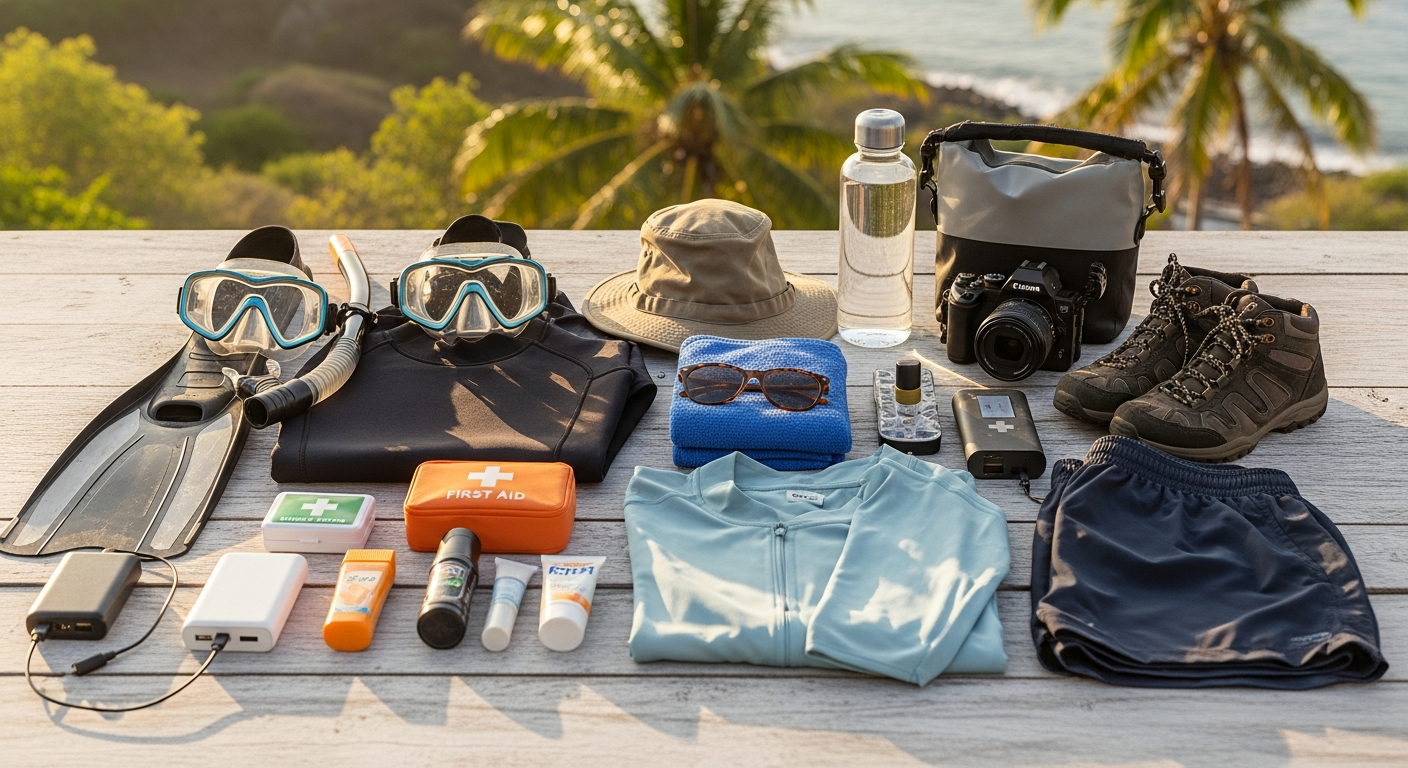
- Bring a high-SPF sunscreen and wide-brimmed hat to protect against intense sun exposure.
- Essential diving gear includes a wetsuit, snorkel, mask, and fins for exploring Komodo’s marine biodiversity.
- Include sturdy hiking boots for navigating Komodo’s rugged terrains and trails.
Visiting Komodo National Park in 2027 requires careful packing to ensure you have all the necessary gear for diving, trekking, and dealing with the heat. Packing essentials include lightweight clothing, diving equipment, trekking shoes, and sun protection to make the most of your adventure.
Clothing for the Heat
When visiting Komodo National Park, prepare for the tropical climate by packing lightweight and breathable clothing. The temperatures can range from 25°C to 35°C (77°F to 95°F) throughout the year. Opt for materials like cotton or linen that allow your skin to breathe and wick away moisture. T-shirts, loose-fitting shorts, and light dresses are excellent choices for staying cool during your excursions.
It is also advisable to pack a light rain jacket or poncho, as the region can experience sudden downpours, especially during the rainy season from November to March. Sun protection is crucial, so include a wide-brimmed hat, sunglasses with UV protection, and a high-SPF sunscreen. This ensures you remain comfortable and protected from the sun’s intense rays during your hikes and boat trips.
Additionally, evenings can bring a cool breeze, particularly if you’re near the coastline or on a boat tour. A light sweater or long-sleeve shirt can provide the necessary warmth once the sun sets, especially between May and September when the sea breeze is more pronounced.
Diving Essentials
The waters of Komodo National Park are home to an incredible marine biodiversity, making it a premier destination for divers. Essential diving gear includes a well-fitting mask, snorkel, and fins. If you plan to dive extensively, a wetsuit is recommended as the water temperatures can vary from 20°C to 28°C (68°F to 82°F) depending on the depth and currents.
For those opting for specialized diving experiences, such as the diving safaris offered by SY Adelaar, packing a dive computer is beneficial to monitor your depth and dive time. Consider including an underwater camera to capture the lively aquatic life you will encounter, including parrotfish and clownfish. Don’t forget to pack a dry bag for your electronic devices and any other gear you want to keep safe from water exposure.
Furthermore, experienced divers might consider bringing their own regulators and buoyancy control devices to ensure comfort and familiarity during dives. While rental equipment is available, having your own gear can enhance your diving experience by providing a tailored fit and reliability.
Trekking Gear
Komodo National Park offers a variety of trails that provide striking views and encounters with the famous Komodo dragons. A sturdy pair of trekking shoes or boots is essential for navigating the rugged terrain. Ensure your footwear is comfortable and broken in before your trip to avoid blisters during hikes.
Bring a lightweight backpack to carry essentials such as water, snacks, and a camera. A reusable water bottle is crucial, as staying hydrated is vital in the heat. Trekking poles can also be helpful for stability on uneven trails. Lastly, a good insect repellent is recommended to protect yourself from mosquitoes and other insects in the park.
Also, consider packing a detailed map or a portable GPS device, as cell service can be sporadic in remote areas of the park. Knowing your route and having a method to navigate independently ensures safety and confidence while trekking through the diverse landscapes of the islands.
Accommodation and Fees
When planning your trip, consider the accommodation options available in and around Komodo National Park. The SY Adelaar offers luxurious diving safaris with various staterooms priced between 3,054 € and 6,480 €, depending on the room type and trip duration. Additional costs include Nitrox fees, harbor and national park fees, and a fuel supplement, which can add 200 € to 300 € per person.
Alternatively, private boat charters like “The Ocean Addict” offer customized itineraries for exploring the park. These services provide flexibility and owner-direct rates, allowing you to tailor your visit according to your interests and budget. Regardless of your choice, booking in advance is advisable to secure your spot, especially during peak tourist seasons.
For those preferring land-based accommodations, Labuan Bajo on Flores Island offers a range of options from budget hostels to luxury resorts. Prices can vary significantly, with budget options starting around 20 USD per night, while luxury resorts might charge upwards of 200 USD per night. It’s important to budget accordingly and consider proximity to park departure points when choosing your accommodation.
Best Time to Visit
The best time to visit Komodo National Park is during the dry season, from April to October, when the weather is most favorable for outdoor activities. During this period, you can experience clear skies and calm seas, ideal for both diving and treks. The park’s landscapes are lush after the rainy season, offering a beautiful backdrop for your adventures.
However, diving can be enjoyed year-round, with marine life visible at all times. The shoulder months of April and October provide a good balance of fewer crowds and pleasant conditions. Always check the local weather forecasts and plan your activities accordingly to make the most of your trip.
During the peak of the tourist season in July and August, it’s wise to book accommodations and tours well in advance to avoid any inconvenience. This period is when the park sees the highest number of visitors, drawn by optimal weather and lively wildlife activity.
Preparing for Emergencies
Although Komodo National Park is a well-visited area, being prepared for emergencies is crucial. Pack a basic first-aid kit that includes items like adhesive bandages, antiseptic wipes, pain relievers, and any personal medications you may require. This ensures you can handle minor injuries or ailments during your trip.
Having travel insurance that covers medical emergencies and evacuation is also highly recommended, especially when undertaking activities like diving. Make sure you have copies of important documents, such as your passport, insurance details, and emergency contact information. Keeping these accessible can be a lifesaver in unforeseen situations.
Furthermore, familiarize yourself with the location of the nearest medical facilities and emergency contact numbers in Indonesia. Knowing where to turn in case of a severe situation is reassuring and can expedite assistance when needed.
Traveling Sustainably
As tourism increases, it’s important to consider how to travel sustainably while visiting Komodo National Park. Engage in eco-friendly practices, such as reducing plastic use by carrying a reusable water bottle and refusing single-use plastics. Many local vendors offer alternatives, so support businesses that prioritize sustainability.
Be mindful of your impact on the natural environment by sticking to marked trails and not disturbing wildlife. Komodo dragons, for instance, are sensitive to human interaction, so maintaining a safe distance is both a legal requirement and a respectful practice.
Additionally, consider supporting local conservation efforts by choosing tours and accommodation providers that are involved in preserving the park’s natural beauty. Many offer programs or partnerships with conservation NGOs, allowing you to contribute directly to the well-being of the park’s ecosystems.
FAQs
Q? What is the best way to get to Komodo National Park? A: The most common way to reach Komodo National Park is by flying into Bali or Jakarta and then taking a domestic flight to Labuan Bajo on Flores Island. From there, you can join a liveaboard or arrange for a boat trip to the park.
Q? Are there any restrictions for visiting Komodo National Park? A: Yes, certain areas of the park have restrictions to protect the wildlife and environment. Visitors are encouraged to follow the guidelines provided by park authorities, including staying on designated trails and not disturbing the Komodo dragons.
Q? What currency is used in Komodo National Park? A: The official currency in Indonesia, including Komodo National Park, is the Indonesian Rupiah (IDR). However, many tour operators and diving safaris, like SY Adelaar, list their prices in Euros or US dollars for convenience. It’s advisable to carry some local currency for small expenses.
For wider arrangements, our partner labuanbajoluxury can coordinate end to end.
Planning something bigger across Indonesia? Plan wider itineraries with balifasttrackairport.
Explore all komodonationalparks.com options and plan your trip.
See also: Komodo Dragons vs. Manta Rays: Where to Focus Your 2027 Komodo National Park Expedition for Wildlife, 5-Day Komodo National Park Itinerary: Day-by-Day Guide to Padar, Rinca, and Manta Points in 2027.
Leave a Reply