
Komodo National Park vs Raja Ampat and the Galapagos
Komodo National Park , Raja Ampat and the Galapagos Islands are the three destinations most often mentioned together as the world's premier wildlife-and-reef trips, but they are not interchangeable.
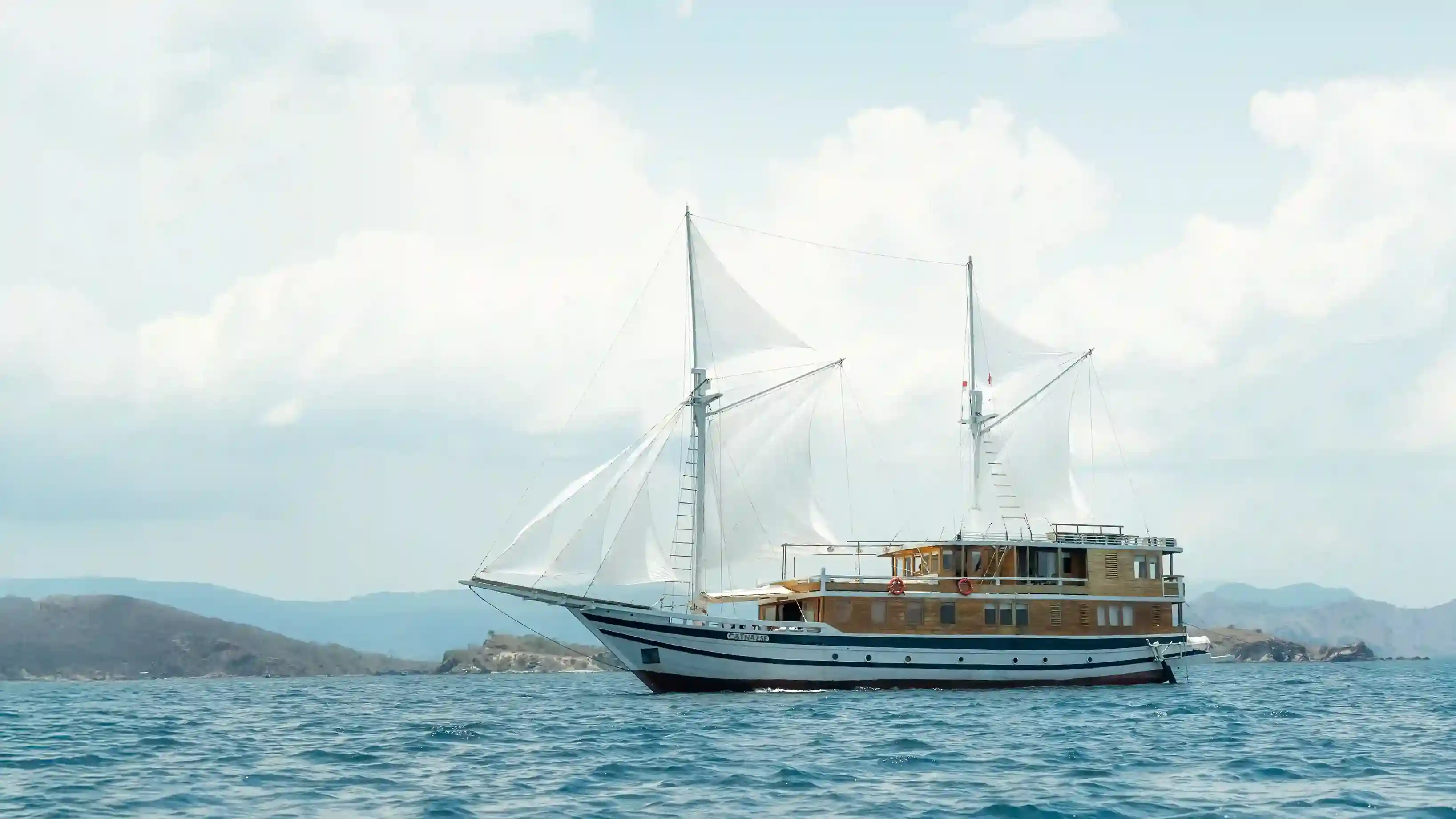
Quick Comparison: Komodo vs Raja Ampat vs Galapagos
| Factor | Komodo National Park | Raja Ampat | Galapagos Islands |
|---|---|---|---|
| Protected status | UNESCO World Heritage Site since 1991 | UNESCO Biosphere Reserve; large Indonesian MPA network | First-ever UNESCO World Heritage Site, inscribed 1978 |
| Approx. protected area | ~1,733 km² (park); larger biosphere reserve ~11,180 km² | ~20,000 km² (MPA network) | ~8,000 km² land + ~133,000 km² marine reserve |
| Signature land wildlife | Komodo dragon (only wild population on Earth) | Endemic birds-of-paradise on nearby islands | Giant tortoises, marine iguanas, land iguanas |
| Signature marine wildlife | Manta rays, reef sharks, 1,000+ fish species, 260+ coral species | 1,300–1,400+ reef fish species, 550+ coral species (highest reef biodiversity recorded) | 2,900+ marine species, ~450 fish species, high endemism, cooler-water megafauna |
| Typical visit style | Day trips from Labuan Bajo or 2–7 night small ships/liveaboards | 7–10+ night liveaboards or resort/homestay stays | 5–8 day naturalist cruises or land-based island hopping |
| Gateway airport | Labuan Bajo (LBJ), ~1–1.25 hr flight from Bali | Sorong (SOQ), ~4–5 hr from Jakarta/Bali, usually via a stop | Baltra/San Cristóbal, via Quito or Guayaquil, Ecuador |
| Recommended minimum trip | 3 days for highlights; 5–7 for serious diving | 7+ days given remoteness and travel time | 5–8 days for a naturalist cruise |
Komodo vs Raja Ampat: Which Should You Choose?
The honest answer depends on what pulls you to Indonesia in the first place. Komodo is the only place on the planet to see a wild Komodo dragon, and its central park geography means a Labuan Bajo day trip or a 3–4 night small-ship cruise can realistically combine dragon trekking, a sunrise hike up Padar and world-class manta and reef snorkeling in the same short trip. Raja Ampat, by contrast, is a pure marine destination: there is no land megafauna to trek toward, but the reefs themselves are widely regarded as the richest yet measured anywhere, with more than three-quarters of the world’s known coral species represented in its waters. Reaching Raja Ampat also takes longer and costs more in transit time, since it sits off West Papua and is served through Sorong rather than a short domestic hop from Bali.
In practice, many serious divers do both on separate trips rather than choosing one over the other permanently: Komodo for a shorter, easier-to-combine trip with a unique land animal attached, Raja Ampat for a dedicated week when reef density and rarity are the entire point. If your schedule only allows one Indonesia stop and you want variety beyond just diving, Komodo’s mix of trekking, hiking and reef time on a single accessible itinerary usually wins; if pure reef biodiversity is the goal and you have more days to spend, Raja Ampat is the deeper experience.
Komodo vs Galapagos: Land Wildlife, Different Continents
Komodo and the Galapagos are the two most obvious comparisons for “land predator/reptile wildlife plus rich surrounding seas,” but the trip logistics and wildlife character differ substantially. The Galapagos, an Ecuadorian archipelago in the Pacific, built its reputation on giant tortoises, marine iguanas and extraordinarily tame wildlife habituated to a century of controlled visitation, delivered through a highly structured system of licensed naturalist-guide cruises. Komodo’s dragon, unlike Galapagos wildlife, is a genuine apex predator that visitors approach only under strict ranger supervision at fixed viewing distances — the experience is guided and safety-first rather than the closer, calmer wildlife encounters typical in the Galapagos. Marine life also differs by ocean basin: Galapagos waters are cooler, upwelling-driven and support high endemism with comparatively modest coral cover, while Komodo sits inside the Coral Triangle, the global center of tropical reef biodiversity, with warm, current-swept channels and significantly higher coral and reef-fish counts.
Access is the other major difference. The Galapagos requires an international flight to mainland Ecuador (Quito or Guayaquil) followed by a further flight to the islands, and virtually all visits run through pre-organized naturalist cruises or licensed land tours under strict permit control. Komodo is reached by a roughly one-hour domestic flight from Bali to Labuan Bajo, followed by a boat that can depart the same or following day, making it markedly faster to combine with a broader Southeast Asia itinerary.
Day Trip vs Liveaboard: How the Three Destinations Compare
Trip format is where the practical difference is largest. Komodo is unusual among world-class wildlife-and-reef destinations in genuinely supporting a single-day visit from a nearby town: a Labuan Bajo day speedboat can complete a dragon trek, a Padar or Pink Beach stop, and a snorkel session in one long day, though a 2–3 night boat trip reaches considerably more of the park in comfort. Raja Ampat’s remoteness makes a comparable day-trip format impractical for most international visitors; the standard unit is a multi-night liveaboard or a multi-night resort/homestay stay, both built around the assumption that guests have already committed several days of travel time to arrive. The Galapagos sits in between: land-based, hotel-plus-day-tour itineraries have grown alongside the traditional naturalist cruise, but both formats assume a minimum stay of five or more days once the international and domestic flights are factored in.
Budget and Diving Focus, Side by Side
None of the three destinations is genuinely a “cheap” trip once international flights are included, but their cost structures differ. Komodo’s day-trip option gives budget-conscious travelers a lower entry point than the other two — a single day inside the park, with a fixed, government-set entrance fee, can be added to a broader Indonesia or Bali trip without committing to a dedicated liveaboard budget. Raja Ampat and the Galapagos are both structured around longer, bundled stays (liveaboard cabins or naturalist cruise berths), which raises the effective minimum spend even before airfare, since there is no equivalent low-cost single-day format at either destination. For divers specifically, Raja Ampat’s reef density and Komodo’s current-driven pelagic encounters (mantas, occasional sharks) serve different preferences, while the Galapagos favors big-animal, cooler-water encounters such as hammerheads at north-island dive sites over reef density.
How Do Their Conservation Approaches Differ?
All three are managed as strictly protected areas, but the regulatory texture differs in ways that affect a visitor’s day-to-day experience. Komodo National Park enforces conservation primarily through mandatory ranger escorts for any land trekking, a government-set entrance tariff (PNBP) under national regulation, and, since April 2026, a digital reservation and monitoring system called SiOra that tracks visitor flow against a park-wide daily quota shared across three entry sessions. Raja Ampat’s protection runs through a network of marine protected areas developed with conservation organizations including Conservation International, emphasizing no-take zones and community-based management across its roughly 20,000 square kilometers of MPA network rather than a single ranger-escort model, since its core attraction is underwater rather than a single guided land trek. The Galapagos operates the most centralized system of the three: nearly all visitor activity happens through licensed naturalist guides operating under Galapagos National Park Directorate permits, with strict site-by-site visitor caps and mandatory guide ratios that have been in place since the 1970s, reflecting the archipelago’s much longer history as a formally managed protected area following its 1959 national park designation.
Which Destination Fits Which Kind of Traveler?
Matching the destination to your travel style avoids the most common disappointment reported by travelers who picked the wrong one for their available time and interests.
- Choose Komodo if you have a week or less in the region, want to combine a genuinely unique land-animal encounter with strong reef time, and would rather not commit to a week-plus liveaboard just to see world-class marine life.
- Choose Raja Ampat if diving or snorkeling density is your primary goal, you have at least seven to ten days including transit, and you are comfortable with a more remote, resort- or liveaboard-centered trip rather than day-trip flexibility.
- Choose the Galapagos if land-based endemic wildlife (tortoises, iguanas, finches) is the main draw, you are already routing through South America, and you want a highly structured, guide-led itinerary with a long-established permit system.
- Combine Komodo and Raja Ampat if you are building an Indonesia-focused trip and have two to three weeks, since both are reachable through Indonesian domestic flights without crossing to a different continent.
Frequently asked questions
Which is more expensive: Komodo, Raja Ampat, or the Galapagos?
All three involve significant international travel cost, but Komodo has the lowest realistic entry point because it supports single-day, government-fee-only visits without a mandatory multi-night liveaboard or cruise commitment, unlike Raja Ampat and the Galapagos.
Is Komodo National Park cheaper than Raja Ampat?
Komodo National Park is generally more affordable than Raja Ampat. The park’s fees for foreign visitors start at USD 40 (USD 50 at weekends and on public holidays) per visit, with additional costs for a ranger. Raja Ampat, being more remote, often involves higher travel and accommodation expenses, making Komodo a more budget-friendly option.
How does the coral reef health in Komodo compare to Raja Ampat?
Both Komodo and Raja Ampat have healthy coral reefs, but Raja Ampat is renowned for its exceptional coral diversity, with over 550 species. Komodo’s reefs are vibrant and well-preserved, featuring 260+ coral species. Raja Ampat’s reefs are more diverse, making it a top choice for coral enthusiasts.
Is Komodo or Raja Ampat better for diving?
Raja Ampat has the higher measured reef biodiversity, with over 1,300 reef fish species and 550+ coral species recorded by conservation researchers. Komodo offers strong current-driven diving with manta rays and healthy Coral Triangle reefs, plus the advantage of being reachable on a much shorter trip from Bali. Serious reef specialists often rate Raja Ampat higher for sheer density; travelers wanting to combine diving with dragon trekking and easier logistics usually choose Komodo.
Does the Galapagos have Komodo dragons or similar reptiles?
No. The Galapagos is known for giant tortoises, marine iguanas and land iguanas, all unrelated species found only in that archipelago. The Komodo dragon exists only in Komodo National Park, Indonesia.
How does the marine life in Komodo National Park compare to Raja Ampat?
Komodo National Park is home to over 1,000 fish species and 260+ coral species, offering rich marine biodiversity. However, Raja Ampat surpasses it with 1,300–1,400+ reef fish species and 550+ coral species, boasting the highest reef biodiversity recorded. Both are exceptional for marine life, but Raja Ampat is unparalleled in diversity.
How does Komodo National Park compare to Raja Ampat for diving?
Komodo National Park offers diverse dive sites with strong currents, suitable for experienced divers, and features manta rays and reef sharks. Raja Ampat, with its unparalleled reef biodiversity, provides a broader range of marine life and vibrant coral gardens. Both are excellent, but Raja Ampat is better for biodiversity enthusiasts.
Is Komodo National Park or Raja Ampat better for beginner divers?
Komodo National Park is generally more suitable for beginner divers, offering a range of dive sites with varying difficulty levels. Raja Ampat, while rich in biodiversity, often has stronger currents and is better suited for more experienced divers. Beginners may find Komodo more accessible and manageable.
For photographers and snorkelers, how does the marine ecosystem in Komodo compare to Raja Ampat in terms of what you actually see in the shallows?
Komodo’s currents bring nutrient-rich water over steep reefs, so snorkelers often see swirling schools of fish, healthy hard corals, and manta rays gliding through shallow cleaning stations. Raja Ampat’s calmer lagoons and sheltered bays feel more like underwater gardens, with denser coral cover, more small reef fish, and vivid soft corals. Komodo delivers more drama and big animals; Raja Ampat offers subtler detail and higher overall diversity.
If I am an intermediate diver, how does the diving difficulty in Komodo compare to Raja Ampat when planning which skills or certifications I should have before booking?
Expect Komodo to demand better current management and buoyancy control, especially at sites like Batu Bolong and Castle Rock, so an Advanced certification and recent drift experience are strongly recommended. In Raja Ampat, you can choose gentler sites around sheltered bays, though many classic spots still feature switching currents. For intermediates, Komodo typically feels more intense per dive day, while Raja Ampat offers more scope to dial back conditions through site choice and guiding.
Are Komodo dragons only in Komodo National Park?
Yes, Komodo dragons are only found in the wild within Komodo National Park, which includes the islands of Komodo, Rinca, and Padar. This unique species is not present in other regions, making the park the sole destination for observing Komodo dragons in their natural habitat.
Can you fish in Komodo National Park?
Fishing in Komodo National Park is restricted to ensure the conservation of its marine biodiversity. The park’s status as a UNESCO World Heritage Site and its conservation efforts mean that fishing activities are regulated and generally not permitted for visitors, focusing instead on preserving the ecosystem.
Can I visit Komodo National Park in one day?
Yes. A single-day speedboat trip from Labuan Bajo can realistically combine a ranger-guided dragon trek, a viewpoint or beach stop, and a snorkel session, which is not practical at Raja Ampat or the Galapagos given their longer transit times.
How long should I plan for a Raja Ampat trip compared to Komodo?
Raja Ampat’s remoteness off West Papua, reached via Sorong, generally calls for at least seven to ten days including transit to justify the journey, while Komodo can be visited meaningfully in as little as three days thanks to its short domestic flight from Bali and single-gateway boat access from Labuan Bajo.
Is it possible to combine Komodo and Raja Ampat in one trip?
Yes, and it is a common itinerary for divers and wildlife travelers with two to three weeks available, since both destinations are reached through Indonesian domestic flights rather than requiring a separate international journey. Sequencing Komodo first, then flying onward toward Raja Ampat, is the typical order operators recommend.
How does Komodo National Park differ from the Galapagos Islands?
Komodo National Park is known for its unique Komodo dragons and Coral Triangle reefs, while the Galapagos Islands are famous for high endemism, including giant tortoises and marine iguanas. The Galapagos offers structured naturalist cruises, whereas Komodo provides day trips and liveaboard options from Labuan Bajo.
How many days in Komodo National Park vs Raja Ampat for first timers?
First-time visitors to Komodo National Park should plan for at least 3 days to see the highlights, or 5–7 days for diving. For Raja Ampat, a minimum of 7 days is recommended due to its remoteness and extensive dive sites. Both offer unique experiences, but Raja Ampat requires more time.
How should you plan your trip if seeing whale sharks is your main goal?
Focus your planning on Raja Ampat if whale sharks are a priority, as certain liveaboard routes and homestays are built around regular early morning encounters at known aggregation sites. Can you see whale sharks in Komodo or is Raja Ampat better is really a question of reliability, and Raja Ampat wins: in Komodo, sightings are occasional bonuses, with most itineraries centered on dragons, mantas, and high-energy current dives instead.
Plan a Komodo Trip Alongside Raja Ampat with Komodo Luxury
Many travelers combine both Indonesian destinations on one longer itinerary. Start with a Komodo cruise or day trip, then extend into Raja Ampat with a Raja Ampat yacht charter, or ask Komodo Luxury to sequence both into a single trip plan. Message Komodo Luxury on WhatsApp at +62 811 3810 8110 or email sales@komodoluxury.com.
Comparative figures compiled from UNESCO, UNEP-WCMC and conservation-organization sources (WWF, Conservation International/Bird’s Head Seascape). Checked August 2026.
Choosing between Komodo, Raja Ampat, and the Galapagos can be challenging, but once you’ve made your decision, consider a luxury Raja Ampat cruise for a seamless experience. For those interested in a romantic getaway, a Raja Ampat honeymoon cruise offers an intimate setting, while a multi-day liveaboard provides an immersive adventure. If you’re still weighing your options, explore Komodo Luxury’s boat tour lineup to find the perfect fit for your travel plans.
Ready to turn this into a real Komodo National Park trip?